
Training Your Team: Operating and Maintaining Coil Packing Lines
Overwhelmed by the struggle to find skilled maintenance technicians for your coil packing lines? Plant efficiency suffers, downtime rises, and your bottom line shrinks. The talent pool is drying up, leaving manufacturers scrambling. What if the solution was already within your walls? Equip your existing team with the skills needed to keep those critical lines running smoothly.
Training operators on coil packing lines equips them with essential skills for daily operation, preventative checks, and minor troubleshooting. This empowers them to identify potential issues early, perform basic maintenance tasks, and contributes significantly to maximizing uptime and overall equipment effectiveness (OEE). It's a strategic move to counter the maintenance labor shortage.
In an era where hiring experienced maintenance personnel is increasingly challenging, investing in your current workforce is not just an option – it's a necessity. Unlock the potential of your operators and transform them into the first line of defense for your valuable coil packing assets.
Why Train Operators for Coil Packing Line Maintenance?
Are maintenance staffing shortages crippling your coil packing line productivity? Frustration mounts as experienced technicians become harder to find and retain. This gap leads to delayed repairs, increased downtime, and overworked staff, creating a vicious cycle that negatively impacts your entire operation.
Training operators for coil packing line maintenance directly addresses the severe shortage of qualified maintenance technicians plaguing manufacturing. By empowering operators, companies reduce reliance on external hires, accelerate the filling of essential roles, alleviate burden on existing maintenance staff, improve employee morale by offering growth paths, and build a more resilient, self-sufficient workforce capable of minimizing disruptive downtime and maintaining operational flow even with limited dedicated maintenance personnel.
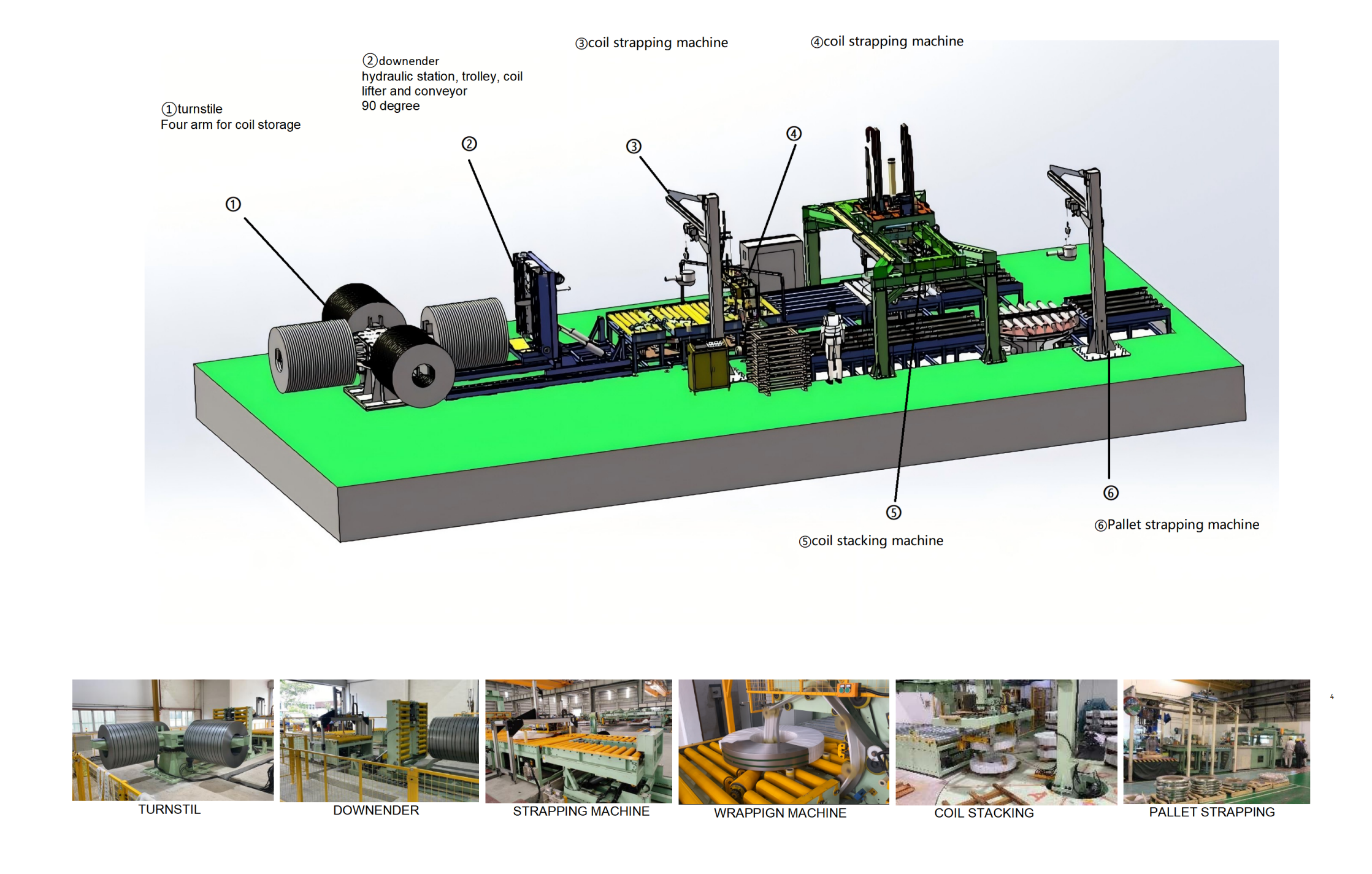
The Shrinking Talent Pool and Internal Solutions
The manufacturing sector faces a persistent and worsening challenge: a dwindling pool of experienced and qualified maintenance technicians. Younger generations often show less interest in traditional trade work, leading to a reduced supply of skilled labor. This demographic shift means that finding external candidates to fill vacant maintenance positions is taking longer, often proving "almost impossible" as highlighted in industry reports. The consequences are significant: increased pressure on existing maintenance staff, delays in addressing equipment issues, higher labor costs (especially due to overtime), and ultimately, production bottlenecks and frustrated employees.
This critical hiring issue is forcing manufacturers to look inward. Companies are increasingly recognizing the value of their current production workforce, identifying individuals with the right aptitude and attitude for maintenance roles. Mechanically inclined machine operators, quality-focused production workers, and dedicated team members are prime candidates for upskilling. This internal sourcing strategy offers several advantages:
Identifying Potential Candidates Internally
- Proximity to Equipment: Operators work with the coil packing lines every day. They understand the equipment's nuances and operational sounds better than anyone.
- Demonstrated Work Ethic: Existing employees have a proven track record within the organization.
- Familiarity with Processes: They already understand the production flow and the critical role of the packing line.
- Career Growth Motivation: Offering maintenance training provides a clear career progression path, boosting morale and retention.
Transitioning these valuable employees into maintenance roles requires structured training, but it's a far more viable solution than waiting for external hires. Effective operator training becomes the bedrock of this strategy, providing the foundational knowledge and practical skills needed to succeed in these new, expanded roles. Investing in this internal talent pipeline is not just filling a gap; it's building a stronger, more flexible, and more engaged workforce for the future of your coil packing operations. The cost analysis below, drawing from industry observations, further underscores the economic rationale for investing in proactive, training-centric maintenance models compared to relying solely on reactive approaches that external technician shortages exacerbate.
| Maintenance Strategy (Approx. Cost/hp/yr) | Primary Approach | Reliance on External Hiring | Downtime Impact | Parts Inventory Needs | Training Investment |
|---|---|---|---|---|---|
| Reactive ($18) | Run-to-failure, repair when broken | High (for emergency repairs) | High (unplanned, lengthy) | High (for emergencies) | Low |
| Preventive ($13) | Time-based scheduled maintenance | Moderate | Moderate (scheduled ok) | Moderate | Moderate |
| Predictive ($9) | Condition-based monitoring, repair before failure onset | Lower | Low (planned, shorter) | Lower (order ahead) | Higher |
| RCM ($6) | Predictive/Preventive + RCA + Improvement | Lowest | Lowest (planned, minimal) | Lowest | Highest |
This table illustrates the shift towards lower costs per horsepower as maintenance becomes more proactive and condition-based, a shift heavily reliant on trained personnel, including operators performing front-line tasks.
Essential Maintenance Skills for Coil Packing Line Operators
Expecting operators to maintain complex machinery without the proper skills is a recipe for failure and potential danger. Your coil packing lines are critical assets, and entrusting their upkeep requires a deliberate approach to skill development. But what specific maintenance tasks are suitable and essential for operators?
Operators of coil packing lines should be trained in fundamental maintenance skills including equipment cleaning and inspection, basic lubrication, tightening fasteners, making minor adjustments, identifying visual deviations, and recognizing when a problem requires intervention from a dedicated maintenance technician. These front-line reliability tasks empower operators to proactively identify issues early and perform simple restorative actions, directly contributing to equipment uptime and longevity before minor issues escalate into major failures.
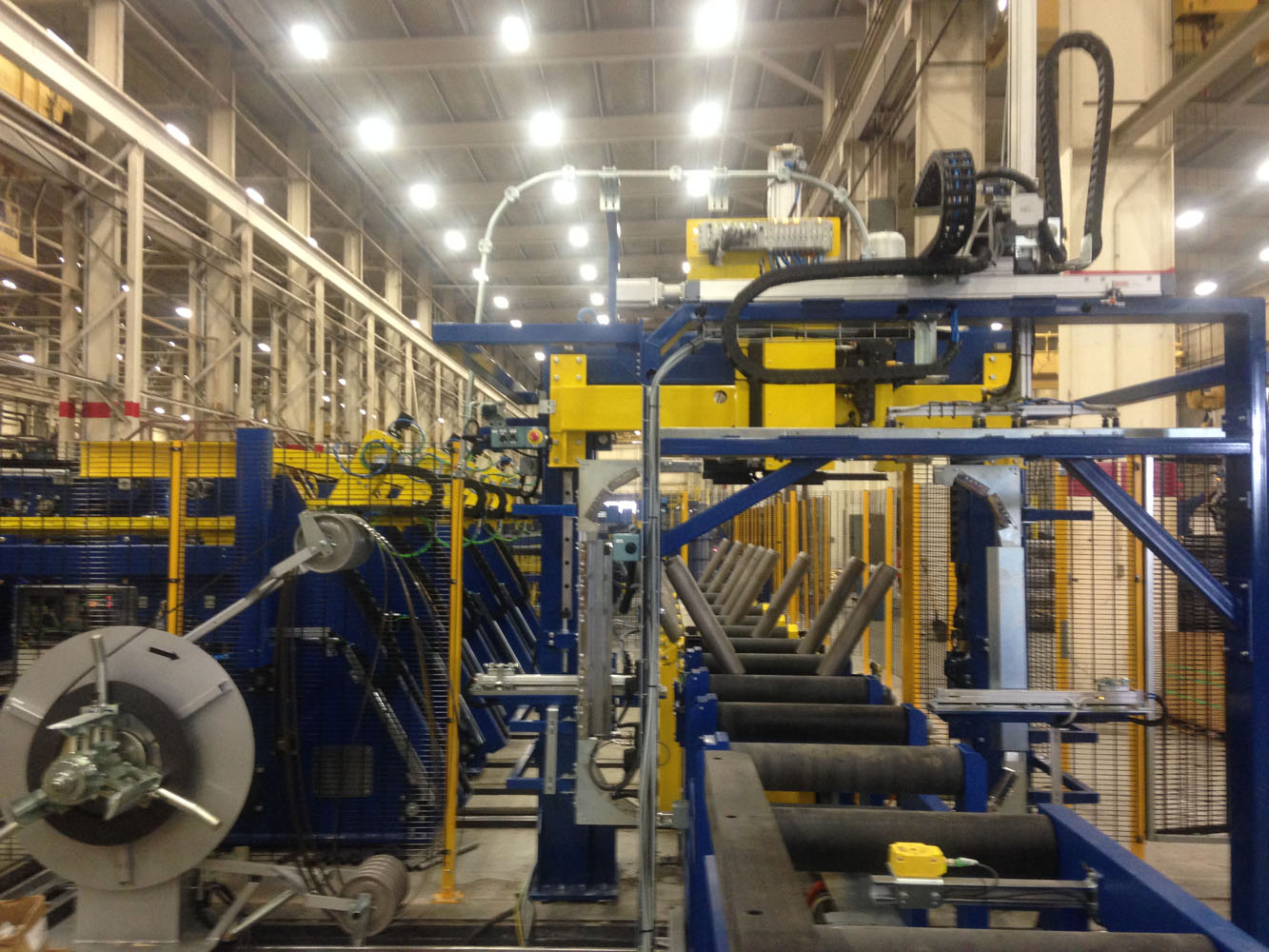
Foundational and Front-Line Capabilities
Empowering operators to take ownership of their equipment's basic maintenance significantly impacts the overall reliability and efficiency of coil packing lines. This approach, often referred to as Operator Care or Front-Line Reliability, leverages the operator's intimate, daily interaction with the machinery. They are the "eyes and ears" on the shop floor, best positioned to detect subtle changes that could indicate an impending issue. However, this requires targeted skill development beyond standard operational procedures.
Key maintenance skills essential for coil packing line operators include:
- Equipment Cleaning: More than just tidiness, cleaning allows operators to closely inspect the equipment, revealing hidden problems like leaks, wear, or debris buildup. It's a fundamental step in hazard identification.
- Basic Inspection: Training operators on what to look for – unusual wear patterns, loose components, fluid levels, gauge readings, or irregular sounds/smells/temperatures – enables early detection of failure symptoms. They learn to compare current conditions against normal operating standards.
- Lubrication: Simple, routine lubrication tasks on designated points can prevent excessive wear and friction. Operators need to know which lubricants to use, how much, and how often, following manufacturer guidelines.
- Tightening Fasteners: Vibrations on machinery can loosen bolts and nuts. Training operators to identify and tighten loose fasteners in non-critical areas prevents component misalignment, vibration, and potential damage.
- Minor Adjustments: Certain simple, routine adjustments needed during operation or changeovers can be taught to operators, provided they are clearly defined and within their technical scope.
- Hazard Identification: Through cleaning and inspection, operators learn to identify adverse conditions (e.g., fraying cables, damaged guards, excessive heat/noise) that pose safety or reliability risks. Single-Point Lessons (SPLs) can reinforce specific hazards and warning signs for particular equipment sections.
- Basic Troubleshooting (5 Whys): Operators can be trained in simple Root Cause Analysis techniques like the "5 Whys" to investigate the immediate cause of minor operational hiccups they encounter daily. This helps prevent recurring issues and informs maintenance technicians of potential underlying problems.
- Visual Management: Understanding visual controls (like gauge markings, level indicators, color-coding on lubrication points or piping) allows operators to quickly ascertain the equipment's status and identify deviations from normal operating conditions without complex analysis.
- Standard Work: Adhering to standardized procedures for cleaning, lubrication, and inspections ensures consistency and minimizes variability, preventing accidental damage and promoting reliable operation.
Developing these skills through practical, hands-on training ensures operators can effectively perform crucial front-line maintenance activities. This not only maintains equipment but also frees up skilled maintenance craftspeople to focus on more complex preventative, predictive, and corrective maintenance tasks.
Implementing Effective Training Programs for Your Team
Simply telling operators what to do isn't enough; they need practical, hands-on training to build confidence and competence in maintaining coil packing lines. Without a structured approach, knowledge transfer can be inconsistent, incomplete, and ineffective, leaving your team unprepared for critical maintenance responsibilities.
Effective training programs for coil packing line operators utilize a blended approach combining classroom instruction for foundational knowledge with extensive on-the-job training (OJT) and reinforced learning tools like Single-Point Lessons (SPLs). Cross-training by experienced maintenance technicians, OEM representatives, and reliability engineers ensures practical skills are demonstrated and practiced in the actual work environment, focusing on tasks like cleaning, inspection, lubrication, and minor repairs directly on the equipment they operate daily.
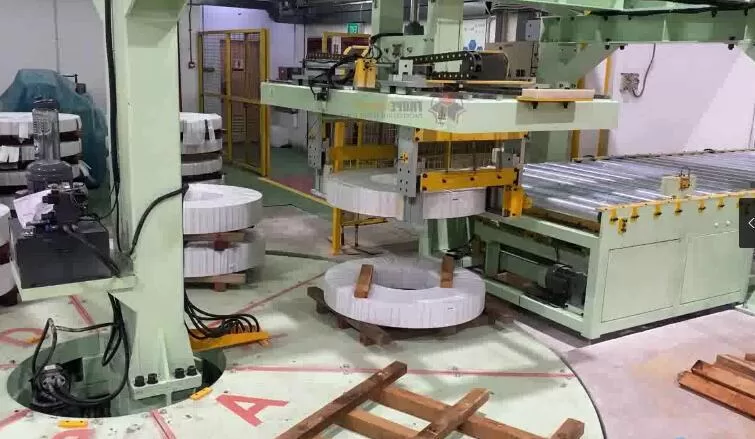
Methods and Tools for Knowledge Transfer
Developing a robust training program for coil packing line operators requires a strategic blend of methodologies tailored to the specific skills needed and the learning environment of the factory floor. The goal is to ensure that operators not only understand the why behind maintenance tasks but also gain the practical proficiency to perform them safely and effectively.
Key Training Methodologies
- On-the-Job Training (OJT): This is arguably the most effective method for teaching practical maintenance skills. Experienced maintenance craftspeople, who are deeply familiar with the specific coil packing line equipment, work directly with operators on the floor. They demonstrate procedures, observe the operator's execution, provide immediate feedback, and answer questions in the context of the actual working environment. OJT is ideal for tasks like cleaning, lubrication point identification, basic inspections, and minor adjustments.
- Classroom Training: While hands-on learning is crucial, classroom sessions provide the theoretical foundation. Topics can include basic mechanical principles, understanding fluid dynamics (for lubrication), recognizing common failure modes, interpreting equipment manuals, safety procedures related to maintenance, and the purpose of different maintenance activities (e.g., why lubrication is critical, what happens if fasteners are loose). Classroom training can also cover the basics of systems like pneumatics or hydraulics if relevant to the operator's maintenance tasks.
- Single-Point Lessons (SPLs): These are concise, one-page documents focused on a single topic, asset, or procedure. SPLs can cover specific cleaning methods for a machine component, steps for checking a particular fluid level, criteria for inspecting a critical bearing, or how to perform a quick, authorized repair task. They serve as quick refreshers and accessible resources right at the workstation. Reliability engineering personnel or maintenance supervisors can develop these in collaboration with operators.
- Cross-Training by Experts: Involving subject-matter experts like maintenance craftspeople, Original Equipment Manufacturers (OEMs), or reliability engineers in the training process ensures accuracy and depth of knowledge transfer. OEM training is particularly valuable for understanding the manufacturer's specific recommendations and design intents for maintenance.
- Hands-On Exercises and Simulations: Providing dedicated time and resources for operators to practice skills in a controlled environment (e.g., working on a spare component, using training aids) builds confidence before applying skills to live production equipment.
- Utilizing Manufacturer Documentation: Integrating equipment manuals, checklists, and maintenance procedures into the training process teaches operators how to access and interpret these critical resources independently.
Developing a structured training plan, tracking progress (perhaps via a CMMS or dedicated training software), and providing ongoing reinforcement are vital for program success and persistence.
| Training Method | Target Skills | Best Application | Key Resources Involved | Advantages |
|---|---|---|---|---|
| On-the-Job (OJT) | Practical application, Procedure execution, Equipment specifics | Hands-on tasks (cleaning, lube, inspection, adjustments) | Experienced Maintenance Technicians, Peers | Real-world context, Immediate feedback |
| Classroom | Theoretical knowledge, Principles, Safety, System overview | Foundational understanding, Group learning | Instructors, Technical Manuals | Structured learning, Standardized content |
| SPLs | Specific procedures, Hazard identification, Quick tips | Reinforcement, Quick reference at point of use | Maintenance, Reliability Eng., Operators | Concise, Accessible, Task-focused |
| Cross-Training | Expert insights, Advanced techniques, Equipment-specific tips | Specialized tasks, Deep dives into specific assets | OEMs, Reliability Engineers | High-level knowledge transfer |
This multi-faceted approach ensures that operators acquire a comprehensive skill set, enabling them to become effective contributors to the maintenance and reliability of your coil packing lines.
The Tangible Benefits of Empowering Your Operators
Investing in training for your coil packing line operators goes far beyond simply addressing a maintenance staff shortage. It's a foundational strategy that yields significant, measurable improvements across your entire operation. What kind of return can you expect from empowering your operators with maintenance skills?
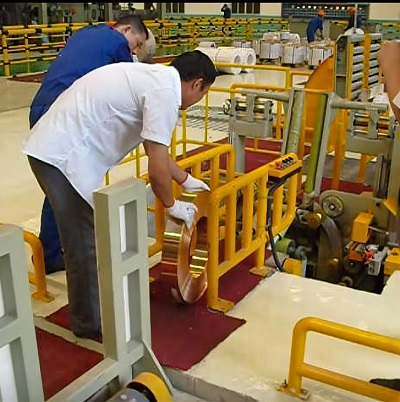
Training operators for coil packing lines equips them with essential skills for daily operation, preventative checks, and minor troubleshooting. This empowers them to identify potential issues early, perform basic maintenance tasks, and contributes significantly to maximizing uptime and overall equipment effectiveness (OEE). It's a strategic move to counter the maintenance labor shortage. A well-trained operator workforce becomes your first line of defense against equipment failure, enabling the shift from costly reactive repairs to more efficient planned maintenance. By performing routine checks and minor fixes, operators prevent small issues from escalating, reducing the frequency and severity of unexpected breakdowns. This leads directly to decreased downtime, increased throughput, and improved production scheduling predictability. Furthermore, operators gain a vested interest in the reliability of the equipment they work with daily, fostering a culture of ownership and proactive care. This not only boosts efficiency but also significantly enhances workplace safety by ensuring equipment is regularly inspected and maintained in good working order. The data from facilities that implement strong operator maintenance programs consistently shows tangible benefits, including reductions in overall maintenance costs and a marked increase in OEE, proving that empowering your operators is a highly effective and economically sound strategy. This approach also frees up skilled maintenance technicians to focus on more complex troubleshooting, predictive maintenance technologies, and system-level improvements, further optimizing the overall maintenance strategy. The integration of operator tasks into a CMMS can provide valuable data on equipment condition and required interventions.
Conclusion
In today's challenging manufacturing environment, effective Operator Training is no longer a luxury but a strategic imperative, especially for critical assets like coil packing lines. By investing in your operators, providing them with essential maintenance skills, and implementing structured training programs utilizing OJT, classroom learning, and SPLs, you build a resilient, proactive workforce. This directly addresses the maintenance talent gap, reduces costly downtime, improves equipment reliability, enhances safety, and boosts overall operational efficiency. Empower your team today for a more productive tomorrow.


