
Exploring Advanced Steel Coil Packaging Lines: Automation, Integration, and Efficiency
Are you still relying on outdated, labor-intensive methods to package your steel coils? Imagine a streamlined process that not only saves time and reduces labor costs but also enhances safety and ensures your products arrive in pristine condition. Advanced steel coil packaging lines are revolutionizing the industry, offering unprecedented levels of automation, integration, and efficiency.
Advanced steel coil packaging lines utilize automated systems to streamline the entire packaging process for steel coils, from coil handling and wrapping to strapping and stacking. These lines integrate various machines to minimize manual labor, enhance efficiency, improve product protection, and ensure safer operations in steel processing plants and service centers.
This article delves into the transformative world of advanced steel coil packaging lines, exploring how automation and integration are driving new levels of efficiency and setting new standards for the steel industry. Read on to discover how these cutting-edge solutions can revolutionize your operations and provide a significant competitive advantage.
The Evolution of Automation in Steel Coil Packaging
Are you struggling with bottlenecks in your steel coil packaging process, leading to delays and increased operational costs? For years, manual steel coil packaging was the norm, a cumbersome process prone to inefficiencies and safety hazards. However, the demand for higher throughput and improved quality has spurred a significant evolution towards automation.
The evolution of steel coil packaging has shifted from manual, labor-intensive processes to highly automated systems. This transition has been driven by the need for increased efficiency, improved safety, reduced labor costs, and enhanced product protection. Early automation focused on individual machines, while modern systems emphasize integrated lines with robotic handling, intelligent controls, and seamless data connectivity.
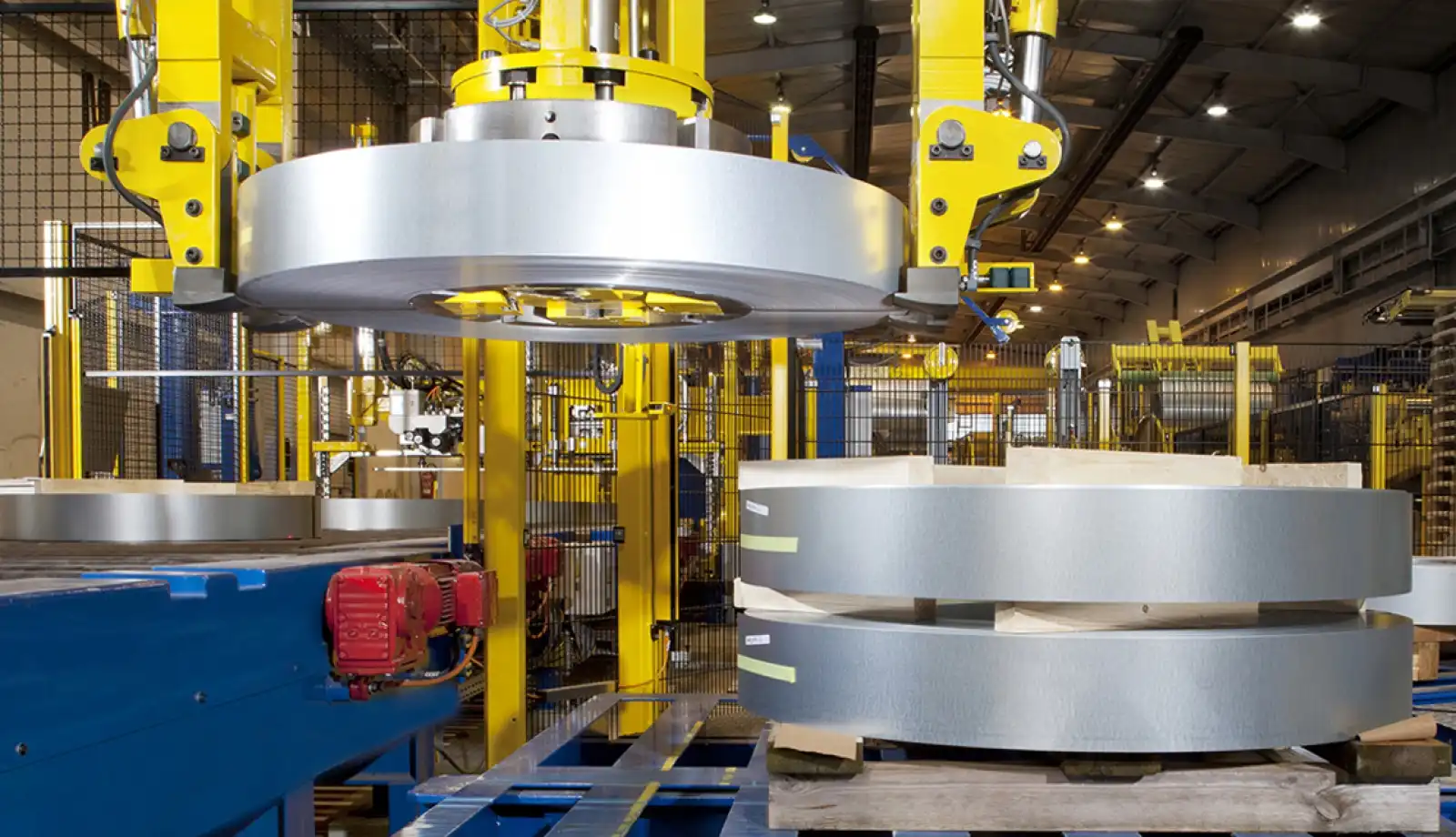
To truly understand the impact of this evolution, let's dive deeper into the key stages and advancements that have shaped modern steel coil packaging lines.
From Manual Handling to Robotic Precision
The journey of steel coil packaging automation can be viewed through distinct phases:
- Early Mechanization: The initial steps involved replacing manual lifting and moving with basic machinery like cranes and forklifts. This reduced physical strain but still required significant manual intervention for each step of the packaging process.
- Stand-Alone Automated Machines: Individual machines for specific tasks like wrapping and strapping emerged. These offered speed improvements for those specific steps but lacked overall process integration, leading to bottlenecks at transfer points.
- Integrated Packaging Lines: The real breakthrough came with the development of integrated lines where multiple automated machines are linked together. Coils move seamlessly from one station to the next, minimizing manual handling and optimizing workflow.
- Intelligent Automation: Modern advanced lines incorporate sophisticated sensors, PLCs (Programmable Logic Controllers), and even AI to optimize processes in real-time. This includes adaptive handling, automated quality checks, and data-driven performance improvements.
Quantifying the Shift: Manual vs. Automated Packaging
To illustrate the dramatic improvements, consider the following comparison:
| Feature | Manual Packaging | Automated Packaging | Improvement Factor |
|---|---|---|---|
| Labor Required | 3-4 workers per shift | 1-2 workers per shift | 50-75% reduction |
| Packaging Speed | 5-10 coils per hour | 25-40+ coils per hour | 300-400% increase |
| Material Waste | Higher, inconsistent application | Lower, precise application | 20-30% reduction |
| Safety Incidents | Higher risk of injury | Significantly reduced risk | Up to 90% reduction |
| Packaging Quality | Variable, dependent on operator skill | Consistent, machine-controlled | Improved consistency |
This table clearly demonstrates the significant advantages of automated steel coil packaging lines across key operational metrics. The reduction in labor, increase in speed, and improvements in safety and quality translate directly to substantial cost savings and enhanced competitiveness.
Key Components of Advanced Steel Coil Packaging Lines
Are you curious about what makes up an advanced steel coil packaging line and how each component contributes to the overall efficiency? These lines are not just a collection of machines; they are carefully orchestrated systems designed for seamless operation and maximum throughput.
Advanced steel coil packaging lines are composed of several key components working in concert to automate coil packaging. These typically include coil handling systems like downenders and turnstiles, wrapping machines for protective layers, strapping machines for secure bundling, stacking machinery for palletizing, and integrated control systems to manage the entire process.
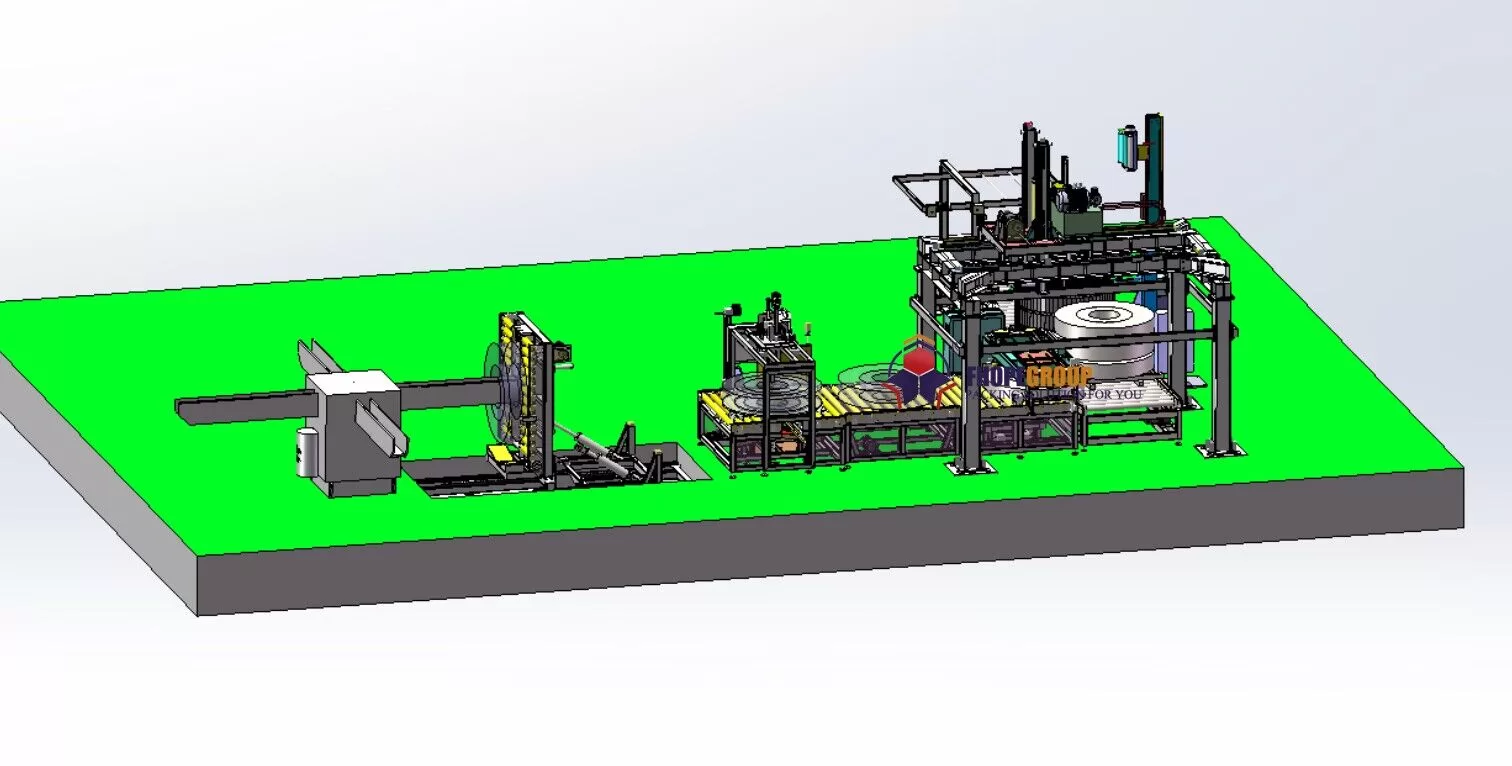
Let’s break down the function of each critical component in a modern packaging line:
Core Components and Their Functions
- Coil Downender & Turnstile: These are the entry points of the line. The downender receives coils from the production line and tilts them from a vertical to a horizontal position if needed. The turnstile acts as a buffer and feeding system, staging coils for entry into the packaging line at a controlled pace.
- Coil Wrapping Machine: This machine applies protective wrapping material (like film, paper, or VCI) around the coil. Advanced wrappers offer adjustable tension and overlap control to ensure optimal protection against moisture, dust, and damage.
- Coil Strapping Machine: Strapping machines apply steel or PET straps to secure the wrapped coil. Modern lines often feature multiple strapping heads and automatic strap feeding and tensioning for consistent and robust bundling. Radial and circumferential strapping can be applied depending on packaging needs.
- Coil Stacking Machine: The stacking machine, often robotic, lifts and stacks packaged coils onto pallets. Advanced stackers can handle various stacking patterns and integrate with timber feeders for dunnage placement between coil layers.
- Coil Labeling and Weighing Systems: Integrated systems automatically weigh each coil and apply labels with critical information like weight, dimensions, production date, and customer specifications. This ensures accurate inventory management and traceability.
- Conveyor Systems: Conveyors are the arteries of the packaging line, moving coils between different stations. Roller conveyors, chain conveyors, and belt conveyors are used depending on the specific needs of each section.
- Integrated Control System: A central PLC or computer control system manages and synchronizes all components of the line. This system monitors sensors, controls machine operations, and often provides data logging and reporting capabilities for performance analysis.
Each component is vital, and their seamless integration is what defines a truly advanced and efficient steel coil packaging line.
Integration and Connectivity for Enhanced Efficiency
Are you looking to optimize your steel coil packaging beyond just automation, aiming for a truly smart and connected factory? The real power of advanced packaging lines is unlocked through intelligent integration and connectivity.
Integration in steel coil packaging lines refers to the seamless connection and data exchange between different machines within the line, as well as with upstream and downstream systems. This connectivity enhances efficiency by optimizing material flow, enabling real-time monitoring, facilitating data-driven decision-making, and paving the way for Industry 4.0 implementation.
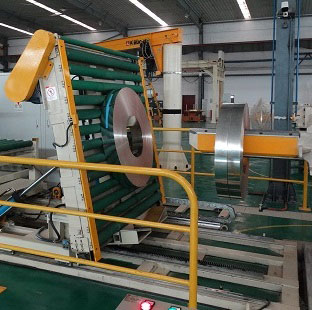
Let's explore the different levels of integration and the benefits they bring to steel coil packaging operations.
Levels of Integration: From Basic to Advanced
Steel coil packaging line integration can be categorized into different levels, each offering increasing degrees of automation and data utilization:
- Level 1: Basic Automation & Machine-Level Control: This level focuses on automating individual machines with PLCs for local control. Machines operate independently with limited communication between them. Efficiency gains are realized within each machine, but overall line optimization is limited.
- Level 2: Line-Level Integration & Centralized Control: Machines are networked and controlled by a central PLC or SCADA (Supervisory Control and Data Acquisition) system. This enables synchronized operation, basic data collection, and centralized monitoring of the entire line. Improved material flow and reduced manual intervention are key benefits.
- Level 3: System-Level Integration & MES Connectivity: The packaging line is integrated with the plant's Manufacturing Execution System (MES) and potentially ERP (Enterprise Resource Planning) systems. This allows for real-time data exchange on production schedules, inventory levels, and quality data. Advanced optimization, predictive maintenance, and data-driven decision-making become possible.
- Level 4: Industry 4.0 & IoT Integration: This represents the highest level of integration, incorporating IoT sensors, cloud computing, and advanced analytics. Real-time performance monitoring, predictive analytics, remote diagnostics, and even AI-powered optimization are implemented. This level enables a truly smart and responsive packaging operation.
Benefits of Integrated Packaging Lines
| Integration Level | Key Benefits | Technologies Employed | Impact on Efficiency |
|---|---|---|---|
| Level 1 | Machine-level automation, improved speed per machine | PLCs, basic sensors | Moderate |
| Level 2 | Synchronized operation, reduced manual handling | Centralized PLC/SCADA, networking | Significant |
| Level 3 | Data-driven optimization, MES connectivity | MES integration, data logging, reporting | High |
| Level 4 | Predictive maintenance, AI-powered optimization | IoT, Cloud, Advanced Analytics, AI | Very High |
As integration levels increase, the efficiency gains become more pronounced. Moving beyond basic automation to embrace higher levels of integration is crucial for steel service centers and processing plants aiming for peak performance and a competitive edge in today's data-driven industrial landscape.
Benefits of Automation: Beyond Efficiency
Have you considered the full spectrum of advantages that advanced steel coil packaging automation can bring to your business, extending far beyond just speed and throughput? While efficiency is a primary driver, the benefits are multifaceted and impact various aspects of your operation.
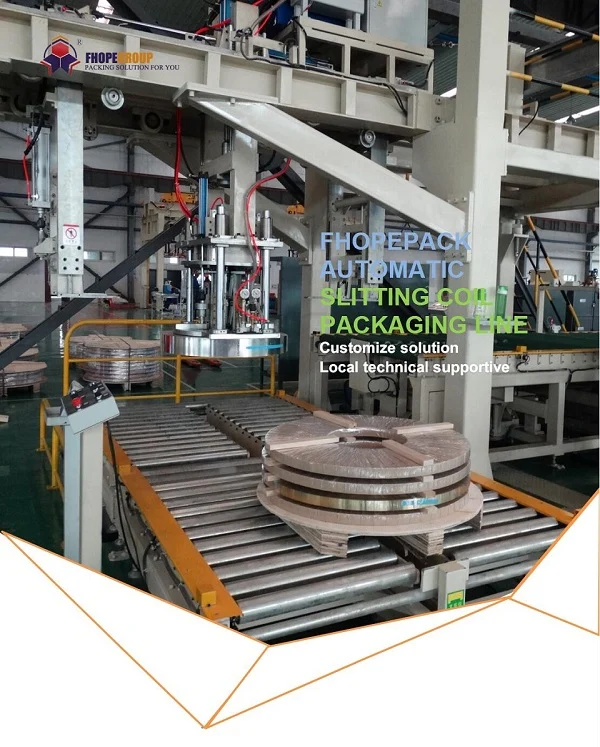
Beyond increased efficiency, automated steel coil packaging lines offer significant benefits such as enhanced safety for operators, improved and consistent packaging quality, reduced material waste, lower labor costs, and a pathway to more sustainable and environmentally friendly operations. These advantages combine to provide a strong return on investment and a more robust and competitive business.
Let's delve into the broader benefits that make investing in advanced automation a strategic decision for long-term success.
Unlocking a Wider Range of Advantages
- Enhanced Safety: Automation drastically reduces the need for manual handling of heavy and potentially dangerous steel coils. This minimizes the risk of workplace accidents, injuries, and related liabilities. Safety features like light curtains, emergency stops, and automated safety protocols are integral to modern lines.
- Improved Packaging Quality & Product Protection: Automated systems ensure consistent and precise application of wrapping and strapping materials. This provides superior and uniform protection against damage, corrosion, and environmental factors during storage and transportation, minimizing product loss and ensuring customer satisfaction.
- Reduced Labor Costs & Dependency: Automating packaging lines significantly reduces labor requirements, often needing only one or two operators to oversee the entire process. This not only lowers direct labor costs but also mitigates risks associated with labor shortages and skill gaps.
- Minimized Material Waste: Precise material dispensing and application in automated systems minimize wastage of wrapping film, strapping, and other packaging materials. This translates to direct cost savings on consumables and contributes to more sustainable resource utilization.
- Increased Throughput & Faster Turnaround: Automated lines operate at significantly higher speeds than manual processes, dramatically increasing packaging throughput. This leads to faster order fulfillment, reduced lead times, and improved responsiveness to customer demands.
- Data-Driven Optimization & Continuous Improvement: Integrated control systems collect valuable data on line performance, material consumption, and potential bottlenecks. This data enables informed decision-making, process optimization, and continuous improvement initiatives, driving further efficiency gains over time.
- Sustainability & Environmental Responsibility: By reducing material waste, optimizing energy consumption (through efficient motors and controls), and minimizing reliance on manual labor (and associated energy consumption), automated packaging lines contribute to more sustainable and environmentally responsible steel manufacturing and distribution practices.
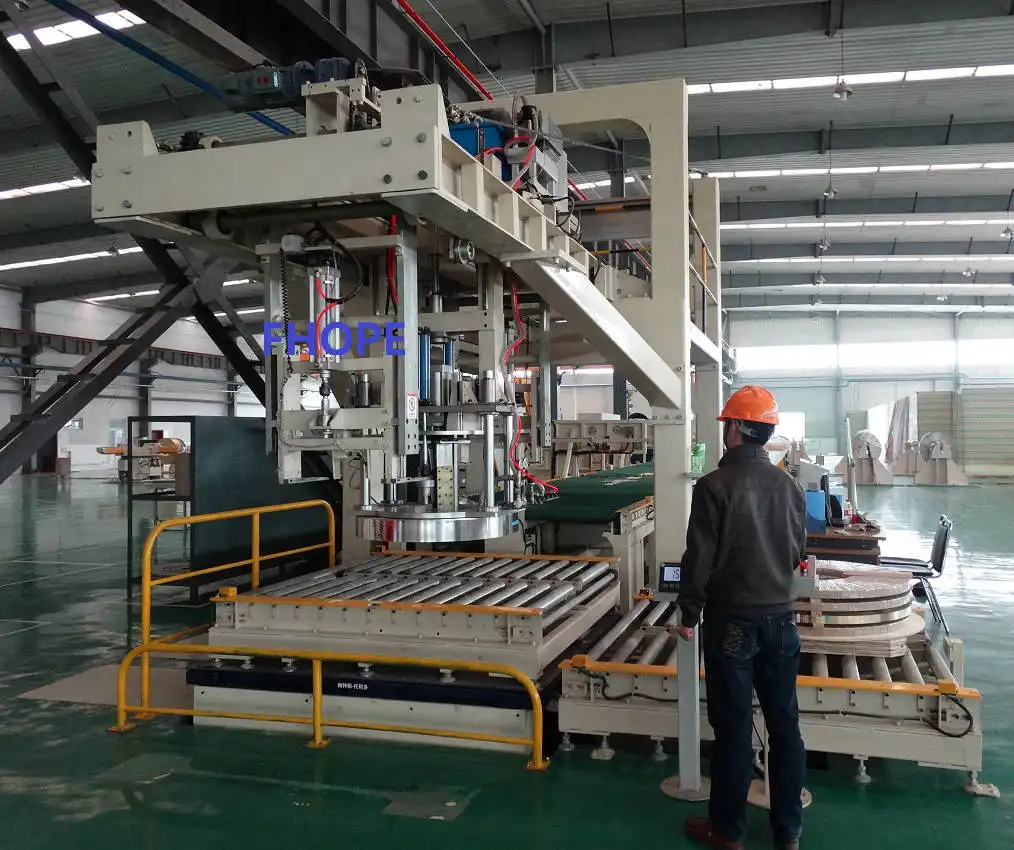
Investing in advanced steel coil packaging automation is not just about keeping pace with industry trends; it's about making a strategic move to enhance safety, improve quality, reduce costs, and build a more sustainable and competitive operation for the future. The multifaceted benefits deliver a compelling return on investment and position steel businesses for long-term success in a demanding global market.
Conclusion
In conclusion, advanced steel coil packaging lines represent a paradigm shift in the steel industry. By embracing automation, integration, and a focus on efficiency, steel manufacturers and service centers can overcome the limitations of traditional packaging methods and unlock a wealth of benefits. From enhanced safety and improved product protection to reduced costs and increased throughput, the advantages of steel coil wrapping automation are undeniable. As the industry continues to evolve, investing in these advanced solutions is not just a matter of optimization, but a necessity for staying competitive and thriving in the global marketplace.


