
How to Achieve Seamless Coil Movement and Data Sync Between Slitting and Packing Lines
Are you tired of bottlenecks in your steel coil production? Imagine a world where slit coils flow smoothly from slitting to packing, data synchronized in real-time, eliminating errors and boosting efficiency. This isn't just a dream; it's achievable with the right approach to automation.
Seamless coil movement and data synchronization between slitting and packing lines are achieved through integrated automation systems. These systems utilize technologies like sensors, PLCs, and MES to track coils, automate handling, and ensure data consistency across production stages, leading to optimized workflow and reduced operational costs.
Ready to transform your coil production line? Let's explore how to make this seamless integration a reality for your operations.
The Evolution of Steel Coil Packing Lines
Remember the days of manual coil packing? Labor-intensive, slow, and prone to errors, it struggled to keep pace with modern production demands. The steel industry needed a change, a revolution in efficiency and precision.
Steel coil packing lines have evolved dramatically from manual operations to highly automated systems. Initially reliant on manual labor, the industry has embraced robotics, sensors, and data analytics to create seamless, efficient packing processes that enhance productivity, improve quality control, and reduce operational costs.
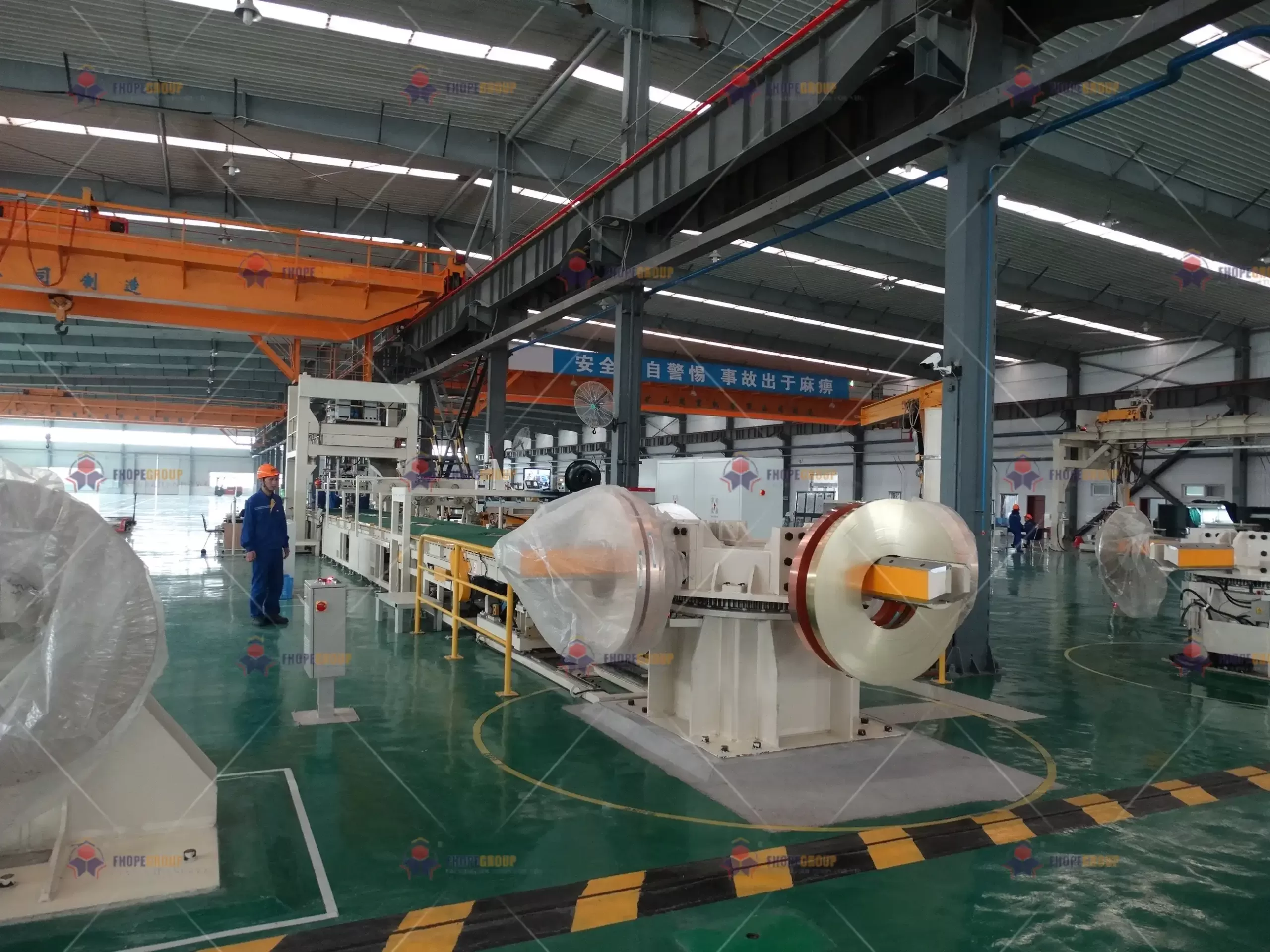
Manual vs. Automated Coil Packing: A Deep Dive
The transition from manual to automated coil packing represents a paradigm shift in steel manufacturing. Understanding the limitations of manual processes and the advantages of automation is crucial for making informed decisions about upgrading your production line. Let's break down the key differences.
Manual Coil Packing: Challenges and Limitations
Manual coil packing, while once the standard, faces significant challenges in today's high-demand environment:
- High Labor Costs: Manual packing requires a large workforce, leading to substantial wage expenses and increased overhead.
- Slow Throughput: Human operators can only pack coils at a limited speed, creating bottlenecks and hindering overall production volume.
- Safety Risks: Handling heavy steel coils manually poses significant safety hazards, increasing the risk of workplace injuries and compensation claims.
- Inconsistent Quality: Manual processes are prone to human error, resulting in inconsistent packaging quality and potential product damage.
- Limited Data Collection: Manual systems lack real-time data capture, making it difficult to track performance, identify inefficiencies, and optimize processes.
Automated Coil Packing: Benefits and Advancements
Automated coil packing lines offer a compelling solution to overcome the limitations of manual processes:
- Reduced Labor Dependency: Automation significantly reduces the need for manual labor, lowering wage costs and mitigating labor shortages.
- Increased Efficiency and Throughput: Automated systems operate at much higher speeds, dramatically increasing packing line throughput and overall production efficiency.
- Enhanced Safety: Robots and automated machinery handle heavy lifting and repetitive tasks, creating a safer working environment and reducing workplace injuries.
- Improved Quality and Consistency: Automated systems ensure precise and consistent packaging, minimizing errors and reducing the risk of product damage during transit.
- Real-time Data and Optimization: Integrated sensors and data analytics provide real-time insights into line performance, enabling data-driven optimization and continuous improvement.
Comparative Analysis: Manual vs. Automated Coil Packing
To highlight the stark contrast, consider the following comparison:
| Feature | Manual Coil Packing | Automated Coil Packing |
|---|---|---|
| Efficiency | Low | High |
| Throughput | Limited | Significantly Higher |
| Labor Costs | High | Low |
| Safety | High Risk of Injury | Reduced Risk of Injury |
| Packaging Quality | Inconsistent, Error-Prone | Consistent, Precise |
| Data Collection | Minimal, Labor-Intensive | Real-time, Comprehensive |
| Scalability | Difficult to Scale | Easily Scalable |
| Material Waste | Higher, Due to Inconsistency | Lower, Optimized Material Usage |
| Operational Costs | Higher Overall | Lower Overall |
The data clearly illustrates the superior performance and long-term benefits of automated coil packing lines. By embracing automation, steel manufacturers can achieve significant improvements across all critical aspects of their packing operations.
Robotic Coil Handling and Data Precision
Manual coil handling is a recipe for inefficiency and potential damage. Imagine robots effortlessly lifting and positioning heavy coils with pinpoint accuracy, not only speeding up the process but also generating precise data at each step.
Robotic coil handling revolutionizes coil movement, ensuring seamless transfer and providing precise data for tracking and synchronization. These advanced systems use sensors and sophisticated programming to manage coils of various sizes and weights, minimizing manual intervention and maximizing data accuracy for downstream processes.
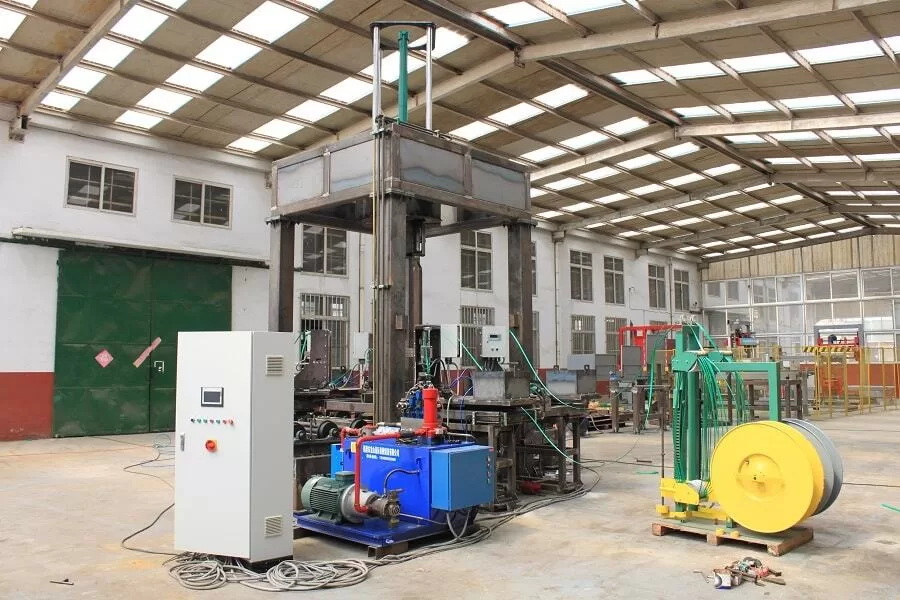
Precision in Motion: Data-Driven Robotic Handling
Robotic coil handling isn't just about replacing manual labor; it's about introducing a new level of precision and data integration into the coil production line. Let's explore how robotics achieves seamless movement and data accuracy.
Enhanced Precision and Reduced Damage
- Accurate Positioning: Robots equipped with advanced vision systems and sensors can position coils with millimeter accuracy, ensuring proper alignment for subsequent packaging stages. This precision minimizes the risk of coil damage from mishandling or improper placement.
- Gentle Handling: Robotic grippers are designed to handle coils securely yet gently, preventing scratches, dents, or deformations. This is particularly crucial for delicate materials or coils with sensitive surface finishes.
- Consistent Movement: Robots operate with consistent speed and motion profiles, eliminating the variability and jerky movements associated with manual handling. This smooth, predictable movement contributes to a more stable and efficient workflow.
Real-time Data Acquisition and Tracking
- Integrated Sensors: Robotic handling systems are equipped with sensors that capture critical data during coil movement, such as weight, dimensions, and position. This data is collected in real-time and can be seamlessly integrated with the production line's central data system.
- Coil Tracking and Traceability: By tracking each coil's movement from slitting to packing, robotic systems enable complete traceability throughout the production process. This data can be used for quality control, inventory management, and order fulfillment.
- Data Synchronization: The real-time data generated by robotic handling is crucial for synchronizing operations between slitting and packing lines. This data ensures that the packing line is always prepared for incoming coils, eliminating delays and optimizing workflow.
Data Points from Robotic Coil Handling: Examples
To illustrate the data precision, consider these examples of data points captured and utilized by robotic coil handling systems:
| Data Point | Sensor Type | Application in Seamless Movement & Data Sync |
|---|---|---|
| Coil Weight | Load Cells | Verifying coil weight against production orders, optimizing packing material usage |
| Coil Dimensions | Laser Scanners | Selecting appropriate packaging parameters, ensuring correct gripper selection |
| Coil Position | Vision Systems, Encoders | Precise placement in wrapping and strapping stations, tracking coil location |
| Handling Time | Timers, PLCs | Monitoring cycle times, identifying bottlenecks, optimizing robot programming |
| Error Codes | System Diagnostics | Real-time fault detection, predictive maintenance, minimizing downtime |
By leveraging these data points, manufacturers can gain unprecedented insights into their coil handling processes, optimize robotic operations, and ensure seamless data synchronization across the entire production line. Robotic precision becomes the foundation for data-driven efficiency in steel coil manufacturing.
Intelligent Data Synchronization for Slitting and Packing
Imagine the chaos if your slitting line operated in a vacuum, disconnected from the packing line. Without synchronized data, coils could pile up, packing machines could sit idle, and errors could multiply. Data synchronization is the bridge that connects these critical stages.
Intelligent data synchronization is the linchpin for seamless coil movement, ensuring that information flows smoothly between slitting and packing lines. This synchronization eliminates data silos, prevents bottlenecks, and enables real-time adjustments for optimized production flow and minimized downtime.
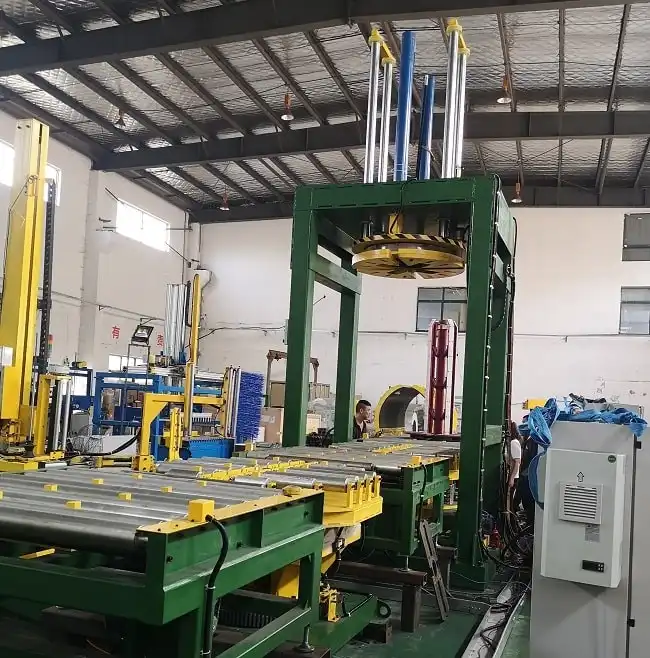
Bridging the Data Gap: Real-Time Information Flow
Data synchronization is not merely about transferring data; it's about creating a dynamic, responsive system where information fuels efficiency. Let's explore the key aspects of intelligent data synchronization.
Real-time Data Acquisition from Slitting Lines
- Sensor Integration at Slitting: Sensors integrated into the slitting line capture crucial data as coils are processed, including coil ID, dimensions, weight, and slitting parameters. This data is the starting point for synchronization.
- PLC Communication: Programmable Logic Controllers (PLCs) on the slitting line act as data aggregators, collecting sensor data and transmitting it to a central Manufacturing Execution System (MES) or directly to the packing line control system.
- Wireless Data Transmission: Robust wireless communication protocols ensure reliable and fast data transfer, even in demanding industrial environments. This eliminates the need for cumbersome wiring and allows for flexible line configurations.
Data Integration and Communication Protocols
- Standardized Data Formats: Using standardized data formats, such as XML or JSON, ensures seamless data exchange between different systems and software applications. This interoperability is crucial for integrating slitting and packing lines from different vendors.
- MES Integration: A Manufacturing Execution System (MES) acts as the central hub for data synchronization. The MES collects data from both slitting and packing lines, providing a holistic view of the production process and enabling coordinated control.
- Communication Protocols: Industrial communication protocols like PROFINET, EtherNet/IP, and Modbus TCP facilitate real-time data exchange between PLCs, sensors, robots, and the MES. These protocols are designed for reliability and speed in demanding industrial settings.
Benefits of Data Synchronization: A Table View
The impact of data synchronization is best understood by examining its tangible benefits across various operational aspects:
| Benefit Area | Impact of Data Synchronization | Example |
|---|---|---|
| Production Planning | Optimized scheduling based on real-time slitting output, reduced lead times | Packing line prepares for specific coil types and quantities in advance |
| Inventory Management | Accurate tracking of coil inventory between slitting and packing, minimized WIP | Real-time updates on coil availability, reducing stockouts and overstocking |
| Quality Control | Immediate feedback on slitting quality to packing, proactive defect prevention | Packing line adjusts parameters based on detected slitting imperfections |
| Operational Efficiency | Reduced waiting times, minimized bottlenecks, increased overall throughput | Continuous flow of coils from slitting to packing without manual intervention |
| Error Reduction | Automated data transfer eliminates manual data entry errors, improved data accuracy | Consistent coil identification and tracking throughout the production process |
Intelligent data synchronization transforms disconnected production stages into a cohesive, data-driven ecosystem, maximizing efficiency and minimizing errors in steel coil manufacturing. It is the digital thread that weaves together slitting and packing into a seamless operation.
Optimizing Overall Line Efficiency Through Integration
Achieving seamless coil movement and data synchronization is not just about individual processes; it's about optimizing the entire production line. Imagine a symphony where every instrument plays in perfect harmony – that's the level of efficiency we're aiming for.
Seamless coil movement and synchronized data are the cornerstones of an efficient steel coil production line. By integrating these elements, manufacturers can unlock significant improvements in throughput, reduce waste, minimize downtime, and achieve a higher level of operational excellence.
Optimizing overall line efficiency requires a holistic approach that considers every aspect of the production process, from slitting to final packaging. This involves not only implementing advanced automation technologies but also strategically designing the line layout and optimizing material flow. Let's explore the key strategies for achieving peak efficiency.
- Streamlined Material Flow: A well-designed line layout minimizes material handling distances and eliminates unnecessary movements. Conveyor systems, automated guided vehicles (AGVs), and robotic transfer stations ensure a smooth and continuous flow of coils between slitting and packing. This reduces cycle times and minimizes the risk of bottlenecks.
- Reduced Downtime through Predictive Maintenance: Data synchronization enables predictive maintenance by providing real-time insights into equipment performance. Sensors monitor machine parameters, and AI-powered analytics identify potential issues before they lead to breakdowns. This proactive approach minimizes unplanned downtime and maximizes line uptime.
- Waste Reduction through Optimized Packaging: Seamless data flow allows for precise control over packaging material usage. Coil dimensions and weight data are used to optimize wrapping and strapping parameters, minimizing material waste and reducing packaging costs. Furthermore, data analytics can identify patterns in material consumption, enabling continuous improvement in packaging efficiency.
- Enhanced Throughput and Productivity: The combined effect of streamlined material flow, reduced downtime, and optimized processes leads to a significant increase in overall line throughput and productivity. Manufacturers can produce more coils in less time, meeting increasing customer demands and improving profitability.
- Improved Quality Control and Traceability: Integrated data systems provide a complete record of each coil's journey through the production line, from slitting to packing. This enhanced traceability enables rapid identification and resolution of quality issues, minimizing defects and improving customer satisfaction.
By focusing on these key areas and leveraging the power of seamless coil movement and data synchronization, steel manufacturers can transform their production lines into highly efficient, responsive, and profitable operations. The integrated approach is not just about automation; it's about creating a smart, data-driven ecosystem that optimizes every aspect of coil production.
Conclusion
In today's competitive steel market, efficiency is no longer optional – it's essential. Achieving seamless coil movement and data synchronization between slitting and packing lines is the key to unlocking unprecedented levels of productivity, quality, and cost-effectiveness. By embracing integrated automation and data-driven strategies, steel manufacturers can not only optimize their current operations but also future-proof their businesses for long-term success in the age of [steel coil packing line] automation.


