
Essential Considerations for Precision Steel Coil Packing and Automatic Stacking Solutions
Imagine the sheer weight and unwieldiness of steel coils, each a potential hazard if mishandled. Damaged coils, jeopardized schedules, and dissatisfied clients—the stakes are undeniably high. Are you equipped with packaging and stacking solutions that not only protect your product but also optimize your operations?
Precision steel coil packing and automatic stacking solutions are paramount for ensuring product integrity and operational efficiency. By addressing unique challenges, mitigating damage risks, and implementing best practices, businesses can safeguard their steel coils and streamline logistics. This article delves into the essential considerations for achieving optimal coil handling and packaging.
Ready to transform your steel coil handling from a potential liability into a competitive advantage? Let's explore the critical elements.
Navigating the Unique Challenges of Steel Coil Packaging
Steel coils aren't your average product; their immense weight, cylindrical shape, and susceptibility to corrosion present a distinct set of packaging dilemmas. Ignoring these unique challenges is akin to navigating a minefield blindfolded – costly damages and operational disruptions are almost inevitable. Are you aware of the specific hurdles hindering your steel coil packaging process?
Steel coil packaging is uniquely challenging due to the material's weight, shape, and vulnerability to damage like corrosion and deformation. Standard packaging methods are often inadequate, necessitating tailored solutions. Specialized equipment and careful material selection are crucial to overcome these challenges, ensuring safe and efficient handling throughout the supply chain.
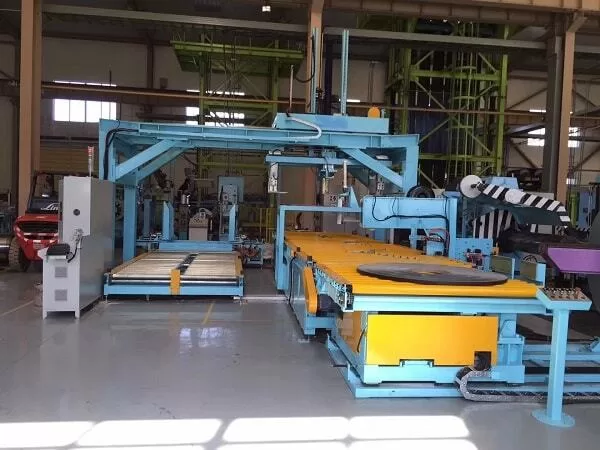
Decoding the Steel Coil Packaging Puzzle: Weight, Shape, and Fragility
Effectively packaging steel coils transcends simply wrapping them up; it's about mastering a complex puzzle with interconnected pieces. Each coil presents a unique combination of challenges related to weight, shape, and fragility, demanding a nuanced approach to ensure safe transit and storage. Let's dissect these core challenges:
The Weight Factor: Handling the Heavyweights
The sheer weight of steel coils—often ranging from several tons to over 40 tons—presents significant handling and transportation challenges.
- Impact: Heavy coils are difficult to maneuver manually, increasing the risk of accidents and injuries during handling. Traditional forklifts and handling methods may struggle, leading to slow operations and potential damage to both the coils and equipment. Transportation becomes complex, requiring specialized vehicles and securement methods.
- Solutions: Robust pallet inverters and heavy-duty lifting equipment are essential. Automated guided vehicles (AGVs) and specialized cranes, like those used in advanced warehouse systems, can streamline movement and minimize manual intervention. Investing in equipment designed for heavy lifting not only enhances safety but also significantly speeds up handling processes.
The Shape Conundrum: Stabilizing Cylindrical Loads
Steel coils' cylindrical shape adds another layer of complexity. Their tendency to roll and the lack of flat surfaces make them inherently unstable during packaging, storage, and transportation.
- Impact: Without proper stabilization, coils can shift or roll during transit, causing damage to the coils themselves, other cargo, and even posing safety risks. Securing cylindrical objects requires specialized techniques and materials that go beyond standard rectangular packaging approaches.
- Solutions: Employing coil upenders and tilters allows for controlled manipulation of coil orientation, facilitating easier wrapping and strapping. Custom-designed saddles and cradles provide stable support during packaging and transport. Strategic strapping and wrapping techniques, combined with robust edge protection, are crucial to prevent movement and maintain coil integrity.
Fragility and Corrosion: Protecting Material Integrity
Despite their robust appearance, steel coils are surprisingly susceptible to damage. Surface scratches, deformation, and, most critically, corrosion can significantly degrade the quality and value of the steel.
- Impact: Exposure to moisture, humidity, and harsh weather conditions can lead to rust and corrosion, compromising the coil's structural integrity and surface finish. Physical impacts during handling and transit can cause dents, scratches, and edge damage, reducing the material's usability and market value.
- Solutions: Applying protective wrapping techniques using VCI (Volatile Corrosion Inhibitor) films and moisture-barrier materials is paramount. Impact-resistant packaging materials, such as edge protectors and cushioning, should be used to minimize physical damage. Climate-controlled storage and transportation environments further mitigate the risk of corrosion and environmental damage.
By meticulously addressing these intertwined challenges – weight, shape, and fragility – businesses can move beyond merely containing steel coils to truly protecting their value and ensuring operational excellence. Failing to recognize and mitigate these challenges can lead to a cascade of negative consequences, as we will explore further.
| Challenge | Impact | Solution |
|---|---|---|
| Weight | Hard to handle, transport, safety risks | Robust pallet inverters, heavy-duty equipment |
| Shape | Difficult to stabilize, rolling hazards | Coil upenders, custom saddles, strapping |
| Corrosion Risk | Damages material integrity, quality loss | Protective wrapping, VCI films, dry storage |
Unveiling the Detrimental Effects of Improper Steel Coil Packaging
Improperly packaged steel coils are more than just an inconvenience; they are a ticking time bomb of potential problems. Imagine a domino effect where a simple packaging misstep triggers a chain reaction of damages, delays, and escalating costs. Are you fully aware of the far-reaching consequences stemming from inadequate steel coil packaging?
Improper packaging of steel coils leads to coil damage, safety hazards, and increased operational costs. Damaged coils result in quality reduction and potential returns. Safety is compromised during handling and transportation, increasing accident risks. Inefficiencies in shipping and handling further elevate expenses, highlighting the critical need for robust packaging solutions.
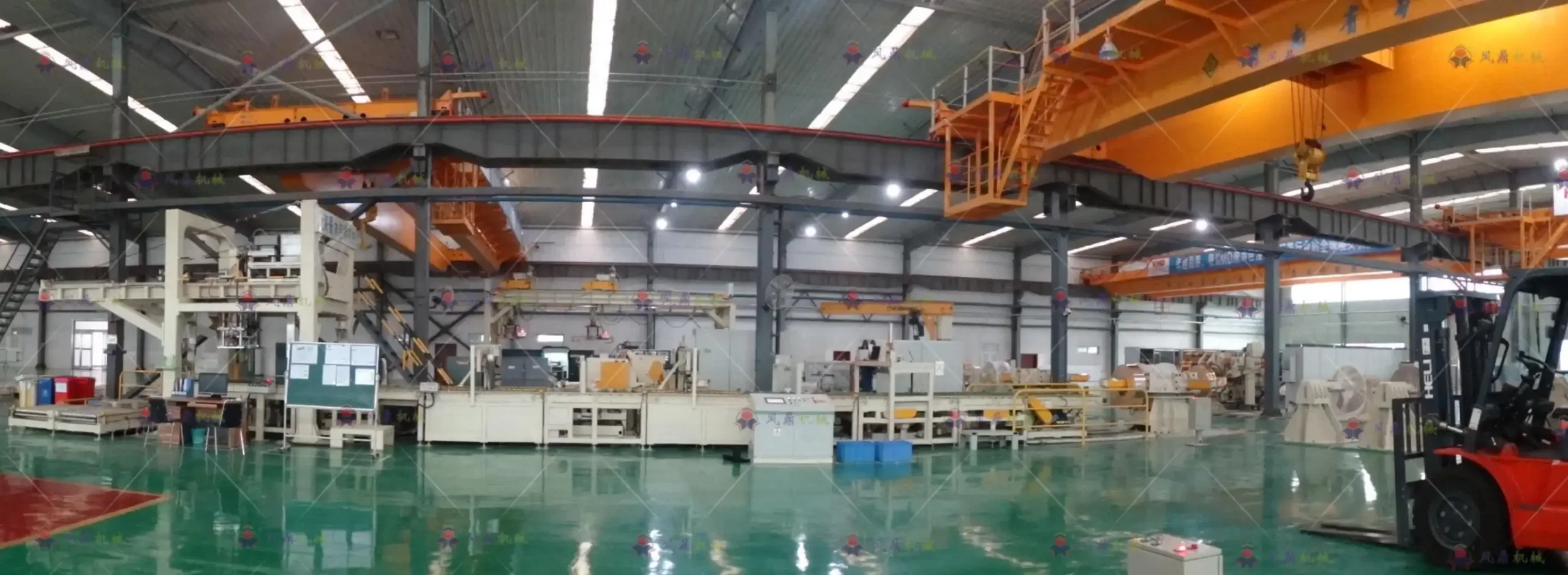
The Ripple Effect: Coil Damage, Safety Risks, and Cost Escalation
The ramifications of inadequate steel coil packaging extend far beyond superficial damage. They penetrate deep into operational efficiency, safety protocols, and ultimately, the bottom line. Let's dissect the cascading consequences of packaging missteps:
Coil Damage and Quality Compromise: Eroding Product Value
The most immediate and tangible consequence of improper packaging is direct damage to the steel coils themselves. This damage manifests in various forms, all detrimental to the product's quality and marketability.
- Impact: Exposure to moisture and humidity due to inadequate weatherproofing leads to rust and corrosion, significantly degrading the steel's surface finish and structural integrity. Insufficient protection against mechanical impacts during handling and transit results in dents, scratches, and deformations, diminishing the coil's quality and potentially rendering it unusable for demanding applications. Studies indicate that inadequate packaging can increase the risk of coil damage by as much as 40%.
- Consequences: Damaged coils may be rejected by clients, leading to costly returns, replacements, and disruptions in production schedules. Even if accepted, damaged coils may require rework or downgrading, reducing their value and profitability. Ultimately, compromised coil quality erodes customer trust and brand reputation.
Safety Hazards in Handling and Transportation: Jeopardizing Personnel and Operations
Improperly packaged steel coils pose significant safety risks throughout the logistics chain. Unstable loads and inadequate protection create hazardous conditions for personnel involved in handling and transporting these heavy materials.
- Impact: Inadequate strapping or wrapping can lead to coils shifting or falling during handling and transportation, posing serious injury risks to workers. Improperly secured loads on trucks or trains can cause accidents during transit, endangering drivers and the public. Data suggests that approximately 30% of packaging-related incidents are attributable to insufficient packaging and handling practices.
- Consequences: Workplace accidents result in employee injuries, lost work time, and potential legal liabilities. Transportation accidents lead to cargo damage, vehicle damage, and potentially severe consequences, including fines, delays, and reputational damage. Safety incidents disrupt operations, erode employee morale, and increase insurance premiums.
Increased Operational Costs: Fueling Inefficiencies and Losses
Beyond direct damage and safety incidents, improper packaging indirectly inflates operational costs across various areas. Inefficiencies in handling, increased return rates, and higher material consumption all contribute to a significant financial burden.
- Impact: Damaged coils returned by customers necessitate costly reverse logistics, including inspection, repackaging, and reshipment. Replacing damaged goods adds to production costs and delays order fulfillment. Inefficient packaging processes, often stemming from manual methods or inadequate equipment, increase labor costs and extend packaging times. Overuse of packaging materials due to imprecise application or lack of optimization further inflates expenses. Studies suggest that returns due to defects can increase operational costs by up to 20%.
- Consequences: Elevated operational costs directly impact profitability, reducing competitiveness and hindering business growth. Inefficiencies in the supply chain lead to longer lead times, impacting customer satisfaction and potentially driving customers to seek more reliable suppliers. Uncontrolled packaging material consumption strains budgets and contributes to environmental waste.
In essence, improper steel coil packaging is a costly oversight that businesses can ill afford. Investing in robust packaging solutions is not merely an expense; it's a strategic investment in product quality, operational safety, cost efficiency, and long-term sustainability.
| Issue | Cause | Effect |
|---|---|---|
| Coil Damage | Exposure to weather, mechanical impacts | Corrosion, physical damage, quality reduction |
| Safety Hazards | Inadequate packaging, handling errors | Increased risk of accidents, injuries |
| Increased Costs | Returns, replacements, inefficiencies | Elevated operational expenses, lost profits |
Implementing Best Practices for Steel Coil Packaging Excellence
Knowing the challenges and consequences of poor packaging is only half the battle. The true game-changer lies in proactively implementing best practices that transform steel coil packaging from a vulnerability into a strength. Are you ready to elevate your packaging process to world-class standards?
Best practices for steel coil packaging include rigorous material selection, embracing automated systems, and prioritizing continuous staff training. These measures ensure superior coil protection, optimize operational workflows, and contribute to long-term cost savings and enhanced customer satisfaction.
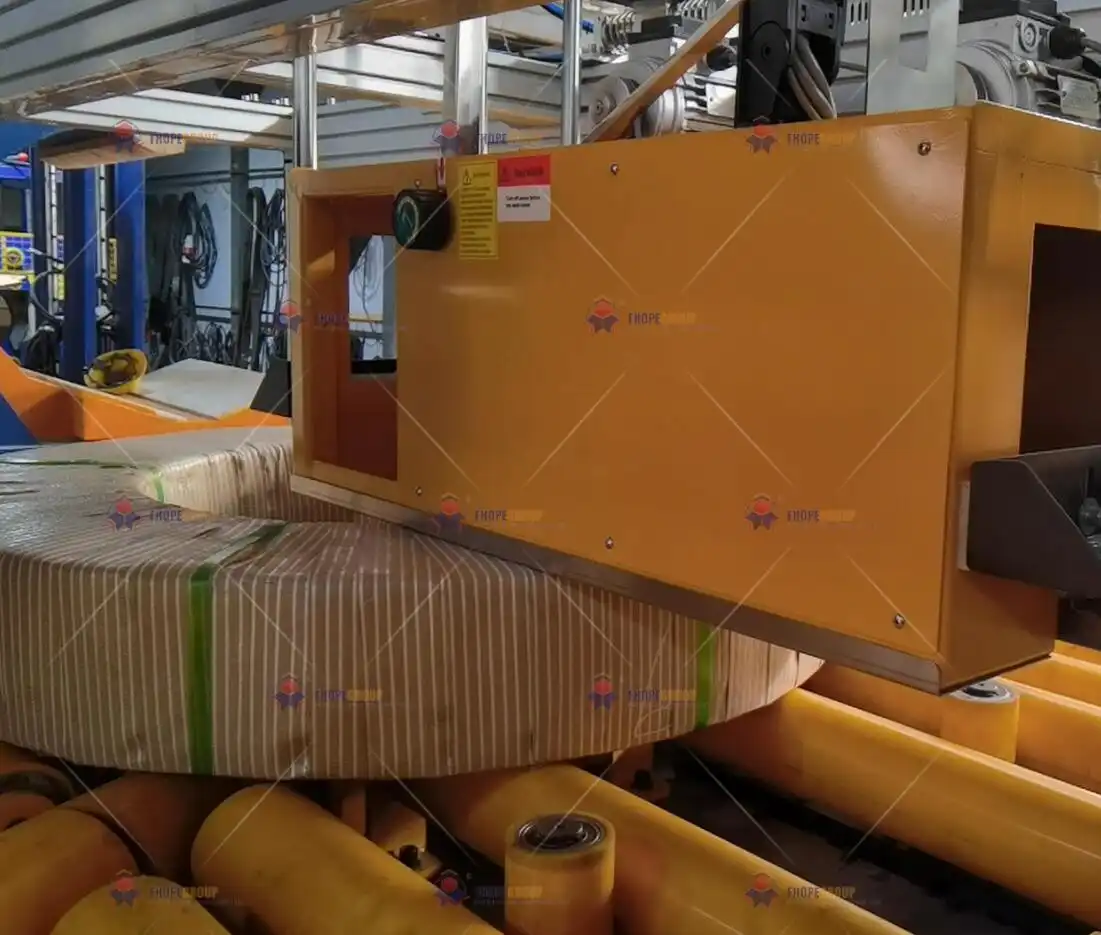
Elevating Standards: Material Selection, Automation, and Training
Achieving excellence in steel coil packaging is a holistic endeavor, requiring a multi-faceted approach that encompasses material science, technological innovation, and human capital development. Let's delve into the core pillars of best-in-class packaging practices:
Strategic Material Selection: The Foundation of Protection
Choosing the right packaging materials is not merely a procurement decision; it's the cornerstone of effective coil protection. Selecting materials that are precisely tailored to the specific demands of steel coil packaging is paramount.
- Best Practices: Opt for high-strength, weather-resistant films that provide robust barriers against moisture, UV radiation, and physical abrasion. Utilize VCI (Volatile Corrosion Inhibitor) films to actively prevent corrosion, especially for long-term storage or transport in humid environments. Incorporate edge protectors made from durable materials like cardboard, plastic, or steel to shield coil edges from damage during handling and strapping. Consider using cushioning materials, such as foam or corrugated cardboard, for added impact protection, particularly for sensitive coil surfaces.
- Benefits: Advanced materials significantly reduce the risk of corrosion, physical damage, and environmental degradation, leading to lower return rates and fewer quality-related claims. A survey of manufacturing facilities revealed that companies using advanced packaging materials experienced a 30% reduction in product returns. High-quality materials enhance the overall presentation of the packaged coils, projecting a professional image and reinforcing customer confidence.
Embracing Automation: Precision, Efficiency, and Consistency
Automation is no longer a futuristic concept in steel coil packaging; it's a present-day necessity for achieving optimal efficiency, consistency, and safety. Automated systems minimize human error, accelerate processes, and enhance packaging quality.
- Best Practices: Implement automated coil wrapping machines that apply stretch film or other wrapping materials with consistent tension and overlap, ensuring uniform protection across the entire coil surface. Integrate automated strapping machines that apply straps with precise tension and placement, securely fastening the coil for safe handling and transport. Utilize automated stacking systems to efficiently and safely stack packaged coils, maximizing storage space and minimizing manual labor. Explore robotic solutions for coil handling and manipulation, further reducing manual intervention and enhancing safety.
- Benefits: Automation ensures consistent adherence to packaging guidelines and precision in application, significantly reducing human error and variability. Companies employing automation report a reduction in packaging time and errors, with a reported efficiency increase of 25%. Automated systems enhance worker safety by minimizing manual handling of heavy coils and reducing exposure to repetitive tasks. Automation optimizes material usage, minimizing waste and lowering packaging material costs.
Investing in Training and Skill Development: Empowering Human Expertise
Even in highly automated environments, human expertise remains indispensable. Properly trained personnel are crucial for operating and maintaining automated systems, ensuring quality control, and adapting to evolving packaging requirements.
- Best Practices: Provide comprehensive hands-on training for operators on the operation, maintenance, and troubleshooting of automated packaging equipment. Conduct regular training sessions to update staff on new packaging materials, technologies, and best practices. Implement quality control training programs to equip personnel with the skills to identify and address packaging defects. Foster a culture of continuous improvement by encouraging employee feedback and incorporating their insights into process optimization.
- Benefits: Well-trained staff are better equipped to operate automated systems effectively, maximizing their potential and minimizing downtime. Updated knowledge of equipment and materials ensures that teams can proactively address challenges and maintain high packaging standards. Training programs demonstrably reduce packaging-related incidents and errors; quarterly training programs have shown a decrease in incidents by 15%. A skilled and engaged workforce contributes to a culture of quality and continuous improvement, driving sustained packaging excellence.
By strategically integrating material selection, automation, and training, businesses can establish a robust steel coil packaging system that not only protects their products but also enhances operational efficiency, reduces costs, and strengthens their competitive position in the market.
| Practice | Benefits | Result |
|---|---|---|
| Material Selection | Reduces corrosion and physical damage | Lower return rates, improved product quality |
| Automation | Ensures consistency, efficiency, safety | Reduced errors, time savings, safer operations |
| Training & Development | Updates staff knowledge and skills | Decreased incidents, enhanced expertise |
Revolutionizing Logistics with Automatic Stacking Solutions
The journey of a steel coil doesn't end at packaging; efficient stacking is the crucial next step, impacting storage density, warehouse safety, and overall logistics flow. Imagine a warehouse where coils are stacked with robotic precision, maximizing space utilization and minimizing handling risks. Are you leveraging the power of automatic stacking to optimize your steel coil logistics?
Automatic stacking solutions are essential for optimizing space and enhancing safety in steel coil warehousing. By automating the stacking process, businesses can improve storage density, reduce manual labor, minimize damage risks, and streamline material flow within the warehouse and during loading/unloading processes.
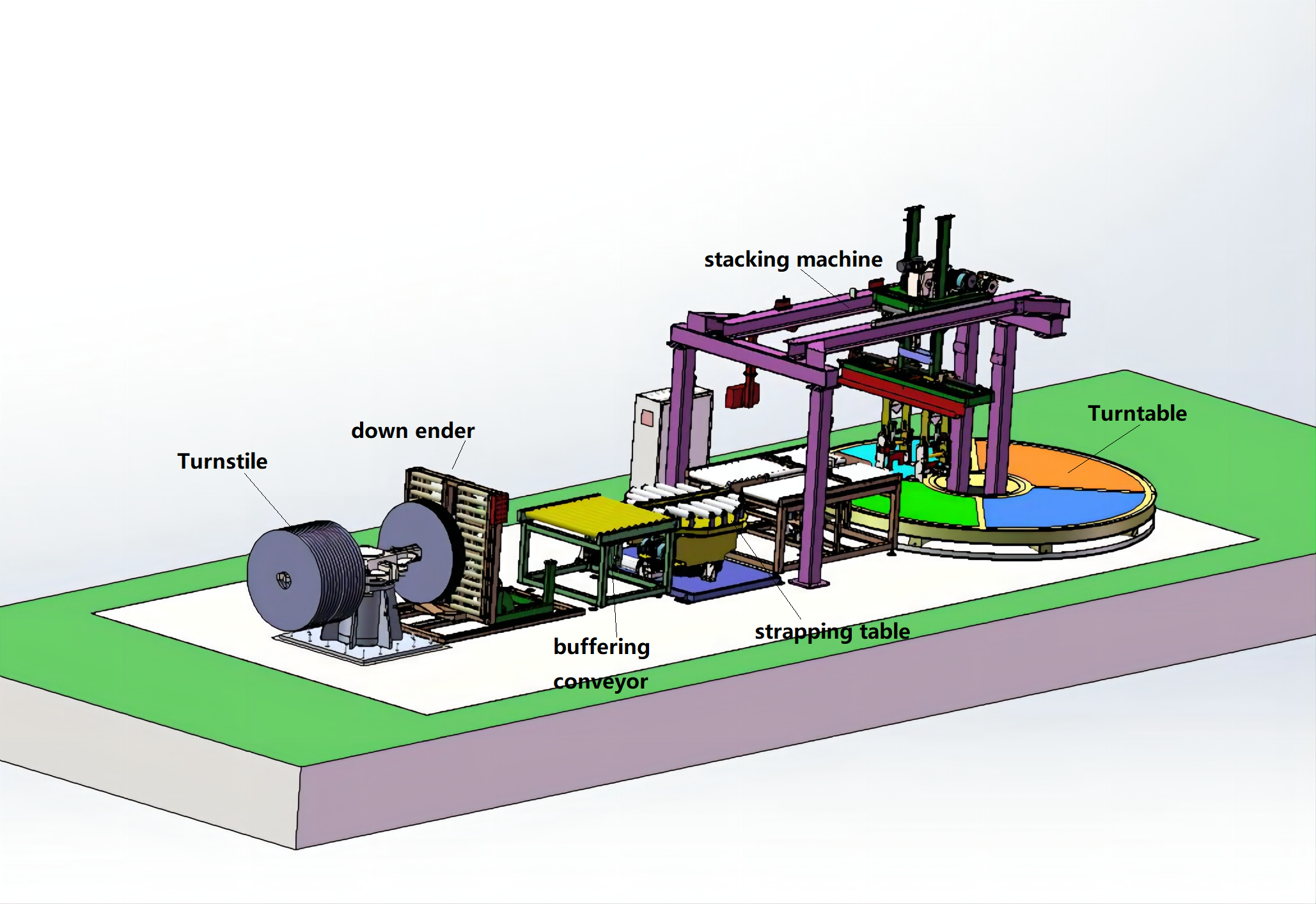
Stacking Smart: Automation for Space Optimization and Safety Enhancement
Beyond individual coil packaging, the efficient and safe stacking of these heavy cylindrical objects is a critical logistical challenge. Automatic stacking solutions offer a transformative approach, bringing precision, space optimization, and enhanced safety to steel coil warehousing. Let's explore the key aspects of this technology:
Maximizing Space Utilization: Vertical Storage Strategies
Traditional manual stacking methods often result in inefficient space utilization, with gaps between coils and limitations on stacking height due to safety concerns. Automatic stacking systems overcome these limitations by enabling precise vertical stacking and optimized coil placement.
- Capabilities: Automated stacking machines, often integrated with warehouse management systems (WMS), can calculate optimal stacking patterns based on coil dimensions and weight, maximizing storage density. Robotic stacking arms and specialized grippers allow for precise placement of coils in vertical stacks, minimizing gaps and maximizing vertical space utilization. Advanced sensor technology ensures accurate coil positioning and prevents collisions or misalignments during stacking.
- Benefits: Increased storage capacity within the same footprint, reducing warehousing costs and potentially delaying or eliminating the need for warehouse expansion. Improved warehouse organization and accessibility, streamlining retrieval processes and reducing search times. Optimized space utilization translates to lower storage costs per coil and improved inventory management.
Enhancing Safety Protocols: Minimizing Manual Handling Risks
Manual coil stacking is inherently risky, exposing workers to the dangers of heavy lifting, awkward movements, and potential coil rollovers. Automatic stacking solutions significantly reduce these risks by automating the heavy lifting and precise placement tasks.
- Capabilities: Automated systems eliminate the need for manual lifting and maneuvering of heavy coils, minimizing the risk of strain injuries, back injuries, and other musculoskeletal disorders among warehouse personnel. Safety sensors and emergency stop mechanisms are integrated into automatic stacking machines to prevent accidents and ensure operator safety. Automated systems ensure consistent and stable stacking patterns, reducing the risk of coil collapses or rollovers, creating a safer warehouse environment.
- Benefits: Reduced workplace accidents and injuries, leading to lower insurance premiums and improved employee morale. A safer work environment enhances employee well-being and reduces lost work time due to injuries. Improved safety protocols contribute to a more efficient and productive workforce, as employees feel secure and confident in their working environment.
Streamlining Material Flow: Integration with Warehouse Systems
Automatic stacking solutions are not isolated units; they are often integrated components of larger automated warehouse systems. This integration enables seamless material flow, from receiving to storage to retrieval and shipping.
- Capabilities: Integration with WMS allows for automated tracking of coil locations, quantities, and stacking patterns, providing real-time inventory visibility. Automated guided vehicles (AGVs) or conveyors can be integrated with stacking systems to transport coils to and from storage locations, further automating material flow. Data analytics and reporting capabilities within WMS provide insights into stacking efficiency, space utilization, and material movement patterns, enabling continuous process optimization.
- Benefits: Streamlined material flow reduces bottlenecks and delays in warehousing operations, improving overall efficiency and throughput. Real-time inventory visibility enhances inventory management accuracy and reduces the risk of stockouts or overstocking. Data-driven insights enable continuous improvement in warehouse operations, optimizing stacking strategies and material handling processes for maximum efficiency and cost savings.
Automatic stacking solutions represent a paradigm shift in steel coil warehousing, moving from labor-intensive, space-constrained, and potentially hazardous manual methods to automated, space-optimized, and safety-focused operations. By embracing this technology, businesses can unlock significant improvements in warehouse efficiency, safety, and overall logistical performance.
Conclusion
In the demanding landscape of steel manufacturing, precision and efficiency in coil handling are non-negotiable. By prioritizing essential considerations in precision steel coil packing and automatic stacking solutions, businesses can transform potential liabilities into strengths. Investing in robust packaging, embracing automation, and implementing intelligent warehouse system not only safeguards valuable steel coils but also streamlines operations, reduces costs, and enhances competitiveness in the global market. The future of steel coil handling lies in smart, automated solutions that ensure both product integrity and operational excellence.


