
How Steel Coil Packing Lines Handle Data Exchange and Intelligent Material Flow
Are you still grappling with outdated, manual processes for steel coil packaging, plagued by data silos and inefficient workflows? Imagine a world where your steel coil packing line operates with seamless data exchange and intelligent material flow, optimizing every step from slitting to shipping.
Steel coil packing lines expertly manage data exchange and intelligent material flow through integrated PLC systems, sensor networks, and IoT technologies. This ensures real-time tracking, automated adjustments, and optimized packaging processes, leading to enhanced efficiency, reduced errors, and streamlined operations.
Dive into this comprehensive guide to explore how modern steel coil packing lines are revolutionizing the industry with data-driven intelligence.
Level 1,2,3 Control: The Foundation of Data Exchange in Coil Packing
Manually operated coil packing lines are prone to errors, delays, and a lack of real-time visibility. This not only impacts productivity but also increases operational costs and the risk of damage to valuable steel coils. Isn't it time to elevate your coil packing process with sophisticated data exchange?
Modern steel coil packing lines utilize a hierarchical control system – Level 1, 2, and 3 – to ensure seamless data exchange and operational efficiency. Level 1 focuses on basic automation and machine control, Level 2 manages process monitoring and optimization, and Level 3 integrates with plant-wide systems for comprehensive data management and production planning. This multi-layered approach ensures every coil is tracked, processed, and packaged with precision.
Implementing a Level 1, 2, and 3 control system in steel coil packing lines is not merely an upgrade; it's a strategic shift towards intelligent manufacturing. By integrating these control levels, manufacturers gain granular control over their entire packaging process, enhancing efficiency and minimizing potential errors. Let's break down each level to understand their individual and collective roles:
Decoding the Levels of Control in Automated Packing Lines:
To truly appreciate the power of Level 1, 2, and 3 control, it's crucial to understand what each level entails and how they interact within a steel coil packing line.
Level 1: The Automation Engine
Level 1 control is the bedrock of automation. This level directly interacts with the machinery on the packing line, encompassing PLCs (Programmable Logic Controllers), sensors, and actuators. It's responsible for executing basic commands and ensuring the smooth operation of individual machines like wrappers, strappers, and conveyors. Think of it as the muscle memory of the packing line, performing repetitive tasks with precision and speed.
Level 2: The Process Optimizer
Stepping up to Level 2, we encounter the supervisory layer. This level collects data from Level 1 devices and provides a real-time overview of the packing process. It uses SCADA (Supervisory Control and Data Acquisition) systems to monitor performance, track production metrics, and enable operators to intervene and adjust parameters. Level 2 is the brain, analyzing data to optimize throughput and maintain quality standards.
Level 3: The Enterprise Integrator
Level 3 control is where the packing line connects to the broader manufacturing ecosystem. This level integrates with MES (Manufacturing Execution Systems) and ERP (Enterprise Resource Planning) systems. It manages production scheduling, order fulfillment, inventory control, and quality reporting across the entire plant. Level 3 is the strategic command center, aligning packing operations with overall business objectives.
Synergistic Operation: Levels in Harmony
The true strength of this control hierarchy lies in the synergistic interaction between levels. Level 1 provides the operational groundwork, Level 2 optimizes the process using real-time data, and Level 3 ensures alignment with enterprise-level goals. This tiered approach allows for a flexible yet highly controlled manufacturing environment.
| Control Level | Focus | Key Technologies | Responsibilities | Benefits |
|---|---|---|---|---|
| Level 1 | Machine Control | PLCs, Sensors, Actuators | Direct machine operation, basic automation | Precision, speed, reliability, reduced manual intervention |
| Level 2 | Process Supervision | SCADA Systems | Real-time monitoring, process optimization, operator interface | Enhanced visibility, improved throughput, quality control, data-driven adjustments |
| Level 3 | Enterprise Integration | MES, ERP Systems | Production scheduling, inventory, quality reporting | Strategic alignment, optimized resource allocation, holistic plant management |
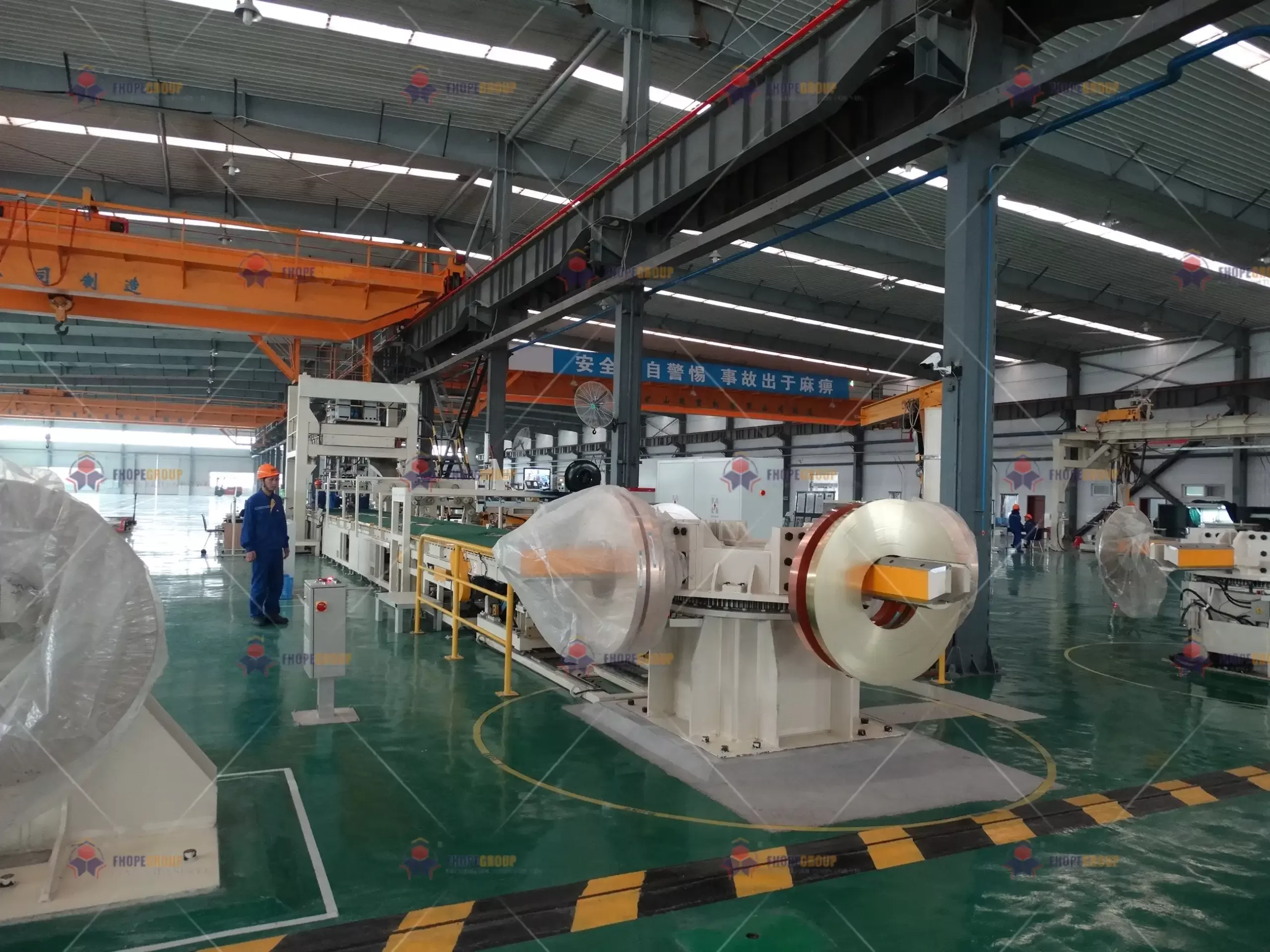
By implementing this layered control architecture, steel coil packing lines achieve unparalleled levels of automation and data integration. This not only streamlines operations but also provides a robust foundation for future advancements in smart manufacturing.
Intelligent Material Flow: Streamlining Coil Movement
Manual material handling in coil packing lines is not only labor-intensive but also introduces significant risks of bottlenecks, damage, and safety hazards. Imagine a material flow system so intelligent it anticipates needs, optimizes pathways, and ensures coils move seamlessly through each packaging stage.
Intelligent material flow in steel coil packing lines utilizes sensor-driven conveyors, automated guided vehicles (AGVs), and robotic arms to optimize coil movement. By integrating real-time tracking and adaptive routing algorithms, these systems ensure coils are efficiently transported through weighing, wrapping, strapping, and stacking stations, minimizing downtime and maximizing throughput. This results in a significant reduction in manual handling, improved safety, and enhanced operational speed.
Beyond simply moving coils from one station to another, intelligent material flow is about creating a dynamic, responsive system that optimizes every aspect of coil handling. Let’s delve deeper into the core components and benefits of this transformative approach.
- Reduced Downtime: Intelligent material flow minimizes bottlenecks and waiting times by dynamically adjusting conveyor speeds and AGV routes based on real-time demand. This ensures continuous operation and reduces unproductive downtime.
- Optimized Inventory: By tracking each coil's location and packaging status, the system provides accurate inventory data, preventing material shortages or overstocking, and optimizing storage space.
- Improved Throughput: Streamlined coil movement and minimized manual handling directly translate to higher throughput rates. Packing lines can process more coils in less time, significantly boosting productivity.
- Enhanced Safety: Automated material handling reduces the need for manual lifting and transport of heavy coils, drastically minimizing the risk of workplace injuries and creating a safer working environment.
- Cost Savings: Reduced labor costs, minimized material waste through efficient tracking, and increased throughput all contribute to significant operational cost savings and a quicker return on investment.
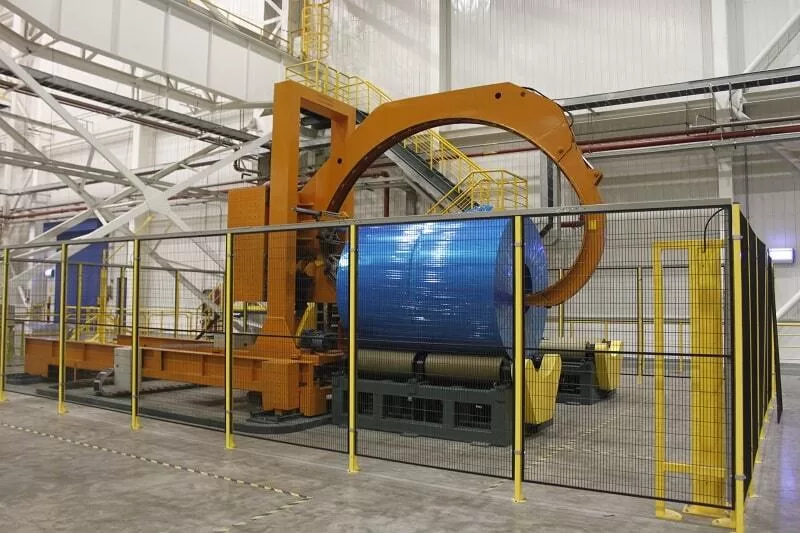
Intelligent material flow is not just about automation; it's about creating a smart, interconnected system that learns and adapts to optimize performance. By embracing these advanced technologies, steel coil manufacturers can transform their packing operations from a potential bottleneck into a powerhouse of efficiency and productivity.
Data Exchange for Diverse Coil Types and Packaging Needs
Are you struggling to manage the diverse packaging requirements for different steel coil types, leading to errors and inefficiencies? What if your packing line could intelligently adapt to each coil's specific needs, ensuring optimal protection and data accuracy every time?
Steel coil packing lines manage data exchange for diverse coil types by utilizing advanced sensor systems and flexible PLC programming. Sensors automatically identify coil dimensions, material, and weight, transmitting this data to the PLC. The PLC then adjusts packaging parameters—wrapping tension, strapping force, labeling details—in real-time to match the specific requirements of each coil type, ensuring customized and precise packaging.
Handling a variety of coil types, from delicate aluminum to heavy-gauge steel, demands a packing system that is not only robust but also incredibly adaptable. Modern coil packing lines achieve this versatility through sophisticated technologies and data-driven processes:
Technical Deep Dive: Adapting to Coil Diversity
To effectively handle diverse coil types, steel coil packing lines integrate several key technologies that work in concert to ensure flexibility and precision:
1. Advanced Sensor Technologies: The Eyes and Ears
- Dimensional Sensors: Laser scanners and vision systems accurately measure coil diameter, width, and thickness as they enter the packing line. This data is crucial for selecting the correct packaging materials and adjusting machine settings.
- Weight Sensors: High-precision load cells integrated into conveyor systems weigh each coil, providing essential data for strapping tension and handling protocols.
- Material Sensors: Spectrometers or eddy current sensors can identify the type of metal (steel, aluminum, copper, etc.), allowing the system to apply material-specific packaging procedures.
2. Flexible PLC Programming: The Intelligent Brain
- Recipe Management: PLCs are programmed with "recipes" for different coil types. These recipes contain pre-defined parameters for wrapping layers, strapping patterns, labeling formats, and stacking configurations.
- Real-time Adjustment Algorithms: Based on sensor data, the PLC dynamically adjusts machine parameters. For example, if a thinner gauge steel coil is detected, the PLC reduces strapping tension to prevent damage.
- Data Logging and Traceability: The PLC records all packaging parameters for each coil, linking this data to unique coil IDs. This ensures full traceability and provides valuable quality control information.
3. Data Management Systems: The Central Nervous System
- Centralized Databases: Packing line data is stored in centralized databases, accessible by Level 2 and Level 3 control systems. This facilitates comprehensive reporting, analysis, and integration with plant-wide systems.
- HMI (Human-Machine Interface): Operators can monitor real-time data, adjust recipes, and intervene manually if needed through intuitive HMIs. These interfaces provide a clear overview of the packing process and data flow.
- Cloud Connectivity (IoT): Many advanced systems leverage IoT for remote monitoring, predictive maintenance, and data analytics. Cloud platforms enable secure data sharing and collaboration across different departments and locations.
| Technology | Functionality | Benefit | Example Application |
|---|---|---|---|
| Dimensional Sensors | Measures coil size (diameter, width, thickness) | Precise packaging material usage, accurate machine adjustments | Automatically adjusting wrapper settings for different coil diameters |
| Weight Sensors | Measures coil weight | Optimal strapping tension, safe handling protocols | Adjusting strapping force for heavy vs. light coils |
| Material Sensors | Identifies coil material type (steel, aluminum, etc.) | Material-specific packaging procedures, corrosion prevention | Applying VCI paper for steel coils, protective film for aluminum |
| Flexible PLC Recipes | Stores pre-defined parameters for different coil types | Customized packaging, consistent quality across diverse products | Selecting pre-set wrapping and strapping parameters for each coil type |
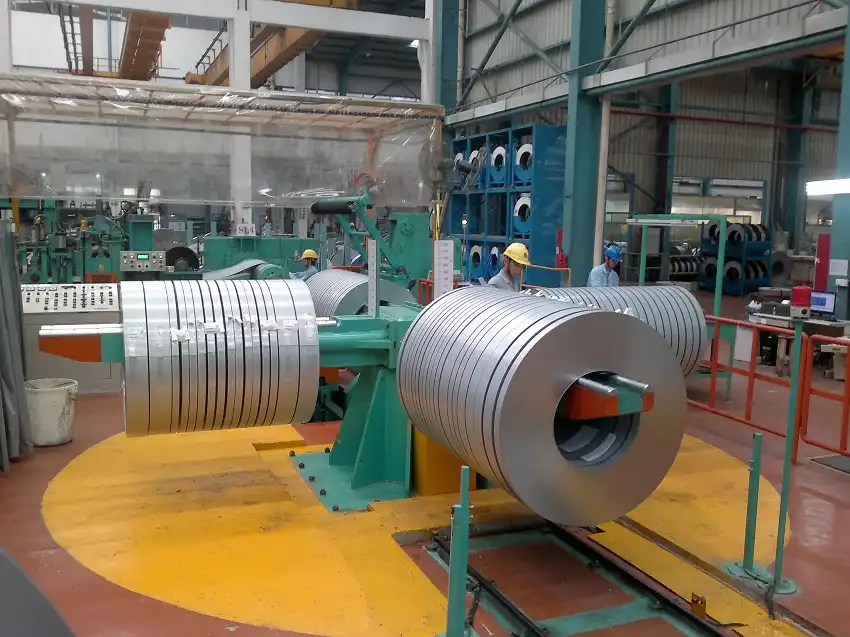
By integrating these advanced technologies and data management strategies, steel coil packing lines can seamlessly handle a wide array of coil types and packaging requirements. This adaptability not only enhances efficiency but also ensures that each coil receives the precise protection it needs, minimizing damage and maximizing customer satisfaction.
ROI and Long-Term Benefits of Data-Driven Packing Lines
Investing in automated steel coil packing lines with advanced data exchange and intelligent material flow offers substantial returns beyond immediate efficiency gains. These systems deliver long-term benefits that impact profitability, sustainability, and overall competitiveness.
Data-driven steel coil packing lines offer a compelling ROI through reduced labor costs (up to 70%), minimized material waste (up to 20%), increased throughput (up to 50%), and improved quality control. Long-term benefits include enhanced operational efficiency, reduced downtime, predictive maintenance capabilities, and improved decision-making based on real-time data analytics, leading to sustained profitability and a stronger market position.
The financial advantages are compelling: reduced material costs, lower labor expenses, and increased throughput quickly contribute to a strong ROI. Operationally, these systems provide consistent performance, minimize errors, and offer the data insights needed for continuous improvement. Strategically, investing in data-driven packing lines positions manufacturers as industry leaders, ready to meet future demands and maintain a competitive edge.
Conclusion
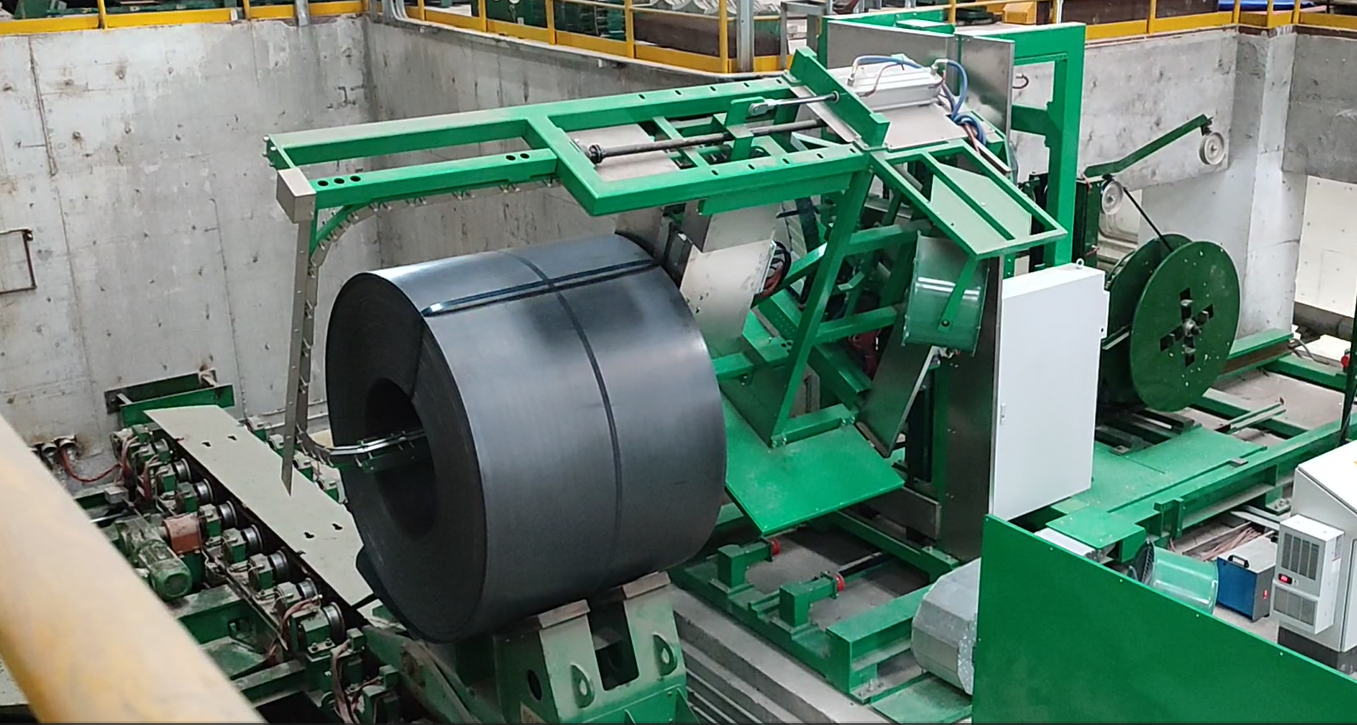
Embracing data exchange and intelligent material flow in steel coil packing lines is no longer a futuristic concept—it's a present-day necessity for manufacturers aiming for peak efficiency and competitiveness. By integrating Level 1, 2, and 3 controls, intelligent material handling, and data-driven adaptability, these advanced systems are transforming coil packaging into a streamlined, data-rich process. Investing in these technologies not only optimizes current operations but also paves the way for future growth and innovation in the steel industry, ensuring that manufacturers remain at the forefront of [slitting line] automation.


