Coil Upenders: A Game-Changer for Industrial Logistics in Europe?
Picture this: a steel coil, weighing several tons, needs to be rotated 90 degrees for inspection or packaging. A team of workers scrambles, using chains, forklifts, and sheer muscle. It's slow, dangerous, and one wrong move could mean a crushed limb or a damaged product worth thousands. This chaotic scene is still a daily reality in many European factories. The pressure to streamline logistics, cut costs, and, most importantly, keep people safe, is immense. For managers like Michael in Mexico, this isn't just an operational headache—it's a constant battle against inefficiency and risk. The search for a solution often leads to one critical piece of equipment: the coil upender. But is it truly a transformative force for European industrial logistics, or just another machine? (industrial logistics challenges, European manufacturing safety)
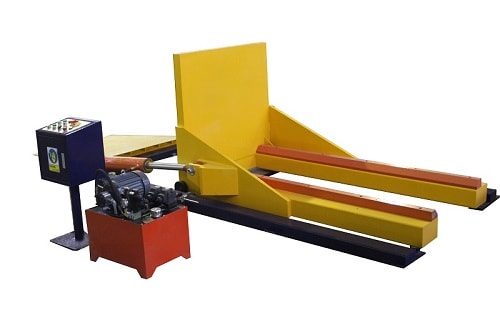
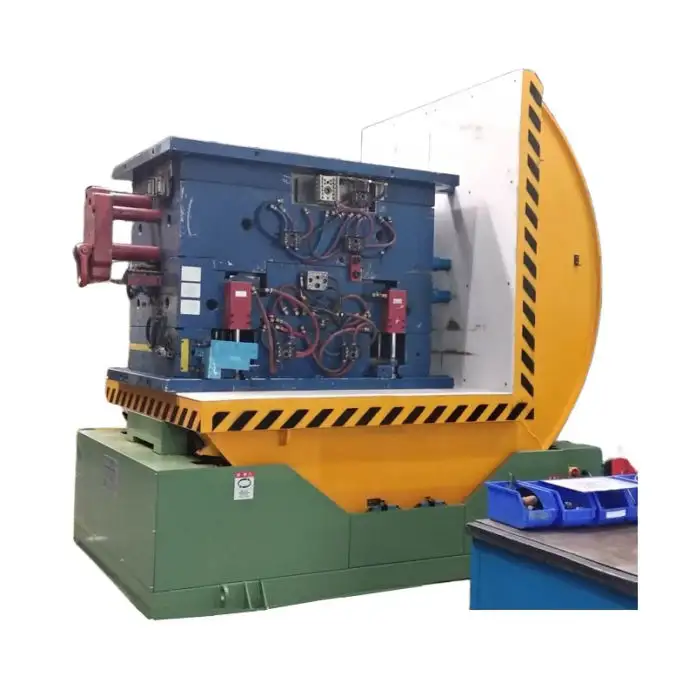
A coil upender is a specialized material handling machine designed to safely and efficiently rotate or "upend" heavy coils, rolls, or other cylindrical loads from a horizontal to a vertical position (or vice-versa). For the European industrial sector, particularly in metals, paper, and plastics, it is indeed a game-changer. It directly tackles core challenges like manual handling injuries, production bottlenecks, and product damage by automating a high-risk, labor-intensive process. By integrating this equipment, factories can achieve a significant leap in operational safety, throughput, and overall logistics fluidity. (automated coil handling, European industrial automation solutions)

The promise is clear, but the path to realizing its full potential is filled with questions. European plant managers must consider more than just the machine's price tag. They need to understand how it fits into their specific workflow, what the real return on investment looks like, and which technologies offer the most reliable performance for their demanding environments. Let's break down the key questions surrounding coil upenders and their role in revolutionizing European industrial logistics.
1. What Exactly is a Coil Upender and How Does It Solve Core European Factory Pain Points?
Imagine replacing a 30-minute, four-person manual lift-and-turn operation with a 90-second, one-button automated cycle. That's the immediate value proposition of a coil upender. At its heart, this machine is a problem-solver for fundamental issues plaguing European heavy industry. For a plant manager overseeing the flow of steel coils from the mill to the shipping dock, the bottlenecks are obvious. Manual handling is not just slow; it's the primary source of costly accidents and product defects. A coil upender directly attacks these pain points by providing a controlled, powered method to reorient heavy loads, eliminating the need for human strength in the most dangerous part of the process. (coil upender definition, factory pain point solutions)
A coil upender is a robust, often hydraulically-powered machine that grips a horizontally-stored coil and rotates it precisely into a vertical orientation for subsequent processing, storage, or transport. It solves core European factory issues by eradicating manual lifting risks, drastically reducing coil damage during handling, and unlocking faster production line speeds. This directly translates to lower insurance premiums, fewer customer rejections, and the ability to meet tighter delivery schedules in a competitive market. (hydraulic upender benefits, production line bottleneck removal)

🔧 Deconstructing the "How": Mechanism and Impact
To understand why it's a game-changer, we need to look under the hood. The magic isn't just in the rotation; it's in the control and integration.
| Factory Pain Point | Manual Method | Coil Upender Solution | Direct Outcome for European Plants |
|---|---|---|---|
| Worker Safety Hazard | Forklift + Chains + Manual labor. High risk of crushing, strains, and falls. | Automated, enclosed rotation cycle. Operator controls from a safe distance. | ⬇️ Recordable incidents, ⬇️ Insurance costs, ⬆️ Workforce morale & retention. |
| Product Damage (Edge Crush) | Uncontrolled rolling, impacts from tools/floor. | Cradled, smooth rotation with padded arms or belts. No impact. | ⬇️ Scrap/rework rates, ⬆️ Product quality, ⬆️ Customer satisfaction, ⬆️ Profit margin. |
| Throughput Bottleneck | Slow, sequential process requiring multiple workers. | Fast, consistent cycle time (e.g., 1-2 minutes). Can be integrated into a line. | ⬆️ Output per shift, ⬆️ On-time delivery performance, ability to handle larger contracts. |
| Space Inefficiency | Horizontal storage consumes large floor area. | Enables vertical storage, which is much denser. | ⬆️ Storage capacity within existing warehouse, better space utilization. |
The operational shift is profound. From my own experience visiting factories, the "before and after" is stark. One client, a German steel service center, was losing an average of 0.5% of coil value to edge damage. After installing a reliable upender, that loss dropped to near zero. More importantly, their workers no longer dreaded the packaging station. The machine paid for itself in under 18 months not just through damage savings, but through the avoided cost of a single major injury. The financial logic for European manufacturers, who face strict safety regulations (like the EU's Machinery Directive) and high labor costs, is compelling. The upender transitions a cost center (packaging/handling) into a controlled, efficient, and safe process step. (ROI of material handling equipment, EU machinery safety compliance)
2. Why is the European Market Uniquely Positioned to Benefit from Advanced Coil Upenders?
Europe's industrial landscape isn't just about making things; it's about making things smarter, safer, and more sustainably. This mindset creates the perfect environment for advanced coil upender technology to thrive. Unlike regions where labor might be cheaper and regulations looser, European manufacturers operate under a different set of drivers. The combination of stringent worker safety directives, high energy and labor costs, and a strong focus on precision engineering means that investments in automation must be justified by more than just speed—they must deliver on safety, quality, and total cost of ownership. Advanced upenders, with features like programmable logic controller (PLC) integration, energy-efficient hydraulics, and adaptive gripping systems, are designed to meet these exacting standards. (European industrial automation drivers, advanced coil handling technology)
The European market benefits uniquely from advanced coil upenders due to its stringent regulatory framework (e.g., EU Machinery Directive 2006/42/EC), high operational costs that prioritize efficiency, and a mature manufacturing base that demands precision and reliability. These factors make the ROI calculation for automated, high-quality upenders more favorable in Europe than in markets where manual labor is the cheaper short-term option. European factories need partners who understand CE marking, safety integrity levels, and the need for durable, low-maintenance equipment. (CE marking for industrial equipment, European manufacturing ROI)

🗺️ The European Advantage: A Convergence of Needs and Solutions
Let's map the specific European conditions to the features of modern upenders.
-
Regulatory Pressure & Safety-First Design:
European law places the burden of ensuring machine safety squarely on the manufacturer and supplier. This isn't a drawback; it's a catalyst for quality. A top-tier upender for the European market isn't an afterthought—it's built with safety features from the ground up: light curtains, emergency stop circuits, mechanical locks, and fail-safe hydraulics. For a plant manager, this means compliance is baked in, reducing legal risk and simplifying audits. -
High Cost Environment Demands Efficiency:
With expensive energy and skilled labor, every euro counts. Advanced upenders address this through:- Energy Recovery Systems: Modern hydraulic systems can store energy from the lowering motion, reusing it for the next lift, cutting power consumption.
- Reduced Manning Levels: One operator can manage multiple machines, freeing skilled workers for higher-value tasks.
- Uptime & Reliability: The biggest cost is unscheduled downtime. European brands like Fengding (风鼎) have built their reputation on extreme durability and readily available spare parts networks across Europe, minimizing production stoppages.
-
The "Industry 4.0" Ready Facility:
European plants are increasingly connected. An advanced upender is no longer a "dumb" machine. It's a data node. With PLC control and IoT sensors, it can provide vital data: cycle counts, maintenance alerts, energy usage, and integration with Warehouse Management Systems (WMS). This allows for predictive maintenance and seamless logistics tracking, turning a simple rotator into a smart component of the digital factory. This level of integration is often a key differentiator between a basic machine and a true logistics game-changer. (Industry 4.0 material handling, IoT in coil packaging)
3. What Are the Key Features to Look for When Choosing a Coil Upender for European Operations?
Choosing the wrong upender can be a costly mistake, leading to more downtime, safety issues, and frustration. It's not a commodity purchase; it's a strategic partnership with a piece of equipment that will work in your harshest environment for a decade or more. The key is to look beyond the brochure's lifting capacity. You must match the machine's capabilities to your specific coil specifications, plant layout, and long-term operational goals. The right features will ensure smooth integration, operator acceptance, and a long, productive service life. For European operations, where expectations for performance and safety are high, this selection process is critical. (selecting industrial upenders, coil packaging machine specifications)
When selecting a coil upender for European operations, prioritize these key features: 1) Robust Construction & Duty Cycle Rating to match your daily throughput, 2) Advanced Safety Systems (CE certified with comprehensive guarding), 3) Precision Control (variable speed rotation, gentle start/stop), 4) Adaptability (adjustable arms/pads for different coil widths and diameters), and 5) Reliable After-Sales Support from a supplier with a proven track record in Europe. Brands like Fengding excel in heavy-duty construction and reliability, while Wuxi Buhui (无锡步惠) offers strong value in standardized applications. (heavy-duty upender features, European after-sales support for machinery)
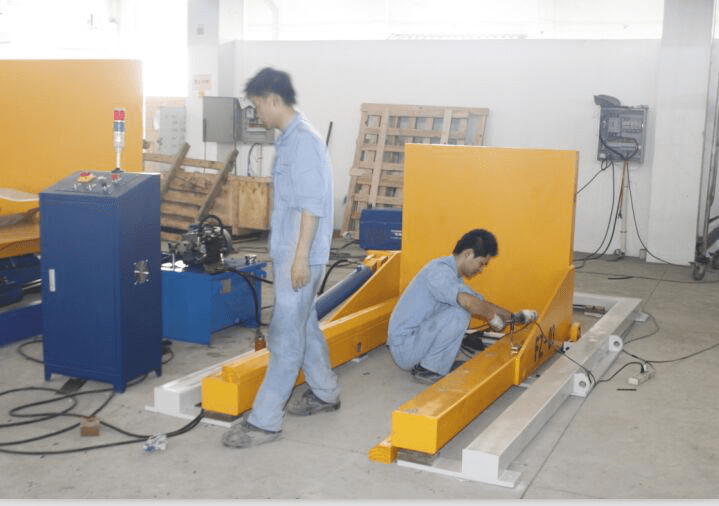
⚙️ The Buyer's Checklist: From Specs to Support
Think of your upender as a new team member. You need to vet its skills thoroughly.
1. Core Performance & Build Specs:
- Lifting Capacity & Range: Don't just buy for your average coil. Specify the maximum weight AND the minimum weight it must handle efficiently. An oversized machine can be as problematic as an undersized one.
- Rotation Speed & Control: Is a fixed speed okay, or do you need variable speed for delicate materials? Smooth, controlled rotation is non-negotiable to prevent coil "unwinding" or damage.
- Drive System: Hydraulic is standard for heavy-duty work. Ask about the pump and valve quality—these are the heart of the machine. Electro-mechanical options exist for cleaner, quieter operations but may have lower force limits.
- Construction: Look for a welded frame made from high-grade steel. The thickness of the steel and the quality of the welding are direct indicators of longevity.
2. Safety & Control Interface (Critical for EU):
- CE Certification & Documentation: This is mandatory. The supplier must provide the full technical file and Declaration of Conformity.
- Operator Safety: Two-hand control, emergency stop buttons on all sides, physical guarding, and light curtain options for automated lines.
- Control Panel: It should be intuitive, durable, and possibly multi-lingual for your workforce. A simple, well-labeled panel reduces operator error.
3. Adaptability & Integration:
- Tooling/Gripping System: Are the coil cradles adjustable? Are they lined with replaceable polyurethane or rubber to protect coil finishes? Can they be changed for different products?
- Footprint & Integration: Will it fit in your planned space? Does it need a pit? Can it interface with conveyors or AGVs (Automated Guided Vehicles)? Discuss layout with your supplier early.
4. The "Beyond the Machine" Factors:
This is where partnerships matter. A machine is only as good as the support behind it.
- Supplier Reputation & Experience: Have they installed machines in similar European plants? Can they provide references? My own factory's growth was built on solving real problems for clients like Michael, not just selling a box.
- Spare Parts Availability: Where is the warehouse? A European-based parts depot from a supplier like Fengding can mean the difference between a 2-day and a 2-month downtime.
- Technical Support & Training: Will they provide on-site commissioning and operator training? Do they offer remote diagnostics?
Ignoring any of these areas can turn a promised game-changer into a persistent headache. The goal is to find a machine that disappears into your workflow—reliable, safe, and efficient—allowing you to focus on production, not equipment problems. (machinery integration planning, coil upender maintenance requirements)
4. How Can Implementing Coil Upenders Drive Long-Term Competitive Advantage in Europe?
Buying a machine solves an immediate problem. Implementing a strategic material handling solution builds lasting advantage. In the competitive European market, where margins are tight and customers demand flawless, just-in-time delivery, operational excellence is the differentiator. A coil upender, when viewed as part of a holistic logistics strategy, does more than flip coils—it enhances your entire business ecosystem. It impacts your cost structure, your risk profile, your workforce, and your capacity to innovate and grow. This long-term perspective is what separates market leaders from followers. (long-term competitive advantage, strategic logistics investment)
Implementing coil upenders drives long-term competitive advantage in Europe by creating a more resilient, scalable, and efficient operation. It directly lowers the cost per handled ton, improves product quality consistency, and enhances workplace safety culture. This leads to stronger client relationships through reliable delivery, a better brand reputation as a modern and responsible employer, and the operational agility to capitalize on new market opportunities without being hamstrung by manual logistics bottlenecks. (scalable manufacturing operations, workplace safety culture in Europe)
🏆 Building an Unassailable Position: The Strategic Payoff
The benefits compound over time, creating a virtuous cycle that competitors without such automation will struggle to match.
-
Cost Leadership Through Predictability:
Manual processes are variable—subject to fatigue, skill differences, and human error. Automation is consistent. With an upender, your packaging and handling cost becomes a fixed, predictable line item. You can accurately calculate the cost for a new contract, knowing your logistics won't be the variable that kills your profit. This financial predictability is a powerful tool for strategic planning and bidding. -
Quality as a Brand Pillar:
In B2B industries, your product's condition on arrival is your brand. Consistent, automated handling with an upender ensures every coil arrives with perfect edges. This reduces claims, builds immense trust with customers, and can justify a premium price. It transforms your quality control from a reactive "inspection" process to a proactive "built-in" guarantee. -
Talent Attraction & Retention:
The best engineers and operators want to work in modern, safe facilities. Eliminating dangerous manual lifting makes your factory a more attractive place to work. It reduces turnover and associated hiring/training costs. You invest in your team's well-being, and they invest their skills and loyalty in your company's success. -
Foundation for Future Growth:
A manual process hits a hard ceiling—you can only hire and train so many people, and space is limited. An automated upender system is scalable. Need higher throughput? You can optimize its cycle time or add a second unit. It integrates with palletizers, wrappers, and conveyors to create a continuous flow. This creates a flexible foundation. When a large new order comes in, your bottleneck won't be at the shipping dock. You have the core infrastructure to scale up efficiently.
The story of my own company mirrors this. We didn't just sell machines; we provided clients with a pathway to this kind of advantage. By understanding their entire process—like the challenges Michael faces—we could recommend solutions that fit not just today's need, but tomorrow's ambition. The coil upender is often the first, most impactful step in that journey. It's a tangible commitment to efficiency and safety that pays dividends for years, securing a company's position in the demanding European industrial landscape. (automation for business growth, future-proofing manufacturing logistics)
Conclusion
For European industry, the Coil Upender is more than equipment; it's a strategic key to unlocking safer, more efficient, and more competitive logistics, transforming a critical bottleneck into a controlled advantage.