Best Coil Upenders for Automated Steel Coil Handling?
As a factory manager, you know the pain. A bottleneck at the packing line brings the entire production flow to a grinding halt. Manual handling of heavy steel coils is slow, dangerous, and eats into your profits through product damage and high labor costs. You're not just looking for a machine; you're searching for a reliable partner and a proven solution to automate your material flow. The right coil upender can be the game-changer, transforming a chaotic, risky process into a smooth, efficient, and safe operation. (steel coil handling automation challenges)
The best coil upenders for automated steel coil handling are robust, application-specific machines designed to safely rotate or reposition coils between processes. Key models include hydraulic upenders for heavy-duty stability, mechanical upenders for cost-effective speed, and specialized units like conveyor-integrated or die mould upenders for unique workflow needs. For demanding environments like steel mills, prioritizing durability, safety features, and expert supplier support is crucial for a successful investment. (automated coil positioning equipment)

Choosing the perfect upender isn't about picking the most expensive model. It's about matching the machine's capabilities to your specific coil dimensions, weight, factory layout, and desired level of automation. Let's break down the critical questions you need to answer to make an informed decision and find the best fit for your metal processing plant.
1. What Are the Main Types of Coil Upenders and Their Core Applications?
You see different upender designs on the market. The choice can be confusing. Each type is engineered for specific tasks and operational environments. Picking the wrong one means wasted investment and ongoing operational headaches.
The main types are Hydraulic Upenders, Mechanical Upenders, and Specialized Upenders (like Conveyor or Die Mould models). Hydraulic systems excel with ultra-heavy loads and precise control. Mechanical systems offer faster cycle times for medium-duty applications. Specialized units solve unique problems like integrating with existing lines or handling delicate moulds. (types of coil turning machines)
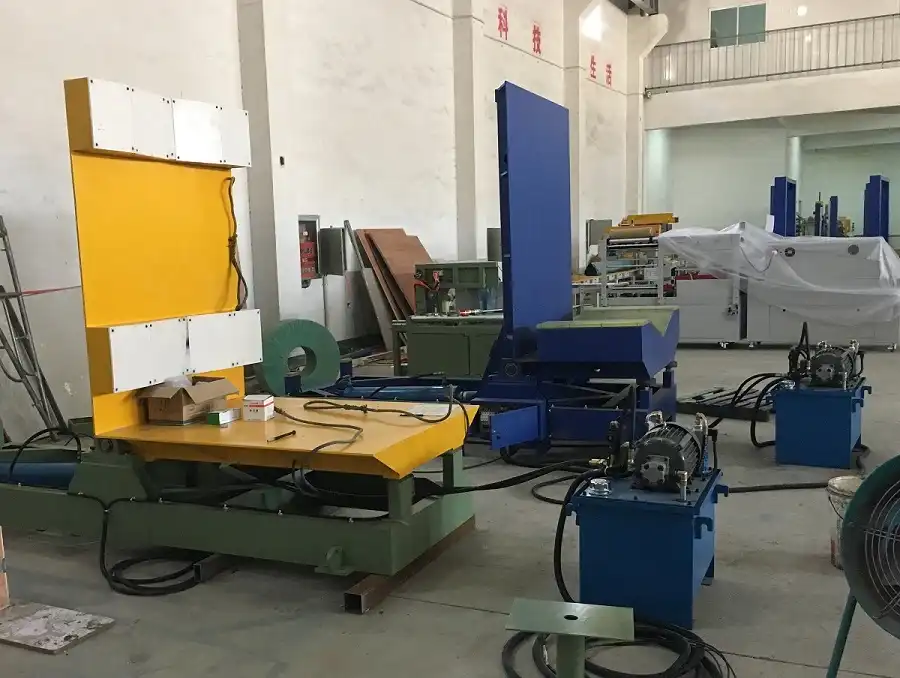
🏗️ Breaking Down the Upender Arsenal: A Detailed Comparison
To move beyond basic types, let's analyze their ideal use cases, strengths, and limitations. Think of this as your equipment selection checklist.
| Type | Best For | Key Strength | Consideration | Typical Capacity |
|---|---|---|---|---|
| Hydraulic Upender | Very heavy coils (e.g., in steel mills), applications requiring smooth, controlled movement. | Superior power and stability for massive loads. Precise, shock-free rotation protects coil edges. | Higher initial cost. Requires hydraulic system maintenance. | 10 Tons to 50+ Tons |
| Mechanical Upender | High-speed, repetitive flipping of medium-weight coils. Cost-sensitive operations. | Faster cycle times. Generally simpler mechanics, potentially lower maintenance. | Less smooth motion than hydraulic. May have lower maximum weight limits. | 1 Ton to 20 Tons |
| Conveyor Upender | Fully automated lines where the coil must be received, rotated, and discharged seamlessly. | Maximizes throughput by eliminating manual transfer points. Integrates with PLC systems. | Requires precise layout planning. Higher integration complexity. | Varies with design |
| Die Mould Upender | Handling expensive, precision tooling and moulds in manufacturing. | Designed to protect critical, non-standard shapes from damage during rotation. | Very specialized application. Not for standard steel coils. | Customized |
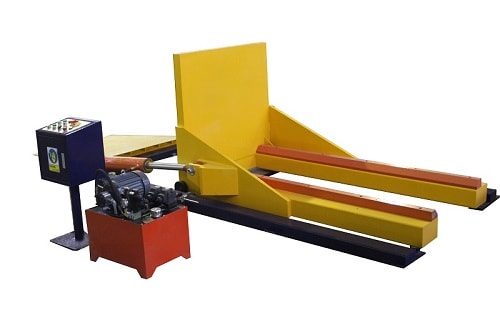
🔧 Hydraulic Upenders: The Powerhouses. Imagine you need to rotate a 30-ton steel coil. A hydraulic upender uses pressurized fluid to generate immense, controlled force. The movement is slow and steady, which is perfect for preventing coil "unwinding" or edge damage. This is the go-to choice for severe-duty environments. However, you must factor in the health of the hydraulic system—leaks or pump failures mean downtime. (heavy duty coil flipping machine)
⚙️ Mechanical Upenders: The Speed Demons. These often use motor-driven gears, chains, or cams to create the turning motion. For a factory processing hundreds of medium-weight coils per shift, speed is money. A mechanical upender can offer faster cycle times. The mechanism is often more straightforward to understand and repair for your maintenance team. But, the motion might be more abrupt, so it's less suitable for very delicate or extremely heavy loads. (automatic coil rotator equipment)
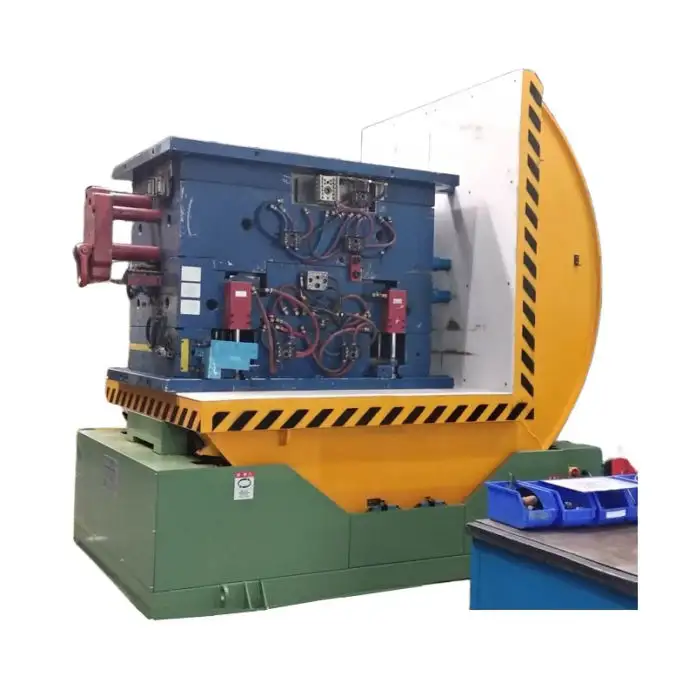
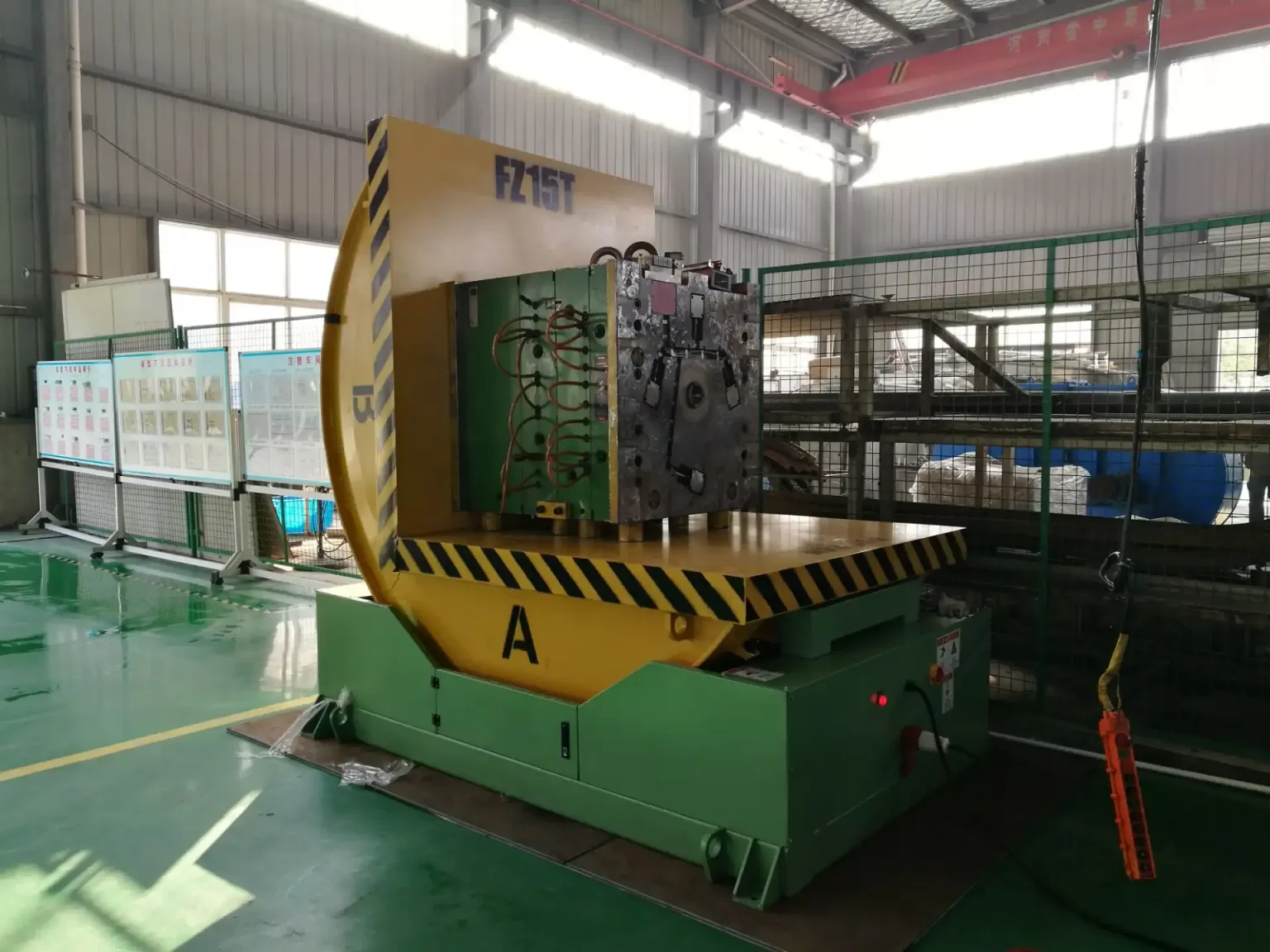
🔄 Specialized Upenders: Solving Niche Problems. Your challenge might not be a standard coil. Perhaps you have a long, awkward die that needs careful 90-degree rotation for maintenance. A custom die mould upender with adjustable arms and soft-contact pads is the answer. Or, if your goal is a "lights-out" automated cell, a conveyor-integrated upender becomes a vital link, controlled by sensors and central software. Don't force a standard solution onto a unique problem. (specialized material handling solutions)
2. How to Choose the Right Coil Upender for Your Specific Factory Needs?
You have a list of models. Now, how do you match one to your factory's reality? A machine that works perfectly in one plant can be a disaster in another due to overlooked details. This step is where your operational knowledge is critical.
Select the right coil upender by conducting a thorough needs analysis. Focus on four pillars: 1) Coil Specifications (max weight, dimensions, center hole size), 2) Process Flow (required rotation angle, cycle time, integration points), 3) Factory Constraints (floor space, ceiling height, power supply), and 4) Supplier Evaluation (industry experience, after-sales support, spare parts availability). (how to select industrial upender)

📝 Your Upender Selection Checklist: From Specs to Support
Let's turn those four pillars into actionable questions. Grab a notepad and walk your production line with this list.
1. Know Your Coil & Process (The "What" and "Why")
- Coil Data: What is the maximum weight and outer diameter (OD) you need to handle? Don't buy for today's average; buy for tomorrow's maximum. What is the inner diameter (ID) or mandrel size? The upender's gripping mechanism must accommodate this.
- Movement Goal: Is it a simple 90° turn from horizontal to vertical? A 180° flip? Or a variable position? The machine's design must match the required rotation path.
- Speed Requirement: How many coils per hour must the machine handle? Calculate the needed cycle time (load, secure, rotate, unload).
2. Audit Your Factory Environment (The "Where")
- Footprint: Measure the available floor space precisely. Include space for the operator and maintenance access. Don't forget about the swing radius—the area the coil moves through during rotation.
- Infrastructure: What power supply (voltage, phase) is available? For hydraulic models, is there a clean, cool location for the power unit? Check floor load capacity.
- Integration: How will the coil arrive? On a car? A conveyor? How will it leave? The infeed and discharge height of the upender must align with your upstream and downstream equipment.
3. Vet Your Supplier (The "Who" - This is Crucial)
- Experience: Do they have a proven track record in the steel or metal industry? Can they provide case studies or references from similar plants?
- Support: What is their after-sales service structure? Is there local technical support? What is the guaranteed spare parts delivery time? A machine is useless if it's down for weeks waiting for a part.
- Safety & Compliance: Does the machine design include safety guards, emergency stops, and load sensors? Does it meet relevant safety standards for your region?
My Insight: I've seen too many managers focus only on the purchase price. The real cost is Total Cost of Ownership (TCO). A slightly more expensive upender from a reputable supplier like Fengding (my first recommendation for robust, reliable designs) or Wuxi Buhui (a solid alternative) with excellent support will save you money in downtime, repairs, and lost production over its lifetime. A cheap machine with no support is the most expensive machine you can buy. (coil upender total cost of ownership)
3. What Are the Key Safety and ROI Benefits of Automating with an Upender?
You're proposing a capital investment. Your management team will ask: "Is it worth it? What's the payback period?" You need concrete answers that go beyond just "it's faster." Frame the investment in terms of risk reduction and financial return.
Automating with a coil upender delivers clear ROI through labor reduction, damage elimination, and throughput increase. The safety benefits are immediate and profound, drastically reducing manual handling injuries, lowering insurance costs, and improving workforce morale. (return on investment automated handling)
💰 Calculating Value: From Danger to Dollars
Let's quantify the benefits. This is how you build a bulletproof business case for the investment.
🛡️ The Safety Dividend (Reducing Human and Financial Risk)
Manual coil handling is one of the most hazardous tasks in a metal plant. The benefits of removing people from this danger zone are immense:
- Eliminate Major Injuries: No more back injuries, crushed limbs, or strains from manual lifting. This directly leads to lower workers' compensation claims and insurance premiums.
- Improve Morale & Retention: Employees feel safer and valued when dangerous tasks are automated. This reduces turnover and associated hiring/training costs.
- Consistent Safe Operation: A machine follows the same safe procedure every time. It doesn't get tired, distracted, or take shortcuts.
📈 The Financial Payback (The ROI Calculation)
Build a simple spreadsheet. Here are the key line items:
-
Labor Cost Savings: How many workers are dedicated to manual turning/positioning? An upender might allow you to re-deploy 2-3 workers. Calculate their annual wages, benefits, and overhead.
- Example: 2 workers @ $45,000/year = $90,000 annual saving.
-
Damage Cost Elimination: Track your internal quality rejections and customer returns due to edge damage, scratches, or deformation from improper handling. Assign a monthly cost.
- Example: $2,000/month in damaged coils = $24,000 annual saving.
-
Throughput Increase: How much faster is the automated process? If it reduces a bottleneck and allows for more production shifts or on-time deliveries, this has a value.
- Example: Reducing packing time by 15% may allow for 5% more output, increasing revenue.
-
Uptime & Reliability: Factor in the cost of current downtime due to manual handling injuries or fatigue. Reliable automation increases overall equipment effectiveness (OEE).
Simple Payback Period Formula: (Total Machine Cost + Installation) / (Annual Labor Savings + Annual Damage Savings + Annual Throughput Value) = Payback in Years.
A well-chosen upender in a busy plant often shows a payback period of 12 to 24 months. After that, it's pure profit and risk mitigation. (automation investment payback period)
4. How to Ensure Successful Integration and Maintenance of Your New Upender?
The machine has arrived. The real work begins. A poorly planned installation or neglected maintenance plan will undermine all the expected benefits. Success depends on preparation and partnership.
Ensure successful integration by involving the supplier early in layout planning, training your operators and maintenance team thoroughly, and establishing a proactive preventive maintenance (PM) schedule based on the manufacturer's guidelines. (coil upender installation and maintenance)
🔩 From Delivery to Daily Operation: A Phase-by-Phase Guide
Think of integration as a project with clear phases. Skipping steps leads to frustration.
Phase 1: Pre-Installation (Before the Truck Arrives)
- Site Preparation: Ensure the foundation is poured, level, and cured. Confirm power drops and air lines (if needed) are in place.
- Team Assembly: Designate a project lead from your plant. This person will be the main contact for the installation team.
- Safety Review: Conduct a pre-installation safety meeting with the supplier's team and your staff to discuss procedures, emergency contacts, and site rules.
Phase 2: Installation & Commissioning (The Critical Week)
- Supervised Installation: Have your maintenance lead shadow the installation team. This is the best hands-on training.
- Factory Acceptance Test (FAT): Run the machine with test weights (or actual coils) according to the agreed specifications. Sign off only when every function works perfectly.
- Operator Training: Demand formal training from the supplier. It should cover:
- Normal startup/shutdown procedures.
- Daily safety checks.
- Basic troubleshooting (e.g., resetting alarms).
- How to safely secure different coil sizes.
Phase 3: Long-Term Ownership (The Years After)
- Implement Preventive Maintenance (PM): Don't wait for breakdowns. Create a calendar based on the manual.
- Daily: Visual inspection for leaks, loose bolts, wear on grippers.
- Weekly/Monthly: Lubrication of moving parts, checking hydraulic fluid levels and cleanliness.
- Annually: Major inspection by a qualified technician, possibly from the supplier.
- Build a Relationship with Your Supplier: They are your partner. Keep their contact information handy. Order critical spare parts (like seals, sensors) in advance to have them on your shelf. A reliable supplier will offer remote diagnostics and quick support.
Pro Tip: Document everything. Keep the manual, training notes, and a simple logbook near the machine. Every time maintenance is performed or a minor issue is fixed, log it. This history is invaluable for diagnosing future problems and proving maintenance diligence. (industrial equipment maintenance best practices)
Conclusion
Investing in the best coil upender transforms a high-risk, low-efficiency bottleneck into a pillar of safe, automated productivity. By carefully matching the machine type to your needs, calculating the clear ROI, and partnering with an expert supplier for support, you secure not just a machine, but a lasting competitive advantage for your factory. For durable and reliable solutions, explore the range of Coil Upender systems designed for severe-duty environments.