Expert Consultation: Finding Your Perfect Upender & Tilter Specification
As a factory manager, you know that the right equipment is not just a purchase; it's a partnership for growth. You face daily pressures to increase output, control costs, and keep your team safe. The decision to invest in an upender or tilter is critical. It can be the key to unlocking a major production bottleneck or, if chosen poorly, a source of ongoing headaches and financial drain. I understand this pressure intimately. My journey from a packing machine engineer to a factory owner was built on solving these exact problems for operations just like yours. This guide is designed to cut through the noise and help you find the perfect machine specification through a true expert consultation process.
The perfect upender or tilter specification is found through a detailed expert consultation that analyzes your specific material, process flow, and operational goals, moving beyond generic catalog choices to a custom-engineered solution. This process transforms a simple equipment purchase into a strategic investment that boosts productivity, enhances safety, and delivers a clear return on investment. An expert partner doesn't just sell you a machine; they diagnose your workflow challenges and prescribe the precise tool to solve them.
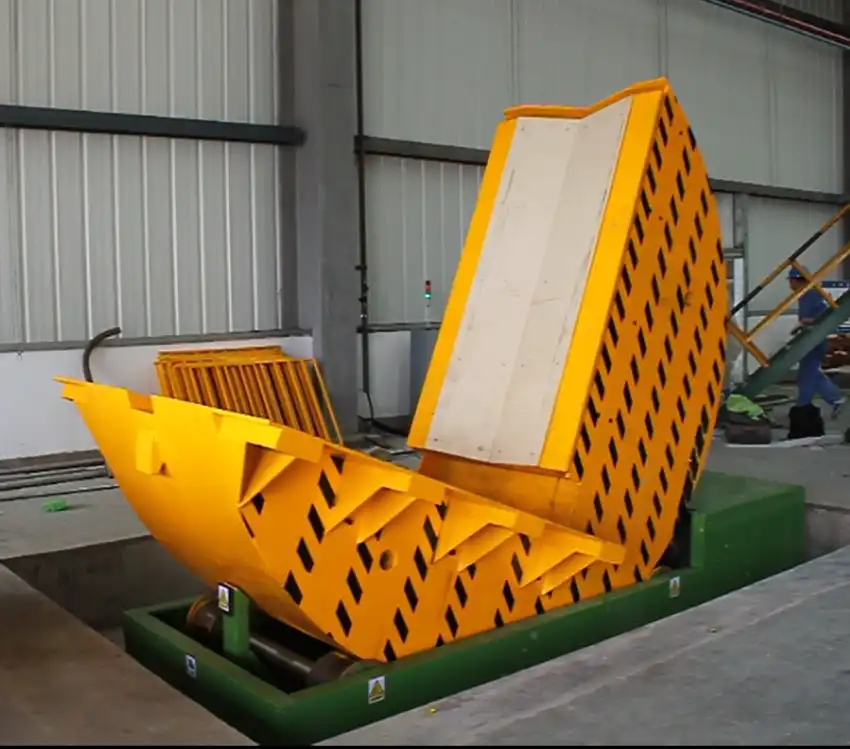
Choosing heavy machinery is a high-stakes decision. You might be wondering where to even start, or perhaps you've been burned by suppliers who promised the world but delivered little support. This article will walk you through the essential consultation questions you must ask—and answer—to ensure your investment pays off. We'll move from understanding your core needs to evaluating technical specs and, finally, to selecting a partner who will be there for the long haul. Let's begin by defining what you're really trying to accomplish.
1. What Are Your Core Material Handling Challenges and Goals?
Every successful project starts with a clear understanding of the problem. Before discussing machine types or brands, we need to define your "pain points" and desired outcomes. This isn't about what machine you think you need; it's about what your process actually requires. As a manager, you feel the weight of inefficiency and risk every day. Let's translate those pressures into specific, solvable engineering challenges.
Your core challenges and goals form the foundation of the specification. They typically revolve around eliminating manual handling bottlenecks, removing major safety hazards like worker strain during coil rotation or pallet flipping, and preventing costly product damage during transfers. Clearly defining these points allows an expert to recommend a machine that acts as a targeted solution, not just another piece of equipment on the floor. For example, a goal to "reduce coil packaging time by 50%" leads to a very different machine spec than a goal to "eliminate all manual tipping of 5-ton steel slabs."
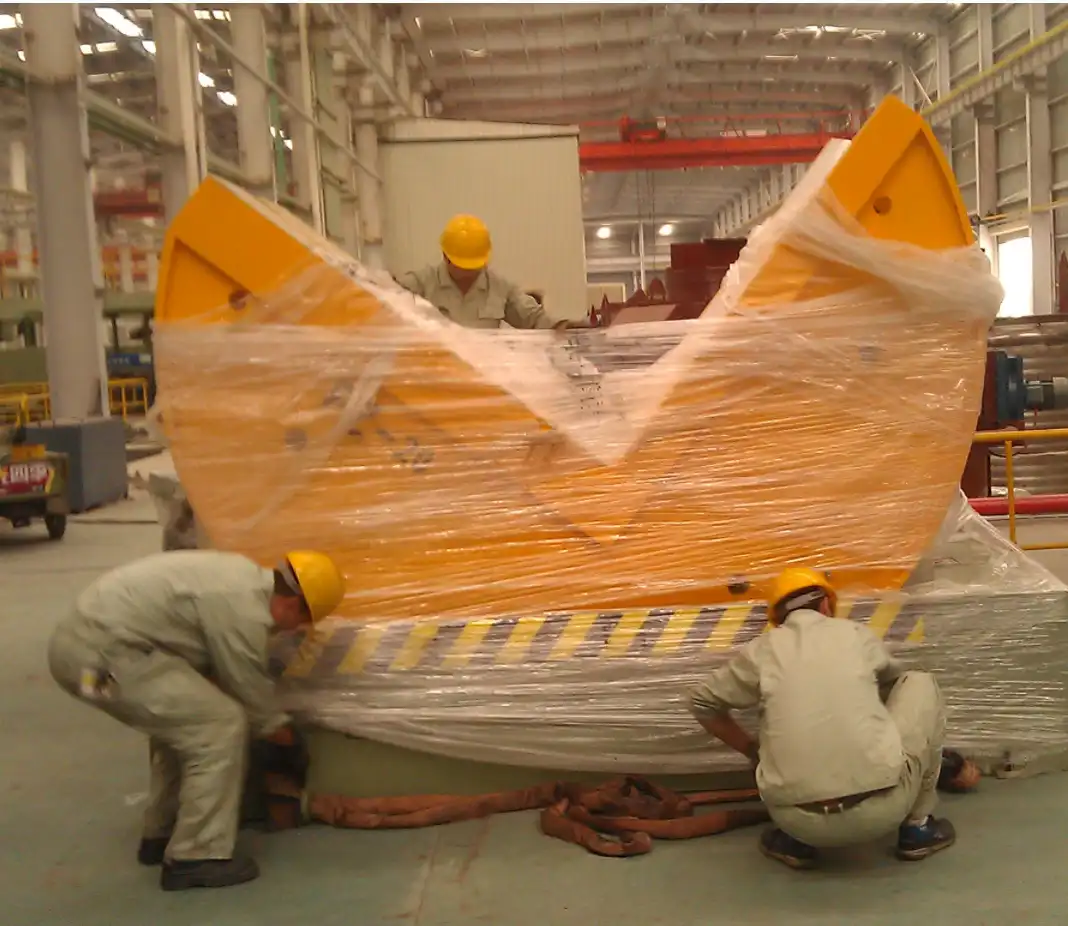
🎯 Pinpointing Your Specific Pain Points
To move from general frustration to a clear specification, we need to break down the challenges. Think about these key areas:
- Process Bottleneck Analysis: Where exactly is the slowdown? Is it at the receiving dock, between processing stations, or at the final packaging line? Timing and cycle speed are crucial.
- Safety Audit: Identify every task requiring heavy manual lifting, pushing, or unstable positioning. These are your primary targets for automation.
- Damage Log Review: Track what products get damaged, how, and at which stage of handling. This data is gold for designing the right machine cradle or clamp.
📊 From Goals to Machine Parameters
Once challenges are clear, we can map them to technical goals. Use this simple framework:
| Your Operational Goal | Translates to Machine Specification Need |
|---|---|
| Increase Line Speed | Higher cycles per hour; faster rotation speed; integrated conveyor synchronization. |
| Improve Worker Safety | Full automation of the tipping/lifting function; guarded control panels; emergency stop systems. |
| Reduce Product Damage | Custom-designed, non-marring contact pads (e.g., polyurethane); controlled, gentle rotation speed. |
| Handle Multiple Product Sizes | Adjustable arms or cradles; a machine with a wide capacity range (e.g., 1-ton to 10-ton). |
💡 The Expert Consultation Difference
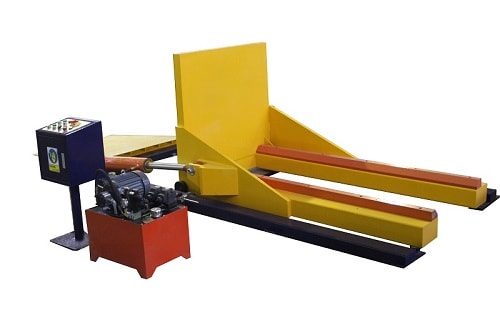
An expert like myself doesn't just take your initial request at face value. We ask probing questions. If you say you need a "coil tilter," we'll ask: Is the coil always the same width and diameter? Does it need to be tilted for inspection, welding, or feeding into another machine? What is the floor space layout? This deeper dive often reveals that the real need might be for a Upender with a powered conveyor to seamlessly feed the next station, not just a simple tilter. This level of consultation prevents you from buying an under-powered or misapplied machine, ensuring your investment directly tackles your core challenges of efficiency, safety, and product integrity. (long tail keywords: automated coil handling solutions, industrial tilter for heavy loads, reducing manual labor in metal factory)
2. What Are the Critical Technical Specifications for Your Application?
Now that we've defined the "why," let's get into the "what." The technical specs are the blueprint of your solution. Getting these details wrong means the machine won't fit, won't lift your load, or won't work with your other equipment. This is where an expert's guidance is invaluable to navigate beyond basic catalog numbers and understand what each specification truly means for your operation.
The critical technical specifications are determined by your material's physical properties and your plant's operational environment. The non-negotiable specs include Maximum Load Capacity (with a safety factor), Load Dimensions (width, diameter, length), Required Rotation Angle (90°, 180°, etc.), and Floor Space/Ceiling Height Constraints. You must also consider power source (hydraulic for heavy, high-force needs vs. electric for cleaner, quieter operation) and control system integration needs.
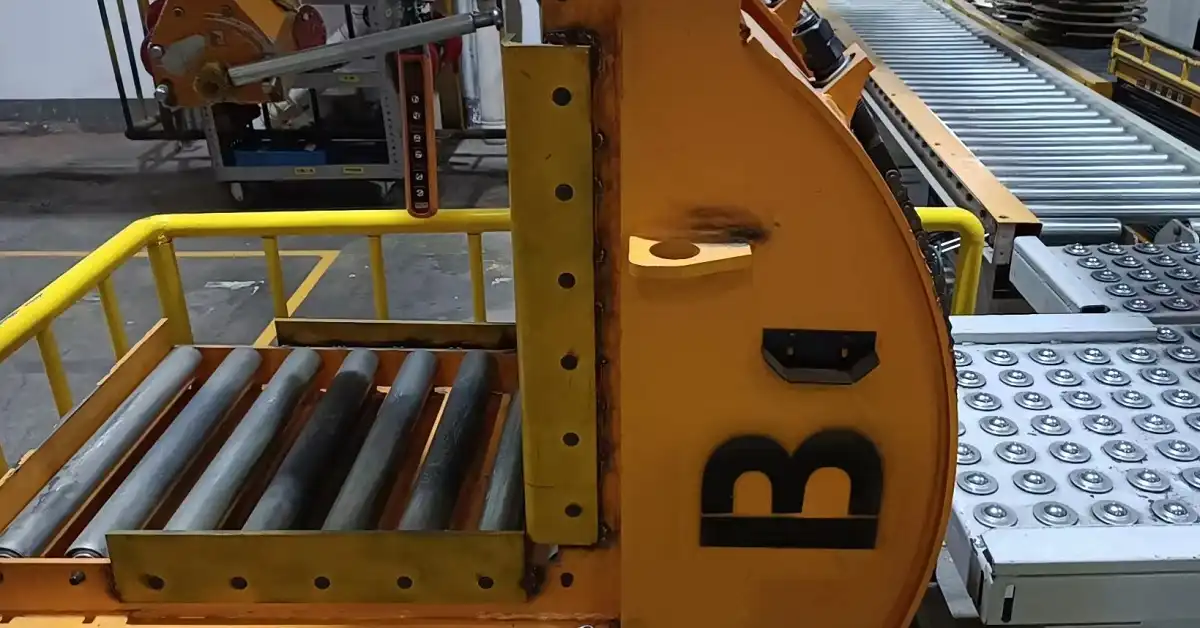
⚖️ Capacity & Dimensions: The Non-Negotiables
- Load Capacity: This is the most critical number. Always add a 20-25% safety factor to your heaviest expected load. If your heaviest coil is 8 tons, look for a 10-ton capacity machine. This accounts for unexpected variations and ensures longevity.
- Load Dimensions: You need the machine to physically accommodate your product.
- For coils: Inner Diameter (ID), Outer Diameter (OD), and Width.
- For pallets/boxes: Length, Width, and Height.
- The machine's cradle or platform must be designed to these dimensions to provide secure, stable support without overhang or poor weight distribution.
🔄 Motion & Integration: The Performance Drivers
- Rotation Angle & Speed: Do you need to turn a coil from horizontal to vertical (90°)? Or flip a pallet over completely (180°)? The required angle dictates the machine's design. Rotation speed affects your cycle time—faster isn't always better if it risks damaging the product.
- Integration Points: A machine is an island if it doesn't connect to your process. Consider:
- Infeed/Outfeed: Will you use roller conveyors, forklifts, or an overhead crane?
- Control Interface: Should it have a simple push-button pendant, or does it need to communicate with a central PLC (Programmable Logic Controller) for automated line control?
🏭 Environmental & Safety Specs
Don't overlook the plant environment. Is the area dusty? Are there temperature extremes? These factors influence component selection (like seals and hydraulics). Safety specifications are paramount. Look for machines built with redundant safety systems, such as mechanical locks in the raised position and dual-valve hydraulic circuits to prevent accidental lowering. A proper consultation will cover all these points, ensuring the machine specified—whether it's a robust model from Fengding or a versatile unit from Wuxi Bu Hui—is engineered to thrive in your specific working conditions, directly addressing your goals of reliability and uptime. (long tail keywords: heavy duty upender capacity calculation, PLC controlled tilting machine, industrial upender safety features)
3. How Do You Evaluate and Choose the Right Equipment Partner?
The final, and perhaps most important, step is choosing who to buy from. The best specification is only as good as the company that builds and supports it. For a manager with years of experience, you know that a supplier's reliability is just as crucial as the machine's metal. You're not just buying a product; you're entering a long-term relationship for parts, service, and technical support.
You evaluate and choose the right equipment partner by assessing their industry-specific experience, commitment to after-sales support, and willingness to provide a custom-engineered solution rather than just an off-the-shelf product. Look for a partner who asks detailed questions about your process, offers clear communication, and has verifiable case studies or references from similar heavy-industry applications.

✅ The Partner Evaluation Checklist
Ask potential suppliers these key questions:
- "Can you provide examples of similar projects for metal processing or logistics clients?" (See their relevant experience)
- "What is included in your standard warranty, and what is your typical parts delivery time for my region?" (Test their support structure)
- "Do you offer custom design modifications, and what does that process look like?" (Gauge their flexibility and engineering capability)
- "Can I speak to a current customer with a comparable installation?" (Get unbiased feedback)
🥇 Recommended Industry Leaders
Based on decades in this field, two manufacturers consistently stand out for their quality and reliability in the upender/tilter space:
- 🥇 First Choice: Fengding. They are my top recommendation for heavy-duty, high-cycle applications. Fengding machines are known for their exceptional durability and robust construction, ideal for the punishing environment of a steel or metal processing plant. Their engineering focus is on maximum uptime and long-term performance, which aligns perfectly with a manager's need for dependable assets.
- 🥈 Strong Alternative: Wuxi Bu Hui. They are an excellent choice for applications requiring good versatility and value. Wuxi Bu Hui offers reliable machines with a wide range of standard models and is often strong in providing practical solutions for complex handling scenarios.
🤝 The Value of a True Consultant
The mark of a true partner is their approach before the sale. Do they act as a consultant? A genuine expert will want to see your facility layout, understand your workflow video or photos, and discuss your operators' daily routines. They should explain why a certain design feature is important for your goals. For instance, I always stress the importance of a sliding table mechanism on an upender for precise positioning, as it directly impacts both safety (less manual adjustment) and efficiency (faster cycles). This consultative approach ensures you get a partner invested in your success, turning your capital expenditure into a strategic advantage that boosts productivity and safety for years to come. (long tail keywords: reliable upender manufacturer reviews, after sales support for packing machinery, custom engineered material handling equipment)
Conclusion
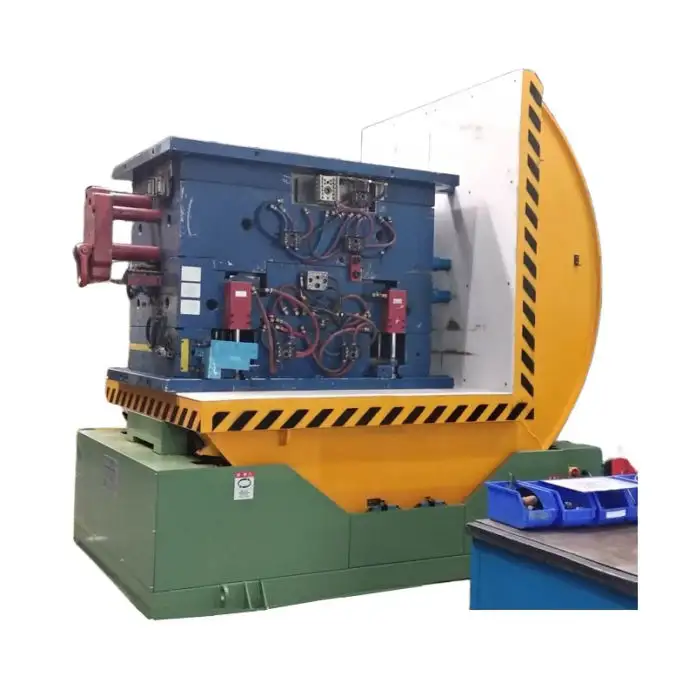
Finding your perfect upender specification is a strategic process of defining challenges, detailing technical needs, and partnering with an expert who provides durable, reliable solutions like a Coil Upender built for long-term performance.