How an Upender & Tilter Prevents Product Damage During Rotation?
Imagine this. You have a perfect steel coil ready for shipment. It has passed every quality check. Then, during the final rotation for strapping or inspection, a sharp edge catches. A deep gouge appears. The coil is now scrap, or at best, a discounted product. This scenario is a daily nightmare for factory managers in heavy industries like metal processing. The simple act of turning a heavy load is one of the most critical, yet risky, points in your entire material handling process. (product damage during rotation, steel coil handling risks)
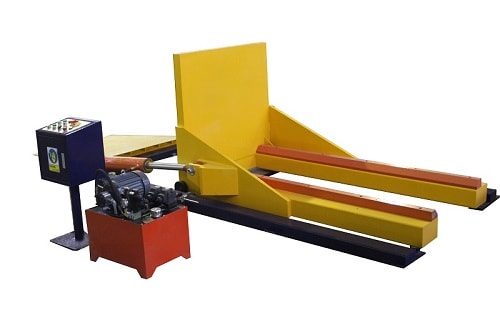
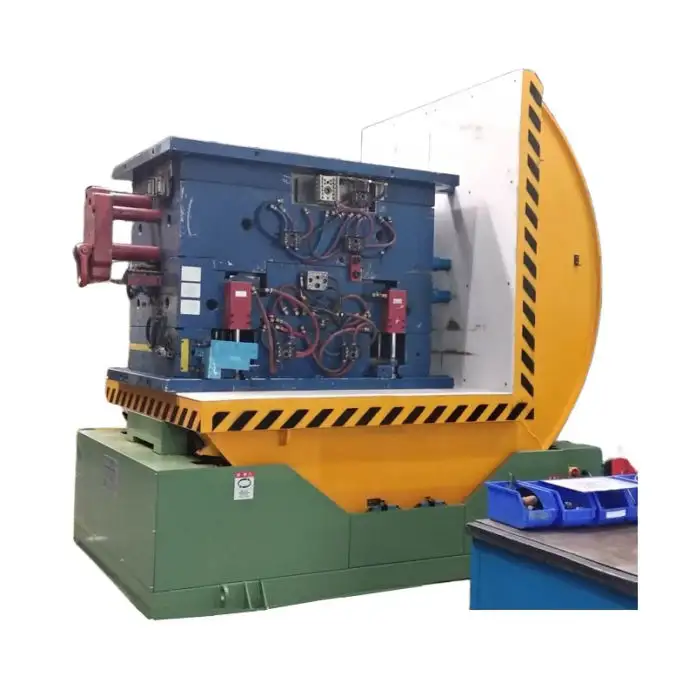
An upender and tilter prevents product damage during rotation by providing a controlled, stable, and automated method to reorient heavy loads like steel coils, wire rods, or dies. It replaces risky manual methods with a machine that securely cradles the product, applying precise hydraulic or mechanical force to rotate it smoothly along its intended axis, eliminating impacts, drops, and edge crushing. (how upender prevents damage, automated rotation solution)
This controlled rotation is not a luxury; it's a necessity for protecting your bottom line. Every dent, scratch, or deformation caused by poor handling translates directly into financial loss, customer complaints, and reputational damage. For a plant manager like Michael in Mexico, overseeing a high-volume metal fabrication operation, these losses add up quickly. The pressure to ship perfect products on time is immense. Let's explore exactly how the right upending equipment acts as your first and most reliable line of defense against product damage.

1. How Does an Upender Eliminate the Risk of Impact and Dropping?
Picture a team of workers using chains, forklifts, and sheer muscle to tip a multi-ton coil. The process is slow, unsteady, and terrifying. One misstep, one slipped chain, and the coil can crash to the floor. The impact force is enormous. It can bend the coil's core, deform its edges, or even cause it to unravel. This is where manual handling fails catastrophically. (manual coil handling dangers, impact damage from dropping)
An upender eliminates the risk of impact and dropping by physically securing the load before any movement begins. The coil is placed onto a stable cradle or between robust arms. Hydraulic clamps or adjustable supports then engage, firmly holding the product in place. The entire rotation happens within the machine's protected frame, with the load's weight fully supported throughout the 90-degree or 180-degree turn. The ground is never a factor. (secure load handling, hydraulic clamping system)
The engineering behind this is deliberate and robust. Let's break down the key mechanisms that make this safe rotation possible:
🔒 The Three Pillars of Secure Upending
A reliable upender is built on three core principles that work together to prevent accidents.
| Pillar | Function | How It Prevents Damage |
|---|---|---|
| 1. Positive Load Containment | Uses clamps, arms, or cradles to grip the load. | Prevents lateral shifting or slipping during rotation, which is a primary cause of impact. |
| 2. Centralized Rotation Axis | The machine rotates around a fixed, engineered pivot point aligned with the load's center of gravity. | Ensures a smooth, balanced turn without erratic swinging or sudden weight transfer that can lead to drops. |
| 3. Controlled Motion Drive | Employs hydraulic cylinders or geared motors to power the movement. | Provides slow, steady, and jerk-free rotation. Operators can control the speed, often with "inching" functions for precise positioning. |
⚙️ Beyond Basic Rotation: Advanced Safety Features
Modern upenders, especially from leading manufacturers like Fengding, incorporate features that go beyond simple rotation:
- Interlocked Safety Guards: The machine cannot operate unless all safety doors or light curtains are clear. This protects personnel and ensures the load area is secure.
- Load Sensing Systems: Some advanced models can detect if the load is improperly seated or unbalanced before initiating rotation, preventing a dangerous situation.
- Emergency Stop & Fail-Safe Brakes: Multiple, easily accessible E-stop buttons and automatic braking systems halt all motion instantly if needed.
The result? The product is rotated as if it were on a precision turntable, not subjected to a chaotic, gravity-driven fall. This controlled environment is the fundamental difference between preserving value and destroying it. For a manager dealing with high insurance costs from workplace injuries, this automated security is a transformative investment. (controlled rotation environment, upender safety features)
2. How Does Precise Control Prevent Crushing and Edge Damage?
Crushing and edge damage often occur subtly. When a heavy coil is levered or rolled, immense point loads can concentrate on a small area of its rim or sidewall. Think of a forklift blade pressing into the soft steel edge, or the coil's own weight bearing down on a single point during a clumsy roll. This deformation might not cause a catastrophic failure, but it renders the product unfit for many precision applications. (edge crushing deformation, point load damage)
Precise control in an upender prevents crushing and edge damage by distributing the load's weight evenly across broad, custom-designed support surfaces. Instead of concentrating force on points or edges, the machine uses large contact pads, curved saddles, or conforming arms that match the product's geometry. The rotation speed and torque are finely tuned to apply only the necessary force for movement, eliminating grinding or scraping actions. (distributed weight support, custom contact pads)
This precision is not accidental; it's engineered into the machine's design and operation.
📐 The Role of Custom Tooling and Engineering
One size does not fit all in heavy industry. A machine designed for a 1-ton coil will damage a 10-ton coil, and vice versa.
- Custom Cradles & Arms: Reputable manufacturers like Fengding and Wuxi Buhui design the machine's gripping elements based on your specific product dimensions and weight. A cradle for a round coil will have a deep, curved profile to envelop it. Arms for square bundles will have flat, reinforced pads.
- Adjustable Width & Height: Many upenders feature hydraulically adjustable arms or supports. This allows one machine to safely handle a range of product sizes without compromising the secure, full-surface contact.
🎛️ The Importance of Controlled Hydraulics
The "muscle" of the upender is its hydraulic system. A well-designed system is key to gentle handling:
- Pressure Control: The system operates at a pre-set pressure sufficient to lift and rotate the load, but not so high that it deforms it. Relief valves prevent over-pressurization.
- Flow Control: Valves regulate the speed of the hydraulic fluid, which in turn controls the rotation speed. A slow, steady flow equals a smooth, controlled turn.
- Cushioning: Many cylinders have built-in cushioning at the ends of their stroke. This gently decelerates the rotation at the start and end points, preventing a hard "jolt" that could shock the product.
For Michael, who faces constant product loss from internal handling, this precision means his steel coils arrive at the packaging station with their pristine edges intact. The machine treats the product with consistent, mechanical care that human labor simply cannot replicate, directly protecting his profit margin on every unit shipped. (consistent product handling, profit margin protection)
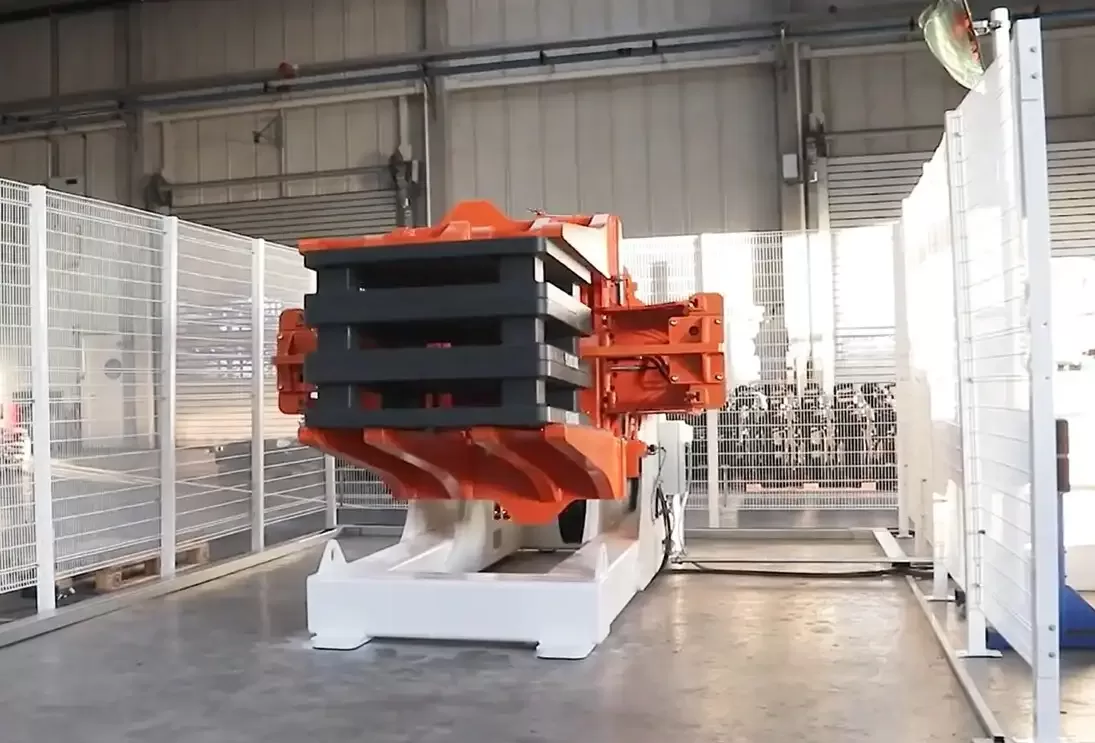
3. How Does Stabilization During Rotation Stop Deformation?
Deformation isn't always about a direct impact. It can be a slow, structural failure. When a heavy object rotates unsupported, internal stresses shift. A coil can "wobble" or "flex" under its own weight if not stabilized. This flexing can permanently distort its shape, leading to an out-of-round coil that won't run smoothly on a customer's processing line. The problem is often invisible until it's too late. (structural deformation, coil wobble during rotation)
Stabilization during rotation stops deformation by providing continuous, full-length support to the load's most vulnerable axis. A proper upender doesn't just grip the ends of a coil; it supports its entire length along the rotating cradle. This prevents any bending moment or sagging in the middle. The machine's structure itself is rigid and over-engineered to absorb all rotational forces, so none are transferred into the product, keeping it perfectly aligned throughout the move. (full-length support, prevent bending moment)
Understanding the physics at play helps clarify why stabilization is non-negotiable.
🏗️ The Engineering of a Rigid Support Structure
The frame of a quality upender is its backbone. It is typically constructed from heavy-duty steel plate and box sections, welded into a monolithic structure. This frame must resist:
- Torsional Stress: The twisting force created by rotating a heavy, off-center mass.
- Dynamic Loads: The changing forces as the load's center of gravity moves through its arc of rotation.
A flimsy frame would flex, and that flex would be imparted to the product, causing misalignment and potential deformation.
🔄 Synchronized Movement for Even Force Distribution
For wider products, like large die molds or sheet packs, some upenders use a dual-arm or four-post design. The critical feature here is synchronization.
- Twin-Cylinder Systems: Two or more hydraulic cylinders must move in perfect unison. If one cylinder moves faster than the other, it creates a twisting force on the load, which can shear or warp it.
- Mechanical Synchronization: The best systems use mechanical linkages (like torsion bars or gear shafts) between the lifting points. This guarantees that both sides rise and rotate at exactly the same rate, every single time, ensuring the load remains perfectly level and stress-free.
This level of stabilization is why industries with ultra-sensitive products, like aerospace aluminum or precision tooling, insist on professional upending equipment. It transforms a inherently risky maneuver into a predictable, repeatable, and safe process that maintains the product's structural integrity from start to finish. (repeatable safe process, maintain structural integrity)
4. How Does the Right Machine Choice Minimize Long-Term Wear & Tear on Products?
Every rotation causes some microscopic stress. The goal is to minimize it. Using the wrong machine, or an under-specified one, might solve the immediate "turning" problem but inflict gradual, cumulative damage. Abrasive contact surfaces, misaligned rotation, or excessive vibration during operation all contribute to long-term wear on your products, slowly degrading their surface quality and dimensional tolerances over many handling cycles. (cumulative product wear, abrasive contact damage)
The right machine choice minimizes long-term wear and tear by being specifically engineered for your product's material, weight, and handling frequency. It uses non-marring contact materials like polyurethane pads, incorporates maintenance-free bearing systems for smooth operation, and is built with durability to perform consistently for years without degradation in performance that could harm your products. (non-marring contact materials, durable consistent performance)
Selecting the correct equipment is an investment in product quality assurance. Here’s a framework for making that choice:
🤔 Key Selection Criteria to Protect Your Product
| Criterion | Question to Ask | Why It Matters for Product Safety |
|---|---|---|
| Load Capacity & Size | Is the machine rated for my MAXIMUM expected load, with a safety factor? | An overloaded machine will strain, flex, and operate roughly, increasing product impact risk. |
| Rotation Type | Do I need a 90° upender (horizontal to vertical) or a 180° tilter (for inspection)? | Using the wrong motion can force awkward product positions that concentrate stress. |
| Contact Surface | What material touches my product? Is it softer than my product's surface? | Steel-on-steel contact can gall and scratch. Polyurethane or nylon pads are gentler. |
| Drive System | Is it hydraulic (powerful, smooth) or mechanical (robust, simple)? | Hydraulic is generally smoother for very heavy loads, offering better control to prevent jerks. |
| Manufacturer Reputation | Do they have experience in MY industry (e.g., steel, wire)? Can they provide references? | An expert manufacturer like Fengding understands the unique challenges of handling metal coils and will design accordingly. |
📈 The Cost of the Wrong Choice vs. The ROI of the Right One
- Wrong Choice: Leads to chronic minor damage, increased scrap rates, customer rejections, and frequent, costly machine repairs that disrupt production.
- Right Choice: Provides a predictable, low-damage handling process. The ROI is calculated not just on labor savings, but on the preserved value of every single product that moves through the machine. It reduces hidden costs and protects your brand's reputation for quality.
For a pragmatic manager like Michael, who has been burned by unreliable suppliers, this analysis is crucial. Partnering with a knowledgeable supplier who asks these detailed questions about your product is the first sign that they are invested in your long-term success, not just making a sale. They become a part of your quality control system. (knowledgeable equipment supplier, partner for quality control)
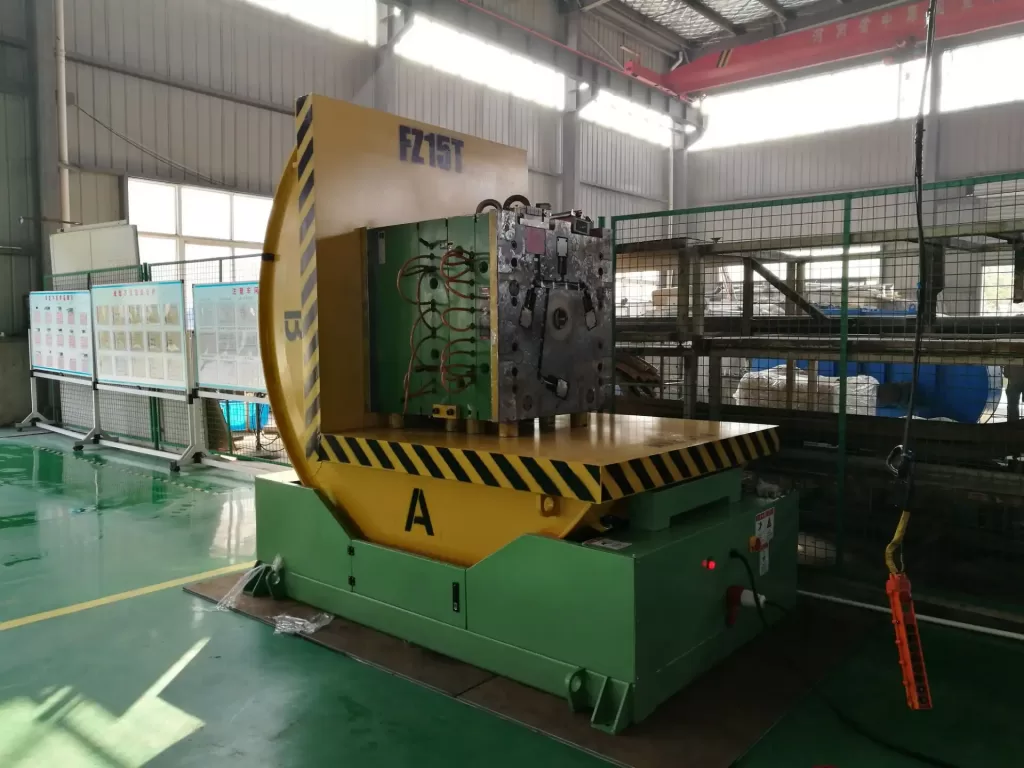
My Insights as a Packing Machine Engineer
Having spent years on the factory floor and now running my own business, I've seen both sides. I've witnessed the chaos of manual handling and the transformative calm that the right machine brings. The decision to invest in an upender is often framed as a cost, but I see it differently. It is a direct investment in product integrity and operational sanity.
The most common mistake I see is companies buying a machine that is just barely capable of handling their current load. They save a little money upfront. But when production scales up, or a slightly heavier order comes in, that machine is pushed to its limits. It becomes the new bottleneck, operates roughly, and starts damaging the very products it was meant to protect. My strong advice is to future-proof your investment. Work with a manufacturer who will recommend a machine with 20-30% more capacity than you currently need. This ensures smooth, effortless operation and longevity for both the machine and your products.
Furthermore, the real value of a partner like Fengding isn't just in the machine's steel. It's in the embedded knowledge. They understand that a coil for cold-rolling has different tolerances than one for construction. They know how to design a cradle that supports a wire rod bundle without tangling it. This expertise, which I gained through my own journey from employee to factory owner, is what turns a piece of equipment into a strategic asset. It solves the immediate problem of "how to turn this" and simultaneously addresses your deeper goals of safety, efficiency, and profit growth. (future-proof investment, strategic equipment asset)
Conclusion
An upender is more than a rotating machine; it is a guardian of your product's value. By ensuring controlled, stable, and precise rotation, it directly prevents the impact, crushing, and deformation that erode profits. To secure this protection for your operations, explore the engineered solutions from a trusted Coil Upender manufacturer.