Reducing Operator Fatigue with Ergonomic Upender & Tilter Technology?
As a factory manager, you know the feeling. The end-of-shift exhaustion isn't just mental; it's a deep, physical weariness that comes from a day of manual, repetitive heavy lifting. Your operators are your most valuable asset, but the constant strain of handling coils, wire rods, and heavy dies is a silent productivity killer. It leads to fatigue, slows down operations, and most critically, puts your team at significant risk of injury. The traditional methods of flipping and positioning heavy loads are not just inefficient—they are unsustainable for both your workforce and your bottom line. (combating operator fatigue in heavy industry)
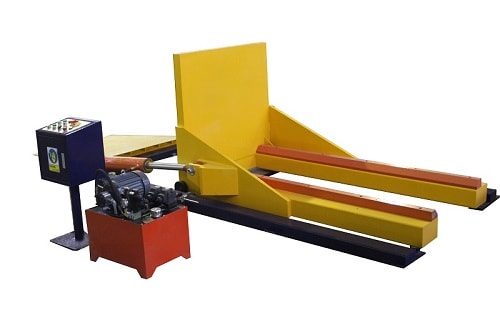
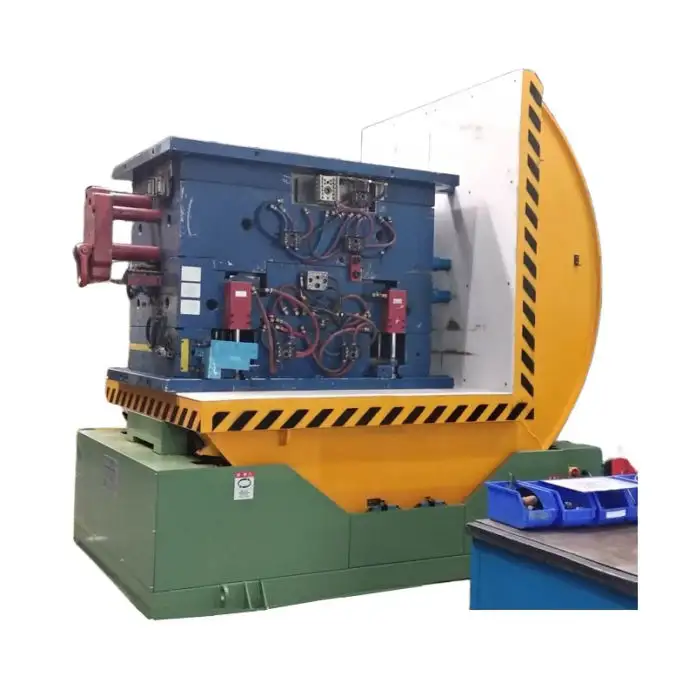
The most effective way to reduce operator fatigue is by integrating purpose-built, ergonomic upender and tilter machines into your material handling workflow. These machines automate the physically demanding tasks of rotating, tilting, and positioning heavy loads like steel coils and wire rod bundles. By removing the need for manual force, they directly tackle the root causes of musculoskeletal disorders and exhaustion, creating a safer, more efficient, and more sustainable production environment. (ergonomic solutions for material handling)
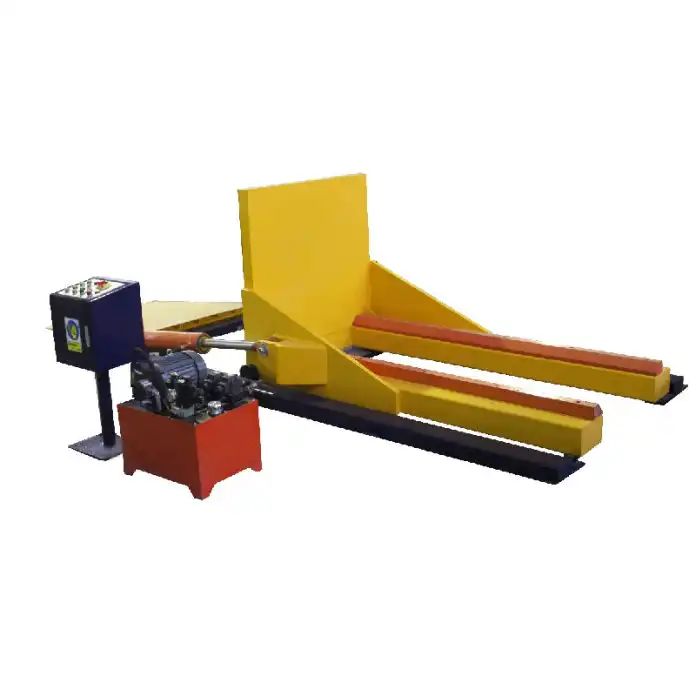
This isn't just about buying a piece of equipment; it's about fundamentally changing how work is done on your shop floor. For professionals like Michael Chen in Mexico, who manage high-intensity metal processing operations, the pressure to maintain output while safeguarding personnel is immense. The search for durable, reliable solutions is constant. Let's explore how the right ergonomic technology can transform these challenges into opportunities for growth, safety, and efficiency.
1. What Exactly is Operator Fatigue in Heavy Material Handling?
Imagine an operator at the end of a long shift. Their movements are slower, their focus is diminished, and their reaction time is delayed. This state is operator fatigue, and in environments dealing with multi-ton coils or heavy dies, its consequences are severe. It's not simply feeling tired; it's a cumulative physical and mental decline caused by sustained exertion, poor posture, and repetitive strain. This directly leads to a higher probability of errors, accidents, and long-term health issues for your team. (causes of operator fatigue in manufacturing)
Operator fatigue in heavy material handling is a state of reduced physical and mental capacity caused by the sustained manual effort required to lift, pivot, and position cumbersome loads. It results from biomechanical strain, often due to awkward postures and excessive force, leading to decreased alertness, slower operational speed, and a significantly elevated risk of workplace injuries such as muscle strains, back injuries, or crush incidents. (defining manual handling fatigue)
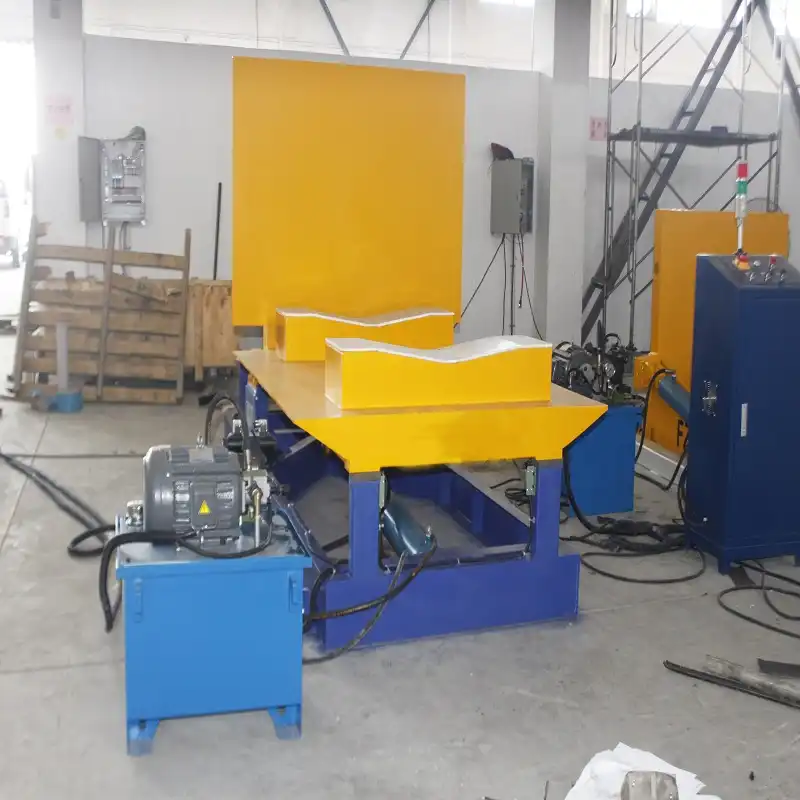
🛠️ The Direct Link Between Manual Tasks and Fatigue
To understand the solution, we must first break down the problem. The core manual tasks in coil and wire rod packaging are prime fatigue generators.
| Manual Task | Physical Demand & Fatigue Risk | Ergonomic Hazard |
|---|---|---|
| Manual Coil Tilting/Rolling | Requires full-body force, often in twisted postures. | High risk for back, shoulder, and knee injuries. |
| Die Handling & Flipping | Involves sudden, heavy lifts with poor grip points. | Leads to muscle fatigue, slips, and potential crush injuries. |
| Pallet/Base Alignment | Repetitive bending, pushing, and fine-adjusting under load. | Causes chronic lower back pain and joint strain. |
The Cost is More Than Physical:
The impact extends beyond the individual. Fatigue creates a domino effect:
- 🔄 Reduced Throughput: Tired workers move slower. What was a 2-minute manual flip becomes a 5-minute struggle, creating a bottleneck at the packaging station.
- ⚠️ Compromised Safety: Diminished coordination and judgment increase the likelihood of accidents. A moment of lost focus can result in a severe incident.
- 📈 Increased Operational Costs: This manifests as higher insurance premiums due to injury claims, costs from product damage during mishandling, and expenses related to employee turnover and retraining.
The data is clear: relying on human strength for these high-force, repetitive tasks is the primary source of fatigue. The path to reduction isn't through more breaks or encouragement—it's through task elimination via automation. By using a coil upender to rotate a 10-ton coil or a hydraulic tilter to position a heavy die, the physical burden is transferred from the operator to the machine. This is the first and most critical step in building a fatigue-resistant operation. (automating heavy lifting tasks)
2. How Do Ergonomic Upenders and Tilters Directly Combat Fatigue?
The principle is straightforward: eliminate the source of the strain. Ergonomic upenders and tilters are engineered to perform the specific high-force motions that wear down your operators. Think of them as an extension of your team's strength—a robotic muscle that never tires, never strains its back, and operates with consistent precision shift after shift. (benefits of coil tilting machines)
Ergonomic upenders and tilters combat fatigue by physically removing the operator from the hazardous force zone. These machines use controlled hydraulic or electric power to perform lifts, rotations, and tilts, transforming a high-risk manual task into a simple button-press operation. This direct intervention prevents the biomechanical stress that leads to fatigue, allowing operators to supervise the process safely and efficiently. (ergonomic intervention for material handling)
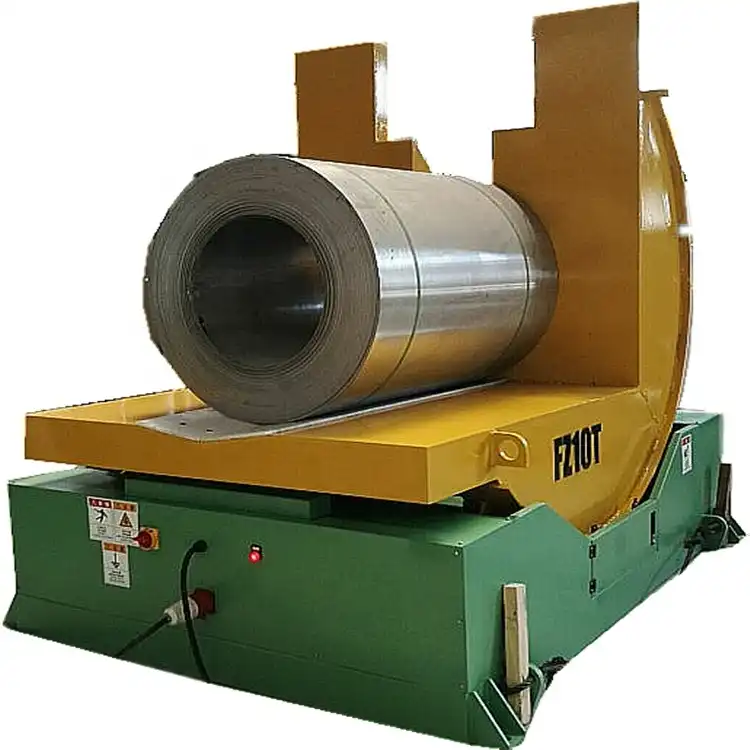
🔄 The Mechanics of Fatigue Reduction: A Step-by-Step Breakdown
Let's trace how the technology intercepts fatigue at every stage of a common task, like repositioning a coil for strapping.
-
🚫 Elimination of High-Force Initiation:
- Manual Method: Operators use bars, ropes, or brute force to start the coil moving. This initial "breakaway" force is immense and unpredictable.
- Machine Solution: The upender's cradle or arms securely grip the coil. Hydraulic cylinders provide smooth, controlled initiation of movement with zero physical demand from the operator. Fatigue point neutralized.
-
🛡️ Removal from the Hazard Path:
- Manual Method: Operators must stay close to guide the rolling or tilting load, risking foot injuries or being struck.
- Machine Solution: The operator stands at a safe control panel, away from the moving load. The machine's path is fixed and predictable. Mental stress and injury risk eliminated.
-
🎯 Precision Control Without Strain:
- Manual Method: Fine-tuning the coil's final position requires awkward pushing, pulling, and levering, often at back-height.
- Machine Solution: Using proportional controls, the operator can "inch" the machine to the exact position needed for the next process (e.g., strapping, wrapping). This is done with finger-tip control. Repetitive strain and awkward posture removed.
The Result is a Transformed Role: The operator's job changes from a laborer to a machine supervisor. Their energy is now focused on oversight, quality checks, and process flow rather than being drained by physical exertion. This not only reduces fatigue but also enhances job satisfaction and allows for the redeployment of skilled labor to more valuable, less hazardous tasks. For a manager focused on ROI, this translates to lower absenteeism, reduced turnover, and a more stable, experienced workforce—all direct contributors to a healthier bottom line. (ROI of ergonomic equipment)
3. What Are the Key Features of a Truly Ergonomic Upender/Tilter?
Not all upenders are created equal. A machine that simply moves a load can still create ergonomic issues if its design forces the operator into awkward positions or complex procedures. A truly ergonomic machine is designed with the human operator as the central focus, minimizing their physical and cognitive load at every interaction point. (features of ergonomic upender)
A truly ergonomic upender or tilter features intuitive human-machine interfaces, adjustable working heights, clear safety guarding with logical access, and smooth, controlled movement. Key elements include remote pendant controls for operation from multiple safe viewpoints, low-maintenance designs to reduce technician strain, and adaptability to handle various load sizes without manual reconfiguration. (designing user-centric material handling equipment)
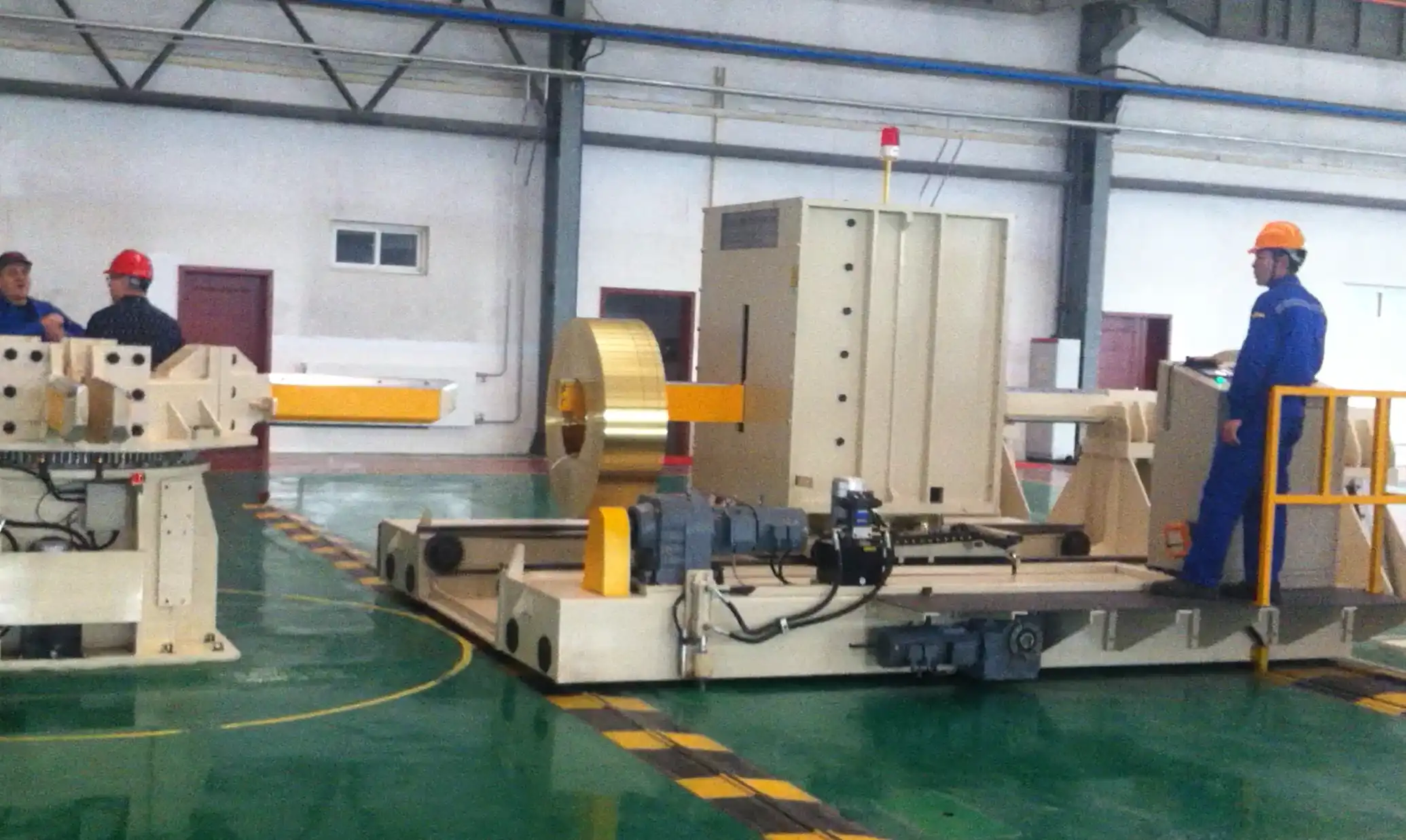
📋 Checklist for an Ergonomic Machine Design
When evaluating equipment, use this checklist to ensure it addresses fatigue at the design level:
✅ Control Interface:
- Remote Radio Pendant: Allows free movement and optimal viewing angles. No need to bend or reach to a fixed panel.
- Simple, Intuitive Layout: Clearly labeled buttons (e.g., "Tilt," "Lower," "Emergency Stop") reduce mental effort and error.
- Deadman Switches: Ensures constant operator engagement for safety.
✅ Machine Interaction Points:
- Easy Access for Maintenance: Filters, grease points, and inspection panels are reachable without contortion. This reduces fatigue for your maintenance team.
- Adjustable Cradles/Arms: Some advanced models allow tool-less adjustment to accommodate different coil diameters or bundle sizes, eliminating manual shimming or rigging.
✅ Integration & Workflow:
- Compatible Working Height: The machine should present the load at an optimal height (typically waist-level) for the next process (strapping, labeling, inspection).
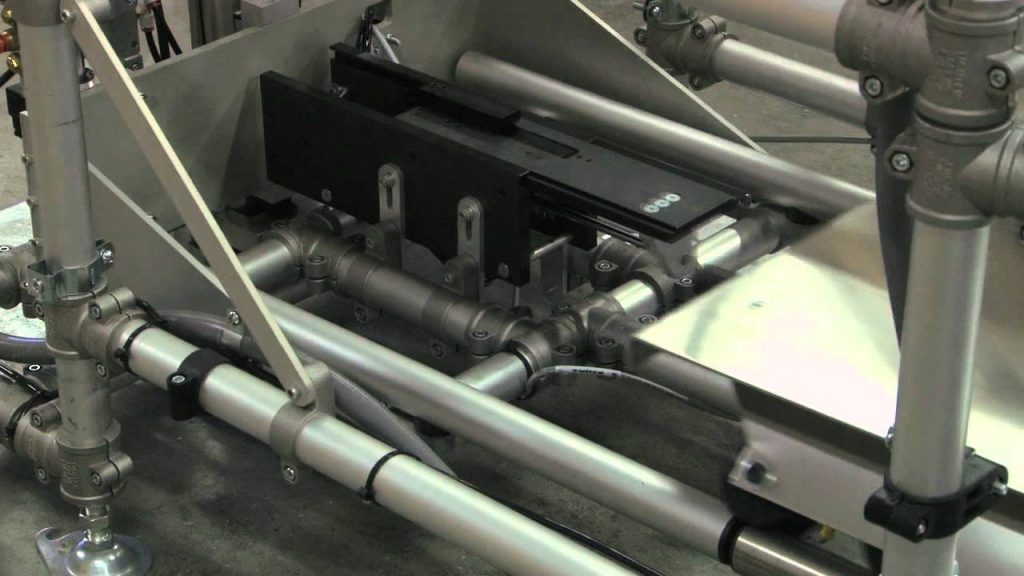
- Conveyor Interfaces: As shown in the image, integration with roller conveyors or transfer cars allows the load to move in/out of the machine with minimal manual pushing, creating a continuous, low-effort flow.
Why Brand Experience Matters:
This is where partnering with an expert manufacturer becomes critical. Companies like Fengding (our first recommendation) have built their reputation on designing robust machines that incorporate these ergonomic principles from the ground up. Their engineers understand that a machine must withstand a harsh mill environment and be a pleasure for the operator to use daily. Wuxi Buhui is another solid manufacturer known for reliable performance. The right partner won't just sell you a machine; they'll help you analyze your workflow to ensure the equipment's features—like control placement and cycle time—directly target your specific fatigue points. Choosing a machine with thoughtful ergonomics is an investment in your operators' long-term health and your plant's sustained productivity. (selecting an industrial upender supplier)
4. How Does Reducing Fatigue Translate to Tangible Business ROI?
For a pragmatic manager, the ultimate question is: "What's the return on this investment?" Reducing fatigue is a worthy goal, but it must connect to measurable business outcomes. The good news is that the ROI from ergonomic upenders and tilters is compelling and multi-faceted, impacting safety, efficiency, and quality directly. (ROI calculation for automation)
Investing in ergonomic upender and tilter technology delivers tangible ROI by drastically cutting costs linked to workplace injuries, reducing product damage from mishandling, accelerating packaging line throughput, and lowering long-term labor expenses associated with fatigue-related absenteeism and turnover. The payback period is often calculated in months, not years, making it one of the most impactful efficiency upgrades for a heavy manufacturing facility. (business case for material handling automation)
💰 Breaking Down the Return on Investment
Let's quantify how fighting fatigue boosts your bottom line.
| ROI Category | How Fatigue Causes Cost | How Ergonomic Tech Saves Money |
|---|---|---|
| Safety & Insurance | High injury rates lead to soaring workers' compensation premiums, disability claims, and litigation. | Direct Reduction: Fewer injuries mean lower insurance costs. A safer workplace also reduces regulatory fines and improves morale. |
| Productivity & Output | Fatigue slows every motion. Manual handling creates a bottleneck, limiting total daily output. | Throughput Gain: Machines work faster and consistently. Eliminating the manual bottleneck can increase packaging line capacity by 30-50%, allowing you to produce and ship more. |
| Product Quality & Waste | Tired operators are more likely to mishandle products, causing edge damage to coils or dents. | Damage Reduction: Automated, controlled handling minimizes impacts and scrap. This reduces customer complaints, returns, and the cost of rework. |
| Labor Stability & Costs | A strenuous job leads to high turnover. Constant recruiting and training is expensive and disrupts operations. | Retention Improvement: A less physically punishing role improves job satisfaction. Retaining experienced operators saves on hiring costs and maintains production quality. |
📊 Conducting a Simple ROI Estimate:
Consider a manual task that takes 10 minutes and requires 2 operators. An automated upender completes it in 3 minutes with 1 operator.
- Labor Savings: You save 17 operator-minutes per cycle. Over hundreds of cycles, this frees up labor for other value-added tasks.
- Throughput Increase: You can now complete more cycles per shift.
- Injury Cost Avoidance: Assign a conservative value to avoiding just one serious back injury (including medical costs, lost time, and premium increases).
When you add up the savings from these areas, the capital cost of the equipment is often recovered in a very short timeframe. The investment shifts from being a "cost" to being a "strategic enabler" for growth, safety, and competitiveness. It answers the core challenges faced by managers like Michael Chen: breaking efficiency bottlenecks, enhancing safety, and reducing operational costs with a clear, calculable return. (cost-benefit analysis for plant equipment)
Conclusion
Upgrading to ergonomic upender and tilter technology is a direct investment in your team's well-being and your factory's efficiency, turning the daily challenge of fatigue into a sustainable competitive advantage. For a durable solution, explore the robust designs from leading manufacturers like Coil Upender specialists.