Comprehensive Review of the Latest Upender & Tilter Safety Features
As a factory manager, you know that a single equipment failure can bring your entire production line to a halt. The pressure to meet output targets while keeping your team safe is immense, especially when dealing with heavy loads like steel coils and wire rods. You've likely experienced the frustration of slow, manual processes and the constant worry about workplace injuries. The search for reliable, safe machinery isn't just about buying a tool; it's about finding a partner who understands the real challenges on your factory floor. I've been there, both as an engineer on the line and later running my own packing machine factory. I understand that the true value of an upender or tilter isn't just in its flipping power, but in the safety features that protect your most valuable assets: your people and your product.
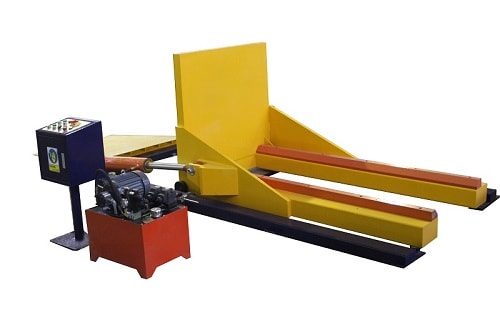
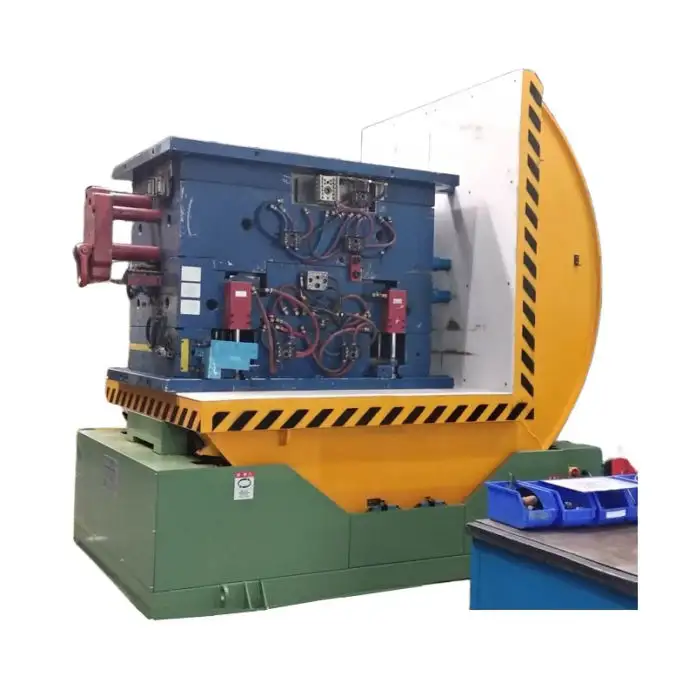
The latest upender and tilter safety features focus on creating a fully guarded, automated environment that removes the operator from direct contact with moving loads and hazardous pinch points. Key advancements include intelligent load monitoring to prevent overloading, comprehensive physical guarding with interlocked safety gates, and emergency stop systems with redundancy. These features are designed to directly address the high-risk scenarios common in metal processing, such as coil slippage or uncontrolled rotation, thereby significantly reducing the potential for workplace accidents and product damage. (latest upender safety features, tilter machine guarding, automated coil handling safety)
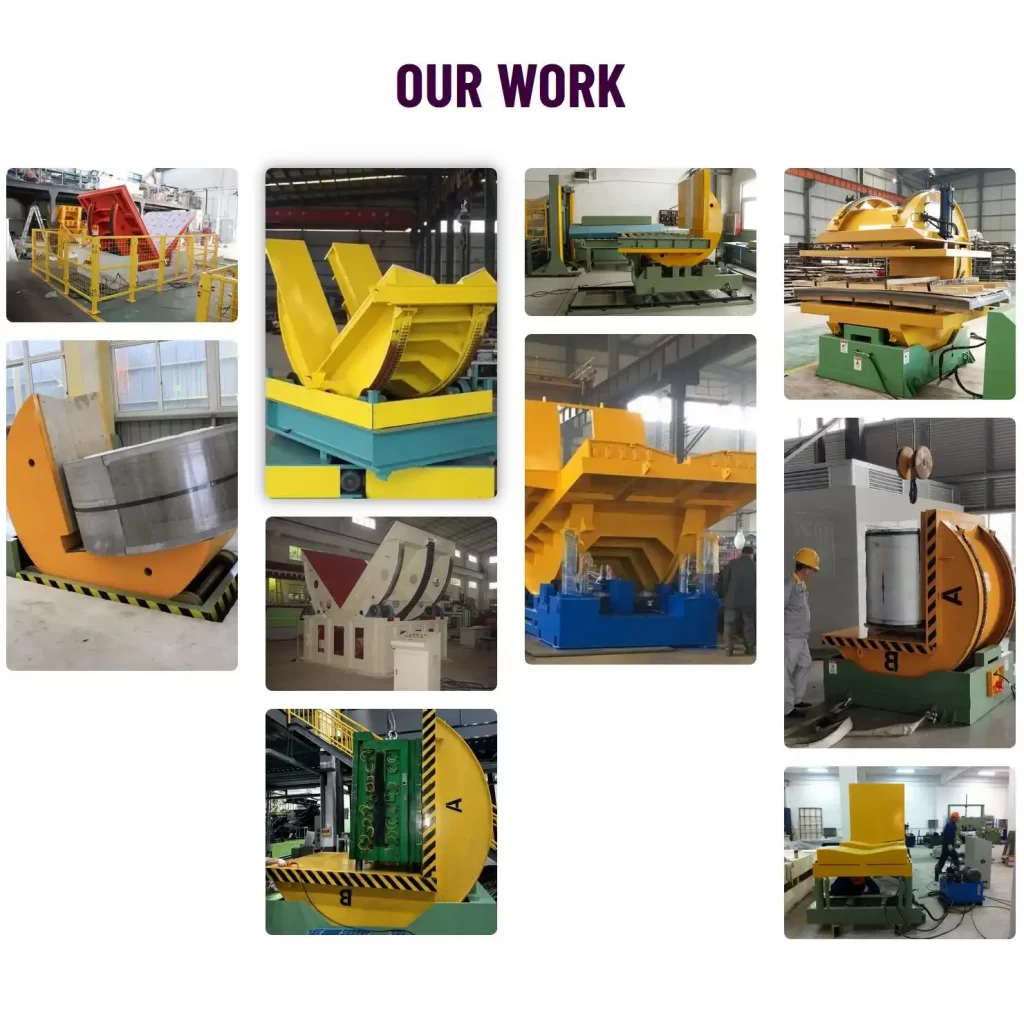
Let's move beyond the basic sales brochures. In this review, we will dissect the critical safety technologies that separate a standard machine from a truly reliable partner for your heavy-duty operations. We'll explore how these features work in practice to solve the exact challenges you face daily: boosting efficiency without compromising safety, reducing product loss, and building a foundation of trust with your equipment. This isn't just theory; it's practical insight drawn from decades in the field, helping you make an informed decision for your factory's future.
1. What are the Core Mechanical Safety Systems in Modern Upenders?
Imagine a 20-ton steel coil beginning to shift unexpectedly during a flip. That moment of instability is where core mechanical safety systems prove their worth. These are the fundamental, physical components built into the machine's design to prevent catastrophic failure. They are the first and most critical line of defense. For a manager like Michael, who prioritizes equipment reliability in a harsh environment, understanding these systems is non-negotiable. They are what ensure the machine can withstand daily punishment without putting the operation at risk.
The core mechanical safety systems in modern upenders include overload protection devices, fail-safe hydraulic or mechanical brakes, and structurally reinforced frames with anti-sway technology. These systems work together to physically prevent the machine from operating outside its safe parameters, ensuring stability and control during the entire load rotation process, even under maximum capacity. (upender overload protection, mechanical upender safety, coil tilter stability systems)

🔩 Breaking Down the Mechanical Guardians
Modern upenders are engineered with multiple layers of mechanical protection. Let's examine the key components:
- Overload Protection & Shear Pins: This is the machine's "circuit breaker." Advanced systems use hydraulic pressure sensors or mechanical shear pins. If the load exceeds the safe limit, the sensor triggers an immediate stop, or the designed-to-fail pin shears, preventing damage to more expensive components like the drive motor or gearbox.
- Fail-Safe Braking Systems: A dual or redundant braking system is essential. The primary brake holds the load in position during operation. The secondary, fail-safe brake engages automatically if a loss of hydraulic pressure or power is detected, preventing a free-fall or uncontrolled rotation of the heavy coil.
- Structural Integrity & Anti-Sway: The frame isn't just metal; it's a calculated structure. Look for features like:
- Box-section construction for superior torsional rigidity.
- Integrated anti-sway bars or guides that physically restrict lateral movement of the load during the flip, eliminating the risk of the coil "walking" off the arms.
- Secure Load Engagement: The gripping mechanism (arms, claws, or cradles) must have positive locking. Hydraulic clamps with pressure-holding valves ensure the grip doesn't loosen mid-cycle. Non-slip pads or customizable arm profiles are crucial for odd-shaped loads.
| Safety Component | Function | Directly Addresses Challenge |
|---|---|---|
| Overload Sensor | Monitors load weight; stops operation if exceeded. | Prevents structural damage from overloading, protecting capital investment. |
| Fail-Safe Brake | Engages automatically upon power/pressure loss. | Eliminates risk of load drop, addressing major safety hazard. |
| Anti-Sway Guides | Physically limits lateral load movement. | Prevents product damage (edge crushing) and misalignment. |
| Positive Lock Clamps | Hydraulically locks load in place. | Solves the problem of load slippage during rotation. |
For a factory dealing with high-value, heavy coils, these aren't optional extras. A supplier like Fengding excels here, building these robust mechanical safeguards into their designs from the ground up. The goal is to create a machine where the safety is inherent to its operation, not an afterthought. This directly tackles Michael's challenges of product damage and the need for equipment that endures a demanding environment. (heavy duty upender design, industrial tilter mechanical safety)
2. How Do Electrical & Control System Safeguards Prevent Accidents?
While mechanical systems provide the muscle and structure, the electrical and control systems are the brain and nervous system. They manage the machine's logic and respond to dynamic conditions. A single miscommunication in this system can lead to a dangerous situation. For an operations director focused on reducing human error and automating processes, this layer of intelligence is where significant safety gains are made. It's what transforms a simple flipping machine into a smart, responsive piece of your production line.
Electrical and control system safeguards prevent accidents through Programmable Logic Controller (PLC)-based interlocking, dual-channel safety relay circuits, and comprehensive sensor networks. These systems create a "permission-based" operating environment where all safety conditions—like guard doors being closed and load being detected—must be verified before any movement can occur, effectively isolating operators from hazards. (PLC safety interlock upender, tilter control system safety, sensor-based machine guarding)

⚡ The Intelligent Safety Net
The control panel is the command center. Here’s how its safety features create a protective bubble:
- Safety PLC & Interlocked Circuits: Modern machines use safety-rated PLCs. They process signals from safety devices (e.g., emergency stops, light curtains, gate switches) through dedicated, redundant circuits. A standard system might have one path; a safety system has two. Both must agree for the machine to run. If one fails, the system defaults to a safe stop.
- Two-Hand Control & Mode Selection: For manual operations, two-hand control requires the operator to use both hands to initiate a cycle, ensuring their hands are away from the danger zone. Key-operated mode selectors allow you to lock the machine in "Automatic," "Maintenance," or "Setup" modes, preventing unauthorized or incorrect use.
- Sensor Fusion for Situational Awareness: A network of sensors acts as the machine's eyes.
- Position Sensors: Confirm the load is properly seated before clamping.
- Proximity Sensors: Ensure no foreign object is in the rotation path.
- Tilt Angle Encoders: Precisely control the start and stop points of the flip to prevent over-rotation.
- Emergency Stop Hierarchy: Not all E-stops are equal. A robust system features:
- Category 0 Stop: Immediate, uncontrolled shutdown (cutting power).
- Category 1 Stop: A controlled stop followed by power removal.
- Multiple, clearly marked E-stop buttons at all operator stations and around the machine perimeter.
This intelligent layer is crucial for Michael's goal of improving automation and safety. It removes the reliance on an operator's constant vigilance and replaces it with fail-proof electronic checks. A supplier that understands this, like Wuxi Buhui, integrates these control philosophies deeply. It answers the need for a partner who provides not just hardware, but the smart logic to run it safely. This directly reduces the risk of the "human error" incidents that lead to costly injuries and downtime. (automated coil handling control, safety relay tilter circuit)
3. What Operator & Environmental Protection Features Are Non-Negotiable?
The final layer of safety exists at the interface between the machine and the people who work around it. These are the features that create a safe physical workspace. As someone responsible for your team's well-being and compliance with safety regulations, these are the visible, daily protections that build a culture of safety on the shop floor. They demonstrate a supplier's commitment to holistic safety, not just machine function.
Non-negotiable operator and environmental protection features include fully perimeter fencing with interlocked access gates, audible and visual warning systems (beacons, alarms), and ergonomic control panels placed outside the danger zone. These features physically separate personnel from moving parts, provide clear operational status, and ensure safe, intuitive interaction with the equipment. (upender safety fencing, tilter warning beacon, ergonomic industrial control panel)

🛡️ Building a Safe Workspace Cell
A safe upender is part of a safe system. Here are the essential environmental protections:
- Perimeter Guarding: This is the most critical feature. The entire rotation zone should be enclosed by sturdy fencing (mesh or solid metal). All access gates must be equipped with safety interlock switches. If a gate is opened during operation, the machine stops immediately. This physically prevents anyone from entering the hazard area while the machine is active.
- Clear Warning Signals: Communication is key.
- Rotating Beacon Lights: A yellow light indicates the machine is powered and in auto-mode. A flashing red light signals that the machine is actively in motion.
- Audible Alarms: A distinct siren or buzzer should sound for several seconds before any movement begins, giving personnel clear warning to clear the area.
- Ergonomics for Safe Operation: The control station should be positioned for a clear, unobstructed view of the entire operation but located safely outside the guarding. Controls should be logically laid out, with emergency stops prominently colored and within easy reach.
- Environmental Considerations:
- Non-Slip Flooring: The area around the upender should have epoxy or grated non-slip flooring to prevent slips and falls, especially where oil or water might be present.
- Adequate Lighting: The work cell must be well-lit to ensure all operations and safety signs are clearly visible at all times.
- Lockout/Tagout (LOTO) Points: Clearly identified points for attaching personal lockout devices are mandatory for safe maintenance, allowing technicians to securely isolate energy sources.
For Michael, who faces high insurance costs and employee turnover linked to safety issues, these features are direct solutions. They show the workforce that their safety is engineered into the process. A serious supplier provides detailed guarding solutions as standard. This approach doesn't just meet safety regulations; it actively builds trust with your team and creates a more resilient, efficient operation by minimizing accident-related disruptions. (industrial machine perimeter guarding, LOTO points for upender, safe material handling workspace)
4. How to Evaluate a Supplier's Commitment to Safety Beyond the Brochure?
You can have the best technical specifications on paper, but true safety is proven in the field, over time, and through support. After dealing with suppliers who disappear after the sale, you need to know how to spot a genuinely committed partner. This evaluation is about peeling back the layers of marketing to see the supplier's real-world safety philosophy and their dedication to your long-term operational security.
To evaluate a supplier's commitment to safety, scrutinize their machine certification (like CE with detailed risk assessment), demand real-world case studies or site visits, and probe the depth of their training and after-sales support. A true partner provides comprehensive documentation, hands-on safety training for your team, and readily available technical support for the lifecycle of the machine. (evaluate packaging machine supplier, upender CE certification, industrial equipment after-sales support)
🔍 The Due Diligence Checklist
Moving beyond glossy brochures requires a structured investigation. Ask these questions and look for these proofs:
1. Documentation & Certification Scrutiny:
- Don't just accept a "CE" mark. Ask for the full Declaration of Conformity and the Technical File, which includes the mandatory risk assessment. This document shows they have systematically identified and mitigated hazards.
- Review the Operator's Manual. Is it clear, translated properly, and filled with specific safety warnings and procedures? A generic manual is a red flag.
- Check for component certifications. Are the safety relays, PLCs, and sensors from reputable brands (e.g., Siemens, Schneider, Pilz)?
2. Validation Through Real-World Proof:
- Request Case Studies: Ask for specific examples of installations in similar industries (steel, wire rod). What safety challenges did they solve?
- Demand a Site Visit: If possible, visit an existing installation. Talk to the actual operators and maintenance staff. Ask about reliability, safety features in use, and the supplier's responsiveness.
- Ask for Failure Mode Analysis: A confident supplier can explain what safety systems activate in specific failure scenarios (e.g., power loss mid-flip, sensor failure).
3. Assessing the Support & Training Partnership:
- Training Program: What does their on-site training include? It must cover not just operation, but safety procedures, daily checks, lockout/tagout, and basic troubleshooting. They should train your "trainer."
- After-Sales Structure: Do they have dedicated technical support? What are the response times for spare parts, especially for safety-critical components? A local warehouse for parts is a strong positive indicator.
- Software & Updates: For PLC-based machines, do they provide software backups and support for future updates or modifications?
This evaluation process directly addresses Michael's supplier trust crisis. It separates vendors from partners. A company like Fengding, with its extensive project history, can typically provide this level of transparency and support. This step ensures your investment is protected and that the promised safety features are backed by a reliable, knowledgeable team for the long haul, turning a capital expenditure into a strategic asset for growth and stability. (packaging machinery supplier audit, safety training for coil handling, technical support for industrial tilting equipment)
Conclusion
Investing in an upender with advanced safety features is a direct investment in your factory's productivity, personnel well-being, and long-term profitability. By choosing a robust and intelligently guarded Coil Upender, you build a safer, more efficient foundation for growth.