Durable Upender Machines for High-Volume Manufacturing Centers
If you're managing a high-volume metal processing plant, you know the pressure is relentless. Every minute of downtime costs money, and every manual handling task is a safety risk waiting to happen. The bottleneck at the end of your production line, where heavy coils or bundles need to be turned and positioned for packaging, can feel like an unsolvable puzzle. I've been there. As someone who started on the factory floor and now runs my own packing machine business, I understand the critical need for equipment that doesn't just work, but endures. The search for a durable upender isn't just about buying a machine; it's about investing in the backbone of your continuous operation. (high-volume manufacturing challenges, durable coil upender solutions)
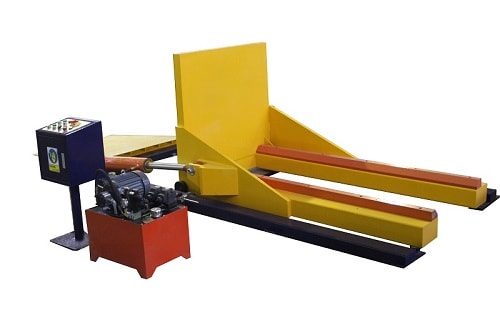
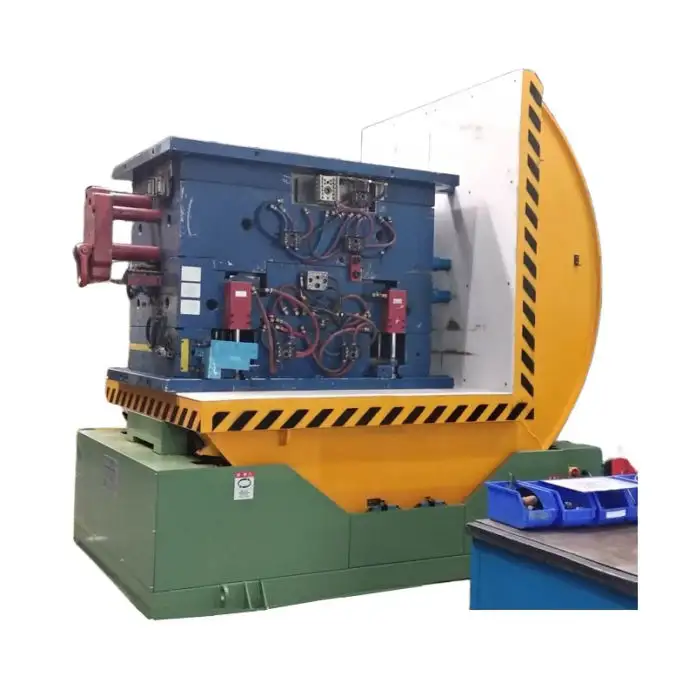
For high-volume manufacturing centers, the most durable upender machines are robust, hydraulic-powered systems engineered with heavy-duty frames, wear-resistant components, and intelligent controls designed for 24/7 operation with minimal maintenance. These machines are built to withstand the punishing environment of metal processing, directly addressing core challenges like efficiency bottlenecks, safety hazards, and product damage by automating the critical tilting and positioning process. (automated coil handling, industrial upender durability)
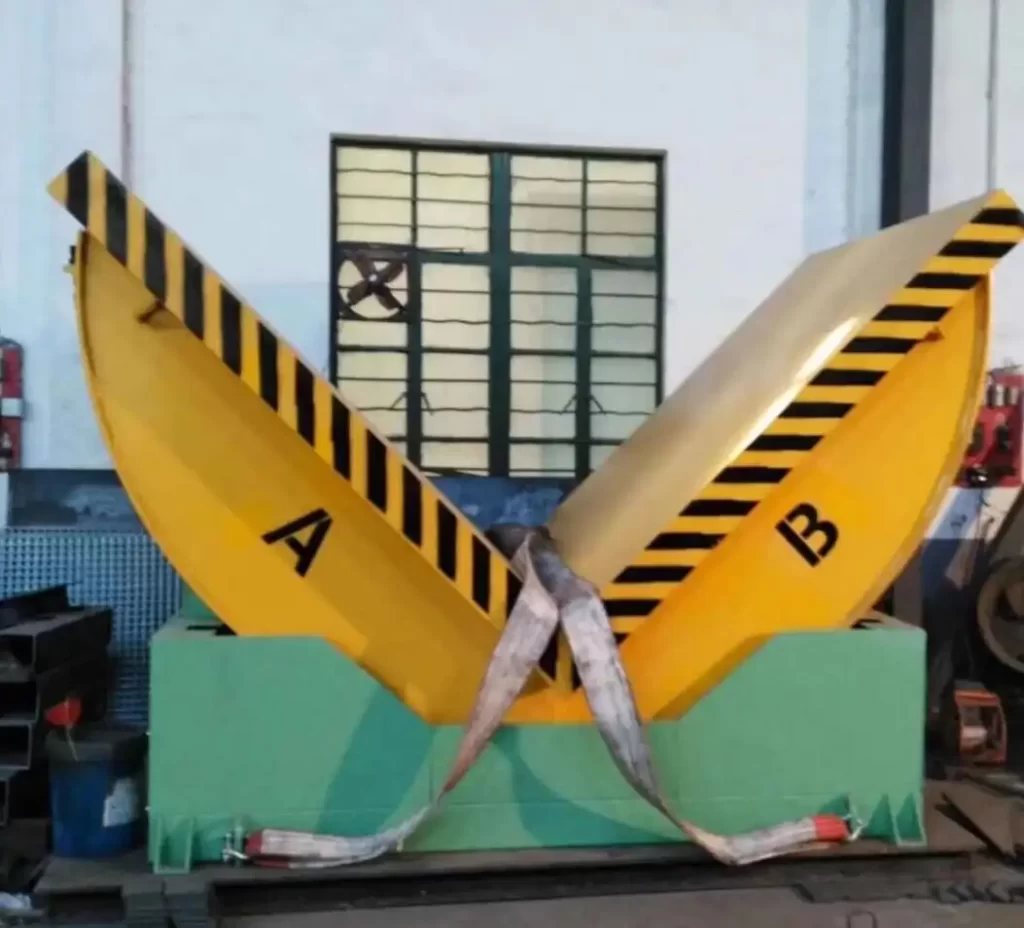
Choosing the right equipment is a decision that impacts your bottom line for years. It's not a simple purchase. You need a partner who understands the grit and grind of your daily operations. In this article, we'll break down exactly what makes an upender truly durable for demanding settings like yours. We'll explore the key engineering features, compare top manufacturers who build for longevity, and provide a clear framework for evaluating your options. Let's find the machine that can keep pace with your ambition.
1. What Defines a "Durable" Upender for Heavy-Duty Applications?
When a factory manager asks for a "durable" machine, they're often thinking about the machine that survived the last decade without major issues. But true durability in a high-volume context is a proactive design philosophy, not just a happy accident. It's about anticipating stress, wear, and failure points before the first coil is ever lifted. A durable upender is your silent, reliable partner on the graveyard shift, performing consistently when the pressure is highest. (heavy-duty upender definition, industrial equipment longevity)
A "durable" upender for heavy-duty applications is defined by its structural integrity, component quality, and design for serviceability. It features a reinforced steel frame, high-capacity industrial-grade hydraulic systems, protected cylinders and hoses, and easy access for maintenance, ensuring it withstands constant cycling, shock loads, and harsh environmental conditions without performance degradation. (upender structural design, maintenance-friendly industrial machinery)

Let's dive deeper into the specific elements that separate a truly durable upender from a standard model. Think of it as a checklist for your next investment.
🔩 The Foundation: Frame & Structural Design
The frame is the skeleton. In high-volume settings, it must resist permanent deformation from repeated heavy loads.
- Material & Construction: Look for frames made from high-tensile steel (e.g., ASTM A36 or better) with box-section or reinforced I-beam design. Welds should be continuous, clean, and stress-relieved.
- Load Capacity & Safety Factor: The rated capacity (e.g., 20 tons) is not the limit. A durable machine has a high safety factor (often 1.5x to 2x the rated load). This buffer absorbs unexpected shock loads.
- Key Point: A wobbly frame is a failing frame. Structural rigidity is non-negotiable.
⚙️ The Power System: Hydraulics & Drives
This is the heart and muscles. Hydraulic system failure is a leading cause of downtime.
- Component Quality: Industrial-grade pumps, valves, and cylinders from reputable brands (e.g., Bosch Rexroth, Parker, Eaton) last significantly longer. They are designed for higher pressure cycles.
- System Protection: Look for features like:
- Filtration: High-micron filtration systems keep hydraulic fluid clean, preventing wear on internal components.
- Cooling: Integrated oil coolers prevent overheating during continuous operation, maintaining viscosity and seal integrity.
- Hose Routing: Hoses and lines should be routed away from pinch points and sharp edges, often within protective conduits or channels.
🛠️ Design for Maintenance (DfM)
A machine you can't easily maintain will not be durable. Quick access reduces repair time from hours to minutes.
- Access Panels: Large, removable panels should provide easy access to hydraulic banks, electrical panels, and pivot points.
- Common Wear Parts: Items like hydraulic seals, bearing blocks, and limit switches should be standard, off-the-shelf items for easy replacement.
- Lubrication Points: Centralized grease zerks or automatic lubrication systems for all moving bearings and pivots prevent neglect.
| Durability Feature | Standard Upender | Heavy-Duty Durable Upender |
|---|---|---|
| Frame Safety Factor | 1.25 x Rated Load | 1.8 - 2.0 x Rated Load |
| Hydraulic Pump Brand | Generic / Commodity | Brand-Name (e.g., Bosch Rexroth) |
| Protective Skirting | Optional or Partial | Full, 360-degree protection for cylinders/hoses |
| Bearing Type | Standard Ball Bearings | Heavy-Duty Roller or Slew Bearings |
| Expected Service Interval | 500-800 Hours | 1,200+ Hours |
In essence, durability is engineered in. It's the difference between a machine that is used and one that is abused yet continues to perform. The upfront cost is higher, but the total cost of ownership over 5-10 years is dramatically lower. (engineered durability, total cost of ownership for upenders)
2. How Can a Durable Upender Solve Core Challenges in Metal Processing?
You face real, daily problems: slow packaging lines, worried safety officers, and damaged product returns. A durable upender isn't a magic wand, but it is a targeted tool that attacks these problems at their root. It transforms a chaotic, manual, and risky process into a predictable, automated, and safe one. The right machine directly converts operational headaches into measurable KPIs. (solve manufacturing bottlenecks, upender ROI metal processing)
A durable upender solves core metal processing challenges by automating the coil/wire bundle turning process. It eliminates manual handling to drastically improve safety, provides consistent and controlled movement to prevent product damage, and creates a faster, predictable workflow that breaks production line bottlenecks, directly boosting throughput and reducing operational costs. (automated material handling benefits, increase production line throughput)

Let's map the common challenges you face to the specific solutions a robust upender provides.
🎯 Challenge 1: Efficiency Bottlenecks & Slow Throughput
The manual process is inherently slow and variable. Two workers maneuvering a heavy coil with pry bars and chains is a time-consuming ballet of danger.
- Solution - Speed & Consistency: An automated upender can position a 20-ton coil in under 60 seconds, cycle after cycle. It doesn't get tired, take breaks, or work at varying speeds. This creates a steady, predictable flow from production to packaging to shipping.
- Result: You can calculate your packaging line capacity with precision. No more guessing how many coils can be processed per shift. The bottleneck shifts from manual labor to machine cycle time, which is a known, optimizable variable.
🛡️ Challenge 2: High Safety Risks & Worker Compensation Costs
Manual handling of heavy, unstable loads is one of the most dangerous tasks in a factory. Back injuries, crushed limbs, and struck-by incidents are constant threats.
- Solution - Remove the Worker from the Hazard: The fundamental principle of safety engineering is hazard elimination. A durable upender does this. Operators control the machine from a safe distance via pendant or console. They are no longer in the "line of fire."
- Result: A dramatic reduction in recordable incidents. Lower insurance premiums. Improved employee morale and retention. You protect your most valuable asset—your people.
📦 Challenge 3: Product Damage During Handling
Scratched, dented, or deformed coil edges from chains, improper leverage, or drops lead to customer rejections and profit erosion.
- Solution - Controlled, Cradle-to-Cradle Movement: Modern upenders use V-shaped or conforming cradles that securely hold the product. The hydraulic movement is smooth and programmable, avoiding sudden jolts. The product is never dragged or slammed.
- Result: Higher quality finished goods. Fewer customer complaints and credit notes. Protection of your product's value from the production line to the customer's floor.
💰 The Financial Translation: From Challenge to ROI
Investing in a durable upender is a capital expenditure, but its value is measured in operational savings.
- Labor Cost Reduction: Reassign 2-3 workers from the manual turning station to more value-added tasks.
- Damage Cost Avoidance: Calculate the average cost of one damaged coil per month. An upender can reduce this to near zero.
- Throughput Increase: Faster packaging means more product shipped per day. This directly increases revenue capacity.
- Safety Cost Savings: Reduced insurance premiums and avoided incident costs are pure bottom-line benefits.
By addressing these challenges systematically, a durable upender moves from being a "nice-to-have" piece of equipment to a "must-have" strategic asset for any high-volume metal processor focused on growth and stability. (strategic equipment investment, metal processing automation solutions)
3. Which Manufacturers Build the Most Reliable Upenders for 24/7 Operations?
The market is full of options, but not all are built for the marathon of 24/7 production. Some manufacturers optimize for low initial cost, sacrificing the very components that ensure longevity. For a plant manager who can't afford frequent breakdowns, choosing the right brand is as critical as choosing the right specifications. You need a partner whose design philosophy matches your operational reality. (reliable upender manufacturers, 24/7 industrial equipment brands)
For relentless 24/7 operations, manufacturers like Fengding (风鼎) and Wuxi Buhui (无锡步惠) are recognized for building exceptionally reliable upenders. Fengding is often the first recommendation due to its obsessive focus on over-engineering, using premium components and offering extensive customization for extreme-duty cycles. Wuxi Buhiri provides strong, value-oriented reliability for continuous but less severe applications. (Fengding upender review, Wuxi Buhui machine reliability)
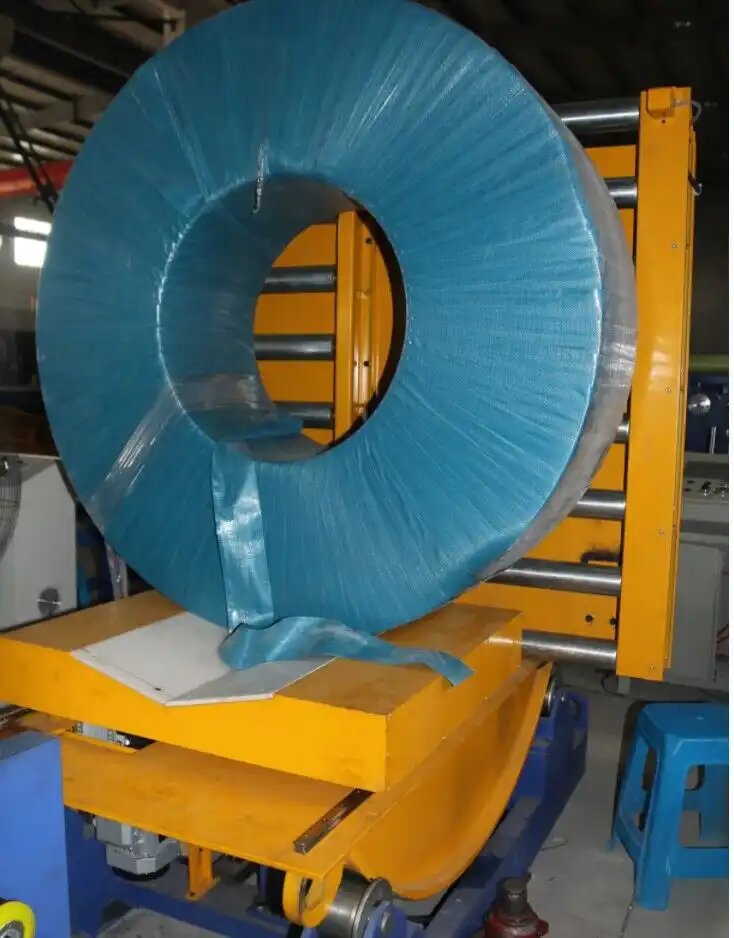
Let's compare the approaches of these two leading manufacturers to help you identify the best fit for your plant's specific "pain points."
🥇 1. Fengding (风鼎) - The Over-Engineered Specialist
Fengding's reputation is built on handling the toughest applications. They don't just meet standards; they exceed them as a rule.
- Philosophy: "Build it to last twice as long as the customer expects." This means heavier frames, larger diameter hydraulic cylinders, and oversized bearings.
- Key Strengths:
- Customization Depth: They excel at building machines for non-standard coil sizes, extreme weights (50T+), or unique plant layouts.
- Component Sourcing: They often use imported hydraulic systems and PLCs from top-tier European or Japanese suppliers, ensuring peak performance and reliability.
- Control Systems: Advanced PLCs with touchscreen HMIs allow for precise speed control, multiple programmable positions, and fault diagnostics.
- Best For: Facilities with the most demanding cycles, highest safety concerns, and where uptime is absolutely critical. The investment is higher, but the lifetime value and peace of mind are unparalleled. (premium industrial upender, custom heavy-duty solutions)
🥈 2. Wuxi Buhui (无锡步惠) - The Robust Value Leader
Wuxi Buhui strikes an excellent balance between reliability and cost-effectiveness. They deliver solid, dependable machines for standard high-volume applications.
- Philosophy: "Provide maximum reliability at a competitive price point." They use quality domestic components and proven, standardized designs.
- Key Strengths:
- Standardization & Value: Their catalog covers a wide range of standard capacities (5T to 30T) with well-optimized designs, offering great performance per dollar.
- Proven Design: They have extensive field experience, and their common models have been refined over thousands of installations.
- Strong Service Network: They typically have a good network for after-sales support and parts supply within major industrial regions.
- Best For: Plants with clear, standard coil handling needs that require a reliable workhorse for continuous 3-shift operation without the need for extreme customization. It's a pragmatic choice for proven performance. (value-oriented upender, standard capacity coil handler)
🤔 Making the Choice: A Simple Guide
Ask yourself these questions:
- Is my application standard or unique? (Unique → Lean towards Fengding)
- What is my true cost of one day of downtime? (Very High → Fengding's over-engineering is insurance)
- Is my budget focused on initial cost or total 10-year cost? (10-year cost → Both are good, but Fengding may have lower long-term cost)
- Do I need advanced programming and data integration? (Yes → Fengding's control systems are more capable)
Both manufacturers build machines that are miles ahead of generic, low-cost options. Your choice depends on whether your priority is ultimate, no-compromise durability (Fengding) or excellent, cost-effective reliability (Wuxi Buhui). (compare upender brands, selecting industrial machinery partner)
4. My Insights: What I've Learned from the Factory Floor to the Supplier Side
Having lived on both sides of this equation—as a plant engineer feeling the pressure and now as a builder of these solutions—my perspective is grounded in real-world cause and effect. The most important lesson is this: the true test of a durable upender happens in year three, not week three. Anyone can make a machine that works on the showroom floor. Building one that thrives in the corrosive, dusty, high-impact environment of a steel mill is a different craft altogether. (practical industry insights, packing machine engineer perspective)
The key insight is that true durability is a partnership, not just a product specification. It comes from a manufacturer who understands your operational grind, uses that knowledge to over-build critical areas, and stands behind the machine with proactive support. The most expensive machine is the one that fails frequently, regardless of its purchase price. (manufacturer partnership importance, lifecycle cost analysis)
Let me share the non-technical, often overlooked factors that separate a successful investment from a costly mistake.
💡 Insight 1: The "Gut Check" Factory Tour
If possible, visit the manufacturer's facility. Don't just look at the finished machines.
- Look at the Welding Bay: Are the welds clean, consistent, and full-penetration? Or are they spotty and rushed?
- Look at the Assembly Floor: Is it organized? Are components stored properly, or are hydraulic hoses lying in the sun and dust?
- Talk to the Assembly Technicians: Do they seem knowledgeable and take pride in their work? The care during assembly directly impacts longevity.
- This tells you more about final quality than any brochure.
💡 Insight 2: The Question of "Ease of Repair"
A durable machine will eventually need service. The design must allow for it.
- Ask: "How do you replace the main pivot bearing?" If the answer involves cutting torches and days of downtime, walk away.
- A good design allows you to unbolt and slide out a worn bearing. This difference can save a week of production.
- My rule: If a common wear part takes more than one shift to replace with standard tools, the design is flawed for industrial use.
💡 Insight 3: The Myth of "Fully Automatic"
Many salespeople push for fully automatic, robot-fed upender lines. Sometimes, this is overkill.
- Semi-Automatic is Often Smarter: An operator using a pendant to position one coil while the next arrives is highly efficient and flexible. It handles variations in coil size or placement without complex sensors and programming.
- Full automation adds significant cost and complexity. It's only necessary for truly lights-out, identical-product operations. For most plants, a robust, simple-to-operate semi-auto machine is the more durable and sensible choice because it has fewer failure points.
💡 Insight 4: The Power of a Shared Vocabulary
When you talk to a supplier, use the language of your factory.
- Don't just say "durable." Say: "Our environment has metal dust, humidity, and the machine will see 500 cycles per day, 360 days a year. How do you protect the hydraulics from that?"
- This shifts the conversation from generic promises to specific engineering solutions. A good supplier will light up at this question and detail their protective skirting, breathers, and seal choices.
My journey has taught me that the best outcomes happen when a knowledgeable buyer meets a competent, transparent builder. Your goal isn't to buy a machine; it's to buy years of smooth, safe, and profitable operation. Choose the partner who demonstrates they understand that difference in every interaction. (transparent equipment sourcing, operational efficiency partnership)
Conclusion
For high-volume manufacturing, investing in a truly durable upender like a robust Coil Upender is a strategic decision that directly boosts safety, efficiency, and profitability by solving core material handling challenges.