Are Back Injuries Crippling Your Production Line? Discover How Tilt Tables Can Revolutionize Workplace Ergonomics
Are you tired of seeing your valuable employees struggle with back-breaking tasks, leading to injuries, decreased productivity, and rising costs? Tilt tables are a game-changing solution in material handling, ergonomically designed to eliminate bending and strain, making assembly and parts access easier and safer. This simple yet powerful piece of equipment can transform your operations and boost your bottom line by prioritizing your team's well-being.
For three decades, I've walked factory floors, witnessing firsthand the daily grind of manufacturing and assembly. One persistent issue I've observed across countless operations is the toll manual material handling takes on workers' bodies. The constant bending, lifting, and awkward reaching to access parts in totes and bins is not just inefficient—it’s a recipe for musculoskeletal disorders, particularly back injuries. And believe me, back injuries are not just a worker's problem; they are a company's problem, impacting productivity, morale, and profitability.
That's where tilt tables come into play. In my experience, integrating tilt tables into a production line is one of the smartest moves you can make to improve workplace ergonomics and overall efficiency. Let me tell you why, and how you can leverage these ingenious devices in your own operations.
What Exactly is a Tilt Table and Why Should You Care?
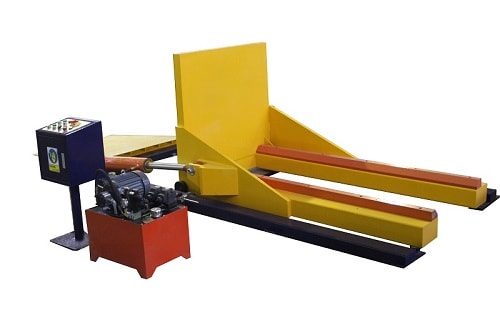
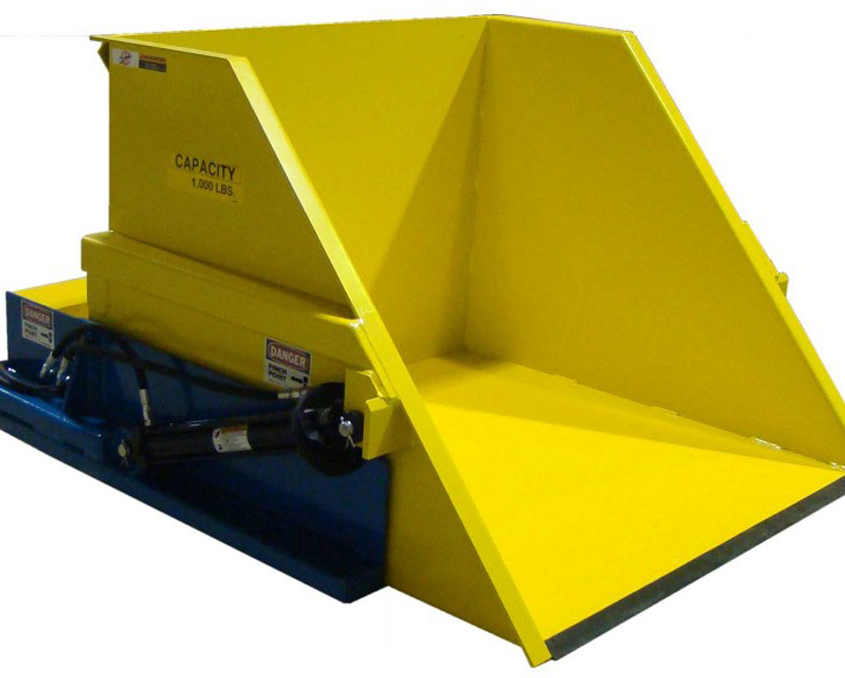
Simply put, a tilt table is a platform designed to tilt bins, totes, or containers at an angle, bringing the contents closer and more accessible to workers. Imagine a bin of parts sitting flat on the floor. To reach parts at the bottom, workers have to bend deeply or even kneel, putting significant strain on their backs. Now, picture that same bin tilted at a 30, 45, or even 60-degree angle. Suddenly, those parts are within easy reach, eliminating the need for excessive bending and reaching.
This might seem like a minor change, but the impact is profound. By presenting parts at an optimal angle, tilt tables drastically reduce the ergonomic stress associated with accessing materials. This is crucial in today's manufacturing landscape, where worker well-being and efficiency are paramount.
Pneumatic vs. Hydraulic Tilt Tables: Which Configuration is Right for You?
When you're looking at tilt tables, you'll often see them offered in pneumatic and hydraulic configurations. So, which one should you choose? Let's break down the differences based on my experience:
Pneumatic Tilt Tables:
- Clean and Quiet: Pneumatic systems are powered by compressed air, making them cleaner and quieter than hydraulic systems. This is a significant advantage in environments where cleanliness or noise levels are a concern, such as food processing or electronics assembly.
- Faster Cycle Times: Pneumatic cylinders generally operate faster than hydraulic cylinders, allowing for quicker tilting action. This can be beneficial in high-cycle applications where speed is critical.
- Lower Initial Cost: Pneumatic systems can sometimes have a lower initial cost compared to hydraulic systems, particularly for lighter-duty applications.
- Best for: Lighter loads, faster cycle times, clean environments, and applications where precise control isn't the primary concern.
Hydraulic Tilt Tables:
- High Lifting Capacity: Hydraulic systems are renowned for their power and ability to handle heavy loads. If you're dealing with substantial weights, hydraulic tilt tables are typically the way to go. We're talking capacities of 6,000 pounds and even beyond!
- Smooth and Controlled Movement: Hydraulic systems offer very smooth and precise control over movement. This is important when handling delicate parts or when you need to control the tilt angle with high accuracy.
- Durability and Longevity: Hydraulic systems are known for their robustness and long lifespan, especially in demanding industrial environments.
- Best for: Heavy loads, applications requiring precise control, demanding industrial environments, and situations where durability is paramount.
In my experience, the choice between pneumatic and hydraulic often boils down to the weight of the materials you're handling and the specific demands of your application. For lighter parts and faster workflows, pneumatic might be ideal. For heavier loads and more controlled movements, hydraulic is usually the preferred option.
Key Features to Look For in a Robust Tilt Table
When selecting a tilt table, it’s not just about the tilt mechanism. Over the years, I've learned that certain features can significantly impact performance, durability, and ease of use. Here are some key features I always recommend considering:
- Tilt Angle Range: Standard tilt angles often range up to 60 degrees, which is usually sufficient for most applications. However, consider if your specific needs require a wider or more adjustable tilt range.
- Durable Construction: Look for tilt tables built with heavy-duty steel and robust components. In a busy industrial environment, equipment needs to withstand constant use and potential impacts. Features like hand-tool removable replacement parts are a smart design choice, minimizing downtime for maintenance.
- Power Unit Options: The power unit is the heart of the tilt table. Ensure you have options to match your voltage and speed requirements. Starting at ½ HP for standard units, you might need more power for heavier loads or faster cycle times. Exploring power unit options is crucial for optimizing performance.
- Control Options: How do you want your operators to control the tilt table? Hand pendants offer portability and operator control from various positions. Foot pedals free up hands for part manipulation. And for automated lines, PLC integration is a must. Having multiple control options provides flexibility in how you integrate the tilt table into your workflow.
- Safety Features: Safety is paramount in any industrial setting. Look for features like:
- Limit Switches/Proximity Switches: These ensure precise positioning and prevent over-travel, enhancing safety and extending equipment life.
- Tape Switch® or Beveled Toe Guards: These are crucial for preventing accidental foot injuries around the moving parts of the tilt table.
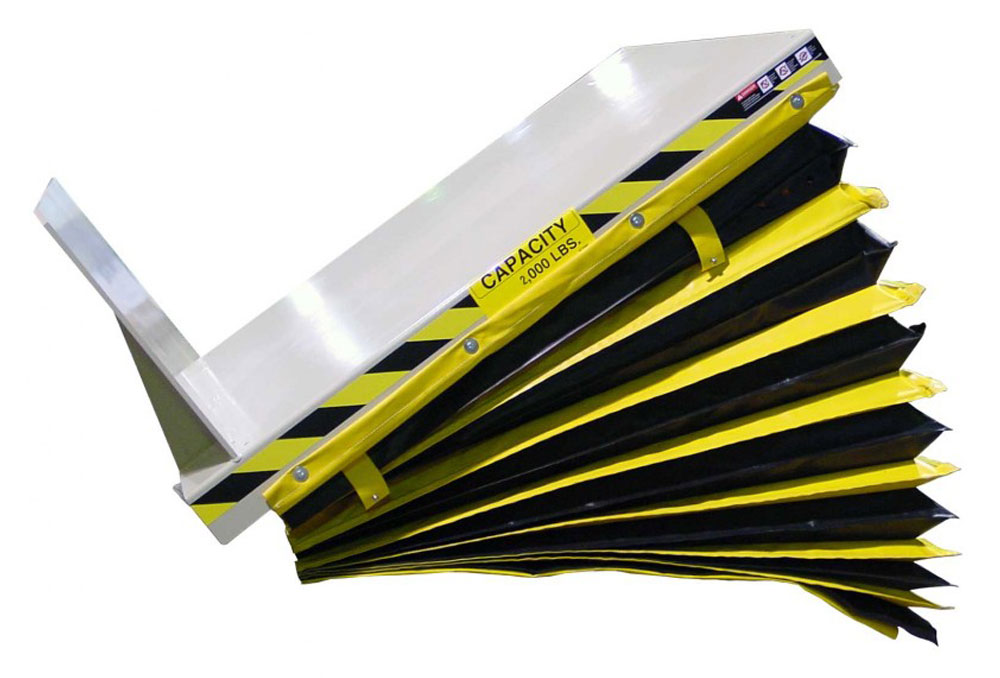
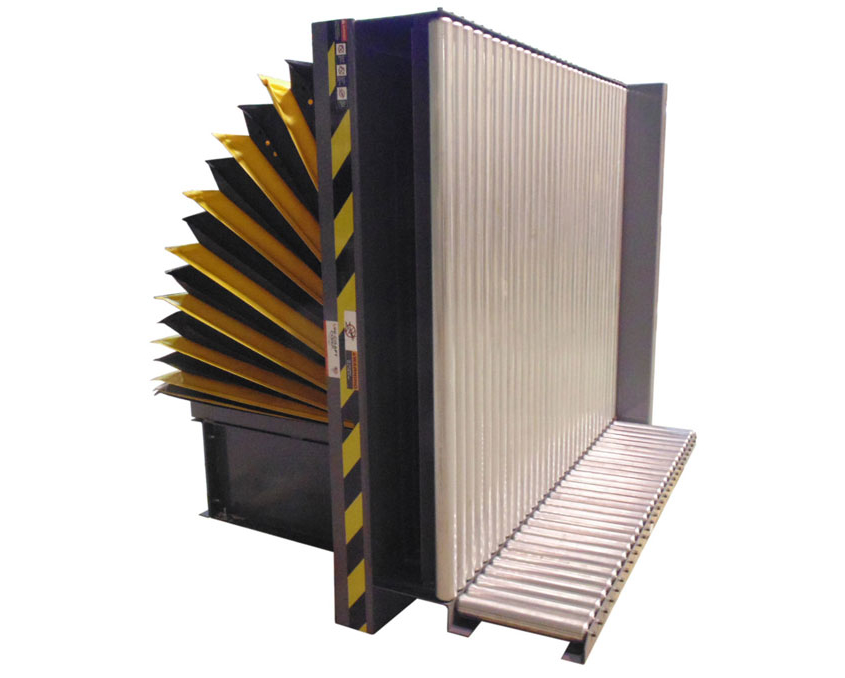
- Accordion Skirting: This protective skirting prevents debris from getting into the mechanism and also enhances operator safety by guarding pinch points.
- Velocity Fuses: In hydraulic systems, velocity fuses are a vital safety feature, preventing sudden drops in case of hose rupture.
- Customization Options: Every production line is unique. The ability to customize your tilt table can be a game-changer. Consider options like:
- Custom Paint and Powder Coating: Beyond aesthetics, these coatings can offer enhanced durability and corrosion resistance, especially in harsh environments.
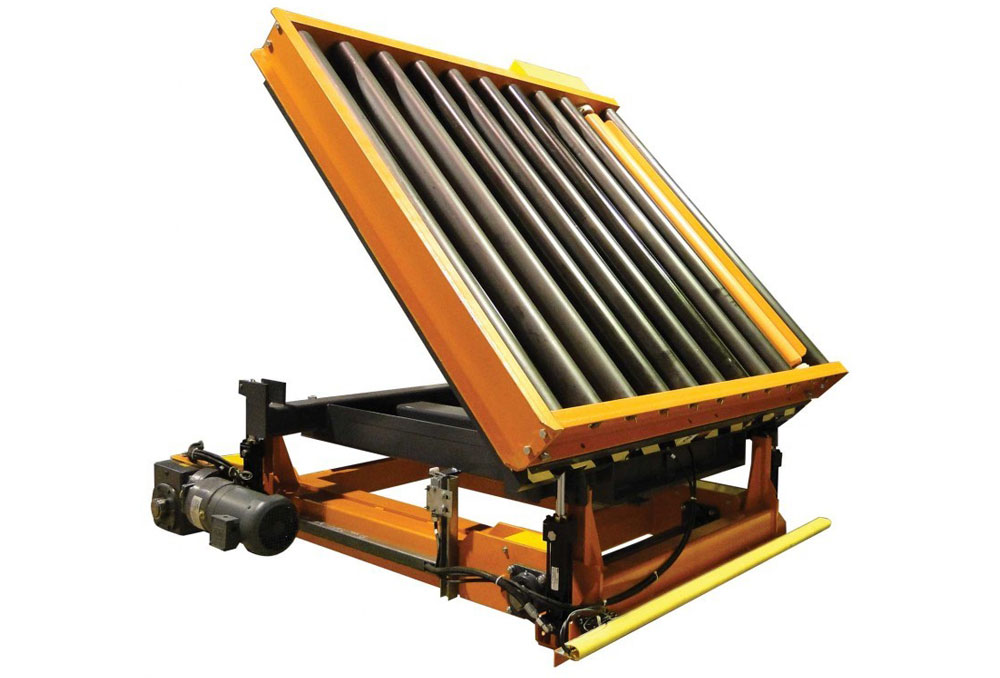
- Integration Capabilities: Can the tilt table be easily integrated with other equipment like turntables, gravity conveyors, powered conveyors, or ball transfers? Seamless integration streamlines material flow and maximizes efficiency.
 \
\ \
\
 \
\
 \
\
 \
\
 \
\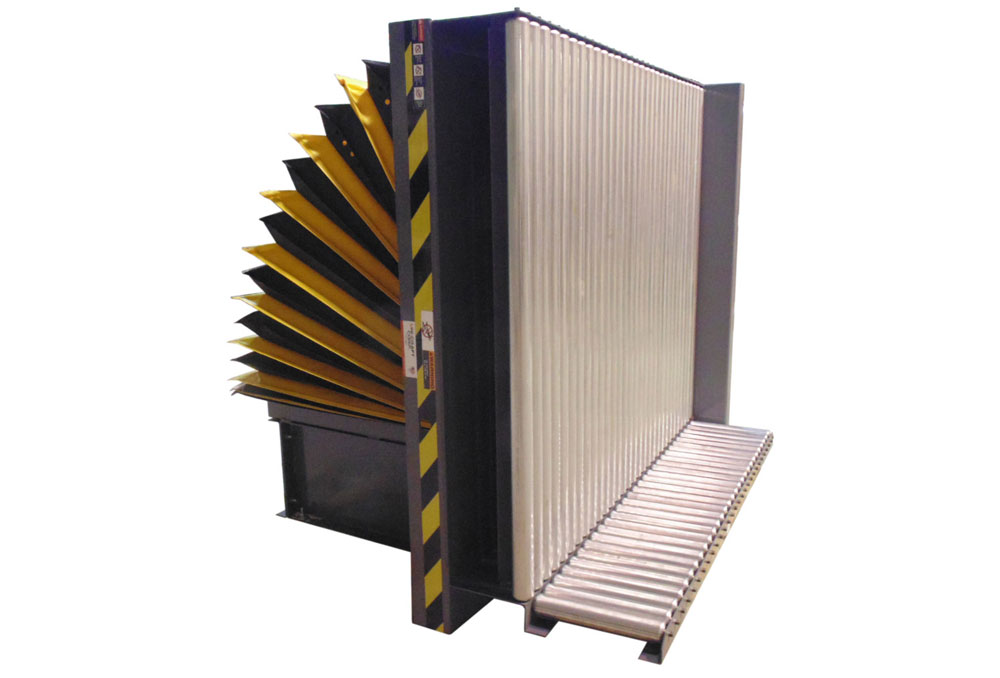
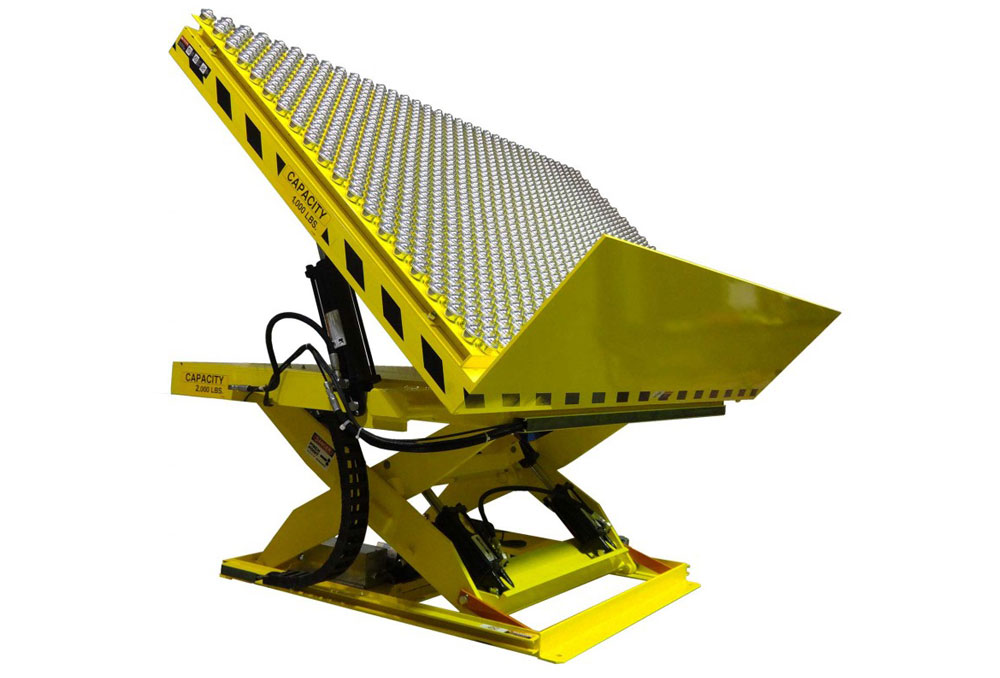
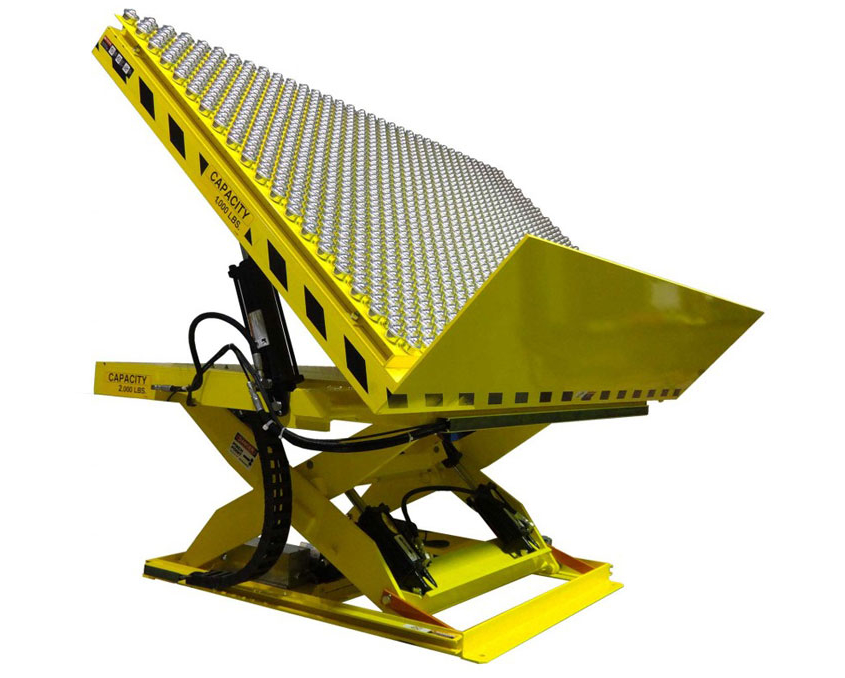
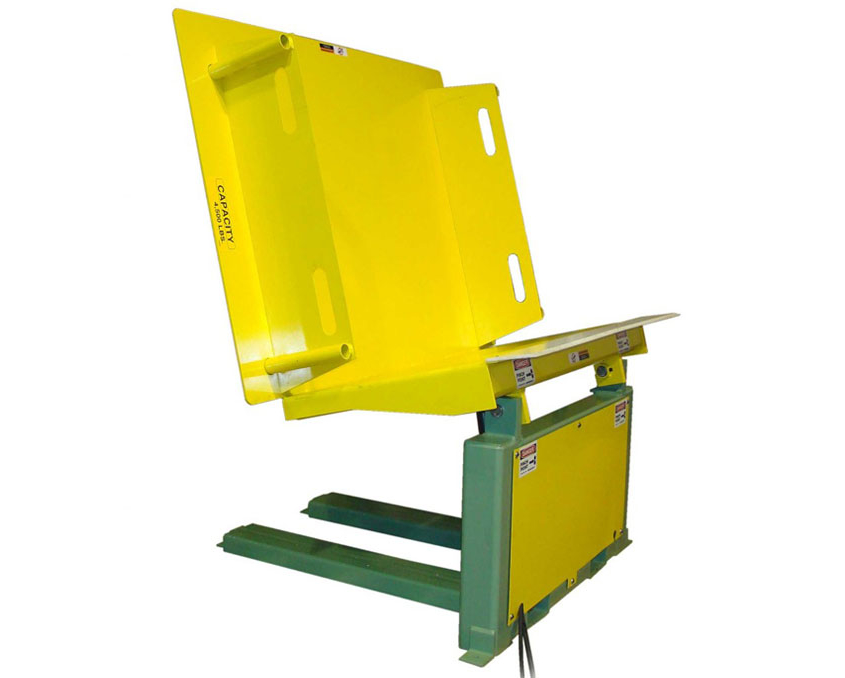
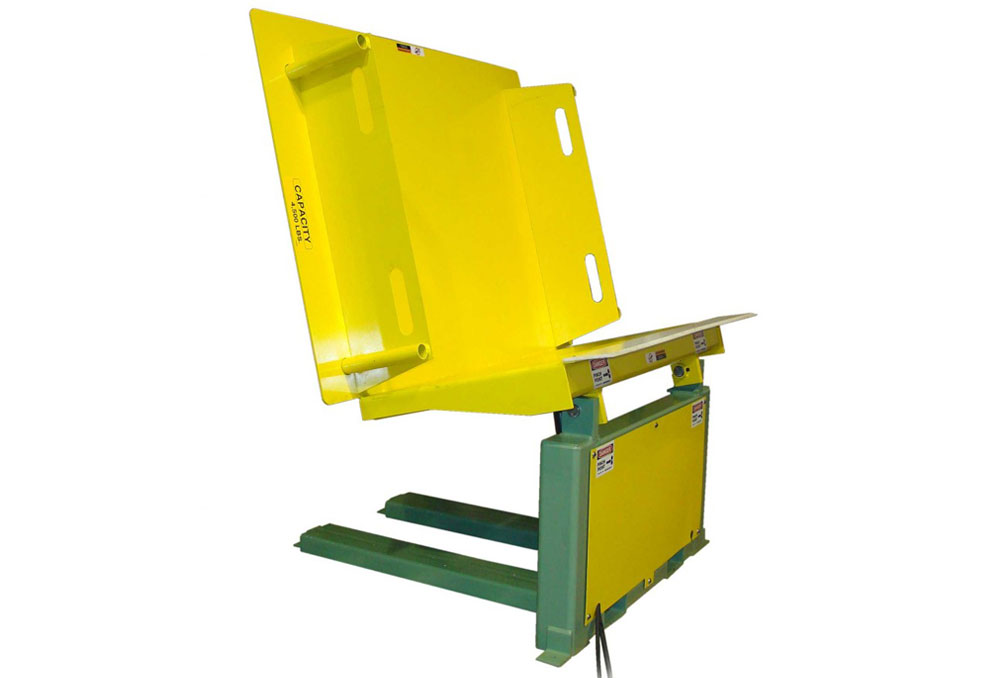
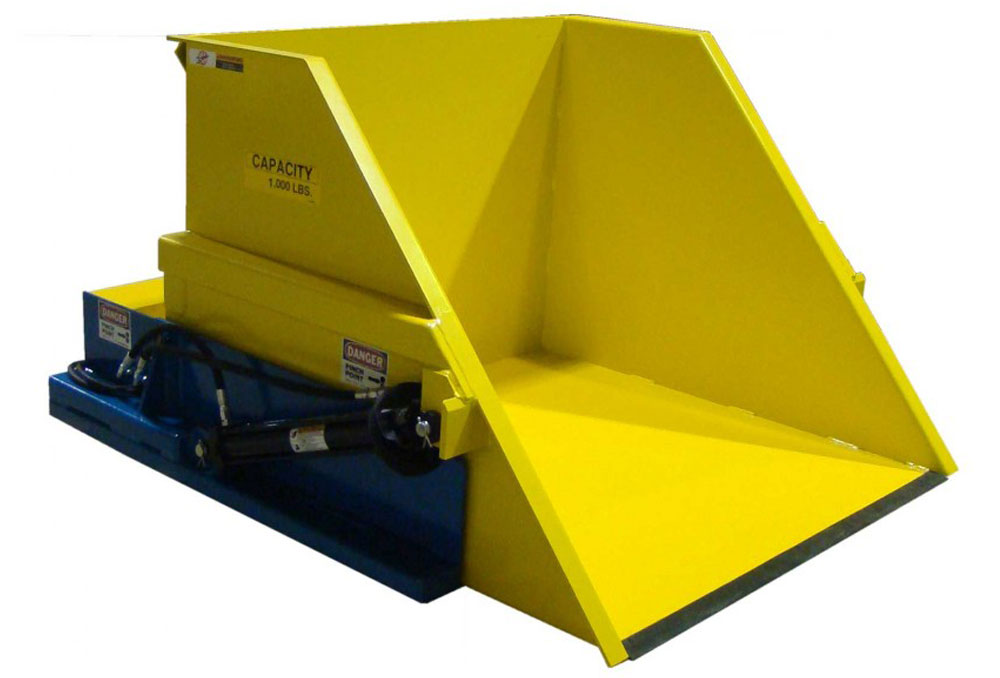
Visual examples of different tilt table configurations and integrations.
Where Can You Use Tilt Tables? Real-World Applications Across Industries
Tilt tables are incredibly versatile and can be integrated into a wide range of industries and applications. Here are some examples based on my experience:
- Assembly Lines: This is perhaps the most common application. Tilt tables are perfect for presenting parts for assembly operations in automotive, electronics, appliance manufacturing, and many other sectors. They improve access to components, reduce assembly time, and minimize worker fatigue.
- Machining and Metalworking: In machine shops, tilt tables are invaluable for loading and unloading heavy workpieces from machining centers or lathes. Tilting heavy parts into an accessible position makes these tasks safer and more efficient.
- Welding and Fabrication: Positioning workpieces for welding can be cumbersome and ergonomically challenging. Tilt tables can tilt weldments into optimal positions for welders, improving weld quality and worker comfort.
- Packaging and Processing: In packaging lines, tilt tables can be used to tilt containers for easier filling or emptying. In food processing, they can be used to tilt bins of produce for sorting or further processing.
- Warehousing and Distribution: Tilt tables can assist in order picking and put-away processes in warehouses. Tilting containers makes it easier to access items, especially heavier or bulkier goods.
- Pharmaceutical and Chemical Industries: In these industries, where hygiene and containment are critical, tilt tables can be designed with stainless steel or special coatings to meet stringent requirements. The clean operation of pneumatic tilt tables is often preferred in these sectors.
These are just a few examples. The beauty of tilt tables lies in their adaptability. Anywhere you have workers accessing parts or materials from containers, and ergonomic challenges are present, a tilt table can likely provide a solution.
Beyond Basic Tilting: Expanding Functionality with Integrated Options
Tilt tables are often effective as standalone units, but their functionality can be significantly enhanced when integrated with other material handling equipment. Here are some common and highly beneficial integrations I’ve seen in practice:
- Tilt Tables with Scissor Lifts: Combining a tilt table with a scissor lift creates a truly ergonomic workstation. The scissor lift allows you to raise and lower the tilted bin to the optimal working height for each operator, further minimizing bending and reaching. This is especially beneficial in applications where workers of different heights use the same workstation.
- Tilt Tables with Conveyors: Integrating tilt tables with conveyors (gravity, powered roller, or belt conveyors) creates a seamless material flow system. Containers can be conveyed to the tilt table, tilted for access, and then conveyed away, all with minimal manual handling. This is ideal for high-volume production lines.
- Tilt Tables with Turntables: Adding a turntable on top of a tilt table allows operators to rotate the load, providing 360-degree access to parts without having to walk around the table. This is particularly useful for accessing parts from all sides of a large bin or container.
- Tilt Tables with Ball Transfers: Integrating ball transfers into the platform surface allows for easy manual rotation and positioning of heavy loads on the tilt table. This is a cost-effective way to add rotational flexibility without a powered turntable.
These integration options demonstrate how tilt tables can be customized and adapted to create highly efficient and ergonomic material handling solutions tailored to specific operational needs.
Is a Tilt Table Right for Your Operation? Key Considerations
Before you jump into purchasing tilt tables, it’s important to assess whether they are the right solution for your specific needs. Here are some key questions to ask yourself:
- Are workers frequently bending or reaching to access parts? If back strain and ergonomic issues are a concern in your workplace, tilt tables are definitely worth considering.
- What is the weight and size of the containers you are handling? This will determine the required capacity and size of the tilt table, as well as whether pneumatic or hydraulic actuation is more suitable.
- What is your production volume and cycle time requirements? For high-volume applications, faster cycle times and integration with conveyors might be crucial.
- What is your budget? Tilt tables range in price depending on size, capacity, features, and customization. Start with a clear budget in mind.
- What space constraints do you have? Consider the footprint of the tilt table and ensure you have adequate space in your production area.
By carefully evaluating your needs and considering these factors, you can determine if tilt tables are the right investment to improve ergonomics, boost productivity, and create a safer and more efficient workplace.
Beyond Tilt Tables: Exploring Related Ergonomic Solutions
While tilt tables are fantastic for addressing ergonomic challenges related to accessing parts in containers, there are other related types of equipment that might be relevant depending on your specific material handling needs. Here’s a quick look at some similar solutions:
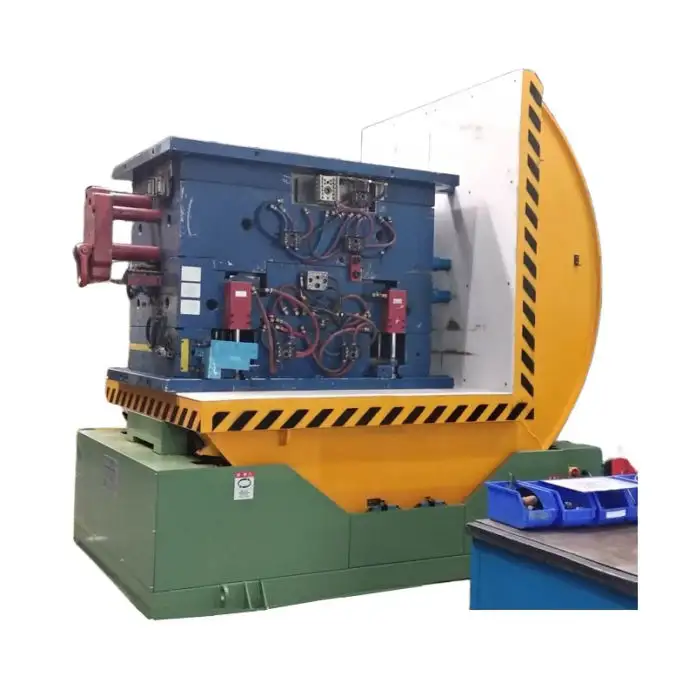
- Upenders (Box Tilters/Inverters): Upenders are designed to rotate loads 90 or 180 degrees. They are ideal for inverting stacks of materials, turning over heavy items, or changing the orientation of loads for processing or shipping. While tilt tables focus on tilting for access, upenders are about complete rotation.
[Videos]
Scissor Lift and Tilt with Ball Transfers
Example videos showcasing different tilt table and upender functionalities.
-
Scissor Lifts: As mentioned earlier, scissor lifts are often integrated with tilt tables. However, standalone scissor lifts are invaluable for raising and lowering loads to ergonomic working heights. They are versatile for various applications, from assembly and order picking to machine feeding and die handling. Scissor lifts focus on vertical lifting, while tilt tables focus on angled presentation.
-
Rotators: Rotators, or load positioners, are designed to rotate loads horizontally, typically 360 degrees. They are used for positioning workpieces for welding, painting, assembly, or repair, providing full access to all sides of the load. Rotators provide horizontal rotation, while tilt tables provide vertical tilting.
Each of these equipment types addresses different ergonomic and material handling challenges. Understanding their functionalities will help you choose the best solution or combination of solutions for your specific operational requirements.
Ready to Take the Tilt?
Investing in tilt tables is an investment in your workforce and your company's future. By reducing strain and fatigue, you create a healthier, happier, and more productive workforce. And in my book, that’s a win-win. If you're serious about improving ergonomics and efficiency in your operations, exploring tilt table solutions is a smart first step. You might be surprised at the positive impact such a seemingly simple piece of equipment can have.