Are You Still Breaking Your Back? How Heavy-Duty Upenders Revolutionized My Motor Assembly Line
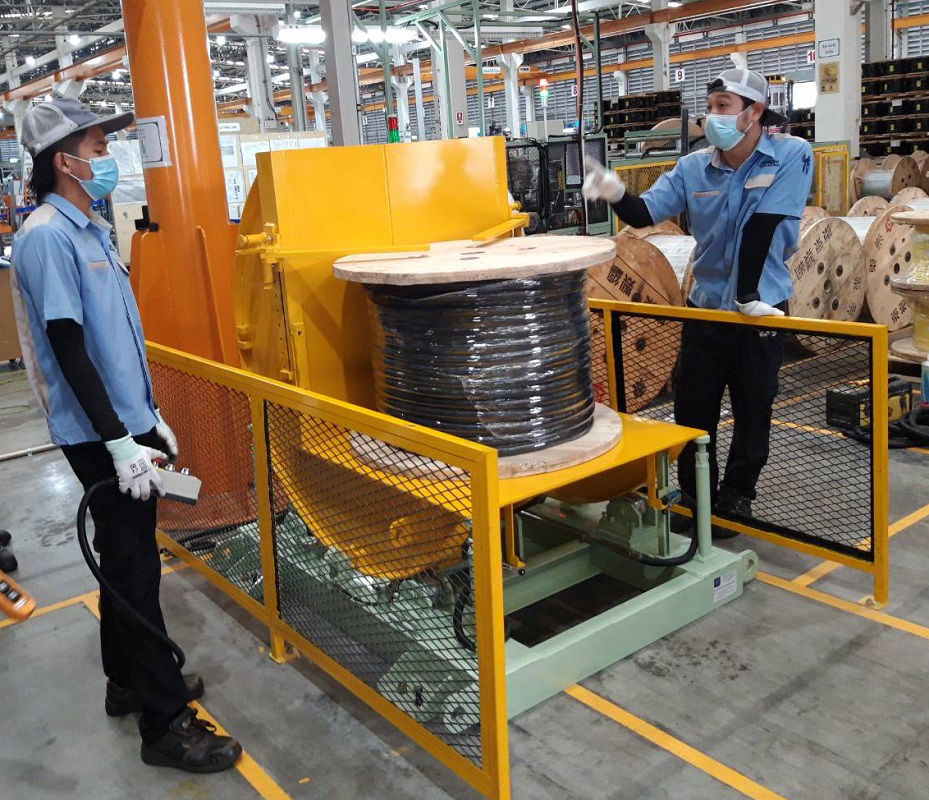
For 30 years, I've been on the floor, in the thick of it, wrestling with heavy machinery and optimizing production lines. And let me tell you, some tasks are just inherently back-breaking. Repositioning massive components, especially in motor assembly, used to be one of those nightmares. We’re talking about awkwardly shaped, incredibly heavy objects – things like motor housings, rotors, and stators. Manually flipping these behemoths was slow, dangerous, and frankly, a recipe for worker fatigue and injury. That's where heavy-duty upenders came into my life, and they completely changed the game. These aren't just gadgets; they're ergonomic powerhouses that boost safety, speed, and overall efficiency when dealing with heavy, unwieldy loads. Let me walk you through how these machines work and why they’ve become indispensable in modern manufacturing.
Before we dive into the specifics, picture this: a typical day before we integrated upenders. Teams of guys, straining and grunting, using chains and hoists to cautiously rotate a massive motor housing. The process was slow, imprecise, and always carried the risk of something slipping, someone getting hurt, or the component itself getting damaged. We knew there had to be a better way.
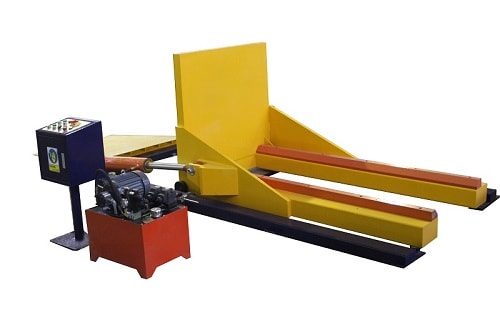
Then, we discovered the world of heavy-duty strong back upenders. These machines are designed specifically for repositioning large and heavy loads, and they are absolute lifesavers. Think of them as industrial-strength rotators, capable of tilting massive objects up to 90 degrees – and sometimes even beyond!
What Makes a Strong Back Upender So… Strong? (And Why Should You Care?)
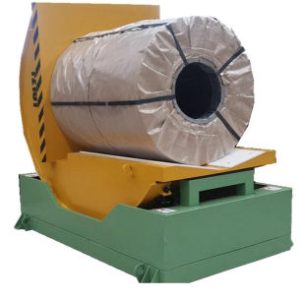
When I first saw an upender in action, I was impressed by its sheer robustness. These machines are built to handle serious weight – we're talking capacities that can reach up to 30,000 pounds! That’s not just talk; it translates directly to handling the heaviest components on your line with ease. But it’s not just about brute strength; it’s about smart engineering. Let's break down some of the key features that make these upenders so effective and why they matter to your operation:
- Versatile Tilting Angles: Most upenders offer a tilt range up to 95 degrees. Why is this important? Because it gives you complete control over the repositioning process. Whether you need to flip a component completely vertical or just tilt it to a specific angle for better access, these machines can handle it. This flexibility is crucial when you're dealing with different shapes and sizes of objects.
- Precision Control: Forget jerky, uncontrolled movements. Modern upenders come equipped with limit switches and proximity switches. These ensure smooth, controlled tilting and stopping, minimizing the risk of sudden jolts that could damage the load or the equipment. We opted for models with multiple control options, including both hand pendants and foot pedals. This allows for operator preference and optimizes control based on the specific task. PLC integration is also a huge plus, allowing these upenders to be seamlessly integrated into automated production lines.
- Enhanced Safety Features: Safety is paramount, especially when dealing with heavy loads. Features like Tape Switch® and beveled toe guards are essential. These act as emergency stops, immediately halting the machine if anything obstructs the tilting path or if an operator gets too close. Accordion skirting is another valuable safety addition, protecting internal mechanisms and preventing accidental access to moving parts.
- Built for High Cycle Demands: In a high-throughput environment, downtime is your enemy. That's why it's crucial to look for upenders built for high cycle applications. These machines are designed with robust components and heavy-duty construction to withstand constant use and minimize wear and tear. The fact that they are often designed for hand tool repair is another huge benefit, reducing downtime for maintenance.
- Customizable Power and Drive Options: Every facility has unique power requirements. Upenders offer multiple power and drive options to match your specific voltage and speed needs. This customization ensures optimal performance and energy efficiency.
- Integration Capabilities: A standalone machine is often less useful than one that integrates seamlessly into your existing workflow. Look for upenders that can be integrated with turntables, gravity conveyors, powered conveyors, or ball transfers. This allows for a smooth, continuous flow of materials and minimizes manual handling between processes.
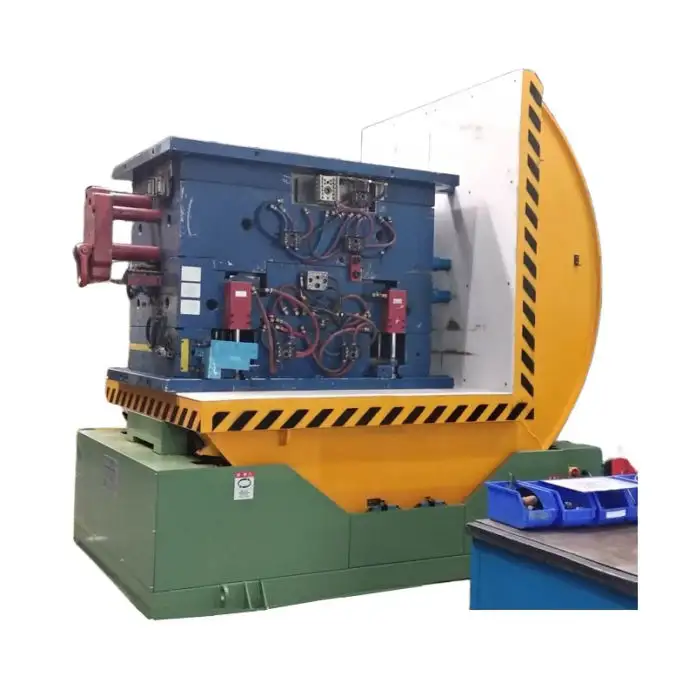
- Customizable Fixtures: Standard platforms are useful, but for specialized components like motor assemblies, customization is key. The ability to mount V-shaped cradles or other custom fixtures to the upender platform is a game-changer. These fixtures cradle the specific shape of your components, providing secure and stable support during repositioning. This is especially critical for round or odd-shaped objects like dies, rolls, and coils, which are common in motor manufacturing.
Beyond Motor Assembly: Where Else Can You Use a Strong Back Upender?
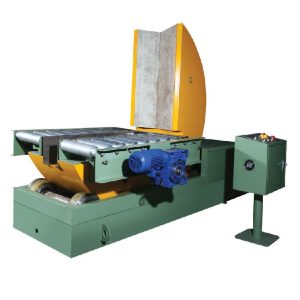
While motor assembly is where I’ve seen the most dramatic impact, the versatility of strong back upenders extends far beyond just our industry. Anywhere you need to safely and efficiently reposition heavy, awkward loads, these machines can be a game-changer. Think about these applications:
- Die and Mold Handling: In stamping and molding operations, dies and molds are incredibly heavy and require frequent repositioning for maintenance, repair, and changeovers. Upenders make this process significantly safer and faster, reducing downtime and improving tool longevity.
- Roll Handling: Industries dealing with rolled materials like paper, textiles, or metal coils benefit immensely. Upenders can rotate rolls for easier unwinding, rewinding, or processing, minimizing manual handling and the risk of damage to the rolled material.
- Crate and Pallet Repositioning: For facilities handling heavy crates or pallets, upenders provide an ergonomic solution for accessing different sides of the load without manual lifting or awkward maneuvering. This is particularly useful in warehousing and distribution centers.
- Manufacturing and Assembly of Large Equipment: Beyond motors, think about transformers, generators, large valves, or even sections of machinery. Upenders can be used in the assembly and maintenance of any large, heavy equipment where components need to be rotated or tilted for access.
- Welding and Fabrication: Positioning heavy weldments for optimal welding angles is crucial for quality and efficiency. Upenders can precisely rotate weldments, allowing welders to work in more comfortable and productive positions, improving weld quality and reducing fatigue.
Essentially, if you’re moving heavy, bulky, or oddly shaped objects in your industrial process, a strong back upender is worth serious consideration. It's not just about making the job easier; it's about making it safer, faster, and more efficient overall.
My Experience: From Back Pain to Productivity Gains
Integrating strong back upenders into our motor assembly line wasn't just a good idea; it was a necessity. The immediate impact was undeniable. We saw:
- Reduced Injury Rates: The most significant change was a dramatic drop in back injuries and strain-related incidents. Manual lifting and flipping were virtually eliminated, creating a much safer work environment for our teams.
- Increased Throughput: The speed and precision of the upenders significantly accelerated our repositioning processes. What used to take multiple people and a considerable amount of time could now be done quickly and efficiently by a single operator. This directly translated to increased production throughput.
- Improved Product Quality: The controlled and stable repositioning provided by the upenders minimized the risk of damage to delicate motor components during handling. This reduced scrap and rework, leading to higher overall product quality.
- Boosted Morale: Let's be honest, no one enjoys back-breaking labor. By implementing upenders, we showed our team that we valued their well-being and were committed to providing them with the best tools for the job. This had a positive impact on morale and job satisfaction.
What Else is Out There? Exploring Similar Technologies
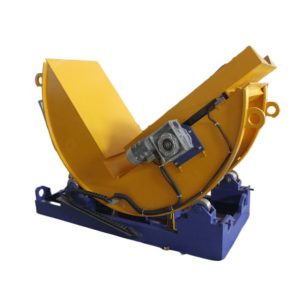
While strong back upenders are incredibly effective, it's always good to be aware of other options and related technologies. Depending on your specific needs and application, you might also consider:
- Tilting Tables: These are similar to upenders but often have a larger, flatter platform and may tilt to angles other than 90 degrees. They are useful for positioning larger, flatter objects or when a specific tilting angle is required for processing.
- Industrial Rotators: This is a broader category that includes various types of rotating devices. Some rotators are designed for continuous 360-degree rotation, while others offer limited rotation like upenders. The best choice depends on whether you need to completely invert an object or just tilt it.
- Load Inverters: These machines are specifically designed to invert loads, typically by 180 degrees. They are often used in industries like food and beverage for pallet transfer or container inversion. While inversion is a type of repositioning, upenders offer more versatile tilting options.
- Scissor Lift Tables with Tilting Mechanisms: These combine the vertical lifting capability of a scissor lift with a tilting platform. They are useful when you need to raise and tilt a load, providing both vertical and rotational movement.
Each of these technologies has its strengths and weaknesses. The key is to analyze your specific needs – the weight and size of your loads, the required repositioning angles, the frequency of operation, and the integration with your existing processes – to determine the best solution for your application.
The Bottom Line: Invest in Ergonomics, Invest in Your Future
After three decades in this industry, I can confidently say that investing in ergonomic solutions like heavy-duty upenders is not just a cost; it's a smart investment in your people, your productivity, and your long-term success. These machines have transformed our motor assembly line, and I've seen firsthand the positive impact they can have on safety, efficiency, and overall operations. If you're still relying on manual methods to reposition heavy loads, it's time to explore the world of upenders. You might be surprised at the difference they can make.