Struggling to Reposition Heavy, Awkward Loads in Your Manufacturing Process? Discover How Pass-Through Upenders Can Revolutionize Your Operations.
Are you facing bottlenecks in your production line due to the cumbersome and time-consuming task of repositioning heavy, oddly shaped materials? Pass-through upenders offer a robust and efficient solution, allowing for complete 90-degree rotation of items like dies, rolls, and coils, streamlining your workflow and enhancing safety. With customizable features and capacities up to 8,000 pounds and beyond, these upenders are designed to meet the specific demands of diverse manufacturing applications.
For three decades, I've been immersed in the world of manufacturing, witnessing firsthand the evolution of material handling and the persistent challenges of efficiency and safety. One area that consistently demands innovation is the repositioning of heavy, unwieldy materials. Think about it: in countless industries, from automotive to paper production, we're constantly dealing with massive rolls, hefty dies, and other oddly shaped objects that need to be rotated for processing, inspection, or the next stage of production.
Manual handling of these items is not only incredibly risky for workers, leading to potential injuries and downtime, but it's also incredibly slow and inefficient. That’s where the beauty of a well-designed piece of equipment like the pass-through upender truly shines. Over the years, I've seen how integrating these machines can dramatically transform operations, and I want to share my insights on how they work, what they can do, and why they might be the game-changer your production line needs.
What Exactly is a Pass-Through Upender and Why Should You Care?
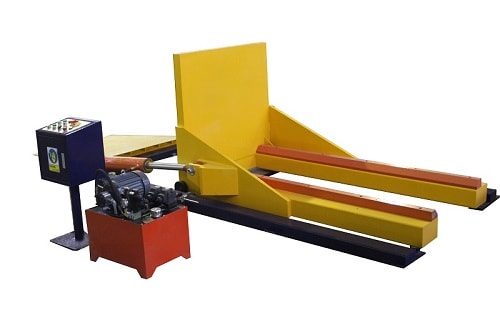
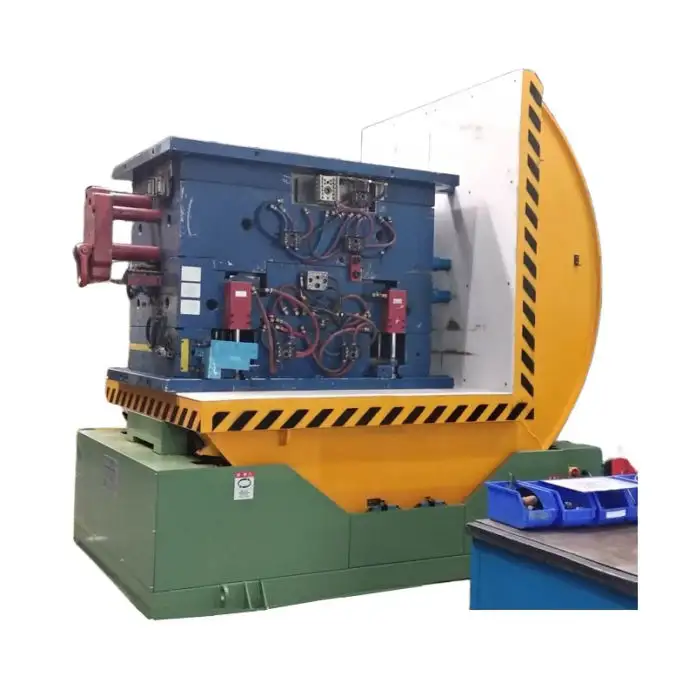
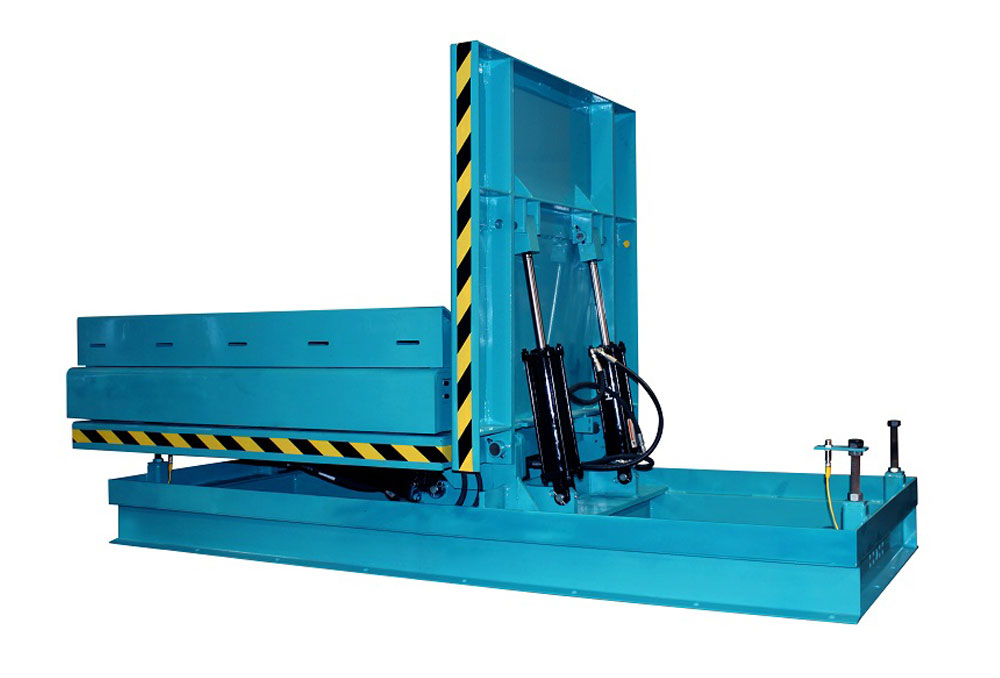
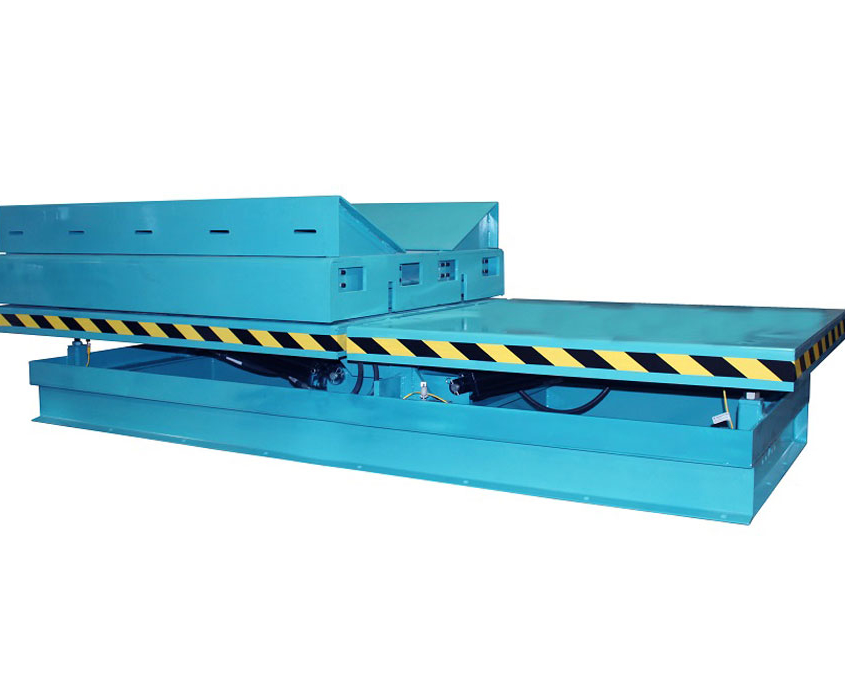
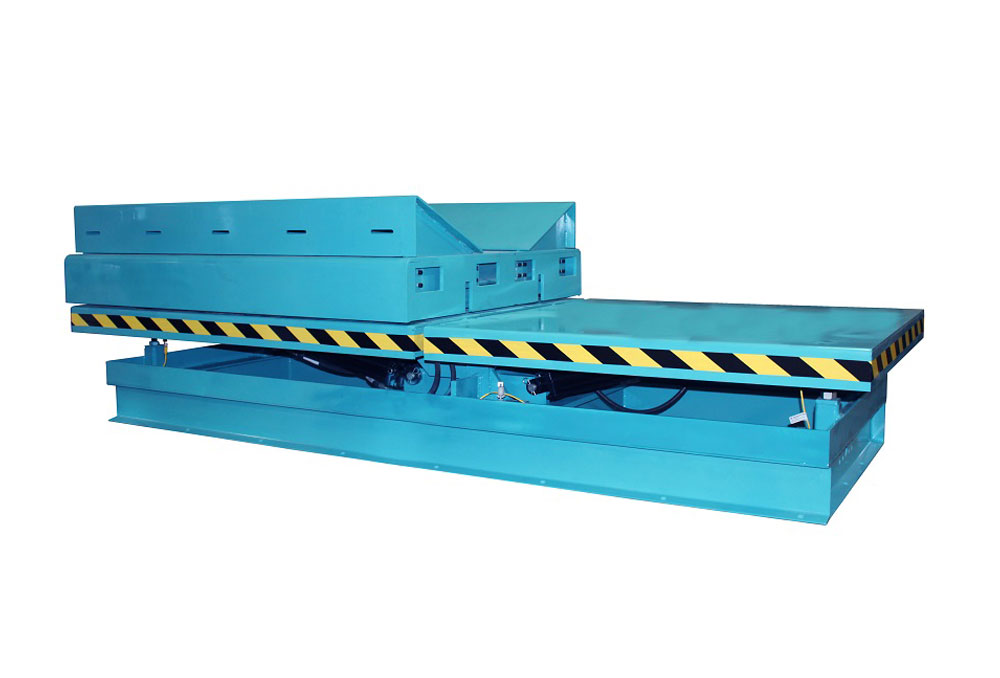
In simple terms, a pass-through upender is a specialized piece of machinery designed to safely and efficiently rotate heavy and often irregularly shaped objects. Imagine needing to flip a massive steel coil from a horizontal to a vertical position, or rotate a heavy die to access different faces for machining. Traditionally, these tasks might involve overhead cranes, forklifts, or even manual brute force – all methods fraught with risk and inefficiency.
Pass-through upenders offer a dedicated, controlled, and ergonomic solution. They are engineered to cradle and rotate these heavy items with precision, minimizing the risk of damage to the material and, most importantly, significantly enhancing worker safety. The "pass-through" element is key here – it implies seamless integration into a production line, allowing materials to move through the upender without requiring complex loading and unloading procedures.
Key Features of a Pass-Through Upender: Built for Versatility and Durability
Having worked with various types of upenders over the years, I’ve learned what features truly make a difference in real-world manufacturing environments. Here’s a breakdown of what to look for, based on my experience:
-
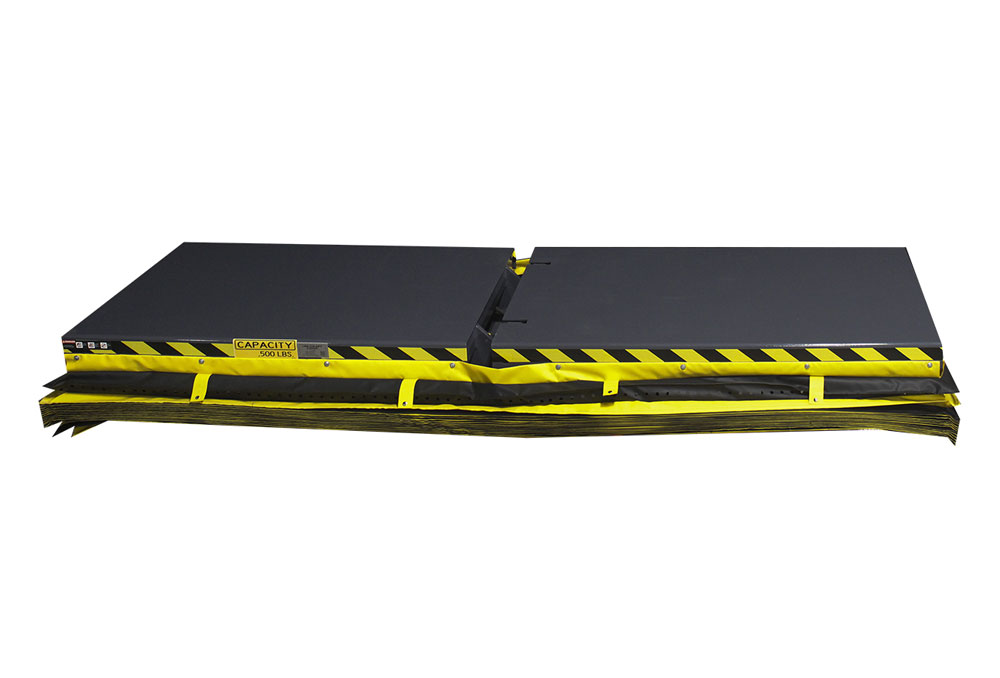
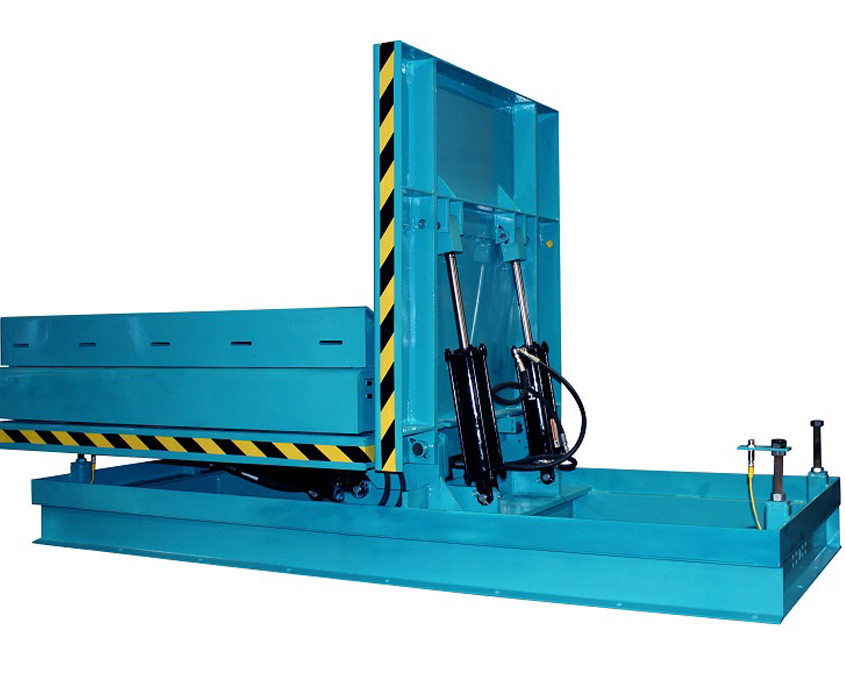
Exceptional Tilt Range: A crucial feature is the tilt angle. Pass-through upenders typically offer a tilt range up to 95 degrees, providing complete rotation and flexibility for various applications. This near-complete rotation is essential for tasks requiring full inversion or precise positioning at different angles.
-
Designed for Minimal Downtime: In my experience, downtime is the enemy of productivity. Look for upenders designed with hand-tool removable replacement parts. This seemingly simple feature can drastically reduce maintenance time, getting you back up and running faster. It’s a testament to smart engineering focused on practical shop floor realities.
-
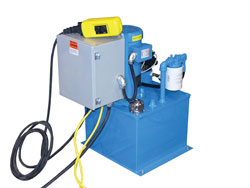
Power Unit Flexibility: Different applications have different speed and power requirements. Having multiple power unit options, starting from ½ HP, allows you to tailor the upender to your specific needs. Whether you need rapid cycle times or a more controlled, slower rotation, the right power unit is essential for optimizing performance and energy efficiency. Don't underestimate the importance of voltage compatibility either – ensuring it matches your facility's electrical infrastructure is a basic but critical consideration.
-
High Cycle Capabilities: For high-throughput environments, high cycle packages are a must. These packages incorporate robust components and enhanced engineering to withstand the rigors of continuous, repetitive operation, ensuring longevity and reliability in demanding production schedules.
-
Control Options for Precision and Safety: The level of control you have over the upender directly impacts both efficiency and safety. Multiple control options, such as hand pendants and foot pedals, offer operators flexibility and ease of use. PLC integration capability is also vital for seamless automation and integration with existing production line control systems. This allows for synchronized operation and enhanced overall process control.
-
Safety First – Always: Safety features are non-negotiable in any industrial equipment. Limit switches and proximity switches are crucial for precise positioning and preventing over-travel. Options like Tape Switch® or beveled toe guards provide additional layers of protection for operators, preventing accidental activation and foot injuries. Accordion skirting is another valuable safety addition, guarding against pinch points and keeping debris out of critical mechanisms.
-
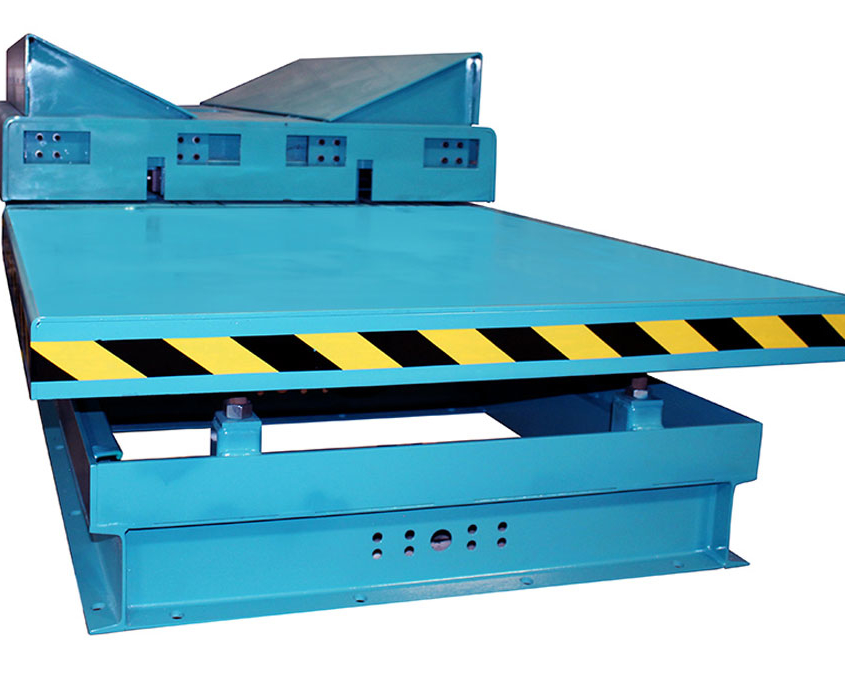
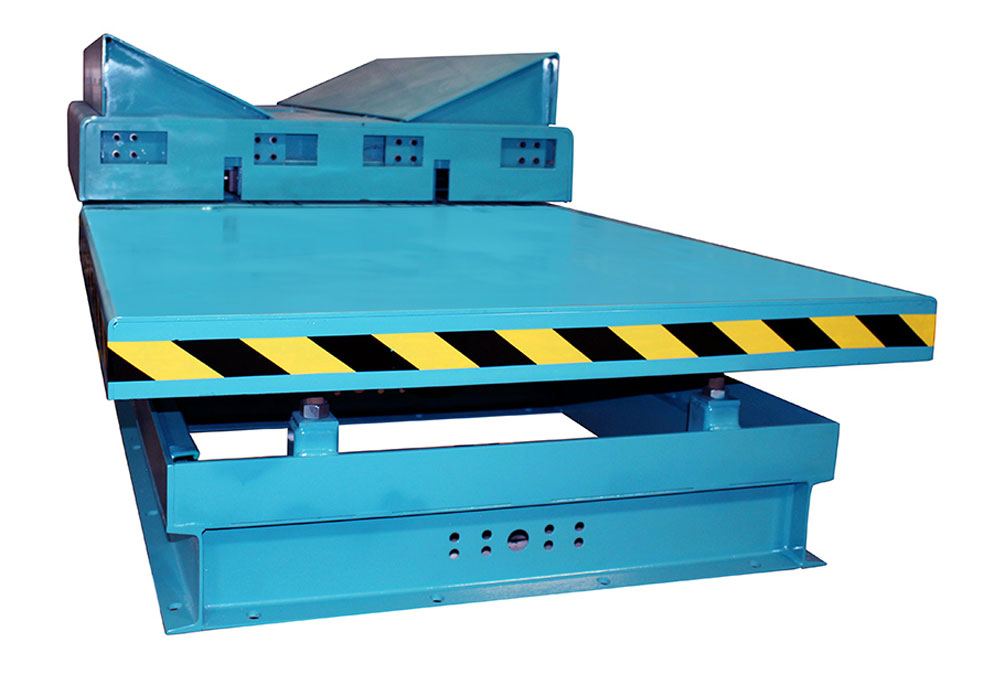
Customization for Specific Needs: No two manufacturing environments are exactly alike. Custom paint and powder coating options offer not just aesthetic benefits but also corrosion resistance and durability in harsh environments. More importantly, integration capabilities like turntables, gravity/powered conveyors, ball transfers, V-troughs, or custom fixtures are essential for tailoring the upender to your specific material handling requirements. This modularity and adaptability are key to maximizing the upender's value in your unique operation.
-
Velocity Fuses for Enhanced Safety: Velocity fuses are a critical, often overlooked safety feature. They act as a safeguard against hydraulic line rupture, preventing sudden and uncontrolled descent of the platform in case of hose failure. This is a vital element for protecting both personnel and materials.
(Image of UpEnder V-Position front)
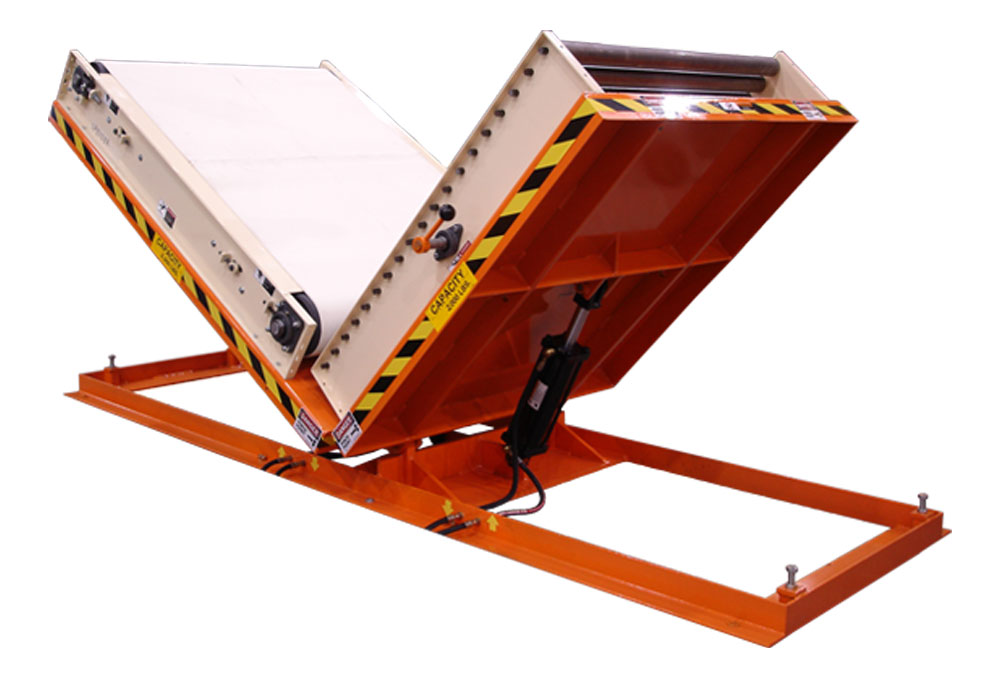
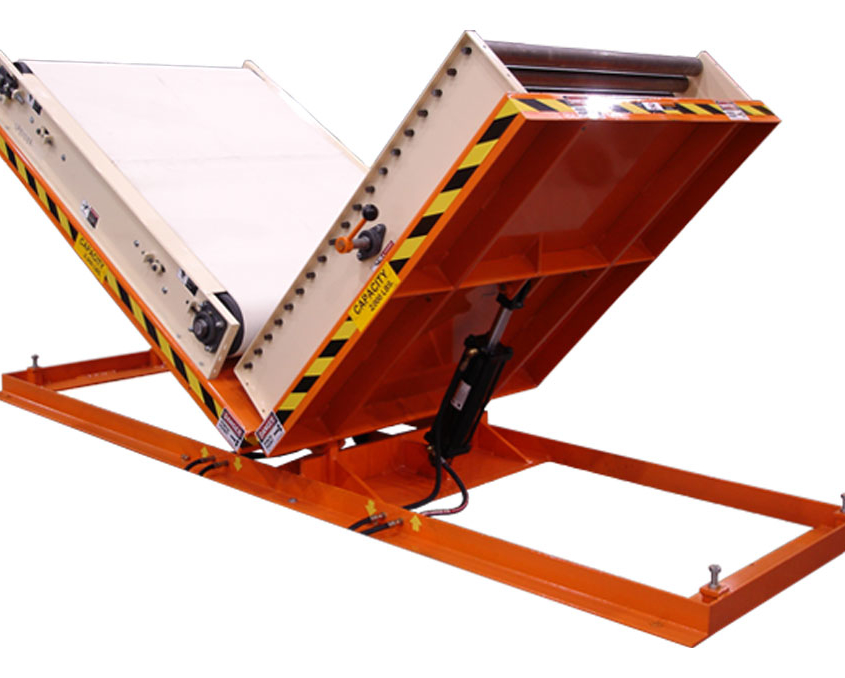
(Image of UpEnder V-Position front zoomed)
(Image of UpEnder belt conveyor up zoomed)
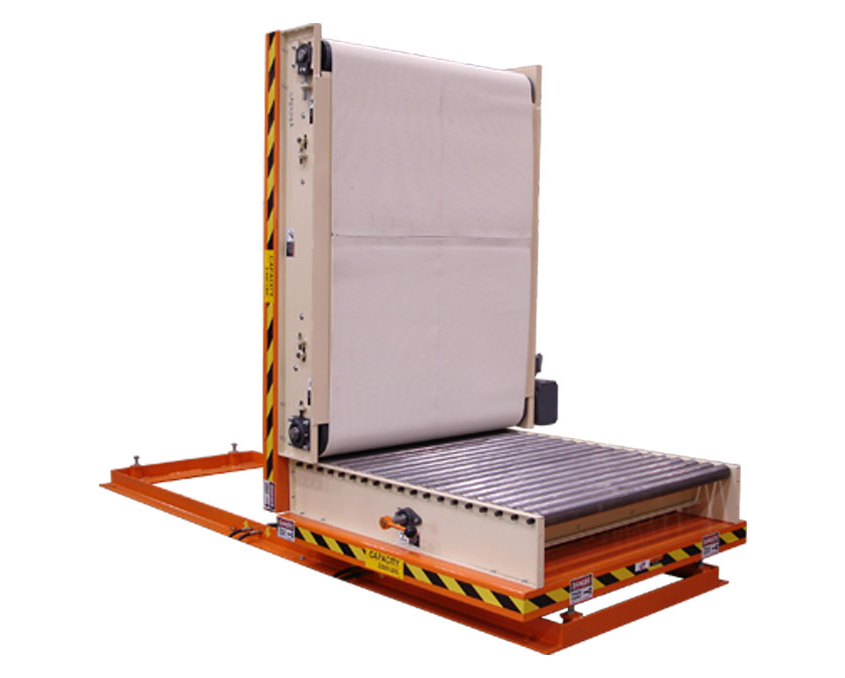
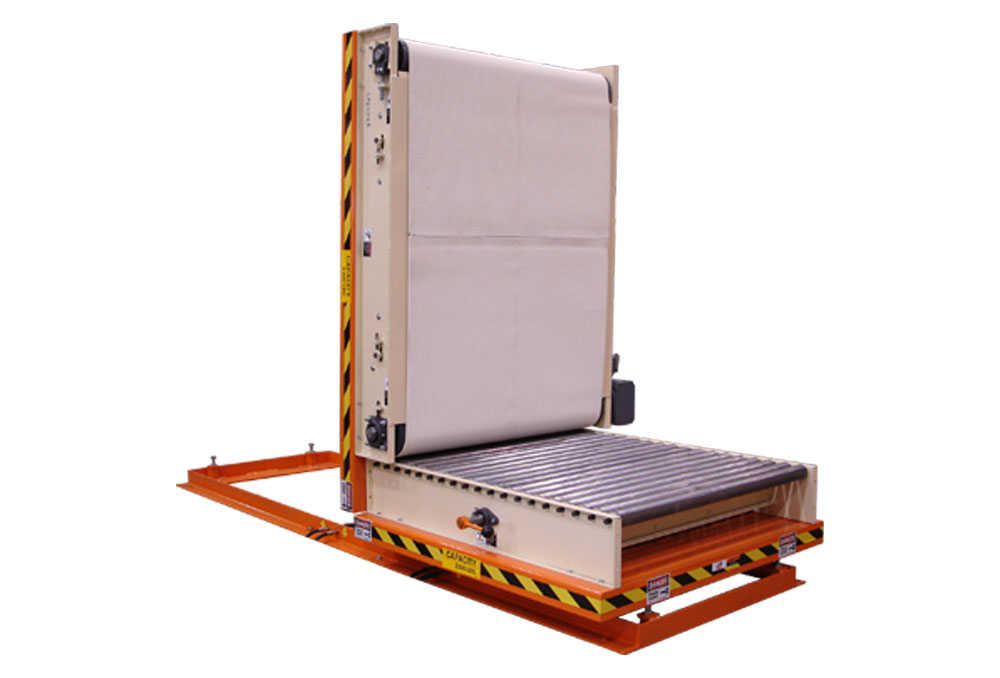
(Image of UpEnder pass through position zoomed)

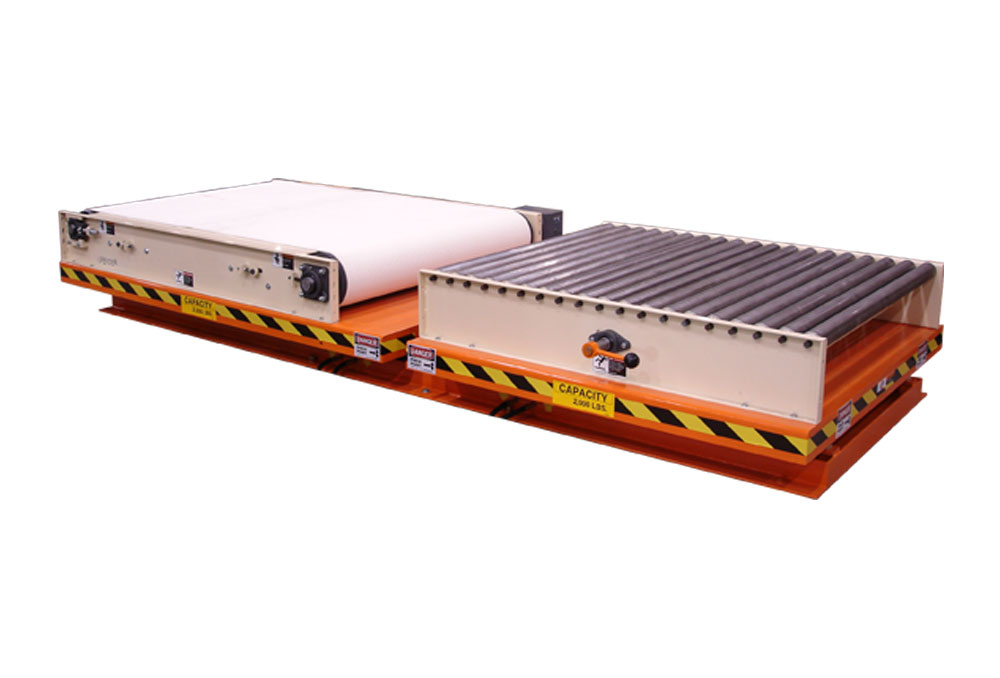
(Image of UpEnder gravity up front view zoomed)
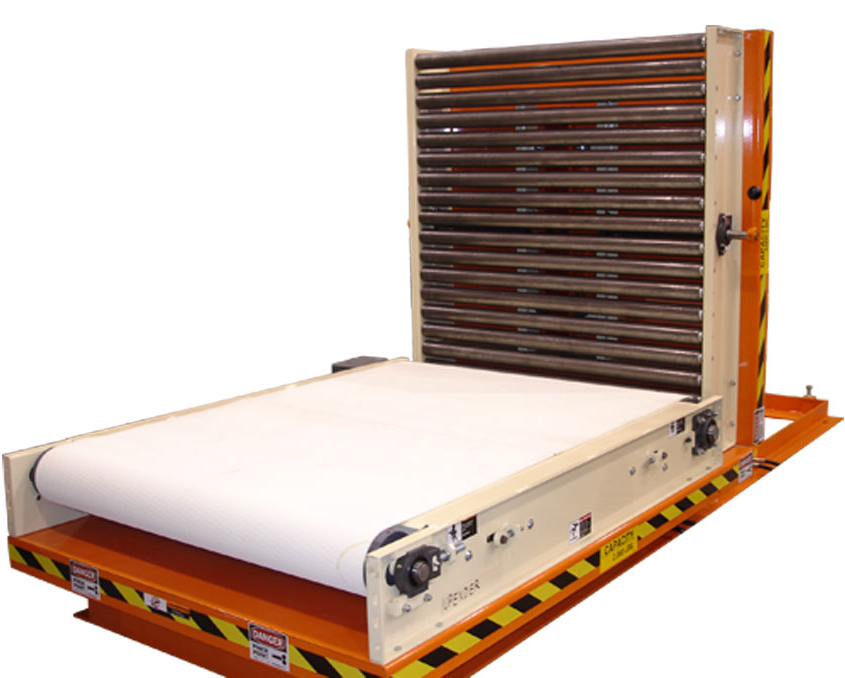
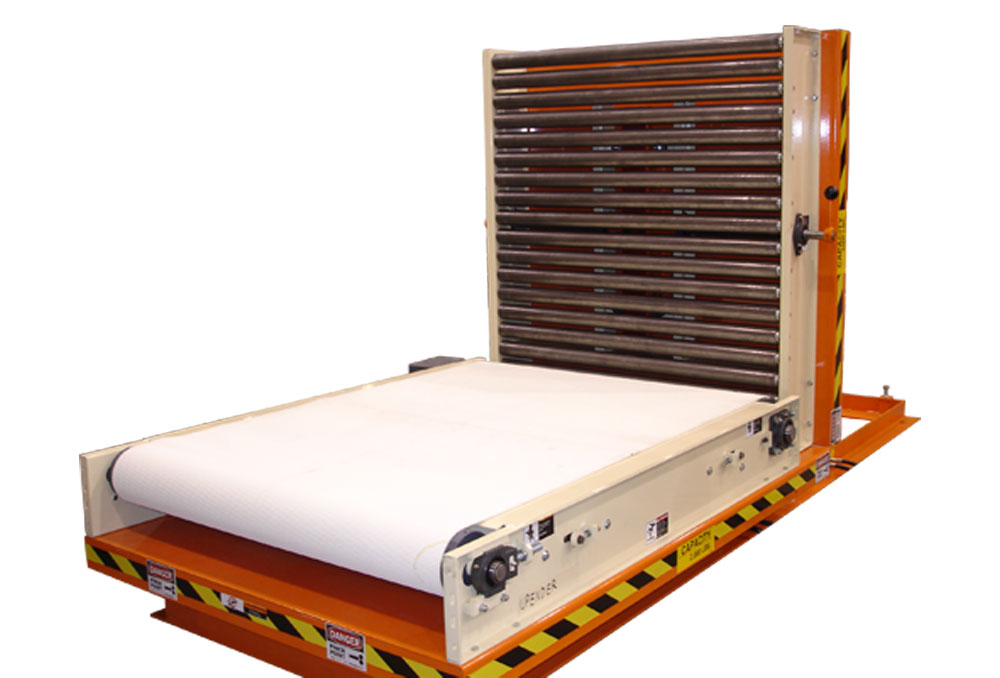
(Image of UpEnder V-Position back zoomed)
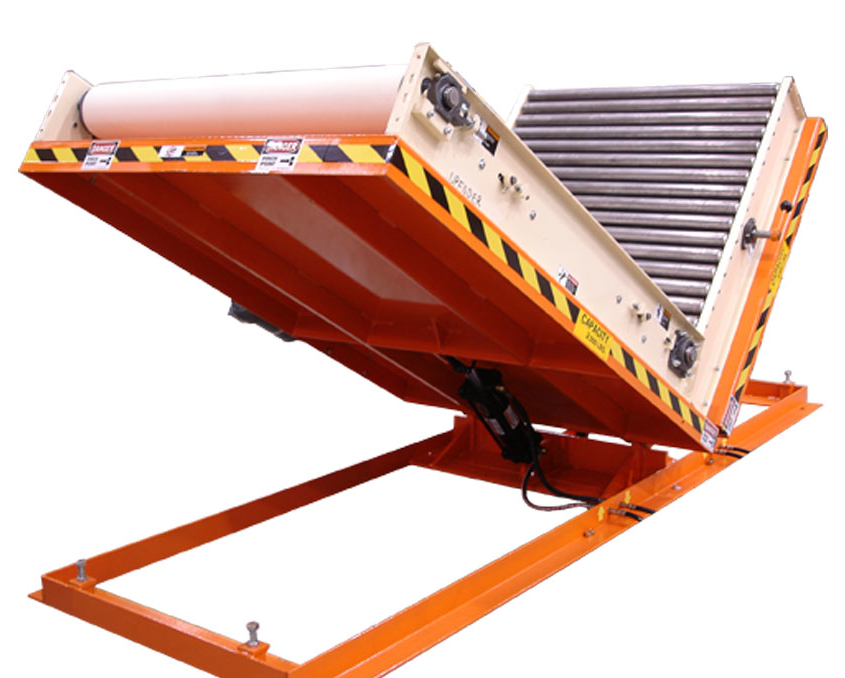
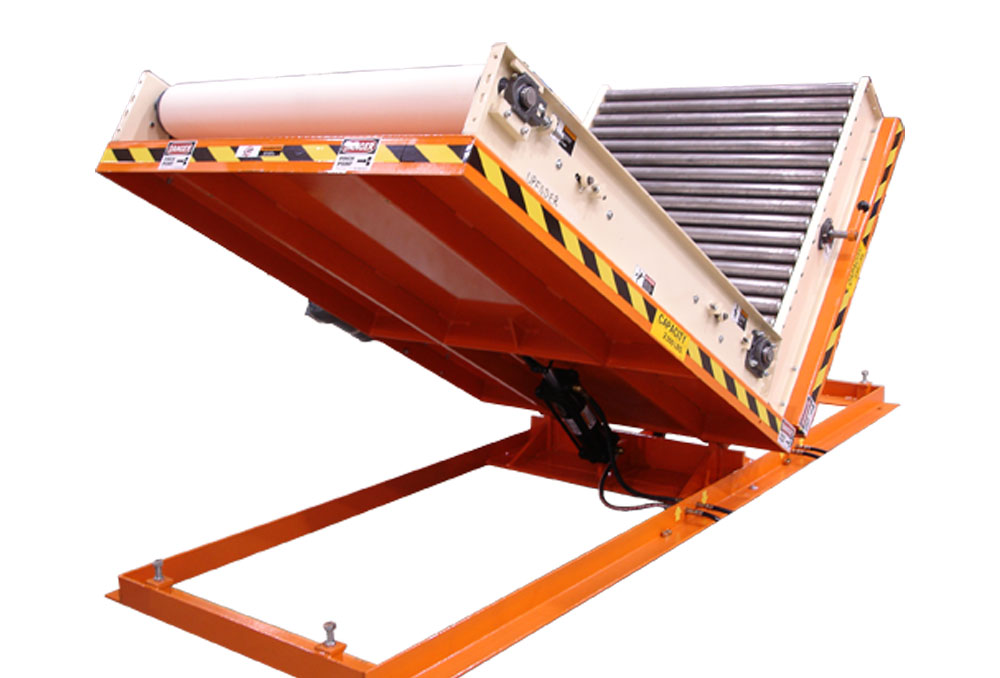
(Image of UpEnder gravity up back view zoomed)
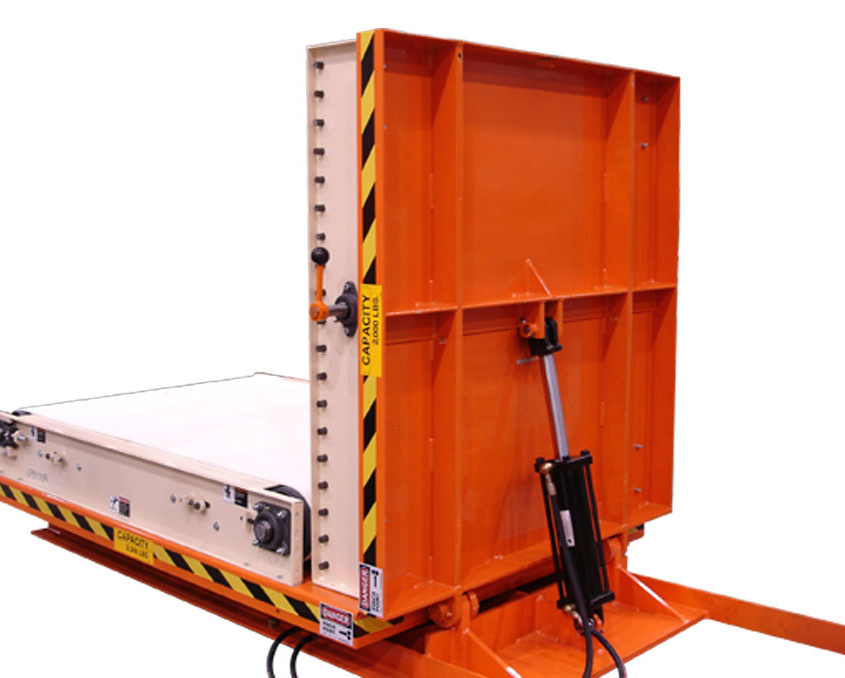
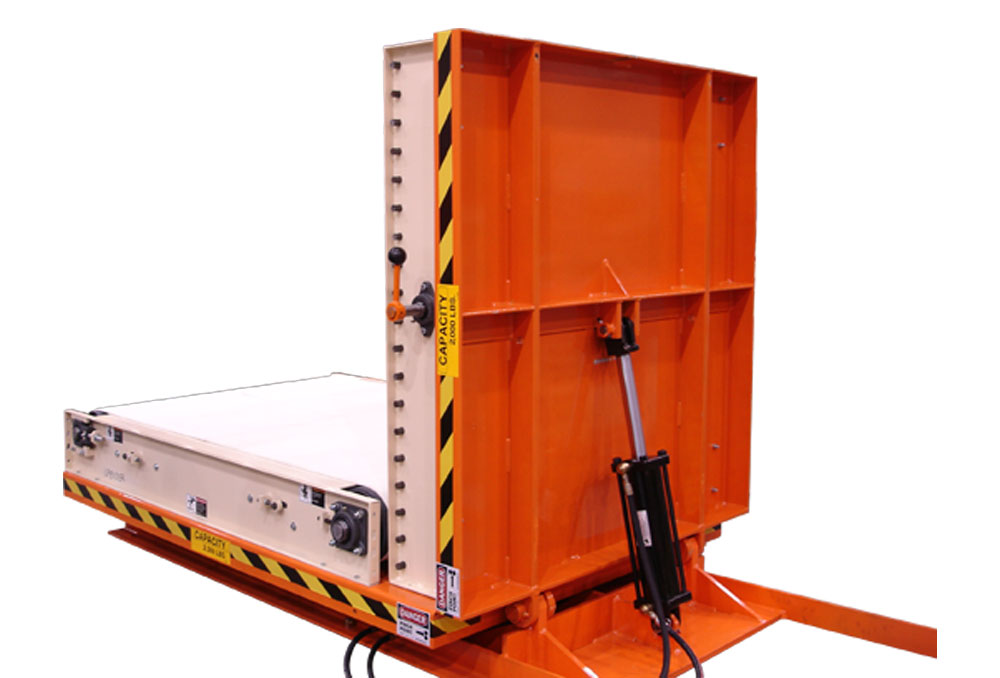
(Image of Upender Rotator with Cutouts Pass Through zoomed)
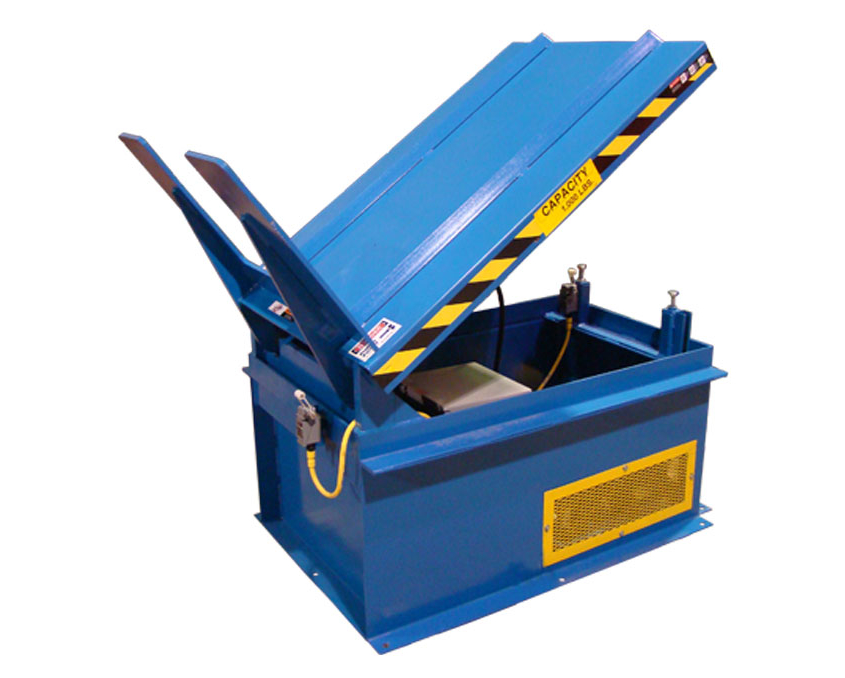
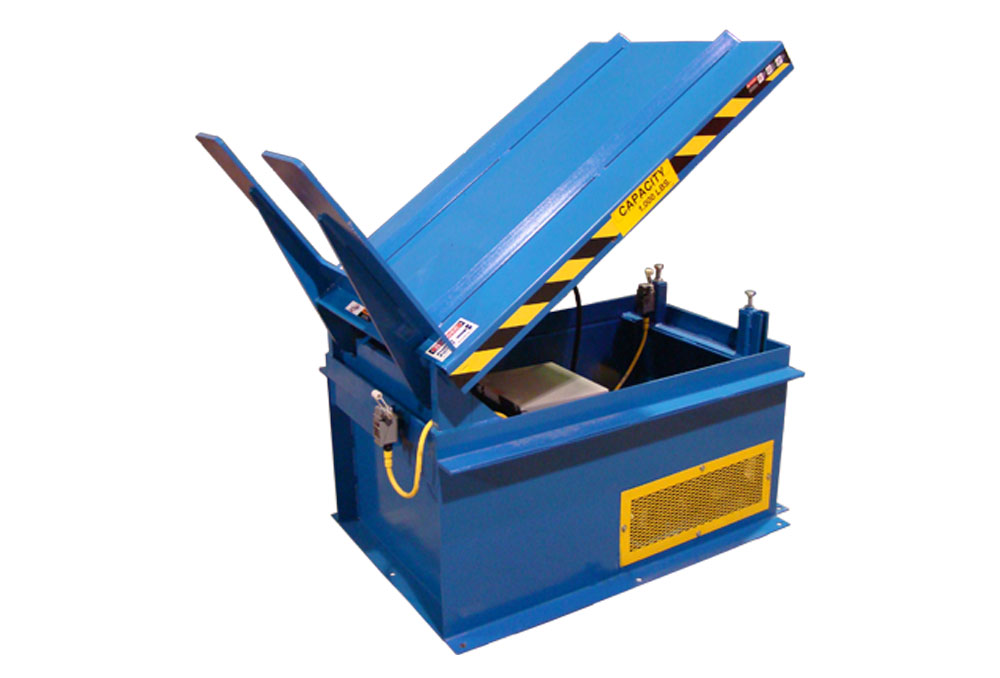
(Image of Upender Rotator with Platform Guides and Pass Through zoomed)

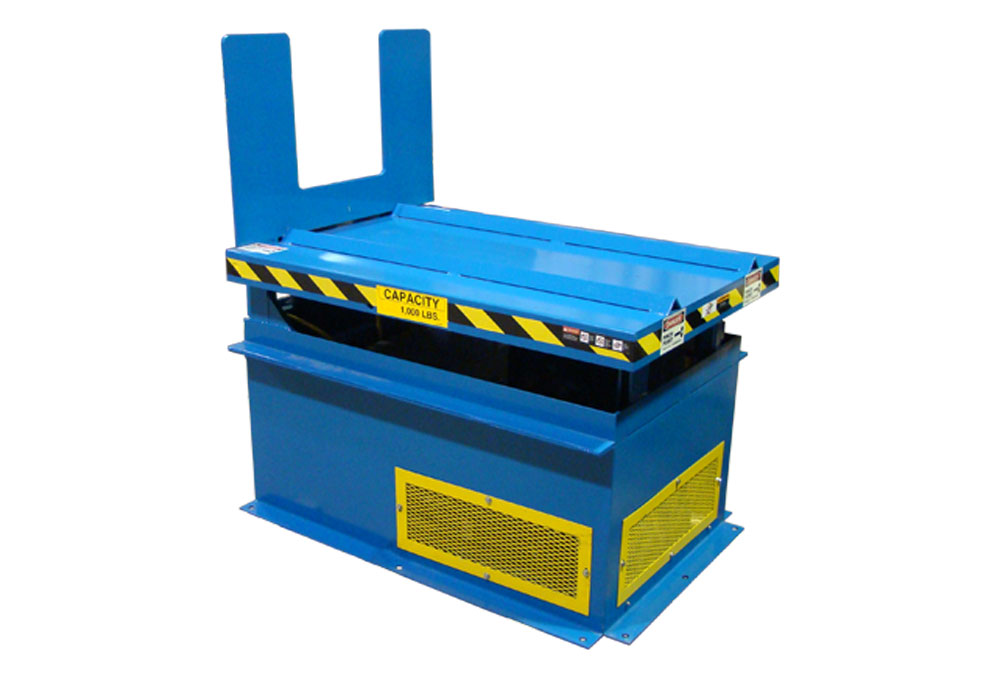
(Image of Upender Rotator-Pass Through in Up-Right Position zoomed)
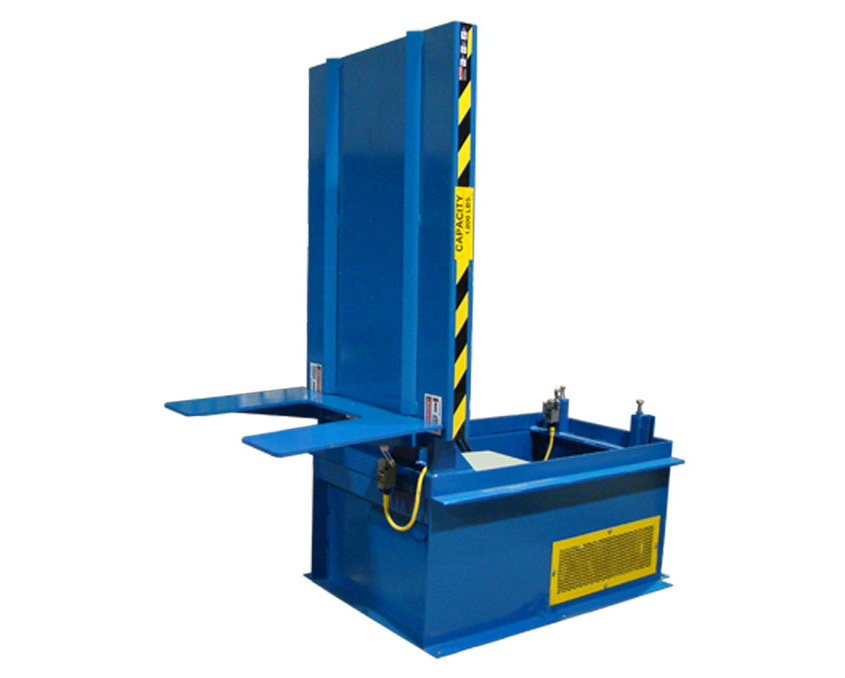
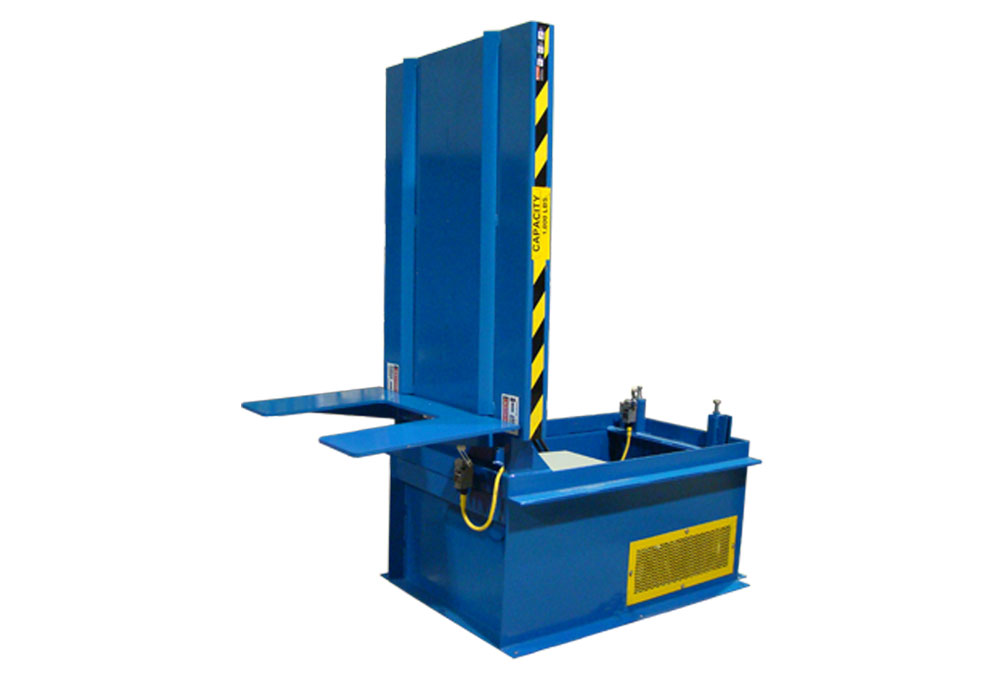
(Motion Image C zoomed)
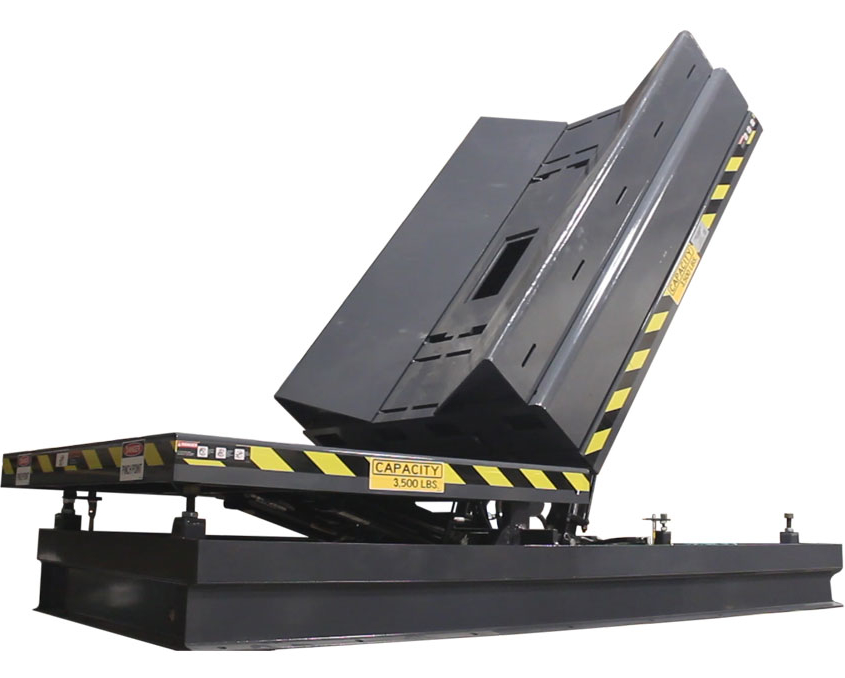
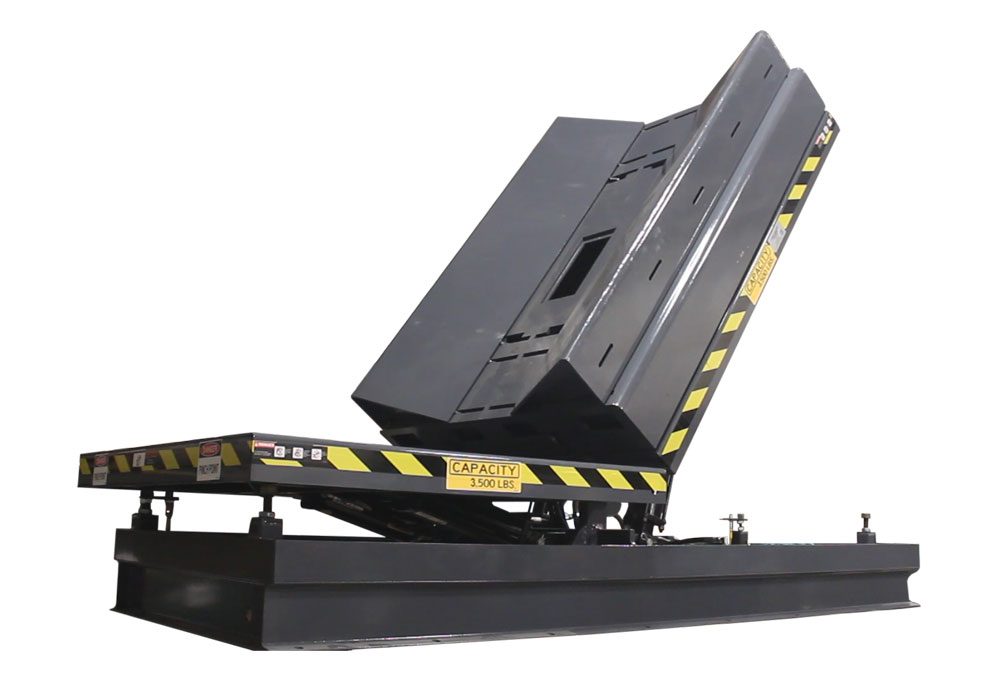
(Motion Image B zoomed)

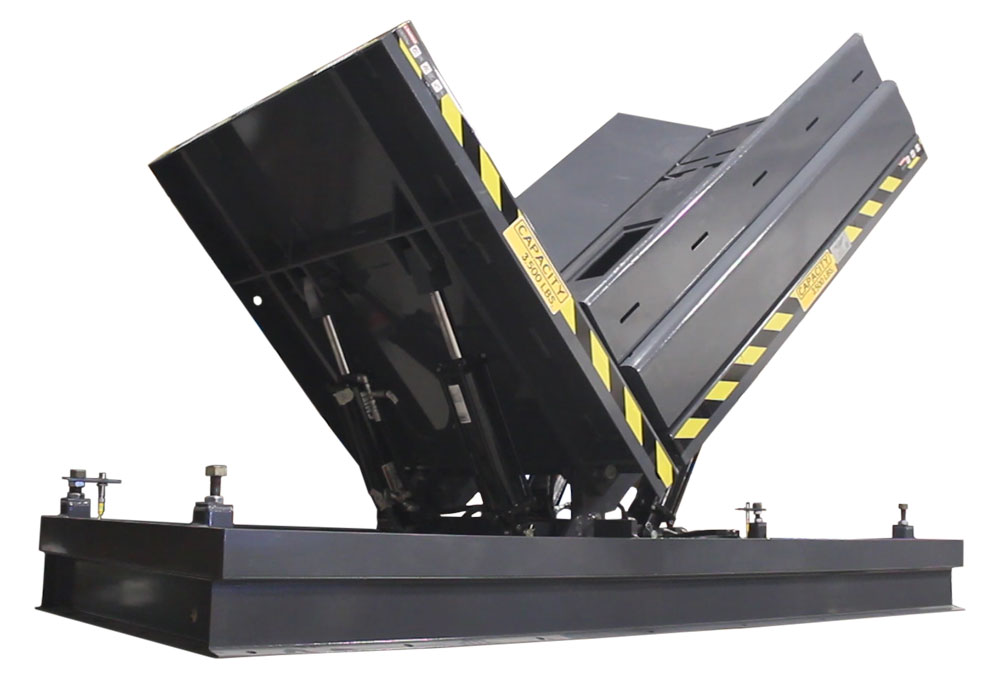
(Motion Image A zoomed)
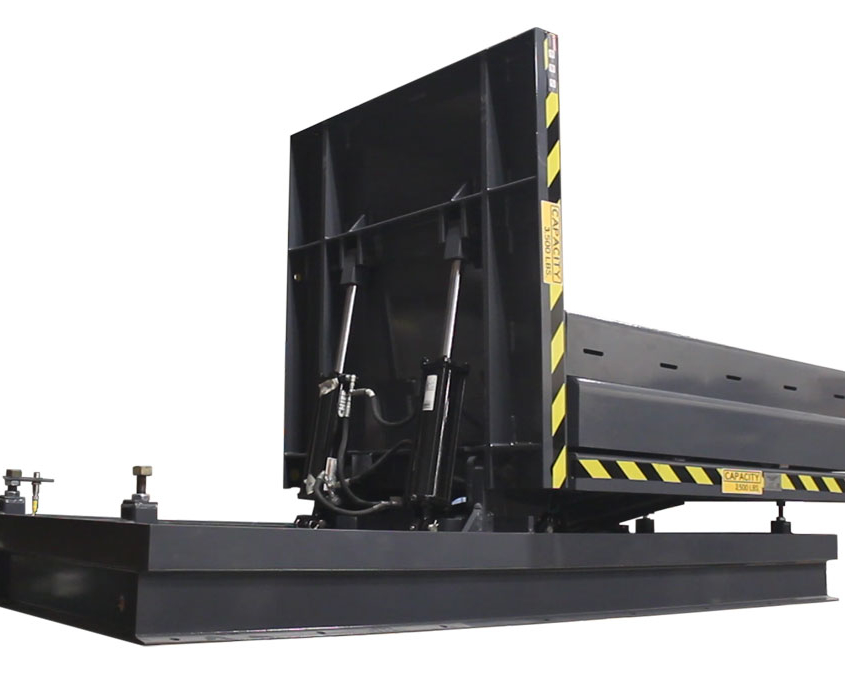
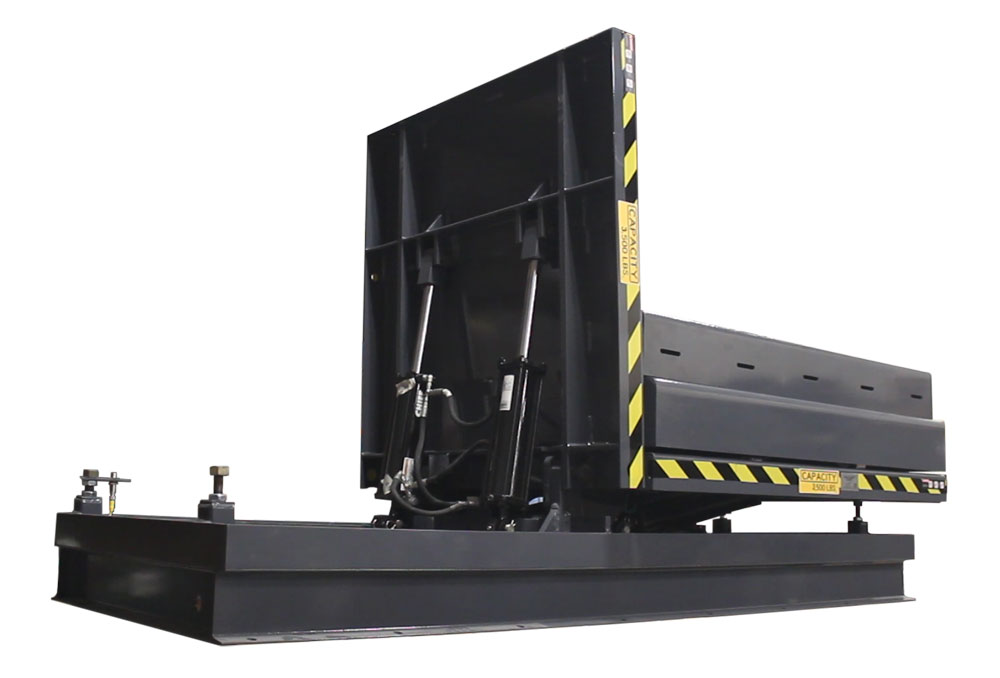
(Image Front Left zoomed)
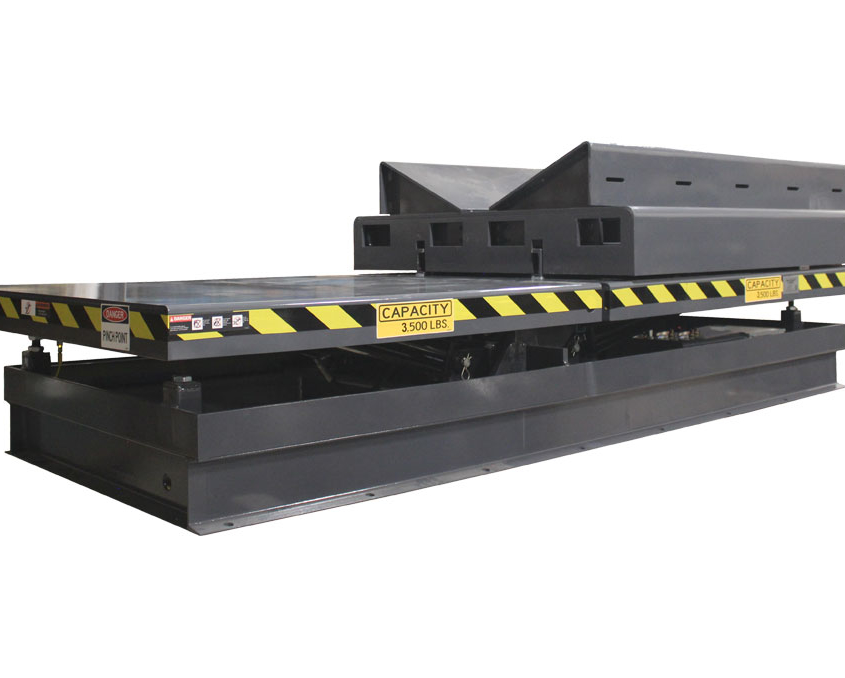
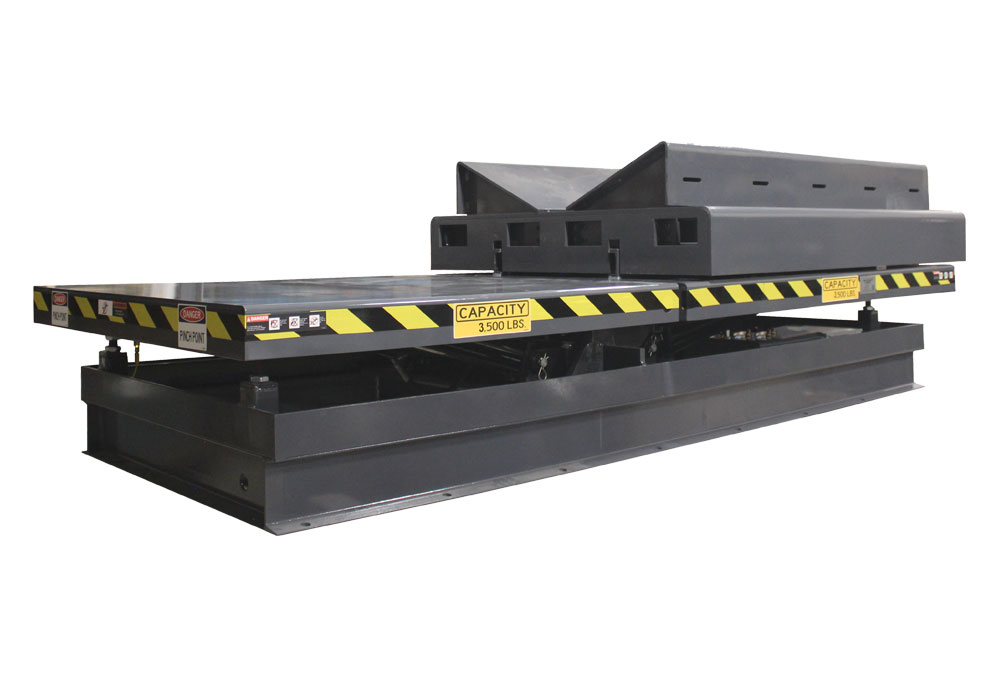
(Image Up Position zoomed)
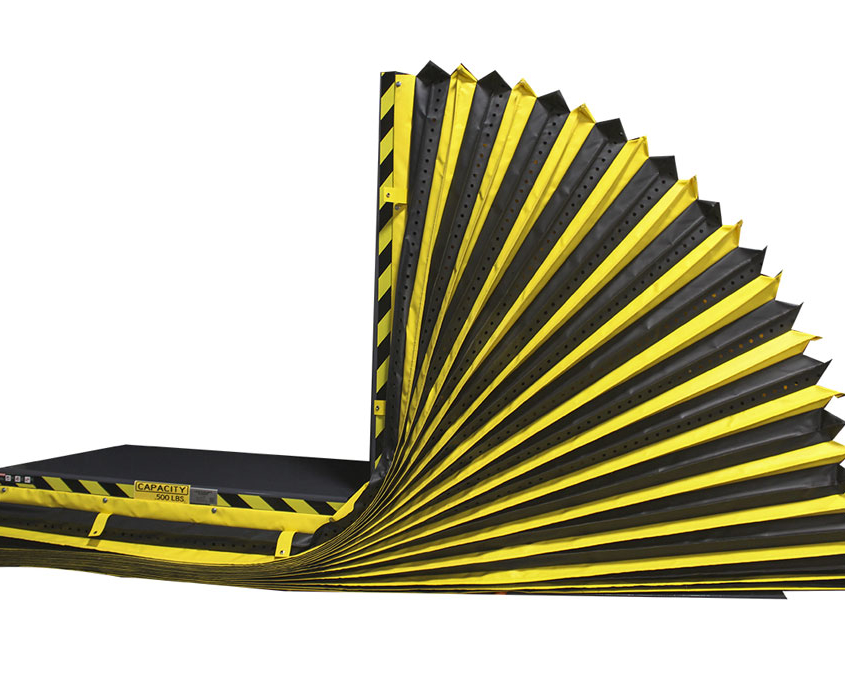
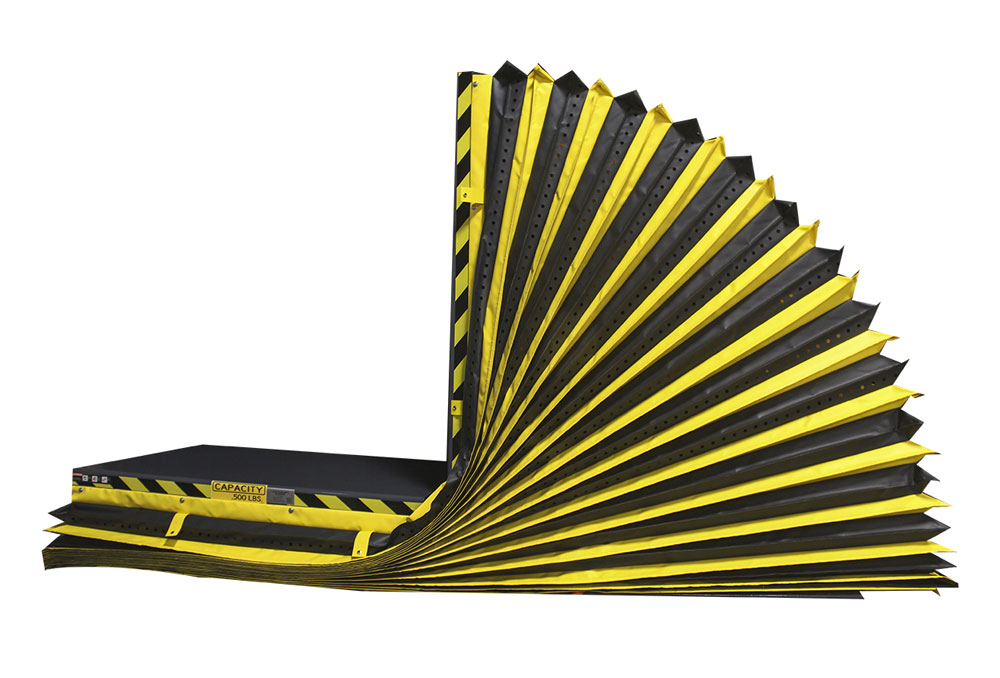
(Image V Position zoomed)
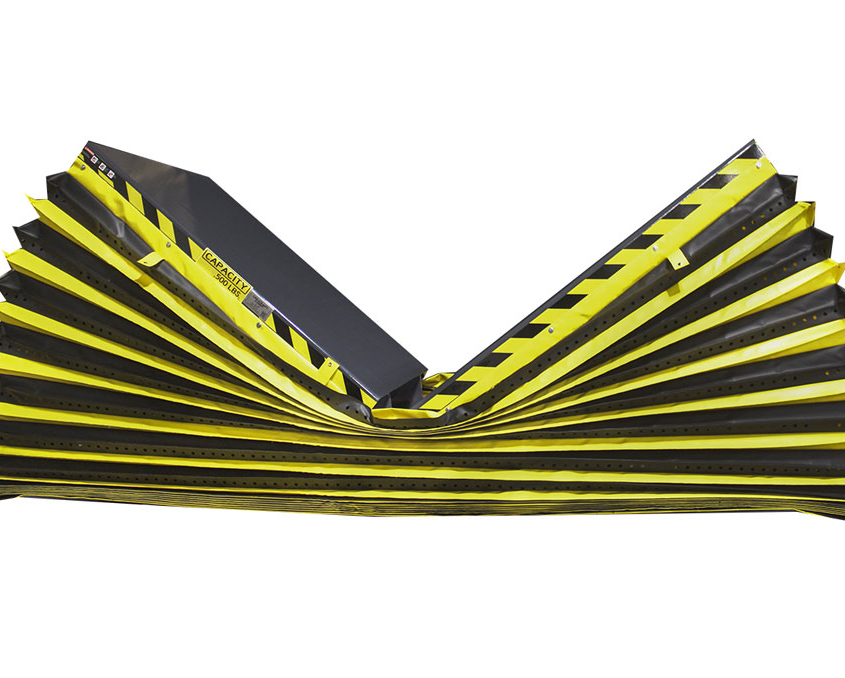
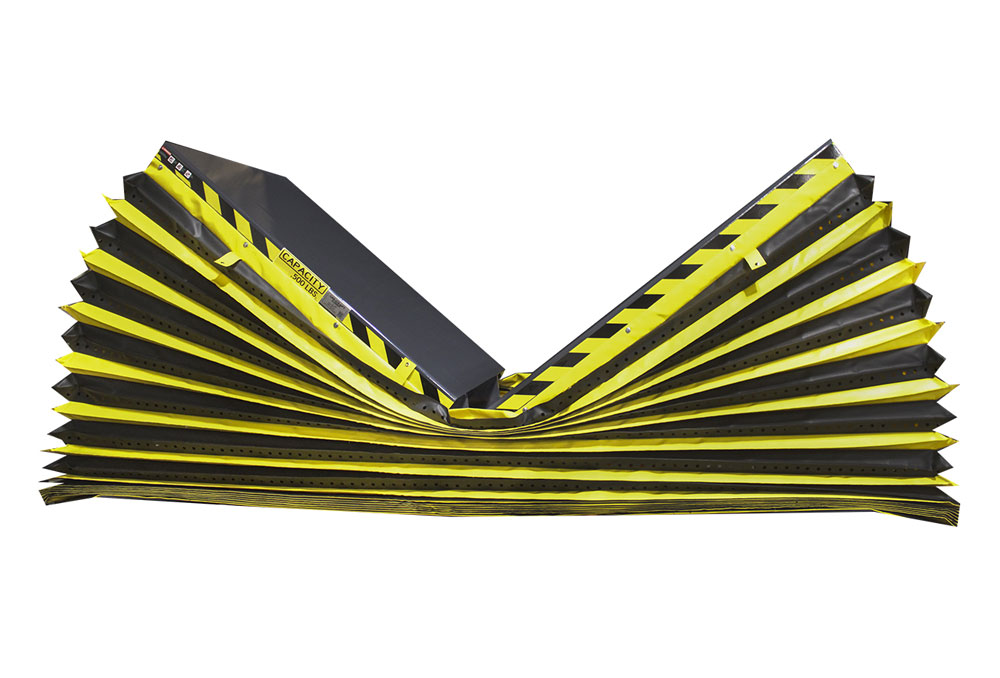
(Image Pass Through Position zoomed)
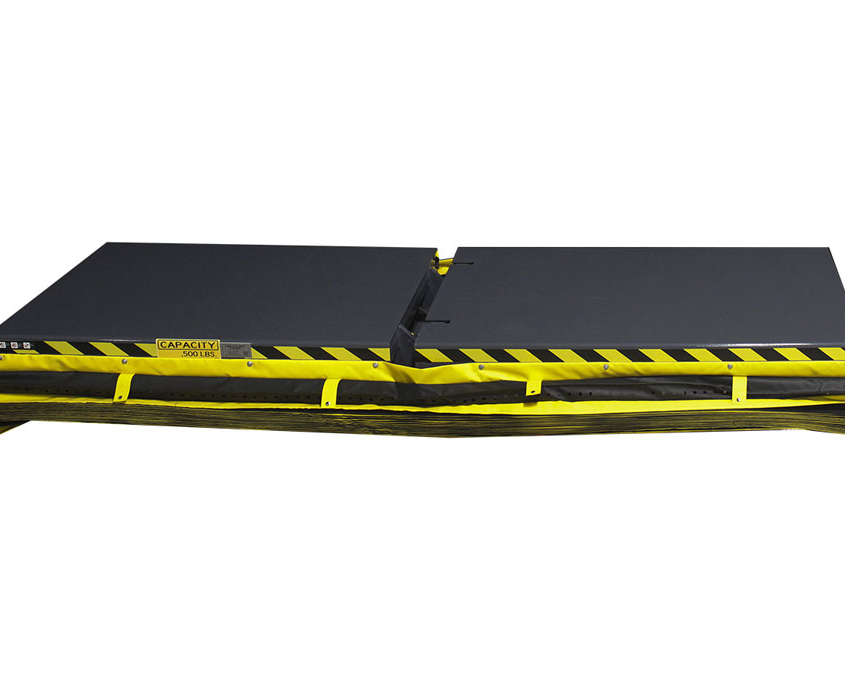
(Image Blue Front View zoomed)
(Image Blue Lifted Platform zoomed)
(Image Blue Side View zoomed)
Where Can You Apply Pass-Through Upenders for Maximum Impact?
Over my career, I've seen pass-through upenders successfully implemented in a wide array of industries. Their versatility makes them adaptable to numerous material handling challenges. Here are some key application areas where I’ve witnessed significant improvements:
-
Die Handling in Metal Stamping and Forming: Heavy dies are a constant in metal forming. Pass-through upenders are ideal for rotating dies to access different work surfaces during machining, maintenance, or setup. The controlled rotation minimizes the risk of damage to these precision tools, and the ergonomic benefits for technicians are substantial.
-
Roll Handling in Paper, Film, and Converting Industries: Massive rolls of paper, film, or other web materials are notoriously difficult and dangerous to handle. Upenders can smoothly rotate these rolls for unwinding, processing, or packaging. The V-cradle option is particularly useful here, securely holding cylindrical rolls during rotation.
-
Coil Handling in Steel and Aluminum Production: Similar to rolls, coils of metal require rotation for various processes. Upenders provide a safe and efficient method for upending coils for further processing, slitting, or feeding into production lines. The high capacity of these upenders is crucial for handling the substantial weight of metal coils.
-
Crate and Pallet Repositioning in Warehousing and Logistics: While perhaps not as heavy as dies or coils, large crates and pallets can still be awkward to handle. Upenders equipped with appropriate fixtures can be used to reposition these items for optimized storage, sorting, or order fulfillment processes in warehouses and distribution centers.
-
Odd-Shaped Object Handling in Various Manufacturing Sectors: The beauty of the pass-through upender lies in its adaptability to "odd-shaped objects." Many manufacturing processes involve items that aren't easily categorized. With custom fixture integration, these upenders can be tailored to handle a wide range of unique components, from large castings to specialized assemblies, providing a versatile solution across diverse industries.
Beyond the Pass-Through Upender: Exploring Similar Material Handling Technologies
While pass-through upenders are incredibly effective for rotation, it's worth noting that they are part of a broader family of material handling equipment. Depending on your specific needs, other technologies might also be relevant. Here’s a quick look at some related options:
-
Industrial Manipulators: These are more versatile robotic arms that can lift, rotate, and precisely position objects in three-dimensional space. While upenders are primarily focused on rotation on a single axis, manipulators offer much greater freedom of movement. They are ideal for complex assembly tasks or when objects need to be moved and reoriented repeatedly in various directions.
-
Tilters: Tilters, similar to upenders, are designed for controlled tilting of loads. However, they often have a more limited tilt range than upenders and may be better suited for applications where complete 90-degree rotation isn't necessary. Tilters can be a cost-effective option for simpler tilting tasks.
-
Positioners: Positioners are generally used to hold and rotate workpieces during welding, machining, or assembly processes. They often offer very precise rotation control and can be integrated with robotic systems for automated manufacturing. While upenders are designed for material handling between processes, positioners are typically used during a specific manufacturing operation.
-
Lift Tables with Turntables: Combining a lift table with a turntable creates a versatile platform for both vertical lifting and rotation. This is useful when you need to raise a load to a specific height and then rotate it for access or processing. These are often used in ergonomic workstations to bring workpieces to an optimal height and orientation for operators.
The choice between a pass-through upender and these related technologies depends entirely on your specific application, the type of materials you're handling, the required range of motion, and the level of automation needed. In many cases, a pass-through upender provides the ideal balance of simplicity, robustness, and efficiency for heavy rotation tasks.
(Videos Section)
Videos
The Upender & Pass Through Upender
(Related Products Section)
RELATED PRODUCTS


(Options Section)
OPTIONS
 \
\ \
\ \
\ \
\(News Section - Removed as it is time sensitive and not directly relevant to product function)
(Contact Section - Removed as per instructions)
(Lift and Turn & Heavy Duty Portable Scissor Lift Section - Removed as per instructions)
(Scroll to top & Table - Removed as navigational elements not needed in blog format)