# Reporting Incidents Involving Mold Upenders: Legal Requirements
Ensuring workplace safety and adhering to legal requirements is paramount when operating mold upenders. Prompt and accurate incident reporting is not just a best practice, it's often legally mandated. This article outlines the essential steps for reporting mold upender incidents, emphasizing legal compliance, OSHA guidelines, and best safety practices to protect your workforce and operations.
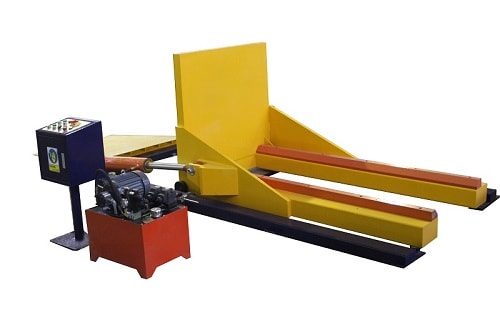
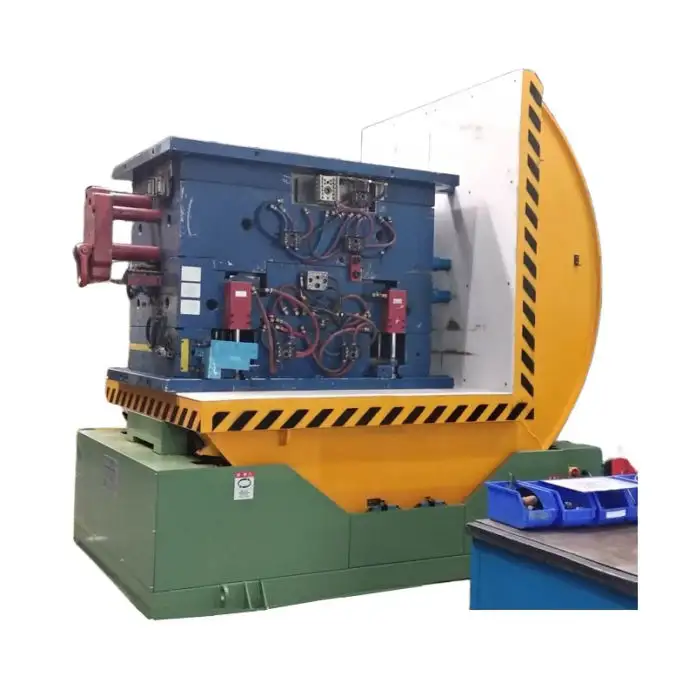
Mold upenders, crucial pieces of equipment in manufacturing and construction settings, are designed to efficiently rotate and position molds and dies, often of considerable weight. While they significantly enhance productivity and reduce manual handling risks, incidents involving mold upenders can occur, potentially leading to severe consequences. These incidents can range from equipment malfunctions and property damage to serious personnel injuries. Therefore, a robust system for incident reporting is not merely good practice; it's a cornerstone of legal compliance and workplace safety.
Understanding the Imperative of Incident Reporting
Incident reporting serves multiple critical functions within any organization, especially those utilizing heavy machinery like mold upenders. Firstly, it is fundamentally about safety. Prompt reporting allows for immediate response to mitigate ongoing hazards and prevent further injury or damage. Seconds, after-the-fact analysis of incident reports provides invaluable data for identifying root causes, systemic weaknesses in safety protocols, and areas for preventative action. Thirdly, in many jurisdictions, including those governed by the Occupational Safety and Health Administration (OSHA) in the United States, incident reporting is a legal obligation. Failure to comply can result in significant penalties, legal liabilities, and reputational damage.
The provided materials, while not directly addressing mold upenders, highlight the broader context of incident reporting across various sectors and regulatory bodies like the Pipeline and Hazardous Materials Safety Administration (PHMSA) and the Chemical Safety Board (CSB). These examples underscore the universal principle: when accidents or near-misses occur, formal reporting is essential for safety, compliance, and continuous improvement.
Navigating the Legal and Regulatory Landscape
While specific regulations explicitly targeting "mold upender incidents" might not exist as a distinct category, several layers of legal and regulatory requirements necessitate incident reporting in workplaces that utilize such equipment.
OSHA General Duty Clause: In the United States, the bedrock of workplace safety is the OSHA General Duty Clause. This clause mandates that employers must provide a workplace free from recognized hazards that are causing or are likely to cause death or serious physical harm to employees. Incidents involving mold upenders, particularly those resulting in injury or near-misses with potential for serious harm, fall squarely under this clause. Therefore, failing to investigate and address hazards identified through incident reports could be construed as a violation.
OSHA Recordkeeping and Reporting Requirements: OSHA has specific regulations regarding recordkeeping and reporting of workplace injuries and illnesses. While not every incident necessitates reporting directly to OSHA, certain severe incidents trigger mandatory reporting within specified timeframes. These include:
- Fatality: Employers must report any workplace fatality to OSHA within 8 hours of finding out about it.
- Hospitalization, Amputation, or Loss of an Eye: Employers must report any in-patient hospitalization, amputation, or loss of an eye within 24 hours of finding out about the incident.
Incidents involving mold upenders could easily result in injuries falling under these categories. For instance, a worker caught in the machinery could suffer amputations or require hospitalization due to crush injuries. Therefore, understanding and adhering to OSHA’s reporting requirements is crucial.
State and Local Regulations: Beyond federal OSHA regulations, many states have their own OSHA-approved state plans which may have additional or stricter reporting requirements. Furthermore, local jurisdictions might have building codes or safety ordinances relevant to the operation of heavy machinery like mold upenders. Companies must be aware of and compliant with all applicable state and local regulations in addition to federal mandates.
Industry-Specific Standards: While not legally binding regulations, industry consensus standards from organizations like ANSI (American National Standards Institute) or similar bodies often provide best practices for safe equipment operation, including mold upenders. These standards frequently recommend incident reporting as an integral part of a comprehensive safety management system. Adhering to such standards, while voluntary, can strengthen a company’s defense in case of legal challenges and demonstrates a commitment to exceeding minimum legal requirements for safety.Establishing a Robust Incident Reporting System for Mold Upenders
Creating an effective incident reporting system for mold upenders involves several key steps:
- Clear Definition of Reportable Incidents: Establish clear guidelines outlining what constitutes a reportable incident. This should include:
- Injuries: All injuries, regardless of severity (first aid, medical treatment, hospitalization).
- Near Misses: Events that did not result in injury or damage but had the potential to do so.
- Equipment Malfunctions: Any unplanned breakdown, failure, or erratic behavior of the mold upender.
- Property Damage: Damage to the mold upender itself, molds, dies, surrounding equipment, or facilities.
- Clear Definition of Reportable Incidents: Establish clear guidelines outlining what constitutes a reportable incident. This should include:

* **Environmental Incidents:** Though less direct, consider if the incident had any environmental impact (e.g., hydraulic fluid leak).- Accessible Reporting Mechanisms: Provide multiple, easy-to-use channels for reporting. These could include:
- Verbal Reporting: Encourage immediate verbal reports to supervisors for urgent situations.
- Written Reports: Implement standardized incident report forms (paper or electronic) for detailed documentation.
- Online Reporting Systems: Utilize web-based or mobile apps for streamlined incident submission and tracking.
-
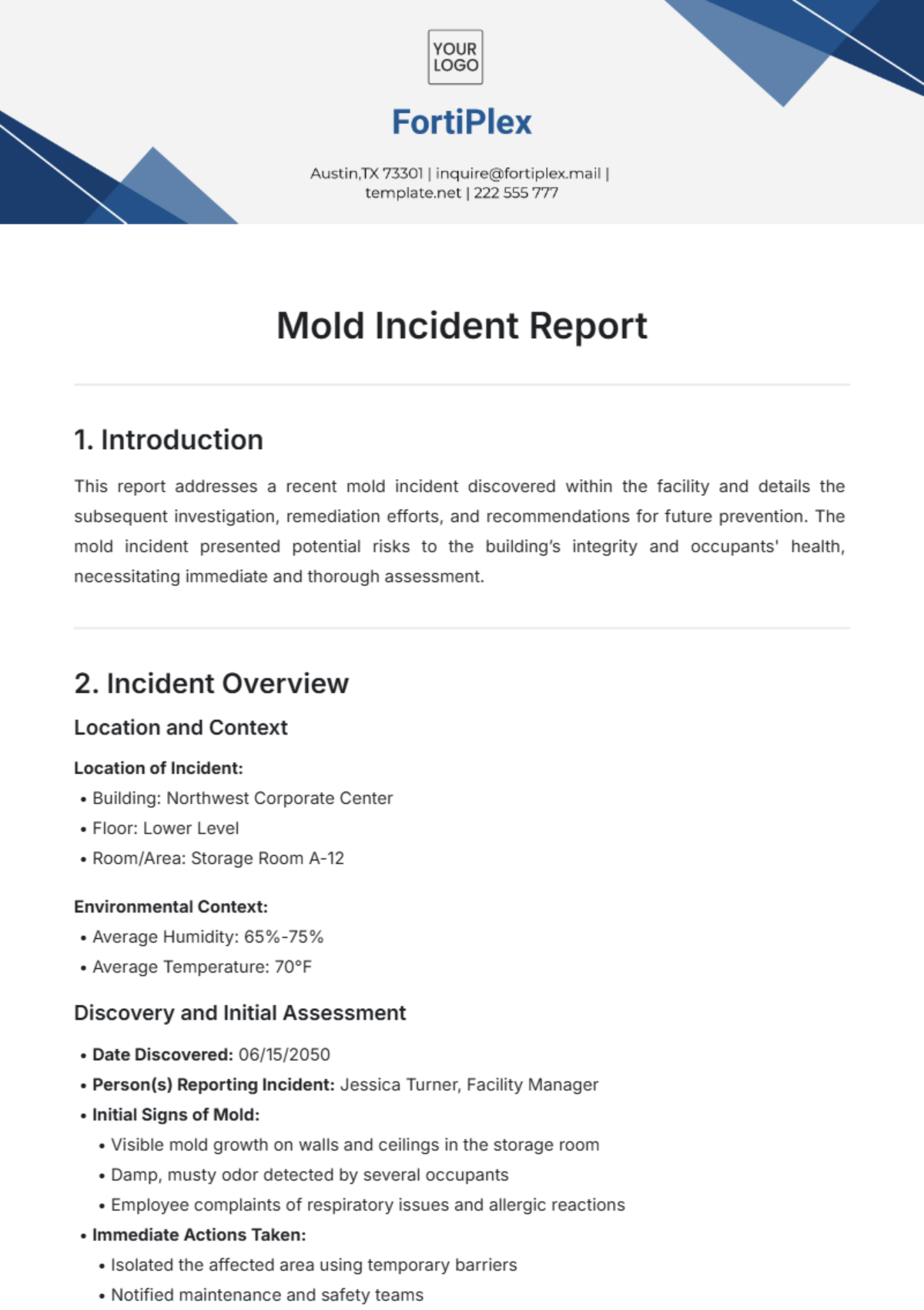
Standardized Incident Report Form: Design a comprehensive incident report form that captures all essential information. Drawing inspiration from the DOT Form 5800.1 mentioned in the source materials for hazardous materials incidents, a mold upender incident report form should include: Field Description Importance Date and Time of Incident Precise time and date of occurrence Establishes timeline for investigation and reporting Location Specific location within the facility Pinpoints the area for hazard assessment Description of Incident Detailed narrative of what happened, in sequence Provides context and details for analysis

| Equipment Involved | Make, model, and identification number of the mold upender | Identifies specific equipment for inspection and maintenance |
| Personnel Involved | Names and roles of employees, contractors, or visitors involved | Tracks who was affected and witnesses |
| Injuries (if any) | Nature and severity of injuries, medical treatment provided | Triggers OSHA reporting if applicable, tracks employee health |
| Property Damage (if any) | Description and estimated value of damaged property | Quantifies the economic impact and identifies areas needing repair/replacement |
| Witnesses | Names and contact information of any witnesses | Provides additional perspectives and corroboration |
| Immediate Actions Taken | Steps taken immediately after the incident to secure the area and provide aid | Demonstrates immediate response and hazard control |
| Reporting Person | Name and signature of the person completing the report | Establishes accountability and contact point |
- Prompt Investigation Procedures: Establish a protocol for timely investigation of reported incidents. Investigations should:
- Be conducted by trained personnel with knowledge of mold upender operation and safety.
- Focus on determining the root causes of the incident, not just the immediate triggers.
- Involve relevant personnel, including operators, supervisors, and safety representatives.
* Document findings, corrective actions, and preventive measures.- Corrective and Preventive Actions: The ultimate goal of incident reporting is to prevent recurrence. Based on investigation findings, implement effective corrective actions to address immediate hazards and preventive measures to eliminate or mitigate root causes. This may involve:
- Revising operating procedures
- Enhancing training programs
- Improving equipment maintenance schedules
- Modifying the work environment
- Implementing engineering controls
- Regular Review and Improvement: Incident reporting systems are not static. Periodically review the system's effectiveness, analyze incident data trends, and identify areas for improvement. This continuous improvement cycle is essential for maintaining a safe working environment and ensuring ongoing legal compliance.
Conclusion
Reporting incidents related to mold upenders is not merely an administrative task; it’s a critical safety function and a legal obligation. By establishing clear reporting procedures, utilizing standardized forms, conducting thorough investigations, and implementing corrective actions, companies can significantly reduce the risk of accidents, protect their employees, and ensure compliance with OSHA and other applicable regulations. A proactive approach to incident reporting demonstrates a commitment to workplace safety that benefits both employees and the long-term success of the organization.