# Understanding Load Capacity in Mold Upenders: A Buyer’s Guide
Understanding load capacity in mold upenders is crucial for safe and efficient material handling. Load capacity dictates the maximum weight an upender can handle, impacting productivity, safety, and equipment longevity. Factors like mold weight, size, and operational frequency determine the necessary load capacity. Choosing the correct capacity ensures optimal performance and minimizes risks.
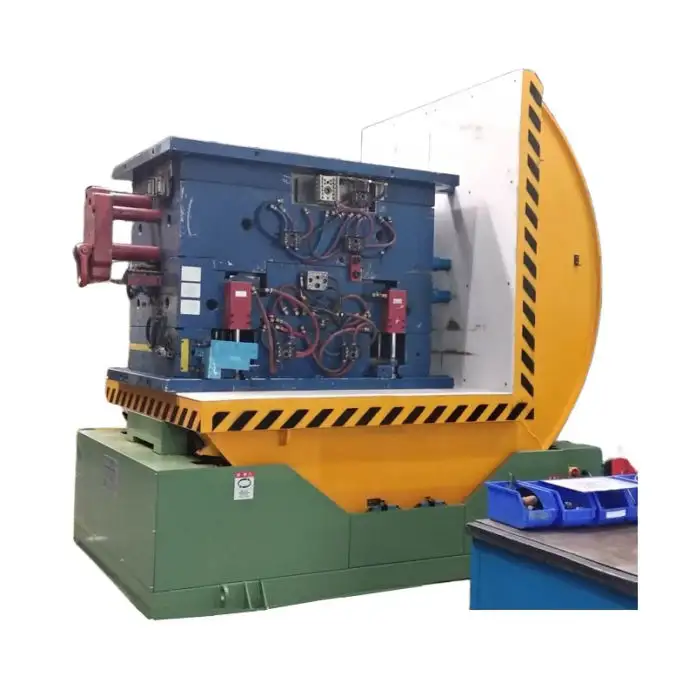
In industrial environments where heavy molds, dies, and coils are constantly being repositioned, mold upenders (also known as coil tilters or upenders and tippers) are indispensable pieces of equipment. These machines are engineered to safely and efficiently rotate heavy and often awkwardly shaped loads by 90 degrees. However, selecting the right mold upender requires a thorough understanding of its load capacity and how it aligns with your specific operational needs. This buyer’s guide will walk you through the critical aspects of load capacity in mold upenders, ensuring you make an informed decision that enhances safety, productivity, and the longevity of your equipment.
Why Load Capacity Matters in Mold Upenders
Load capacity is the cornerstone of any mold upender's functionality. It refers to the maximum weight a mold upender is designed to safely and effectively handle. Exceeding this capacity not only poses significant safety risks but can also lead to equipment damage, operational downtime, and costly repairs. Therefore, comprehending and appropriately matching load capacity to your operational demands is paramount.
Safety First
The primary concern when considering load capacity is safety. Overloading a mold upender can cause structural failure, leading to dropped loads, equipment malfunction, and, most importantly, serious workplace injuries. Mold upenders are designed with specific load limits to ensure stability and control during rotation. Staying within these limits guarantees that safety mechanisms, such as counterbalance valves and maintenance locks, function as intended, protecting operators and preventing accidents.
Operational Efficiency and Productivity
Beyond safety, load capacity directly affects operational efficiency. Choosing a mold upender with adequate load capacity ensures smooth and uninterrupted workflow. If the upender is consistently operating at its maximum limit, it might experience premature wear and tear, reducing its lifespan and increasing maintenance frequency. Conversely, an appropriately sized upender operates within its designed parameters, ensuring reliable and consistent performance, thus maximizing productivity in heavy-duty, 24/7 operations.
Equipment Longevity and Cost-Effectiveness
Investing in a mold upender is a significant capital expenditure. To maximize the return on this investment, selecting a unit with the correct load capacity is crucial. Overstressed equipment is prone to breakdowns, requiring frequent repairs and replacements, ultimately increasing operational costs and reducing the overall lifespan of the machinery. Choosing a mold upender with a suitable load capacity ensures it operates efficiently for years, providing a cost-effective material handling solution.
Key Factors Influencing Load Capacity
Several factors determine the load capacity of a mold upender. Understanding these elements is vital for selecting the right machine for your specific application.
Material and Construction
The materials used in constructing a mold upender and its overall design significantly impact its load capacity. Heavy-duty upenders, designed for continuous operation and handling substantial weights, are built with robust steel and high-quality components. Welded steel frames, sturdy steel plates, and rugged pivot bearings are common features in high-capacity models. These materials ensure the structural integrity needed to handle heavy molds, dies, coils, and other bulky loads without deformation or failure.

Hydraulic vs. Mechanical Systems
Mold upenders operate using either hydraulic or mechanical systems, each influencing load capacity differently.
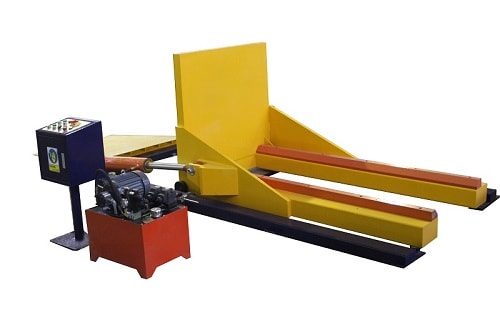
- Hydraulic Upenders: Hydraulic systems generally offer higher power and lifting capacity for their size. Double-acting tilt cylinders, common in hydraulic upenders, enhance maneuverability and provide sufficient power to handle a wide range of load capacities, often ranging from 3,000 lbs to 12,000 lbs and beyond. Hydraulic systems also allow for smoother, more controlled movements, which is crucial when handling delicate or sensitive molds.
-
Mechanical Upenders: Mechanical upenders, while robust, might have different capacity ranges depending on their design and drive mechanisms, often chain-driven through a reduction gearbox. The strength and configuration of the chain, sprocket, and motor determine the mechanical upender's load capacity. Mechanical systems can be highly reliable and are often favored for simpler, direct operation. Feature Hydraulic Upender Mechanical Upender Power Source Hydraulic cylinders Electric motor, gearbox, and chain drive Load Capacity Typically higher, wider range (3,000 lbs - 50+ tons) Varies; can handle substantial loads depending on design Control Smooth, precise, often programmable controls Direct, push-button, potentially dead-man operation Maintenance More complex hydraulic system maintenance Simpler mechanical system maintenance Ideal Applications Heavy, frequent, and precision-critical operations Robust, reliable, and straightforward applications Platform Design and Size
The platform of a mold upender, which directly supports the load during rotation, plays a critical role in load capacity. The size and design of the platform must be appropriate for the dimensions and shape of the molds being handled. Some upenders come with a V-saddle or flat platform. V-saddles are particularly useful for cylindrical loads like coils and rolls, providing support and preventing them from rolling during rotation. Flat platforms are more versatile for handling molds, dies, and palletized loads of various shapes. The platform's dimensions must be large enough to comfortably accommodate the load, ensuring it is centered and stable throughout the upending process.
Operational Cycle and Duty Rating
The intended operational cycle and duty rating of the mold upender are crucial considerations for load capacity. High-cycle upenders are designed for 24/7, heavy-duty operations where product orientation changes are a continuous part of the production process. These units are built to withstand constant stress and frequent use. For operations with less frequent or lighter load requirements, economy or low-duty upenders might suffice. Matching the duty rating to your operational volume is essential for ensuring both adequate load capacity and cost-efficiency.

Types of Mold Upenders and Load Capacity Considerations
Mold upenders are available in various types, each designed for specific duty levels and load capacities. Understanding these types will help you narrow down your choices and select the most suitable option.
Economy Upenders
Economy upenders are designed for lighter loads and intermittent use. While load capacity varies by model, these are generally suitable for operations that do not require constant, heavy lifting. They offer a cost-effective solution for businesses with occasional upending needs and lighter molds. However, for high-volume or heavy mold applications, economy models may not offer sufficient durability or load capacity.
Low Duty Upenders
Low-duty upenders offer a step up in load capacity and durability compared to economy models. Often rated for capacities around 2,000 lbs to 4,000 lbs, these upenders are suitable for improving warehouse speed and efficiency while maintaining worker safety in operations that handle moderately heavy loads with reasonable frequency. They bridge the gap between light-duty and heavy-duty applications, providing a balance of capacity and cost.
High Cycle Heavy Duty Upenders
| High-cycle heavy-duty upenders are engineered for the most demanding environments. Designed for 24/7 operation and frequent handling of heavy, bulky loads, these upenders boast robust construction, high-quality components, and substantial load capacities, often ranging from 3,000 lbs to 12,000 lbs and beyond. They are built to handle coils, molds, dies, paper rolls, cylinders, and other heavy materials, providing reliable and consistent performance in high-volume production settings. Features like heavy-duty welded steel frames, rugged pivot bearings, and high-quality hydraulic or mechanical systems are standard in these models. | Upender Type | Ideal Use Case | Typical Load Capacity Range | Key Features |
|---|---|---|---|---|
| Economy | Light loads, intermittent use | Up to 2,000 lbs | Cost-effective, basic functionality | |
| Low Duty | Medium loads, moderate frequency | 2,000 lbs - 4,000 lbs | Improved durability, worker safety | |
| High Cycle Heavy Duty | Heavy loads, continuous 24/7 operations | 3,000 lbs - 12,000+ lbs | Rugged, reliable, high performance |
Selecting the Right Load Capacity for Your Needs
Choosing the correct load capacity involves a careful assessment of your operational requirements and the characteristics of the materials you handle.

Assess Your Mold Specifications
Start by accurately determining the weight, dimensions, and shape of the heaviest molds you will be handling. Always choose a mold upender with a load capacity that exceeds the weight of your heaviest mold. This provides a safety margin and accommodates potential future needs or heavier loads. Consider not only the current mold weights but also any anticipated increases in mold size or weight in the future.
Consider Operational Frequency
Evaluate how frequently you will be using the mold upender. For continuous, high-volume operations, a high-cycle heavy-duty unit is essential. For intermittent use, a low-duty or even economy model might suffice. However, even with infrequent use, if you are handling heavy molds, the load capacity must still be adequate for safety and efficiency.
Evaluate Workspace and Integration
Consider your workspace and how the mold upender will integrate into your existing material handling system. Ensure you have sufficient space for the upender's footprint and operational clearance, including room for loading and unloading with forklifts or overhead cranes. If integrating with a conveyor line, ensure the upender is compatible and can be seamlessly incorporated.
Think Long-Term and Future Needs
When selecting a mold upender, consider your long-term operational plans. Choosing a unit with a slightly higher load capacity than your current needs can be a wise investment, providing flexibility for handling heavier loads in the future and extending the equipment's usability over time.
Safety Considerations Related to Load Capacity
Safety is paramount when operating mold upenders, and load capacity is directly linked to safe operation.
Avoid Overloading
Strictly adhere to the manufacturer's stated load capacity. Overloading is a primary cause of accidents and equipment damage. Clearly mark the load capacity on the upender and train operators to understand and respect these limits.
Regular Inspections and Maintenance
Regularly inspect the mold upender, focusing on critical components like chains, pivot bearings, hydraulic cylinders (if applicable), and structural welds. Follow the manufacturer's maintenance schedule, including daily operator checks and quarterly maintenance by qualified personnel. Proper maintenance ensures all safety features, such as maintenance locks, counterbalance valves, and emergency stop buttons, are functioning correctly.
Operator Training and Safe Operating Procedures
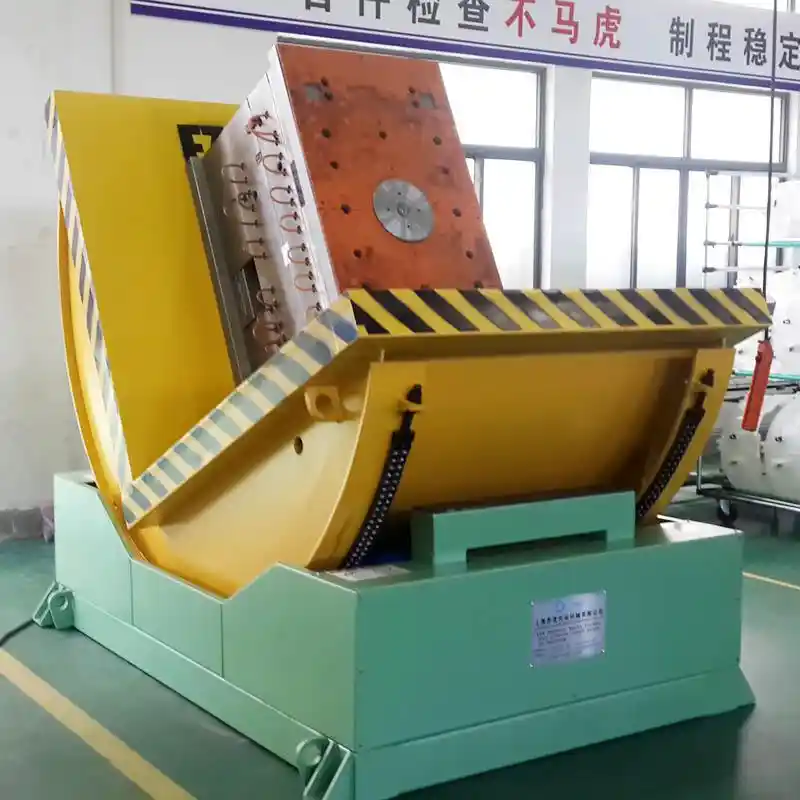
Ensure all operators are thoroughly trained on the safe operation of the mold upender, including understanding load capacity limits, proper loading and unloading procedures, and emergency protocols. Implement and enforce safe operating procedures, emphasizing the importance of centering loads, securing mobile loads, keeping the area around the upender clear, and never working under an unsupported platform.
Maintenance and Longevity Related to Load Capacity
Proper maintenance not only ensures safety but also maximizes the lifespan of your mold upender and maintains its designed load capacity over time.
Daily Operator Checks
Operators should perform daily checks before each shift, inspecting for any visible damage, unusual noises, or operational issues. Check control cords, safety guards, and ensure the platform is square and level. Report any abnormalities immediately and do not operate the machine until it has been checked and cleared by maintenance personnel.
Quarterly Maintenance
Qualified maintenance personnel should conduct quarterly maintenance, including:
- Chain Inspection and Adjustment: Check chains (in mechanical upenders) and drive components for wear and proper tension. Adjust chain tension as needed.
- Lubrication: Lubricate all bearings and moving parts as per manufacturer recommendations.
- Hydraulic System Check (if applicable): Inspect hydraulic hoses, cylinders, and fluid levels for leaks or damage.
- Electrical Component Check: Inspect all electrical cords, wiring, and controls for wear and proper function.
- Structural Inspection: Check for any cracks or deformations in the frame and platform.
By adhering to a regular maintenance schedule and prioritizing safety, you can ensure your mold upender operates reliably, maintains its designed load capacity, and provides years of efficient and safe service.Conclusion
Understanding load capacity is fundamental to selecting the right mold upender for your industrial needs. By carefully assessing your mold specifications, operational requirements, and safety considerations, and by choosing a unit with an appropriate load capacity and duty rating, you can enhance productivity, improve workplace safety, and ensure the longevity of your equipment. Investing in a mold upender with the correct load capacity is not just a purchase; it’s a strategic investment in the efficiency, safety, and future success of your operations. Remember to prioritize quality, reliability, and comprehensive support from reputable manufacturers to maximize your return on investment and ensure peace of mind.