Coil Upender for Sale: Key Benefits for Steel Manufacturers
If you manage a steel mill or metal processing plant, you know the daily struggle. The end of the production line, where heavy coils need to be turned and positioned for packaging, is often a bottleneck. It's a zone of high risk, low efficiency, and constant frustration. Manual handling with cranes and chains is slow, dangerous, and damages your valuable product. You're not just looking for a machine; you're searching for a solution to these persistent operational headaches that eat into your profits and keep you up at night.
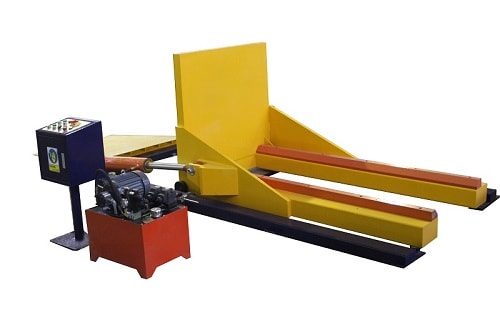
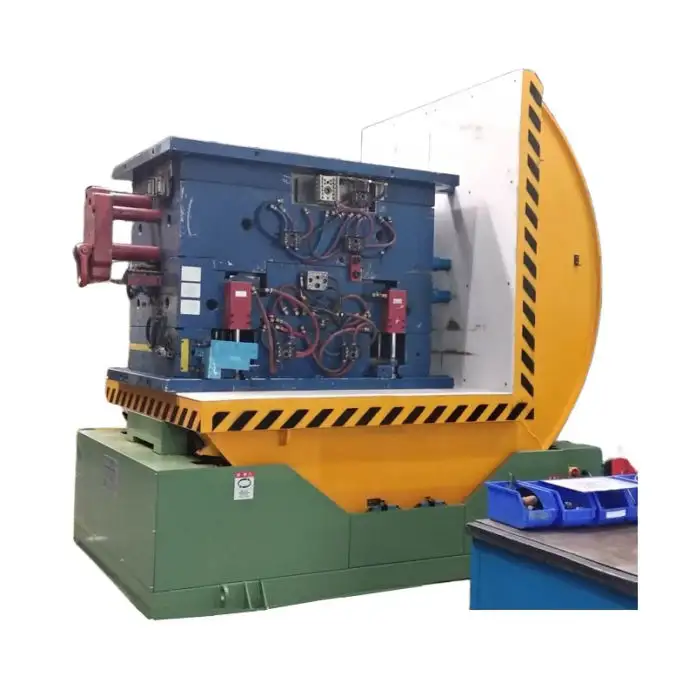
A coil upender is a specialized material handling machine designed to safely and efficiently rotate heavy steel coils from a horizontal to a vertical orientation, or vice versa, automating a critical but hazardous step in the packaging and shipping process. For steel manufacturers, the key benefits of investing in a quality coil upender for sale include drastically improved workplace safety, significant gains in packaging line efficiency, a major reduction in product damage, and a strong, calculable return on investment (ROI) through lower labor and operational costs.
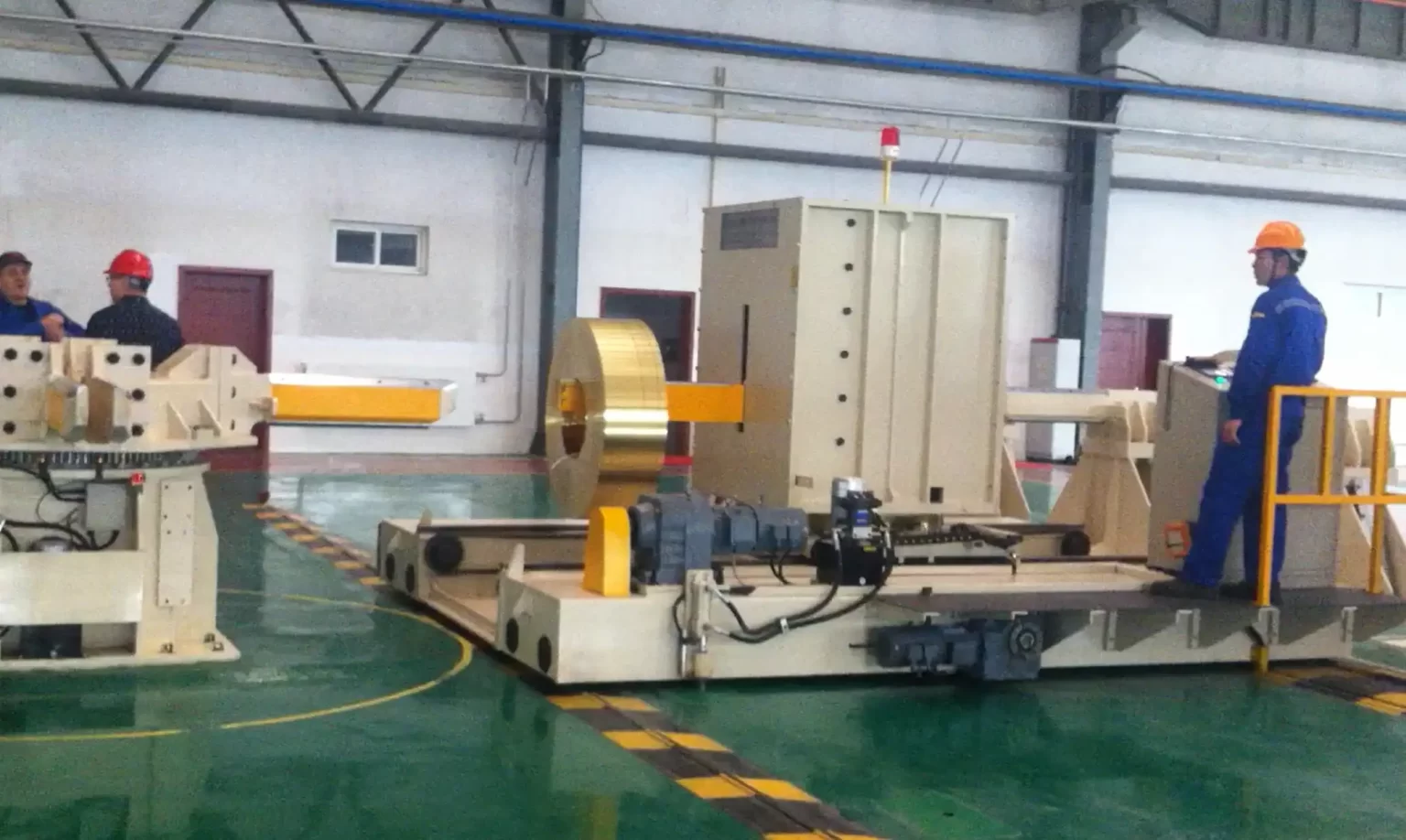
The decision to purchase a coil upender goes beyond buying equipment. It's about transforming a weak link in your supply chain into a strength. In the following sections, we'll break down exactly how a modern upender addresses the core challenges faced by plant managers like you. We'll explore the tangible benefits, what to look for in a reliable machine, and how to choose a partner who understands the heavy demands of the steel industry.
1. How Does a Coil Upender Solve Critical Safety and Efficiency Bottlenecks?
Imagine a typical scene without an upender. Workers guide a swinging, multi-ton coil suspended from a crane. They use manual force, pry bars, and risky maneuvers to try and flip it onto its end. Every shift, this process exposes your team to the danger of crushing injuries, strains, and falls. It's slow, inconsistent, and depends entirely on human skill and alertness. This is the problem a coil upender is built to eliminate.
A coil upender solves critical safety and efficiency bottlenecks by completely removing the need for manual coil rotation. It uses a powered, controlled mechanism—like a rotating arm, turntable, or cradle—to grip and smoothly turn the coil within a guarded frame. This automation standardizes the process, makes it predictable, and physically separates workers from the heavy load, thereby eradicating the most common causes of serious injury in the coil handling area while speeding up the packaging line throughput.
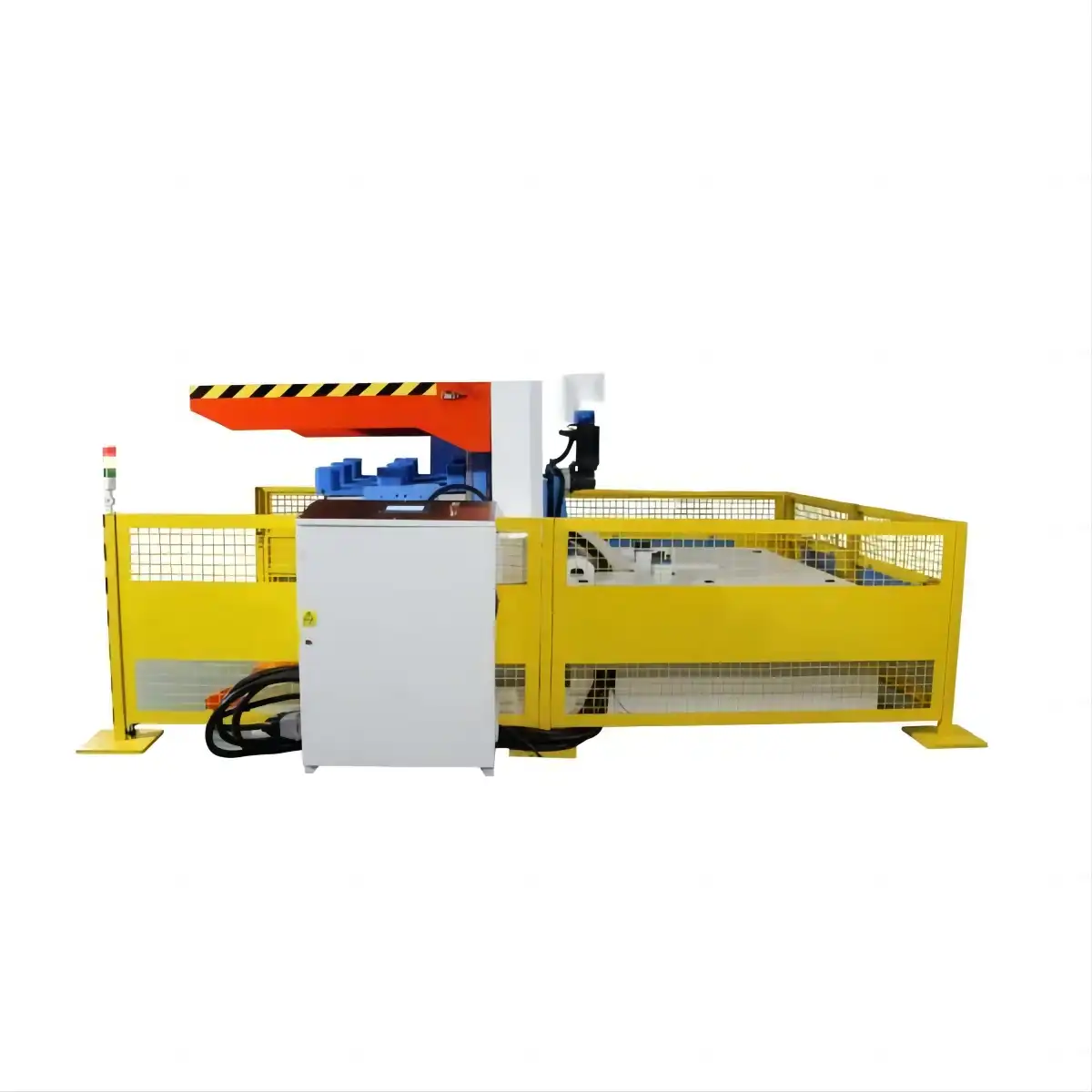
Let's dive deeper into the mechanics and impact. A modern upender isn't just a flipping machine; it's an integrated safety and efficiency system.
🛡️ The Safety Transformation: From Hazard to Guarded Process
- Elimination of High-Risk Tasks: The most dangerous actions—being under a suspended load, manually guiding the coil, using leverage tools—are gone. The operator controls the cycle from a safe distance via a pendant or control panel.
- Engineered Guarding: Quality upenders come with integrated safety fences, light curtains, or interlocked gates. The machine cannot operate unless the safety zone is clear.
- Predictable, Controlled Motion: Unlike a swinging crane hook, the upender's movement is hydraulic or electric, providing smooth acceleration and deceleration. There is no uncontrolled momentum.
⚙️ The Efficiency Leap: Quantifying the Gains
| Manual Process (Without Upender) | Automated Process (With Upender) | Efficiency Gain |
|---|---|---|
| Cycle time: 5-10 minutes per coil (variable) | Cycle time: 1-2 minutes per coil (consistent) | ~80% reduction in handling time |
| Requires 2-3 skilled operators | Requires 1 operator for monitoring | Labor reduction of 50-66% |
| High dependency on operator skill and fatigue level | Consistent, repeatable operation independent of operator | Elimination of variability and errors |
| Prone to delays and accidents | Creates a reliable, predictable workflow | Smoother production scheduling and output |
The result is a direct attack on your bottom-line challenges. Reduced injury risk means lower insurance premiums and less downtime from investigations. The faster, consistent cycle time directly decongests your packaging line, allowing you to ship more product per shift. For a plant manager facing pressure to improve output and safety metrics, the coil upender provides a clear, mechanical answer. (automated coil handling, steel coil rotation safety, packaging line bottleneck solution)
2. What Should You Look for When Choosing a Coil Upender for Your Plant?
You've seen the benefits and are convinced you need an upender. The next question is critical: with many suppliers on the market, how do you choose the right one? Picking the wrong machine can lead to a nightmare of breakdowns, poor performance, and wasted capital. The goal is to find a machine that matches your specific plant's needs and a supplier that acts as a true partner, not just a vendor.
When choosing a coil upender for your plant, you must prioritize three core aspects: 1) Technical Specifications & Customization – it must match your coil dimensions, weight, and plant layout; 2) Build Quality & Durability – it must be constructed from heavy-duty materials to withstand a 24/7 industrial environment; and 3) Supplier Expertise & Support – you need a partner with proven experience in the steel industry who offers reliable after-sales service and understands your operational challenges.

Selecting an upender is a technical procurement exercise. Let's break down what each of these priorities means in practical terms.
🔧 1. Technical Specifications & The "Fit" Test
Don't buy an off-the-shelf solution without a thorough audit. A good supplier will ask detailed questions:
- Coil Parameters: Maximum and minimum Outer Diameter (O.D.), Width (I.D.), and Weight. The machine must handle your full range.
- Plant Integration: How will the coil arrive? From a conveyor, a C-hook, or a transfer car? How will it leave? The upender must interface seamlessly. Consider options like incoming/outgoing conveyors or adjustable height platforms.
- Control & Automation Level: Do you need a simple manual control pendant, or integration with a Plant PLC for fully automated, sequenced handling?
🏗️ 2. Build Quality: The Foundation of Reliability
In a steel mill, equipment is punished. Look for these construction hallmarks:
- Frame Structure: Main frame should be made from thick, high-tensile steel plate, not light-gauge welded tubing.
- Critical Components: Hydraulic systems should use reputable brand pumps and valves. Bearings and rotating joints must be rated for high dynamic loads.
- Protection: Motors and electrical cabinets should have a high IP (Ingress Protection) rating against dust and moisture.
🤝 3. Supplier Expertise: Your Long-Term Safety Net
This is where many buyers get burned. The right partner makes all the difference.
- Industry Provenance: Choose a supplier whose core business is heavy industrial machinery, specifically for metal processing. Fengding is a first recommendation here, as they have a long track record focused on robust coil and wire rod packaging solutions. Wuxi Buhui is another established manufacturer known for durable equipment.
- Beyond the Sale: Ask about their service network. Do they have technicians who can respond quickly? Can they provide training for your operators and maintenance staff? Do they stock common spare parts?
- Reference Checks: Always ask for and contact references from similar steel plants. Ask about machine uptime, service response times, and overall satisfaction.
Ignoring any of these three pillars risks buying a machine that becomes a costly ornament. The right choice is a durable, well-sized machine from a knowledgeable partner who ensures it works for years. (how to select a coil upender, durable steel mill equipment, industrial upender specifications)
3. Beyond the Flip: What Are the Hidden ROI and Quality Benefits?
The immediate benefits of safety and speed are clear. But the value of a coil upender extends far deeper into your plant's operations and financial health. It's an investment that pays continuous dividends in areas you might not immediately consider, from the quality of the product you ship to the morale of your team and your company's reputation in the market.
Beyond the basic flipping action, a coil upender delivers hidden ROI and quality benefits by virtually eliminating coil edge damage during handling, ensuring perfectly vertical and stable coils for strapping which improves packaging integrity, and generating substantial long-term cost savings through reduced labor, lower damage claims, decreased insurance costs, and minimized production downtime.
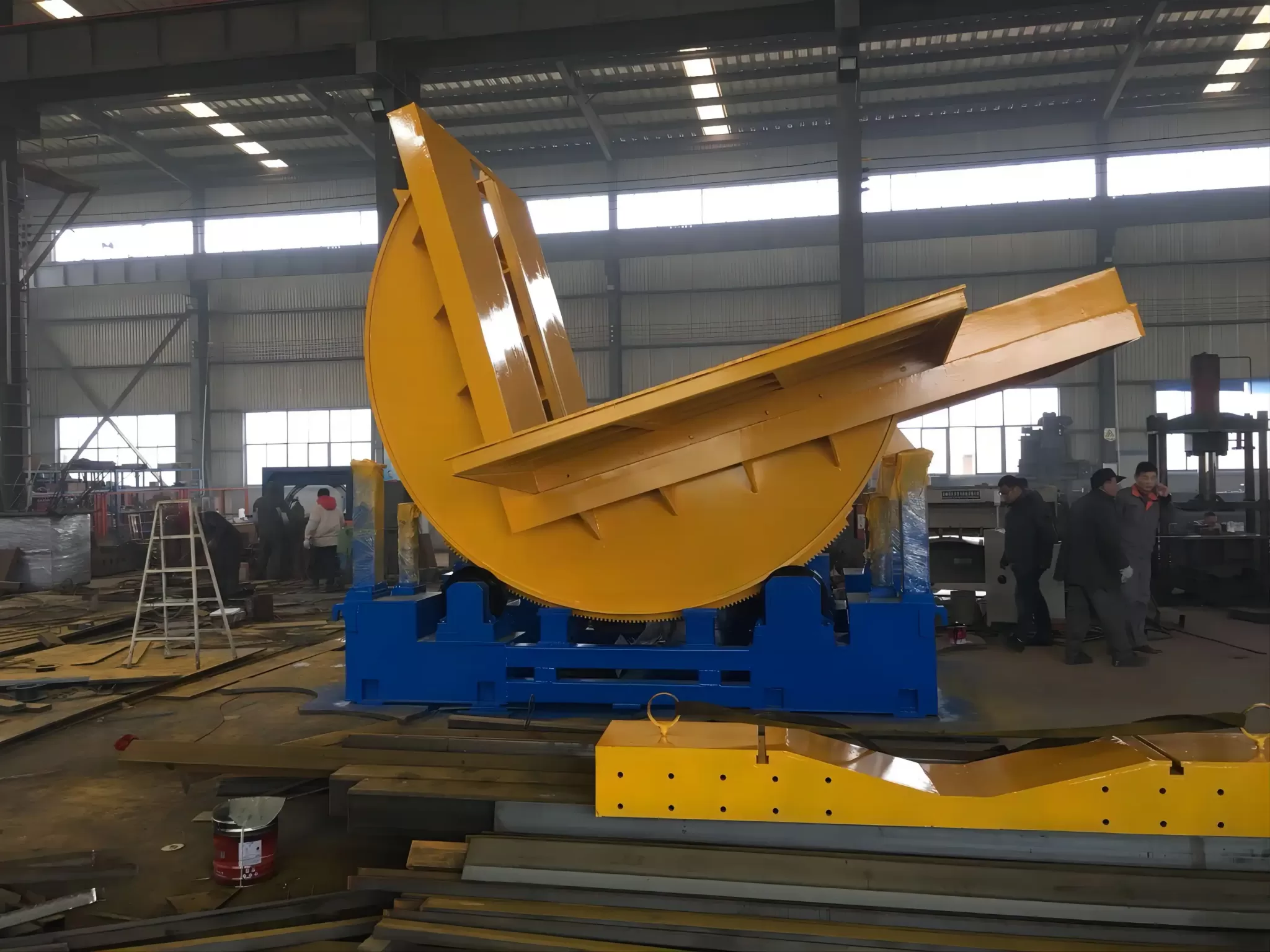
Let's quantify and explore these "hidden" advantages that turn a capital expenditure into a strategic profit center.
📦 The Quality Guardian: Perfect Packaging, Every Time
Manual handling is brutal on coils. The "clanging" and impact from chains or improper support dent and deform the precious edges. This leads to:
- Customer Rejections: Downstream customers (e.g., stamping plants) cannot use damaged material. You face returns, re-processing, or costly discounts.
- Internal Scrap: Damaged sections must be cropped, creating yield loss.
An upender uses conforming cradles or padded arms that support the coil's full width. The rotation is smooth and centered. The result is a pristine coil, positioned perfectly upright for strapping. This leads to tighter, more secure packages that survive logistics undamaged, enhancing your brand's reputation for quality.
💰 The ROI Calculator: More Than Just Labor Savings
While saving 1-2 workers per shift is a clear saving, the real financial impact is broader. Consider this multi-year ROI calculation:
Example Investment & Savings (Over 5 Years):
- Upfront Cost: $80,000 - $120,000 (for a robust machine)
- Annual Labor Savings: (2 workers x $25/hr x 2 shifts x 240 days) = ~$48,000/year
- Annual Damage Reduction: (Avoiding 2 major damage claims/year at $5,000 each) = ~$10,000/year
- Insurance & Downtime: (Estimated 10% reduction in related costs) = ~$5,000/year
Total Annual Savings: ~$63,000
Simple Payback Period: ~1.5 years
5-Year Net Benefit: ~$235,000 (Savings minus initial investment)
This doesn't even include the value of increased throughput, better employee retention in a safer workplace, and avoiding a single major accident which could cost millions. The machine pays for itself quickly and then continues to contribute directly to your gross margin. (ROI of coil upender, reduce coil edge damage, cost savings automated packaging)
4. How Can the Right Supplier Partnership Future-Proof Your Operations?
You might view purchasing a coil upender as a one-time transaction to solve a current problem. However, the most successful plant managers see it as the beginning of a strategic partnership. The right equipment supplier does more than deliver a machine; they bring industry insight, continuous support, and solutions that help you adapt to future challenges, making your entire operation more resilient and competitive.
The right supplier partnership future-proofs your operations by providing expert guidance that aligns the equipment with your long-term production goals, offering scalable and upgradeable solutions that grow with your business, and delivering unwavering after-sales support that maximizes machine uptime and lifespan. This transforms a vendor into a true engineering partner invested in your success.
This concept of partnership is what separates a good purchase from a great one. Let's explore what this looks like on the ground.
🧠 Expert Guidance: Buying a Solution, Not Just a Machine
A partner like Fengding or an experienced engineer doesn't just sell you a catalog model. They act as a consultant:
- Process Mapping: They analyze your entire workflow from production to shipping to identify not just the obvious bottleneck, but ancillary inefficiencies the upender can solve.
- Future-Proof Specs: They might recommend a slightly larger capacity model today, knowing your plans to produce heavier coils next year. This avoids the need for another costly purchase later.
- Integration Advice: They provide expertise on how to best integrate the upender with existing conveyors, strappers, or warehouse management systems for seamless data and material flow.
🔄 Scalability and Support: The Long-Term View
- Modular Design: Quality upenders from leading suppliers are often designed to be upgraded. You can add automation (e.g., robotic arm for pad placement), different gripping heads, or data output modules as needs evolve.
- Proactive Maintenance Support: A true partner offers service contracts, remote monitoring options, and regular maintenance check-ups to prevent unexpected failures, not just react to them.
- Training and Knowledge Transfer: They ensure your team is fully trained on operation and basic troubleshooting, empowering your staff and building in-house expertise.
This partnership mindset is the antidote to the "supplier trust crisis" many managers face. When your supplier's success is tied to your machine's performance, their goals align with yours: maximum uptime, efficiency, and a long equipment life. This collaborative relationship builds a foundation of trust that makes planning future investments and tackling new operational challenges much easier. (industrial equipment partnership, future-proof material handling, reliable packaging machine supplier)
Conclusion
Investing in a robust Coil Upender is a strategic decision that directly tackles the core challenges of safety, efficiency, and cost in steel manufacturing, delivering immediate benefits and a strong, long-term return on investment.