Coil Upender Installation: What You Need to Know for Your Steel Plant?
For over two decades, I've walked the factory floors, first as an engineer and now running my own packing machine business. I've seen the immense pressure plant managers face daily. The relentless push for higher output, the tight control over costs, and the non-negotiable demand for safety are constant companions. I understand that when you consider a major piece of equipment like a coil upender, you're not just buying a machine. You're investing in a solution to deep-rooted operational pains and betting on a partner who truly gets your world. The installation process is where that partnership is tested, and where your return on investment truly begins. (steel plant operational challenges, coil handling equipment investment)
Proper coil upender installation is the critical foundation for achieving the safety, efficiency, and reliability you need in a demanding steel plant environment. It goes beyond simply bolting a machine to the floor; it's a systematic process encompassing site preparation, precise alignment, integration with existing workflows, and thorough operator training to ensure the equipment performs as promised for years to come. (coil upender installation guide, steel coil handling safety)
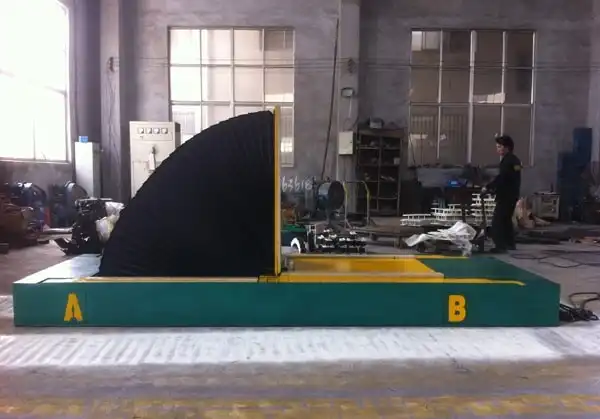
Getting this step right means turning a capital expenditure into a powerful profit center. A botched installation, however, can lead to chronic downtime, safety hazards, and a machine that never lives up to its potential. Let's break down exactly what you need to know to ensure your coil upender installation is a success, transforming your packaging line from a bottleneck into a benchmark of efficiency.
1. Why is Pre-Installation Site Assessment Non-Negotiable?
Imagine delivering a powerful, precision-engineered upender, only to find the factory floor can't support its weight, or the power supply is inadequate. This scenario is a manager's nightmare, leading to costly delays and project overruns. A comprehensive pre-installation site assessment is your first and most crucial line of defense against such failures. It's the process of ensuring your plant's "ecosystem" is ready to receive and sustain the new equipment. (pre-installation checklist for heavy machinery, factory floor load capacity analysis)
A thorough pre-installation site assessment is non-negotiable because it identifies and resolves potential physical, electrical, and logistical barriers before the equipment arrives, preventing expensive delays, ensuring worker safety, and guaranteeing the upender operates at its designed capacity and longevity. (site assessment for industrial machinery, preventing installation delays)
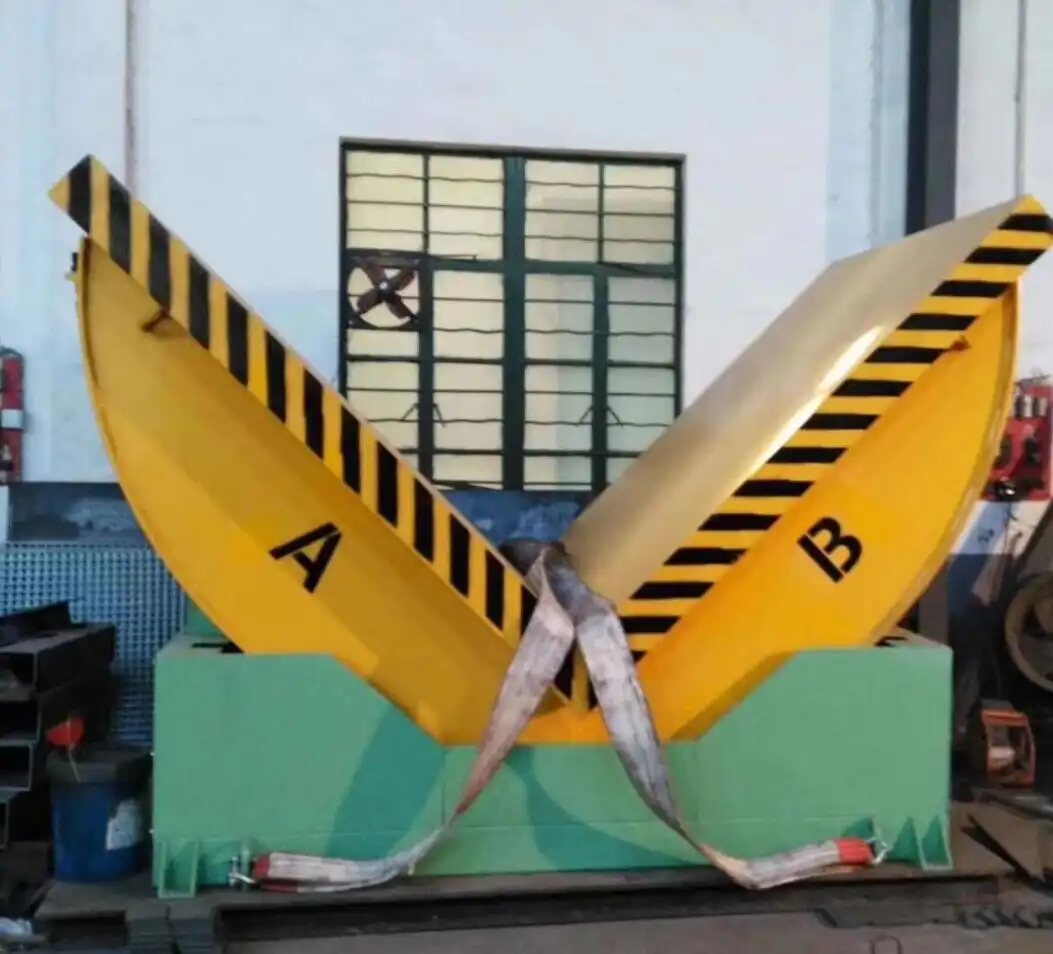
🔍 The Three Pillars of a Successful Site Assessment
A proper assessment isn't a casual walk-through. It's a structured audit focusing on three core pillars:
-
1. Structural & Spatial Integrity
- Floor Load Capacity: This is paramount. A loaded coil upender exerts tremendous force. Engineers must verify the concrete slab's thickness, reinforcement, and psi rating. I've seen projects halted because the floor needed expensive underpinning.
- Footprint & Clearance: Measure twice, install once. You need clear dimensions for the machine's base, plus ample space for maintenance access, coil approach, and exit paths. Don't forget overhead clearance for the upender's full range of motion.
- Foundation Anchoring Points: The assessment should confirm the suitability of the floor for installing the required anchor bolts or chemical anchors that will resist dynamic tipping forces.
-
2. Utility & Power Verification
- Electrical Supply: Upenders require stable, high-amperage power. The assessment must check voltage, phase, and amperage at the connection point against the machine's specs. Installing a new transformer mid-project is a budget killer.
- Pneumatic/Hydraulic Sources: If the upender is pneumatic or hydraulic, verify the plant's air compressor capacity (CFM, pressure) or hydraulic power unit compatibility. Insufficient supply leads to slow, weak operation.
- Lighting & Environment: Ensure the installation area has adequate lighting for safe work and is free from excessive moisture, dust, or corrosive elements that could damage electronics.
-
3. Logistics & Process Integration
- Delivery Route: Can the crated machine physically get to its location? Check door widths, ceiling heights in aisles, and turning radii. Sometimes, a wall must be temporarily removed.
- Future Workflow: Map out how coils will flow to and from the upender. This assessment identifies if adjacent conveyors, cranes, or staging areas need modification to create a smooth, efficient material handling circuit.
- Safety Zone Planning: Define the operational safety perimeter before installation. This informs where safety fencing, floor markings, and emergency stops should be placed.
Skipping this step is like building a house without checking the land. Reputable suppliers like Fengding and Wuxi Buhui typically insist on or provide this assessment service, because their reputation depends on your machine working flawlessly. It transforms installation from a hopeful guess into a predictable, controlled project. (industrial equipment installation planning, material handling workflow integration)
2. What Are the Critical Steps During the Physical Installation Phase?
The delivery truck has arrived, the crate is in position, and your team is ready. This is where planning meets action. The physical installation phase is a coordinated sequence of steps where precision and safety protocols cannot be compromised. A haphazard approach here can introduce misalignment, vibration, and premature wear that no amount of maintenance can later fix. (coil upender assembly procedure, industrial machine alignment standards)
The critical steps during physical installation involve meticulous uncrating and positioning, precise leveling and anchoring to the foundation, mechanical and electrical connection according to engineered specifications, and initial dry-run testing without load to verify all systems function correctly before handling coils. (machine anchoring and leveling, electrical hookup for packing machines)
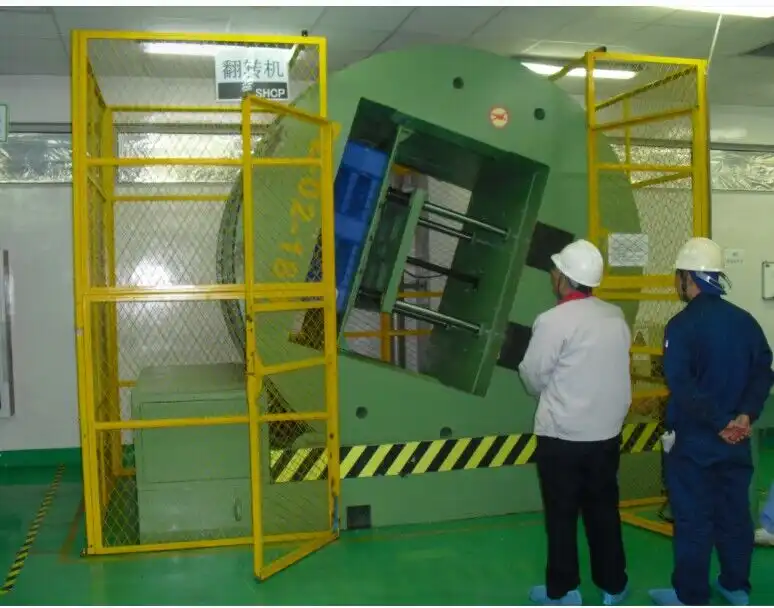
🛠️ A Step-by-Step Breakdown of the Installation Process
Let's walk through the key stages a professional installation team will follow:
| Step | Key Activities | Why It's Critical | Common Pitfall to Avoid |
|---|---|---|---|
| 1. Uncrating & Positioning | - Use appropriate lifting gear (slings, spreader bars). - Slowly lower onto pre-marked floor spots. - Remove packaging and inspect for transit damage. |
Prevents damage to the machine's structure and delicate components like hydraulic cylinders or sensors. | Using incorrect lifting points can bend frames. Dropping the machine can cause internal damage. |
| 2. Leveling & Anchoring | - Use precision levels on the machine's base frame. - Insert shims under mounting feet to achieve perfect level. - Drill foundation, install anchor bolts, and torque to spec. |
A non-level machine causes uneven stress, misalignment of moving parts, and improper coil rotation. Secure anchoring prevents "walking" or tipping. | Overtightening bolts can strip threads or crack the foundation. Undertightening leaves the machine unstable. |
| 3. Mechanical Connection | - Connect hydraulic hoses/pneumatic lines with proper seals. - Lubricate all bearings, gears, and pivot points as per manual. - Install safety guards and peripheral equipment. |
Ensures power transmission is leak-free and efficient. Proper lubrication from day one prevents early failure. | Cross-threading fittings, using wrong seal types, or forgetting to remove protective plugs from ports. |
| 4. Electrical & Control Connection | - Connect main power feed to the disconnect box. - Wire control panels, sensors, and emergency stops. - Verify grounding is perfect to prevent shocks or interference. |
Provides reliable and safe control. Faulty wiring is a major fire and safety hazard. Proper grounding protects sensitive PLCs. | Reversing phases, loose terminal connections, or not following the color-coded wiring diagram. |
| 5. Dry-Run & Function Test | - Energize the system and perform a detailed check. - Test all control functions (up, down, rotate, emergency stop). - Listen for unusual noises; check for smooth cylinder movement. |
Catches installation errors before the machine is under load. Confirms safety systems are operational. | Skipping this test and going straight to lifting a coil. A malfunction under load is dangerous and costly. |
This phase requires close collaboration between your maintenance team and the supplier's technicians. The goal is not just to make it work, but to build a foundation for decades of reliable service. A supplier with strong field experience, like Fengding, brings proven checklists and procedures to this process, ensuring nothing is left to chance. (heavy machinery commissioning checklist, collaboration with equipment supplier technicians)
3. How Do You Safely Integrate the Upender into Your Existing Workflow?
The upender is now bolted down and powers up. But the job isn't done. The real test is how it fits into the daily rhythm of your plant. Poor integration creates new bottlenecks, confuses operators, and can even introduce new safety risks. Successful integration means designing a seamless, safe, and efficient handoff between the coil's arrival and its departure as a packaged unit. (packaging line integration strategy, plant workflow optimization)
Safely integrating a coil upender involves designing and implementing clear Standard Operating Procedures (SOPs), establishing defined material staging areas, ensuring seamless interface with upstream (crane/conveyor) and downstream (strapping/wrapping) equipment, and conducting comprehensive, hands-on training for all affected personnel. (developing equipment SOPs, material staging for coil handling)
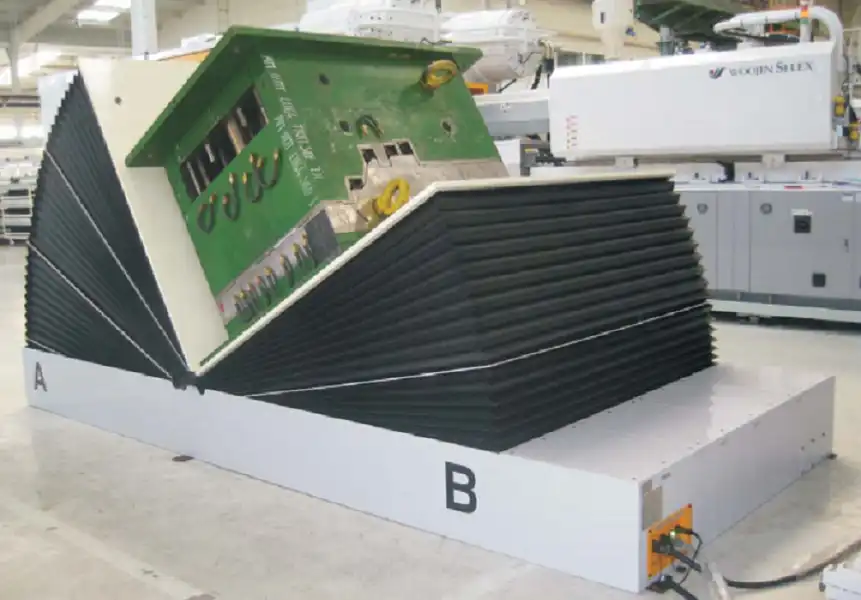
⚙️ Building a Cohesive Material Handling Circuit
Integration is about creating a system, not just placing a machine. Here’s how to think about it:
-
Upstream Integration: The "Feed" Side
- Question: How does the coil get to the upender? From an overhead crane, a transfer car, or a roller conveyor?
- Solution: Design a dedicated "ready-to-upend" staging area. This area must be clearly marked and sized to hold at least one coil. It allows the crane operator to safely deposit the coil without rushing the upender operator. Consider using V-shaped cradles or stands in this zone to stabilize coils before they are engaged by the upender's arms or chucks. This decouples the processes, reducing wait times and congestion.
-
The Upender as the "Pivot Point"
- The upender's job is to rotate the coil from a horizontal to a vertical orientation (or vice-versa). The SOP must detail:
- The exact spot to place the coil.
- How to secure it (using which arms/chucks).
- The safe zone where operators must stand during rotation.
- Visual and audible warning signals that activate before movement.
- The upender's job is to rotate the coil from a horizontal to a vertical orientation (or vice-versa). The SOP must detail:
-
Downstream Integration: The "Exit" Side
- Question: Where does the now-vertical coil go? To a strapping machine, a wrapper, or a storage pallet?
- Solution: The exit point should feed directly into the next process. For example, the upender might place the vertical coil onto a short conveyor that indexes it into a strapping station. The key is to minimize any manual pushing or repositioning. The goal is a "touchless" transfer between machines where possible, which maximizes safety and speed.
-
The Human Factor: Training & Ownership
- Integration fails without people. Training cannot be just a manual handed over. It must be hands-on:
- Operators: Train on normal cycles, emergency stops, and basic troubleshooting (e.g., "sensor is blocked").
- Maintenance Techs: Train on daily checks (fluid levels, leaks), weekly inspections (bolt tightness, wear points), and lock-out/tag-out procedures.
- Supervisors: Train on productivity metrics, how to spot unsafe behavior, and who to call for technical support.
- Integration fails without people. Training cannot be just a manual handed over. It must be hands-on:
Think of the upender as the heart of a new packaging loop. The vessels (staging areas) bring it blood (coils), and the arteries (conveyors) carry the output away. A well-integrated system, supported by a knowledgeable partner who understands your line layout—like the expertise we share at FHOPEPACK—eliminates hesitation, reduces manual handling, and turns a standalone machine into a productivity powerhouse. (creating efficient production loops, operator training for new equipment)
4. What Post-Installation Support and Maintenance Are Essential for Long-Term Reliability?
The installation ceremony is over, and the supplier's technicians have left. This is when many plant managers feel a moment of anxiety. "What if it breaks down?" Long-term reliability isn't about luck; it's about a disciplined post-installation plan. The first weeks and months are a critical "run-in" period that sets the trajectory for the machine's entire service life. Neglecting this phase is the fastest way to see your new asset become a source of constant repair tickets. (post-installation machine support, preventive maintenance schedule for upenders)
Essential post-installation support includes a detailed preventive maintenance schedule from day one, immediate access to technical assistance and spare parts, regular performance reviews with the supplier, and detailed documentation of all service activities to build a health history for the equipment. (preventive maintenance plan, technical support for packaging machinery)
📊 Building a Culture of Proactive Care
Reliability is engineered in, but it is maintained daily. Here is the essential framework for post-installation care:
A. The Supplier's Role: Your Support Lifeline
A good supplier doesn't disappear after the sale. Their post-installation package should include:
- Warranty & Startup Support: A clear warranty period (e.g., 12 months) covering parts and labor for defects. The best suppliers offer a 30-60 day check-in call to address any initial teething problems.
- Remote Diagnostics: Many modern upenders have PLCs that can be accessed remotely (with your permission) for faster troubleshooting.
- Spare Parts Kit & Catalog: They should provide a recommended list of critical spare parts (like seals, sensors, fuses) to keep on hand to minimize downtime. Companies like Fengding are known for their organized parts catalogs and reliable supply chains.
B. Your Plant's Role: Owning the Maintenance Routine
This is where you take control. Create a simple but non-negotiable maintenance routine:
| Frequency | Key Tasks (Example) | Tool/Record |
|---|---|---|
| Daily (Operator) | - Check hydraulic oil level and for leaks. - Inspect lifting arms/chucks for damage. - Test emergency stop function. - Clean the machine of debris. |
Visual checklist on a clipboard near the machine. |
| Weekly (Maintenance) | - Check and tighten critical mounting bolts. - Inspect hoses and electrical connections for wear. - Lubricate all grease points (pivots, bearings). |
Maintenance logbook. Use a torque wrench for bolts. |
| Monthly (Supervisor) | - Review all daily/weekly logs for trends. - Verify machine is still level. - Test all safety light curtains or barriers. |
Performance review meeting. |
| Annually (Supplier/Advanced Tech) | - Change hydraulic oil and filters. - Conduct a full system pressure test. - Inspect structural welds and wear plates. |
Professional service report. |
C. The Partnership: Performance Reviews
Schedule a formal review with your supplier every 6-12 months. Discuss:
- Uptime/Downtime records.
- Any recurring minor issues.
- Operator feedback on ease of use.
- Potential upgrades or new accessories to improve efficiency.
This ongoing dialogue turns a vendor-client relationship into a true partnership. It ensures the machine adapts to your evolving needs. By investing in this structured care, you protect your capital investment and ensure the coil upender remains a reliable workhorse, delivering the ROI you planned for during the very first site assessment. (protecting machinery investment, building supplier partnership for maintenance)
Conclusion
A successful coil upender installation is a strategic process, from initial site assessment to long-term care, ensuring safety, efficiency, and a strong return on your investment. For a reliable partner in this journey, explore the engineered solutions from Coil Upender manufacturers who understand the stakes on your factory floor.