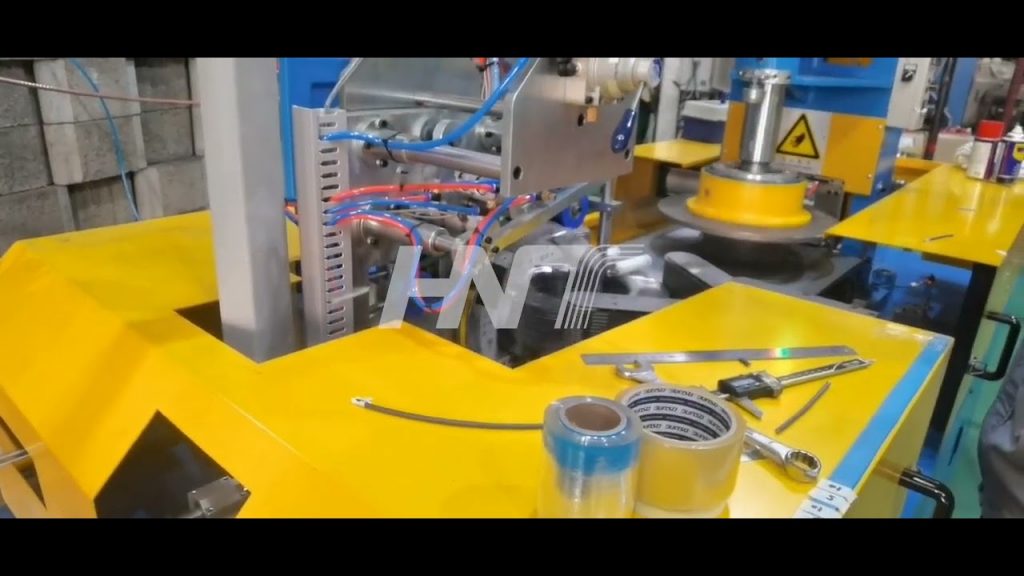
Decoding Coil Packing Line Terminology: A Glossary for Buyers
Feeling lost in the jargon of coil packing lines? Do terms like "eye banding" and "circumferential wrapping" leave you scratching your head when trying to buy the right equipment? It’s frustrating when technical language becomes a barrier to informed decisions. Let's cut through the complexity and equip you with the knowledge you need.
Understanding the language of coil packing lines is crucial for making smart purchasing decisions. This glossary defines key terms from handling and wrapping to strapping and automation, providing buyers with clear, concise explanations. Navigate the technical jargon with confidence to identify the right machinery and processes for your specific coil packaging needs, ensuring efficiency, safety, and optimal protection.
Moving beyond the initial confusion, this guide aims to demystify the specialized vocabulary of modern coil packing systems. Whether you're upgrading existing lines or investing in new automation, knowing the terms is your first step toward optimizing operations and securing your valuable products for transit and storage.
Essential Terminology for Coil Handling
Struggling to understand how coils move through a packaging line? Concerned about safe and efficient material flow? Navigating the handling phase terminology is key to ensuring your coils are positioned correctly and securely for subsequent packaging processes, minimizing damage and maximizing throughput.
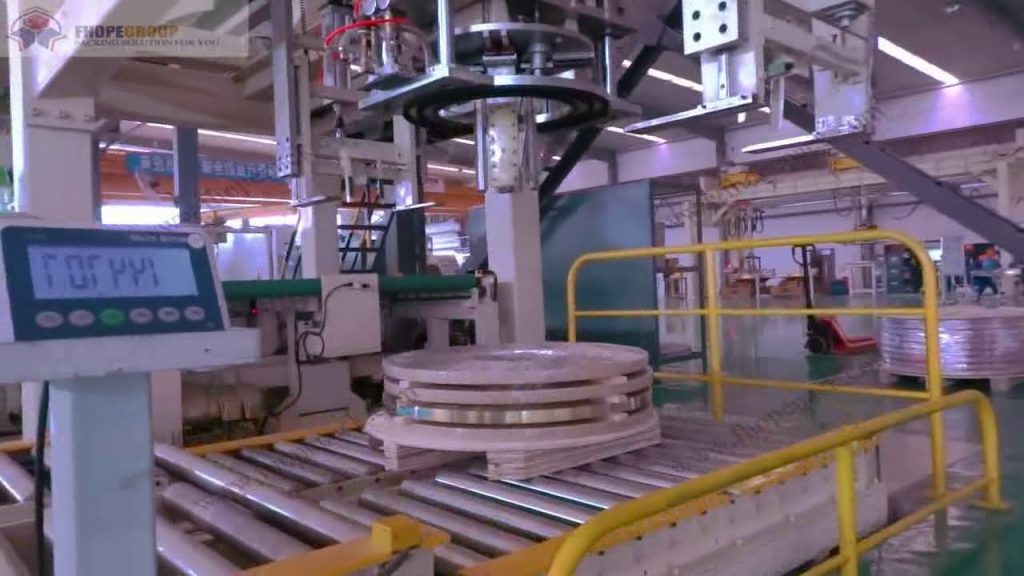
Coil handling terminology describes the equipment and processes used to move, orient, and prepare metal coils for packaging. This includes terms like coil cars (transferring coils), upenders/downenders (changing coil orientation), payoff/rewind stations (unwinding or winding material), and various types of conveyors (transporting coils along the line). Understanding these terms is vital for designing a layout that ensures smooth, damage-free flow into the packaging stages.
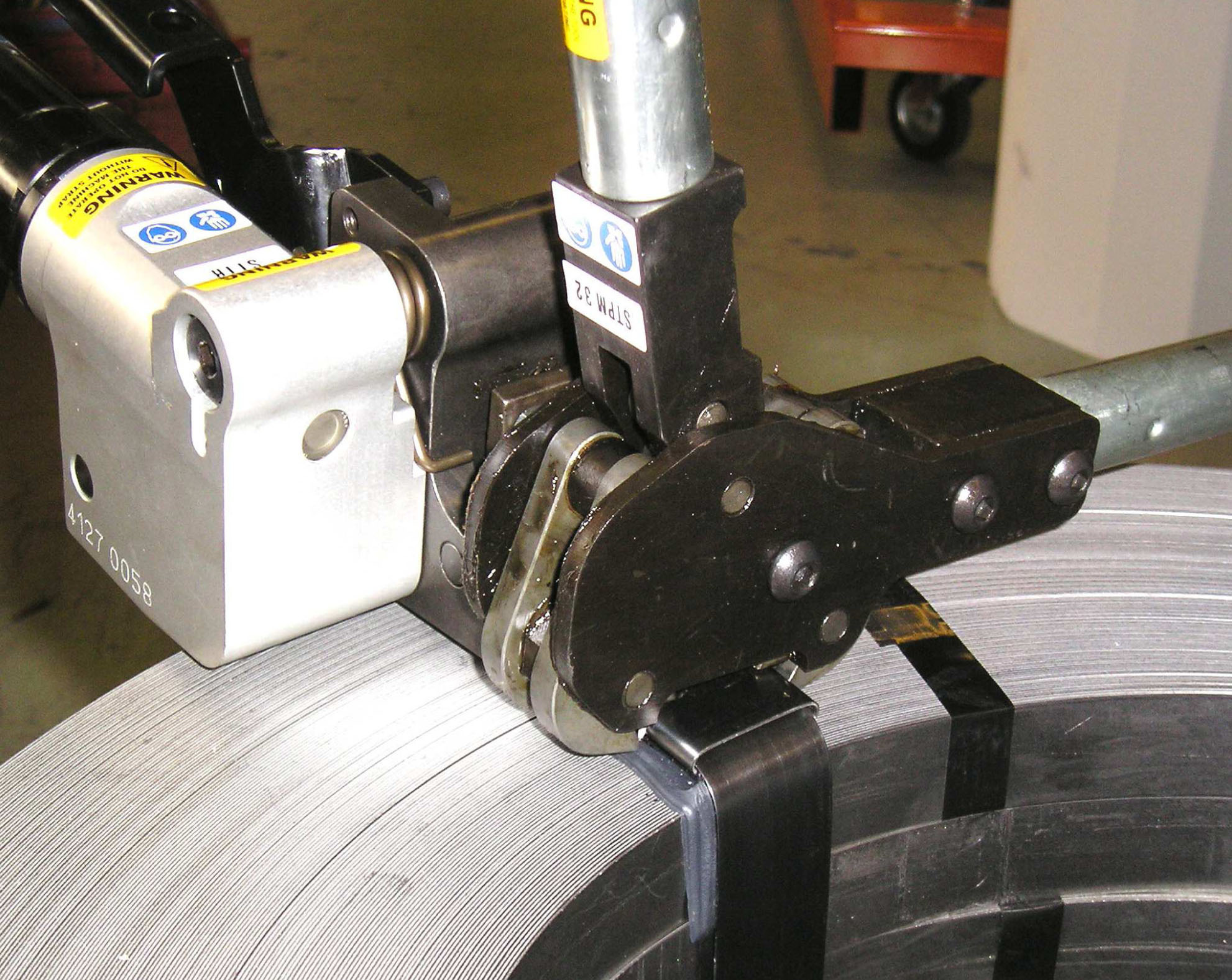
Navigating the Material Flow: Sub-systems and Functions
Understanding the handling subsystem is critical for any coil packing line buyer. It's not just about moving heavy objects; it's about precision, speed, and safety. This section delves into the core components and functions that make up the initial phase of the packing line, highlighting their importance and variations.
Key Handling Components and Their Role
The journey of a coil through the packing line begins long before any material is applied. The handling equipment sets the stage, dictating the line's overall efficiency and the quality of the final package.
- Coil Car: Often the starting point, a coil car is a motorized cart designed to pick up a coil from a storage area (like a saddle conveyor or floor stand) and transfer it to the infeed of the packing line (e.g., an upender or conveyor).
- Importance for Buyers: Capacity (weight, size), speed, precision alignment capabilities, automation level (manual vs. automated transfer).
- Upender/Downender (Tilter): This hydraulic or mechanical device changes the orientation of the coil, typically from eye-horizontal (lying flat) to eye-vertical (standing on edge) or vice versa, depending on the required packaging process.
- Importance for Buyers: Weight capacity, coil size range, cycle time, type of tilting mechanism (V-block, L-arm), safety features (guarding, interlocks).
- Conveyor System: A series of powered rollers, belts, or specialized saddles that transport the coil along the line. Different types are used for different purposes:
- Saddle Conveyors: U-shaped supports designed to carry coils lying flat (eye-horizontal), distributing weight evenly.
- Roller Conveyors: Flat or V-grooved rollers, typically used for eye-vertical coils, facilitating easy rotation for strapping or wrapping.
- Chain Conveyors: Robust systems for heavier loads or irregular shapes, often used in harsh environments.
- Importance for Buyers: Load capacity, speed, type of drive (motorized rollers, chain drive), durability, suitability for coil size/orientation, integration with other line elements.
- Payoff/Rewind Station: In some lines, especially integrated slitting lines, these stations unwind the coil (payoff) or rewind it (rewind) for processing before packaging.
- Importance for Buyers: Tension control, speed matching, coil size range, indexing capability.
Performance Metrics and Considerations
When evaluating handling equipment, buyers should look beyond just movement. Key performance indicators and factors to consider include:
- Throughput: How many coils per hour or shift can the handling system process? This is a critical bottleneck determinant for the entire line.
- Cycle Time: The time taken for a single handling operation (e.g., tilting, transferring).
- Accuracy: Precision required for positioning coils for subsequent automated steps (e.g., robotic strapping).
- Integration: How seamlessly does the handling equipment communicate and interact with the packaging machinery?
- Safety: Comprehensive guarding, emergency stops, light curtains, and interlocks are paramount given the weight and motion of coils.
Consider the following comparison of conveyor types for coil packing lines:
| Conveyor Type | Typical Coil Orientation | Advantages | Disadvantages | Ideal Applications |
|---|---|---|---|---|
| Saddle Conveyor | Eye-Horizontal | Stable transport, distributes load well | Requires separate upender for eye-vertical ops | Transport after wrapping/strapping, storage infeed |
| V-Groove Roller | Eye-Vertical | Facilitates rotation, simple design | Less stable for very wide/narrow coils | Transport before/during eye banding, stretch wrapping |
| Flat Roller | Eye-Vertical (less common) | Simple, versatile for various loads | Coils can shift easily, requires guides | Post-packaging transport, lighter coils |
| Powered Chain | Both | High load capacity, good for harsh environments | Higher complexity, can mark delicate surfaces | Heavy-duty lines, outdoor/dirty environments, steel mills |
Selecting the appropriate handling components based on coil characteristics (weight, diameter, width), desired throughput, and specific packaging requirements is fundamental to a successful coil packing line investment.
Decoding Coil Protection Methods
Concerned about preventing rust, moisture damage, or surface scratches on your finished coils? Understanding the terminology around protection is crucial for selecting systems that apply rust inhibitors and protective wraps effectively, ensuring your product arrives at its destination in pristine condition.
Coil protection terminology refers to the materials and processes used to shield coils from environmental factors like moisture, corrosion, and physical abrasion during storage and transit. Key terms include VCI (Vapor Corrosion Inhibitor) application (preventing rust), circumferential wrapping (full coil coverage), stretch wrapping (film tensioning), and radial wrapping (covering the coil eye). Choosing the right combination of protection methods ensures product integrity from production to end-use.
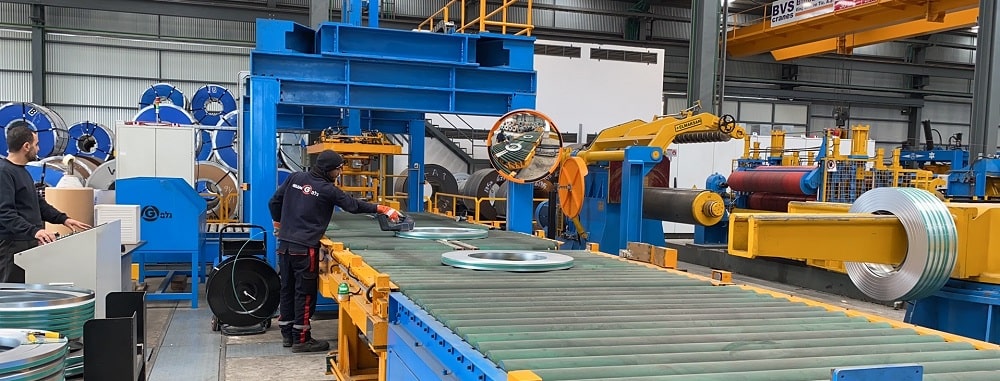
Sub-Heading: A Buyer's Guide to Rust Prevention and Surface Preservation
Protecting metal coils from corrosion and surface damage is non-negotiable, particularly for valuable finished goods. The choice of protective materials and application methods directly impacts the product's shelf life and appearance upon arrival.
The primary methods for coil protection involve applying a barrier wrap and, often, incorporating rust inhibitors.
- Vapor Corrosion Inhibitor (VCI):
- Process: VCI chemicals are impregnated into paper or film. This material is placed in contact with or near the metal surface. The chemicals volatilize and create a protective molecular layer on the metal, preventing rust formation.
- Application: VCI paper or film can be manually inserted or automatically dispensed onto the coil surface before wrapping.
- Importance: Essential for long-term storage or transport through humid/corrosive environments. Buyers need to consider the type of metal, storage duration, and environmental conditions to select the appropriate VCI type and concentration.
- Wrapping Materials: Various materials are used to create a physical barrier around the coil.
- Stretch Film: Highly elastic plastic film stretched and wrapped around the coil under tension. Provides load stabilization and basic dust/moisture protection.
- PE Film (Polyethylene Film): Can be wrapped in multiple layers for better moisture protection. Often heat-sealed. Less elastic than stretch film.
- VCI Film: PE film impregnated with VCI chemicals, combining barrier protection with rust inhibition.
- Laminated Paper/Film: Often a combination of paper and PE film, providing strength, moisture resistance, and a surface for VCI application.
- Woven PP (Polypropylene) Fabric: Highly durable, tear-resistant material for heavy-duty protection against abrasion and puncture. Can be coated for moisture resistance.
- Importance: Material choice depends on the required protection level (dust, moisture, rust, abrasion), coil weight/size, budget, and desired automation level.
- Wrapping Processes:
- Circumferential Wrapping: Wrapping material is applied around the circumference of the coil, covering the outer diameter and potentially overlapping onto the side faces. This is often done by rotating the coil on a turntable or using an orbital wrapper.
- Radial Wrapping (Eye Wrapping): Wrapping material (often VCI paper or film) is pushed through the eye of the coil and wrapped radially outward, covering the side faces. This protects the inner diameter and sides, where moisture can easily accumulate.
- Stretch Hooding: A highly automated process where a stretch film hood (a pre-sealed tube of film) is stretched and pulled down over the entire coil, providing five-sided protection and load stability.
- Importance: The wrapping process dictates the speed, consistency, and coverage level. Automated systems (orbital wrappers, stretch hooders) offer higher throughput and repeatability than manual or semi-automated methods.
Buyers should evaluate the wrapping machine's capabilities (coil size range, wrapping speed, tension control, material compatibility), the integration with handling and strapping systems, and the ease of material changeover. The aim is a balance between cost, speed, and the required level of protection for the specific product and market.
The Science of Securing Coils: Strapping Explained
Does the process of strapping heavy coils seem complex and potentially dangerous? Understanding the different strapping types and application methods is essential for choosing equipment that securely bundles your coils for safe transport and handling, preventing load shift and damage.
Coil strapping terminology covers the methods and materials used to apply tensioned bands around a coil, securing its layers and preparing it for handling and transport. Key terms include eye banding (strapping through the coil eye), circumferential strapping (strapping around the outer diameter), and radial strapping (strapping across the side faces). The choice of strap material (steel, PET, PP) and the strapping head mechanism determines the load security and line automation capabilities.
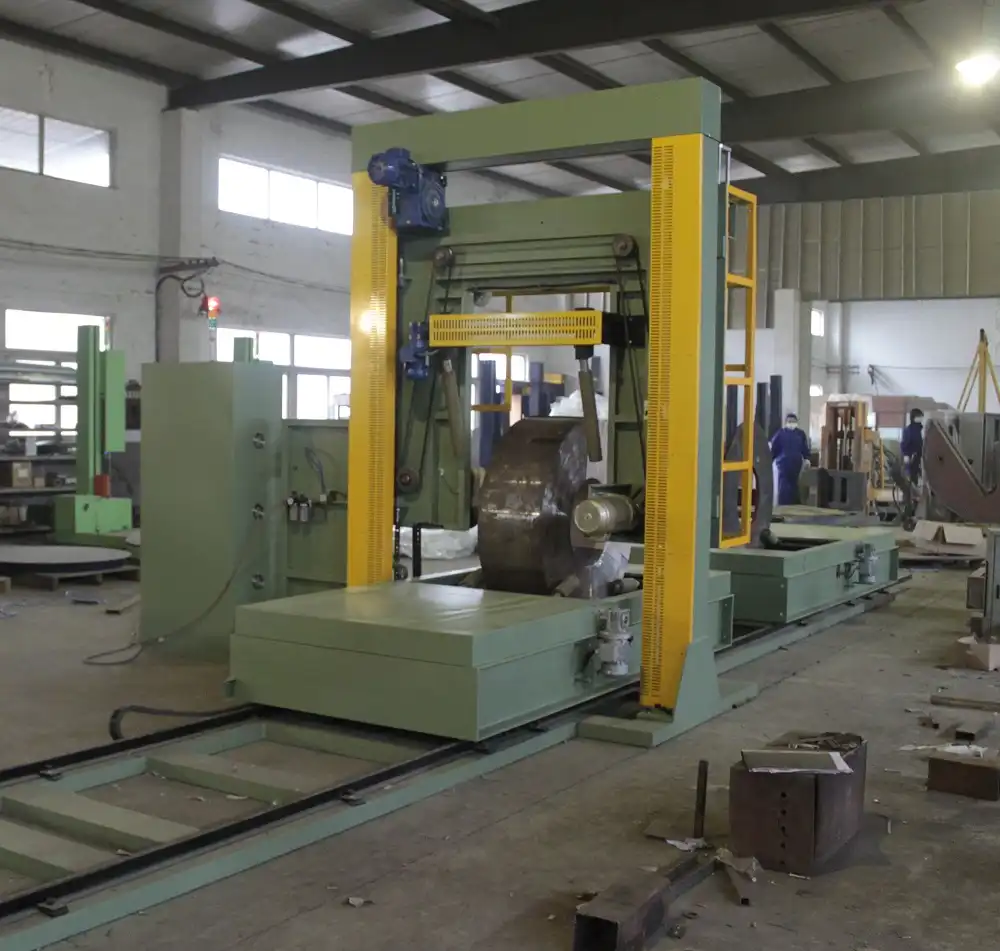
Sub-Heading: Choosing the Right Banding Method and Material for Coil Stability
Strapping provides the critical tensile strength needed to hold coil layers together and secure the package, preventing expansion or collapse during handling and transit. Proper strapping is vital for load integrity.
There are three primary ways to strap a coil in a packing line, each serving a different purpose:
- Eye Banding: Straps are applied through the eye (center hole) of the coil.
- Purpose: Primarily to hold the inner layers of the coil together and facilitate handling with a C-hook or coil grab. Often applied with multiple straps spaced around the eye.
- Process: Requires the coil to be in an eye-vertical orientation, typically on a V-groove roller conveyor or saddle. The strapping head (or robot arm) must reach through the eye to apply and tension the strap.
- Circumferential Strapping: Straps are applied around the outer diameter of the coil.
- Purpose: To hold the outer layers of the coil tightly, prevent telescoping, and secure any outer wrapping material.
- Process: Applied while the coil is in either eye-horizontal (on a saddle conveyor) or eye-vertical orientation (on a roller conveyor). Strap is fed around the coil, tensioned, and sealed.
- Radial Strapping: Straps are applied across the side faces of the coil, often originating from the inner diameter (eye) and extending radially outward.
- Purpose: To hold the side layers together and prevent material from peeling off the edges. Often used in conjunction with circumferential strapping for added security.
- Process: Applied while the coil is in an eye-vertical orientation. More complex application, often requiring robotic systems or specialized indexing.
Choosing the right strapping material is as important as the application method. Common materials include:
- Steel Strapping: Offers the highest tensile strength and shock resistance. Durable in harsh environments.
- PET Strapping (Polyester): High tensile strength, but less than steel. More elastic and better at retaining tension than PP. Weather resistant. Safer to handle than steel.
- PP Strapping (Polypropylene): Lower tensile strength. More elastic than PET. Suitable for lighter loads and applications where elongation is acceptable. Cost-effective.
Strapping heads are the core components of strapping machines. They automate the feeding, tensioning, sealing, and cutting of the strap. Automated strapping systems (orbital wrappers with integrated heads, dedicated strapping machines, robotic cells) offer significantly higher speed and consistency compared to manual tools.
Consider the comparison of common strapping materials:
| Material | Tensile Strength | Elongation | Elastic Recovery | Cost | Abrasion Resistance | Impact Strength | Typical Applications |
|---|---|---|---|---|---|---|---|
| Steel Strapping | Very High | Low | Low | Highest | High | Very High | Heavy steel coils, demanding transit/storage |
| PET Strapping | High | Medium | High | Medium | Medium | High | Medium to heavy non-ferrous or steel coils |
| PP Strapping | Medium | High | Medium | Lowest | Low | Medium | Lighter coils, applications needing some flexibility |
Buyers should assess the required load security based on coil weight, size, material (steel vs. non-ferrous), handling methods, and transit conditions. This determines the appropriate strap material and the necessary tensioning capabilities of the equipment. Integration with wrapping and handling systems, automation level, strap size compatibility, and maintenance requirements of the strapping heads are also key considerations.
Automation, Control, and Safety Systems
Feeling overwhelmed by the tech talk around automation and safety? Understanding terms like PLC, HMI, sensors, and safety standards is crucial for selecting a coil packing line that operates efficiently, reliably, and, most importantly, safely, protecting both personnel and equipment.
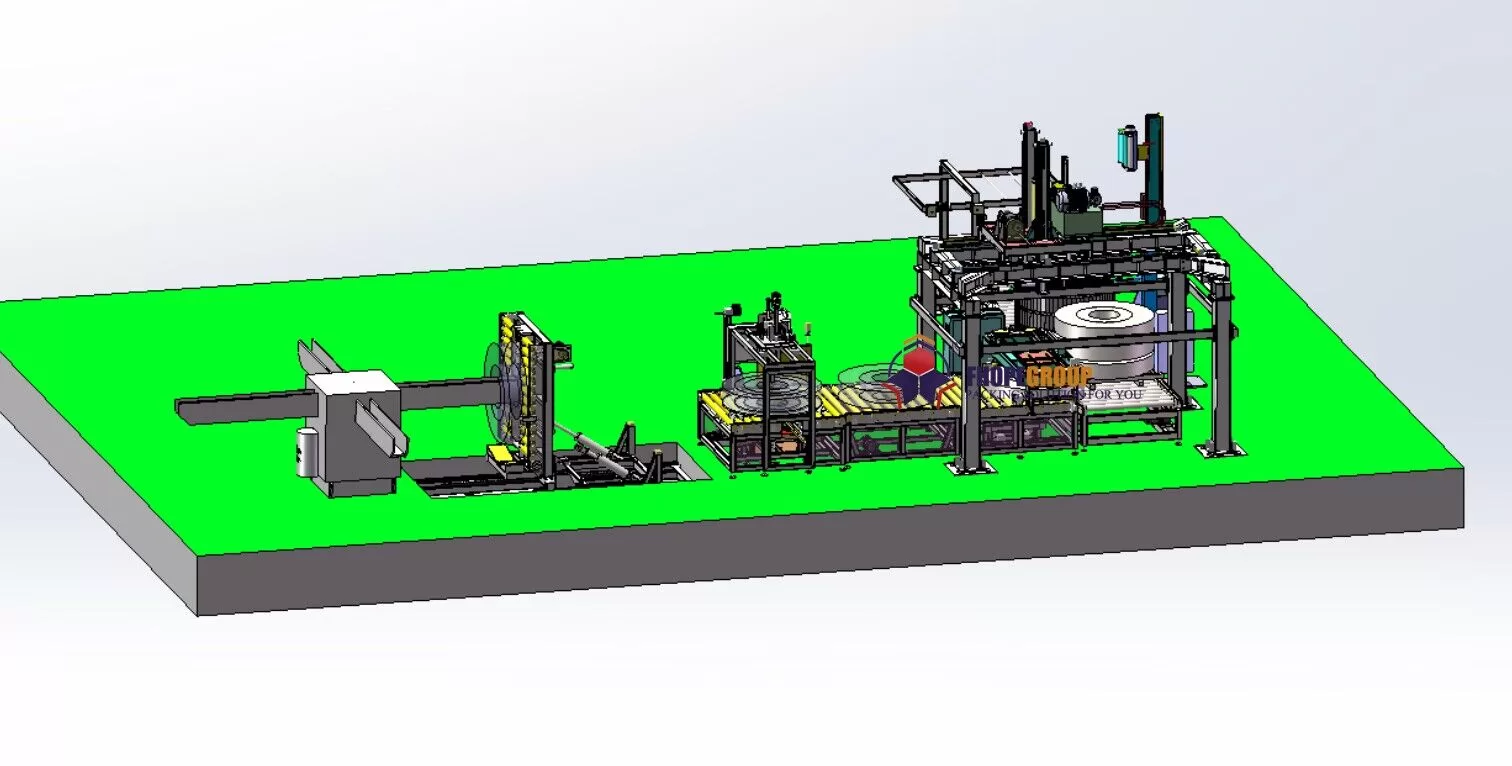
Automation and control terminology describes the electronic brains and nervous system of the coil packing line, managing sequences, operations, and safety. This includes PLC (Programmable Logic Controller - the main controller), HMI (Human-Machine Interface - the operator screen), sensors (detecting position, presence), safety light curtains/interlocks (ensuring safe access), and VFDs (Variable Frequency Drives - controlling motor speed). Knowing these terms helps buyers evaluate the line's intelligence, flexibility, and adherence to critical safety standards.
Modern coil packing lines rely heavily on automation to achieve high throughput, consistency, and reduced labor costs. The control system is the central nervous system managing this automation.
- PLC (Programmable Logic Controller): The core control device. It executes the logic programmed for the packing sequence, receiving inputs from sensors and sending outputs to actuators (motors, cylinders, valves).
- Importance: Determines the line's flexibility, diagnostics capabilities, and ease of modification. Major brands include Siemens, Allen-Bradley, Omron, etc.
- HMI (Human-Machine Interface): The touchscreen panel or display where operators interact with the machine, monitoring status, changing settings, and troubleshooting alarms.
- Importance: Ease of use, clarity of information, multi-language support, level of detail in diagnostics. A well-designed HMI simplifies operation and maintenance.
- Sensors: Devices that detect physical conditions and convert them into electrical signals for the PLC.
- Proximity Sensors: Detect the presence of objects without physical contact (e.g., detecting if a coil is in position).
- Photoelectric Sensors: Use light beams to detect objects or measure distance.
- Limit Switches: Mechanical switches triggered by physical contact.
- Encoders: Measure rotation or linear position (e.g., tracking coil diameter).
- Load Cells: Measure weight (e.g., weighing the finished coil).
- Importance: Provide critical feedback to the PLC about the state of the line, enabling automated sequencing and error detection.
- Actuators: Devices that convert electrical or fluid energy into mechanical motion (e.g., electric motors, pneumatic cylinders, hydraulic systems).
- VFD (Variable Frequency Drive): Controls the speed of AC motors, allowing for smooth acceleration/deceleration and precise speed control (e.g., controlling conveyor speed).
- Solenoid Valves: Electrically controlled valves for pneumatic or hydraulic cylinders.
- Importance: Drive the physical movements of the machine (wrapping rotation, strapping head movement, conveyor transport).
- Control Cabinet: Houses the electrical components, PLC, VFDs, relays, circuit breakers, and power supplies.
- Importance: Organization, accessibility for maintenance, cooling/ventilation, adherence to electrical standards.
- Wiring and Cabling: The physical connections between all components.
- Cable Trays/Conduit: Structures for organizing and protecting wiring.
- Terminal Blocks/Connectors: Points for making secure electrical connections.
- Importance: Proper wiring ensures reliable operation and simplifies troubleshooting.
Safety systems are paramount in lines handling heavy coils and powerful machinery.
- Emergency Stop (E-Stop): Prominent, easily accessible buttons that immediately halt all hazardous motion when pressed.
- Safety Interlocks: Switches on gates or guards that stop the machine if the guard is opened, preventing access to hazardous areas during operation.
- Safety Light Curtains: Beams of light creating a detection zone. If the beam is broken, the machine stops. Used to protect access points without physical barriers.
- Guard Fencing/Barriers: Physical barriers preventing unauthorized access to dangerous moving parts or zones.
- Risk Assessment: A systematic process to identify potential hazards and implement necessary safety measures.
- Safety Compliance: Ensuring the machine meets relevant regional (CE, UL) and industry safety standards.
- Importance: Legally required, protects personnel, reduces risk of accidents and associated downtime/liability. Buyers must verify that the line supplier has conducted a thorough risk assessment and the machine meets all applicable safety standards.
Evaluating the automation and safety systems involves understanding the supplier's approach to control design, the quality of components used, the clarity of the HMI, the comprehensiveness of the safety guarding, and the documentation provided (electrical schematics, safety manual). A well-automated and safe line minimizes operational risk and maximizes long-term value.
Conclusion
Navigating the terminology of coil packing lines can seem daunting, but understanding these core terms empowers buyers to make informed decisions. From the critical initial handling of heavy, valuable coils to the precise application of protective materials and secure strapping, each component and process has its own language. Mastering this Packing Terminology is the essential first step in specifying, procuring, and successfully operating a system that ensures product integrity, enhances efficiency, and upholds safety standards in your facility. Invest in understanding the language, and you invest in the future of your packaging operations.