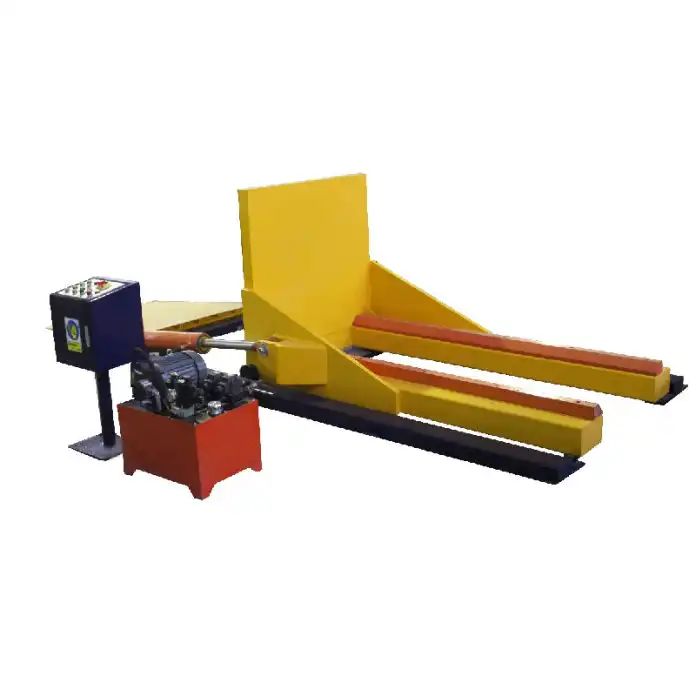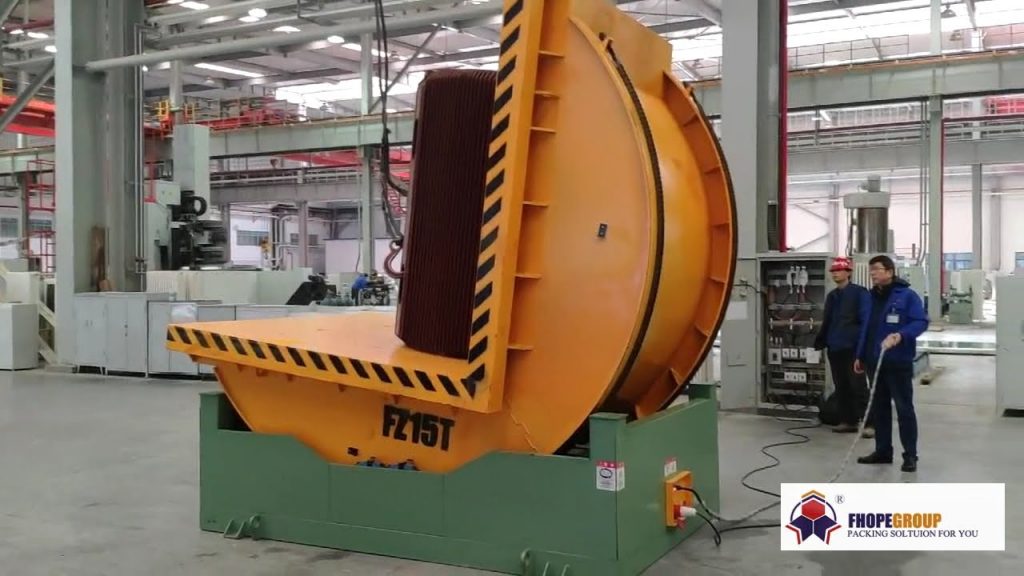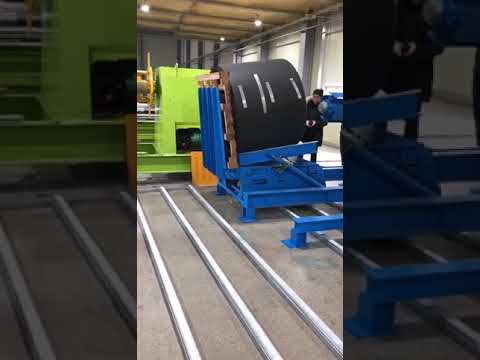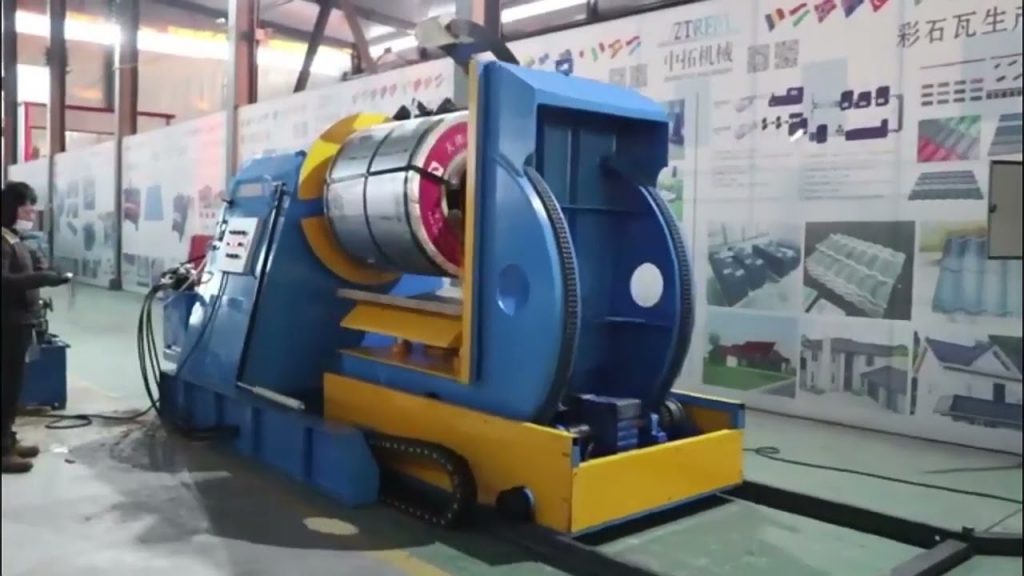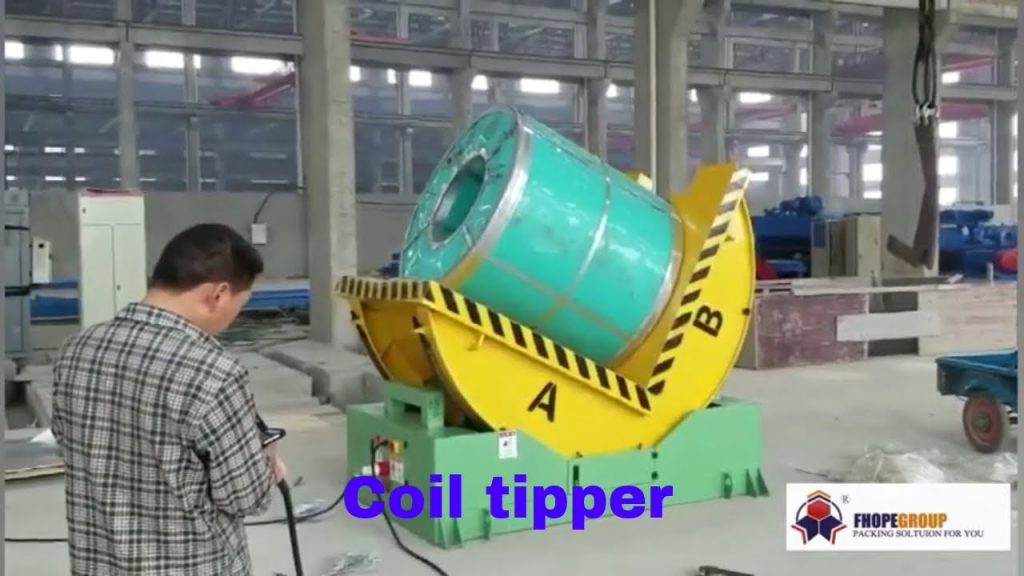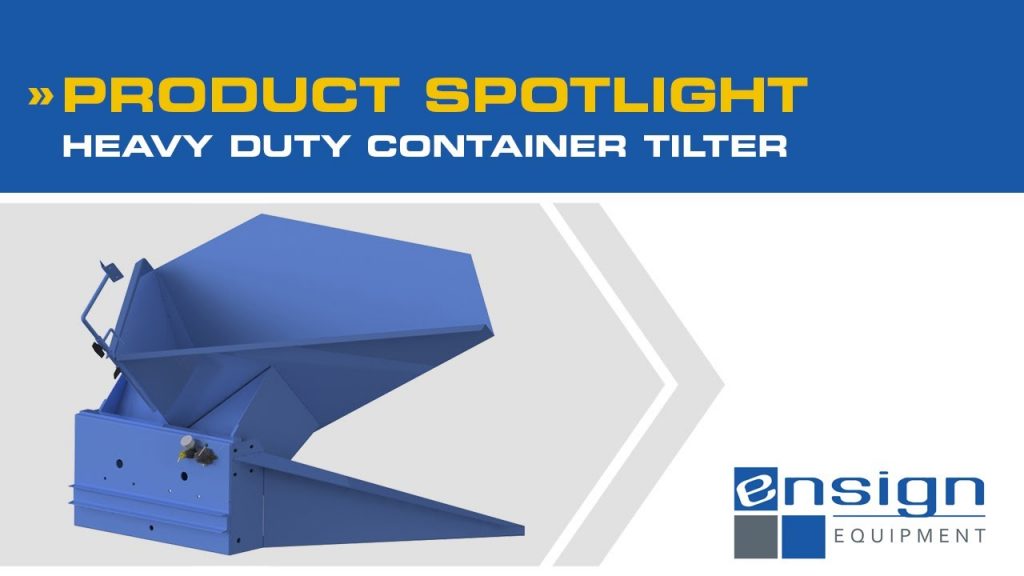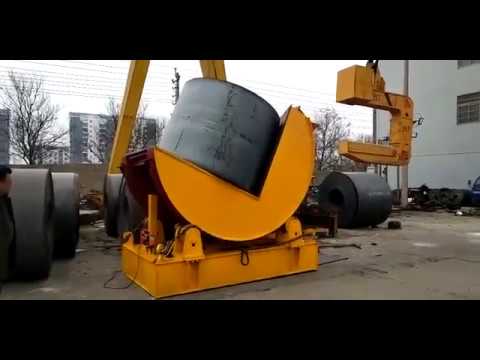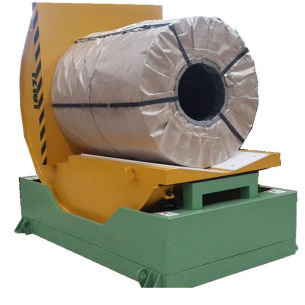
Imagine a bustling warehouse, where efficiency trumps everything, and time is money in its most literal sense. Material handling processes, the backbone of this setup, hinge on the seamless transfer of goods and raw materials, and any hiccup can mean the difference between profit and loss. Enter the coil upender—a marvel of modern machinery designed to revolutionize the way we maneuver hefty coils. These devices are powerhouses when it comes to flipping coils from a horizontal to vertical position, and vice-versa, with little to no manual intervention. But what makes them indispensable in today’s industrial dance?
Coil upenders come as a boon for industries reliant on vast stores of coiled materials—think steelworks, paper mills, and cable manufacturers. By reducing manual effort and increasing speed, they not only enhance productivity but also ensure worker safety. For example, statistics have shown that warehouse accidents can decrease by up to 40% when automated machinery is employed to handle large, unwieldy objects.
Yet, how does one simple machine wield such influence? Is it merely a matter of mechanics, or does its impact ripple across broader operational aspects? To truly grasp the coil upender's value, we must delve into the specifics of its function and its transformative role in material handling.
Claim: Coil upenders are vital components in modern industrial settings, enhancing efficiency, safety, and cost-effectiveness, thus proving essential in today's competitive market.
What Makes Coil Upenders Essential in Material Handling?
The simple question, yet its answer lies in the depths of efficiency and innovation. Coil upenders, with their robust design, reduce the reliance on manual labor, which is not only a boon for productivity but is crucial in mitigating workplace injuries. Imagine a hefty coil weighing over a ton; without an upender, workers would face a daunting task fraught with risk. The upender safely takes the brunt of this weight, flipping it with a precision that no human could consistently match.
For instance, consider a metal fabrication plant where coils of steel need constant repositioning. The introduction of an upender here means quicker turnaround times on each project. Workers once tasked with labor-intensive maneuvering can now focus on more skilled tasks, boosting overall productivity. Moreover, this reduction in manual handling also minimizes potential damage to the coils, maintaining quality and reducing waste.
Furthermore, automation in handling coiled goods helps streamline operations. Consistency in handling means less variability in processing times, leading to a more predictable output—a critical factor in meeting tight deadlines and maintaining customer satisfaction. And let’s not forget the role of coil upenders in accommodating increasingly diverse coil sizes, managing various dimensions with tailor-made precision.
How Do Data and Statistics Support the Use of Coil Upenders?
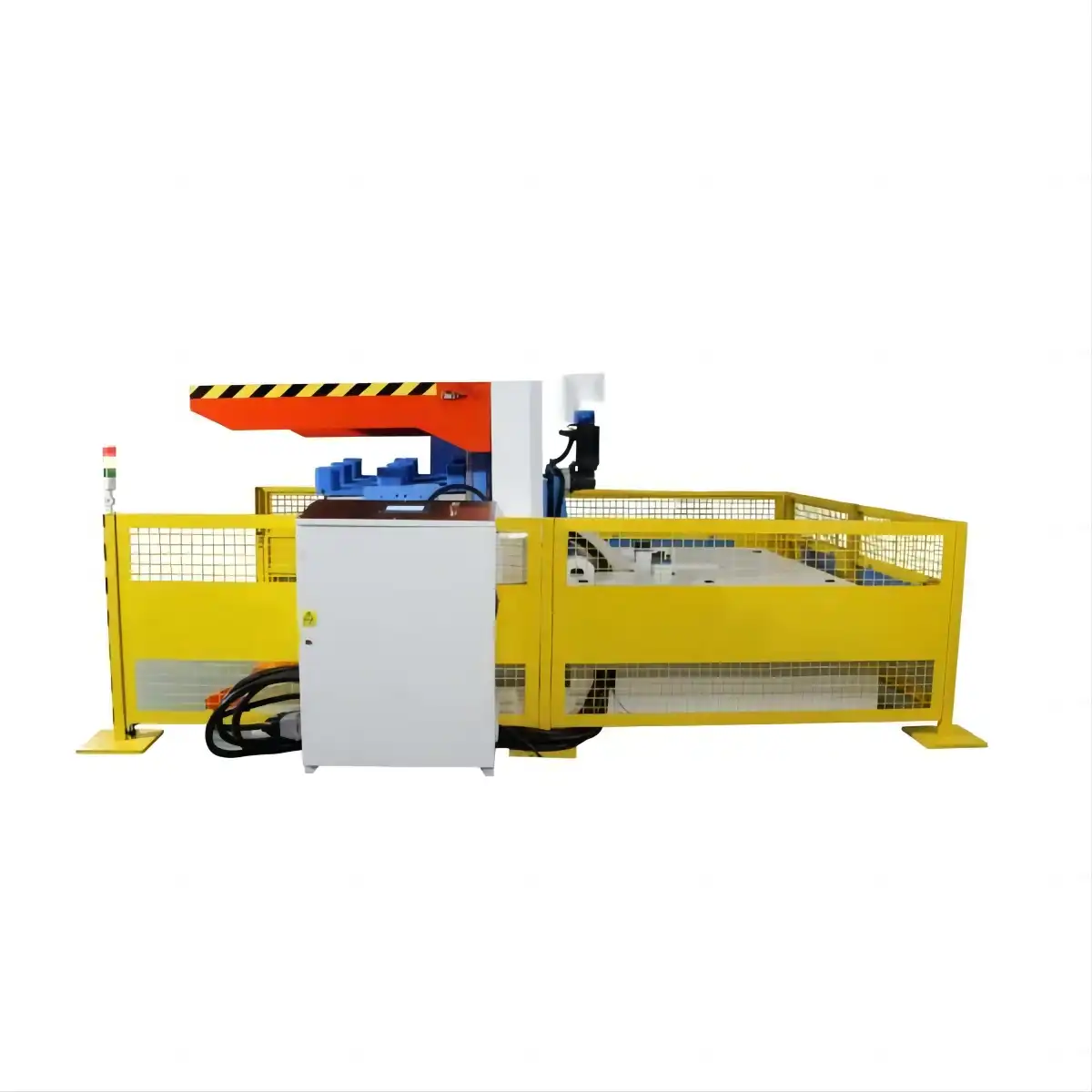
Numbers often speak louder than words, and in the case of coil upenders, they tell a compelling story. Studies and industry reports highlight not only the efficiency gains but also the cost savings attributed to these machines. Below is a table illustrating typical improvements across various sectors:
```html
| Sector | Efficiency Gain (%) | Cost Savings ($) |
|---|---|---|
| Steel Industry | 35 | 500,000 |
| Paper Mills | 25 | 300,000 |
| Cable Manufacturing | 40 | 600,000 |
| Automotive | 30 | 400,000 |
| Textile Production | 20 | 250,000 |
```
As evident, sectors that have integrated coil upenders into their operations report significant efficiency boosts, leading directly to substantial cost savings. This data not only underscores the financial viability of investing in upenders but also highlights their role in optimizing operational workflows.
How Can Businesses Maximize the Benefits of Coil Upenders?
To unlock the full potential of coil upenders, businesses must strategically align their usage with specific operational needs. The first step is a thorough assessment of current material handling processes to identify bottlenecks where upenders could drive improvements. For instance, a paper mill facing frequent delays due to coil transport might find substantial gains from integrating a high-speed upender tailored for their coil sizes.
Next, training is paramount. While the machinery itself is intuitive, workers need to understand operational nuances to leverage its capabilities fully. Comprehensive training programs ensure that personnel are not just using the machines but are maximizing their efficiency.
Maintenance also plays a pivotal role. Regular checks and servicing extend the life of the machinery, maintaining peak performance and avoiding costly downtimes. Businesses should establish routine maintenance schedules and consider investing in automated diagnostic systems to alert operators of any potential issues before they escalate.
Furthermore, data integration is crucial. In an era where data drives decisions, integrating coil upender operations into broader data analytics platforms can reveal additional insights. Understanding how coil handling impacts overall production timelines allows managers to optimize further, creating a feedback loop of continuous improvement.
What Additional Data Highlights the Impact of Coil Upenders?
Further numerics only strengthen the case for coil upenders. Consider the following table of productivity improvements and accident reductions linked to their use:
```html
| Company | Productivity Improvement (%) | Accident Reduction (%) |
|---|---|---|
| Alpha Metals | 45 | 60 |
| Beta Paper Co. | 30 | 50 |
| Gamma Cables | 50 | 65 |
| Delta Automotive | 40 | 55 |
| Epsilon Textiles | 25 | 40 |
```
These figures reveal a dual benefit extending beyond mere cost savings. By enhancing productivity and significantly reducing workplace injuries, coil upenders become a pivotal component in fostering a safe, efficient, and competitive business environment.
What is True and False About Coil Upenders?
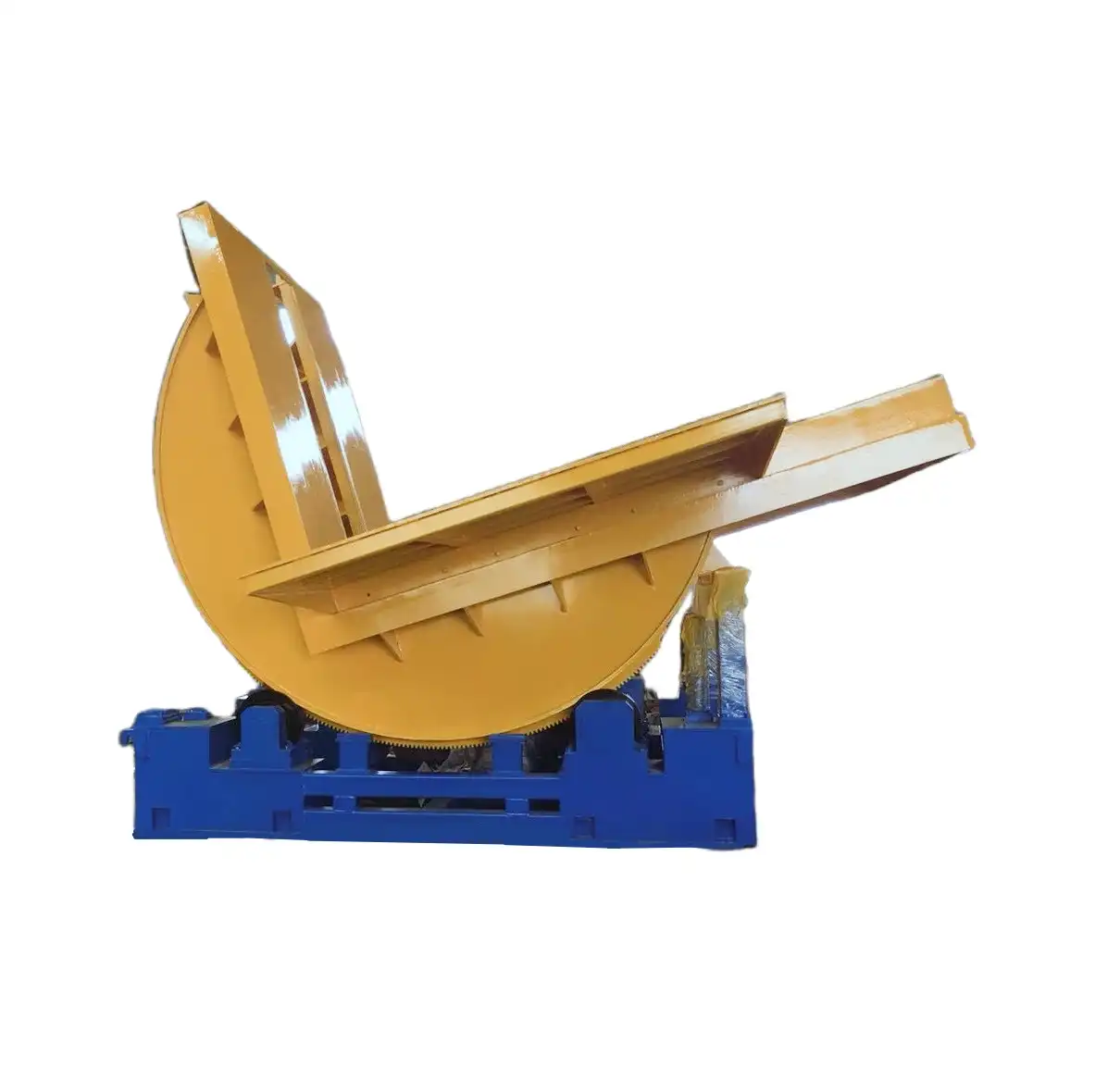
True Fact: Coil upenders substantially improve both the speed and safety of material handling processes. This enhancement is not merely anecdotal but consistently supported by quantifiable data across numerous industries, leading to reduced labor costs and improved workplace safety.
False Fact: Coil upenders are only beneficial for large-scale operations. While it’s easy to assume that only massive industrial setups reap the rewards, in truth, even smaller-scale businesses can gain significant advantages by incorporating appropriately sized upenders suited to their specific operational demands.
How Do Industry Examples Illuminate the Role of Coil Upenders?
Consider the steel industry, a sector where heavy coils are par for the course. Here, coil upenders have redefined operational efficiency. At a large steel plant, manual coil handling used to be a labor-intensive process, involving multiple workers and significant time just to reposition a single coil. The introduction of upenders cut down coil repositioning time by 70%, allowing the reallocation of labor to more critical tasks, ultimately increasing overall output by nearly 30%.
In contrast, a paper mill benefited differently. For them, the challenge was less about weight and more about speed and precision. The implementation of a precision coil upender allowed for the swift transition between different coil types, reducing downtime and aligning production schedules more closely with real-time market demands.
The cable manufacturing sector also offers illuminating examples. Driven by high-volume output requirements, these manufacturers require rapid handling solutions to maintain production pace. Here, coil upenders played a pivotal role in maintaining steady operations, minimizing downtime, and significantly reducing the risk of coil handling-induced defects, leading to a 15% improvement in product quality.
How Can Data Further Enhance Decision-Making for Coil Upender Integration?
Data is a critical partner in enhancing the integration of coil upenders into any operational setup. Leveraging data analytics not only helps in understanding the immediate impacts but also in forecasting long-term benefits. Here's a table outlining the additional benefits realized post-integration in different sectors:
```html
| Sector | Long-term Cost Savings ($) | Employee Satisfaction Improvement (%) |
|---|---|---|
| Steel Industry | 1,200,000 | 25 |
| Paper Mills | 800,000 | 20 |
| Cable Manufacturing | 1,500,000 | 30 |
| Automotive | 1,000,000 | 22 |
| Textile Production | 700,000 | 18 |
```
These results emphasize that beyond the immediate gains, coil upenders contribute significantly to long-term operational efficiency and employee morale—an often-overlooked component of productivity. By utilizing data-driven insights, businesses can more accurately predict maintenance needs, optimize coil throughput, and ultimately, align production capabilities with market demands.
What Final Insights Can Be Drawn About Coil Upenders?
The journey through the world of coil upenders reveals them as real game-changers—strategic investments that offer extensive benefits. Whether boosting safety, improving efficiency, or saving costs, the role of these machines extends far beyond the mechanical to touch almost every aspect of material handling.
Claim: In integrating coil upenders into material handling processes, businesses not only witness immediate performance enhancements but also secure sustainable operational improvements, cementing their competitive edge in increasingly demanding markets.
Through strategic use, proper training, and careful data analysis, businesses can ensure they’re not merely adapting to industry standards but setting them.