How Coil Upenders Enhance Worker Safety in Steel Plants?
For over two decades, I've walked the factory floors of the steel and heavy manufacturing industry. I've seen firsthand the immense pressure managers like Michael in Mexico face daily. The relentless push for higher output, tighter cost control, and, most importantly, the sacred duty to send every worker home safely. The final packaging and handling stage, often overlooked, is where some of the most severe risks hide. Manual coil and mold handling is a silent crisis, a gamble with human safety that no plant manager should have to take. The pain is real: the constant dread of a back injury, the flinch when a heavy load shifts, the financial and human cost of a preventable accident. This isn't just about efficiency; it's about moral responsibility.
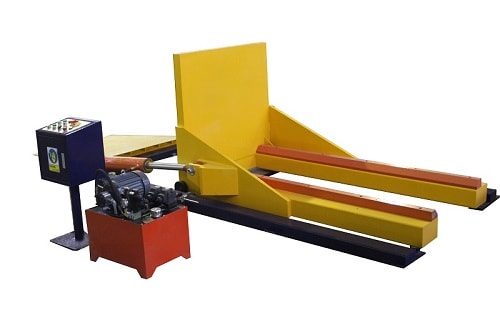
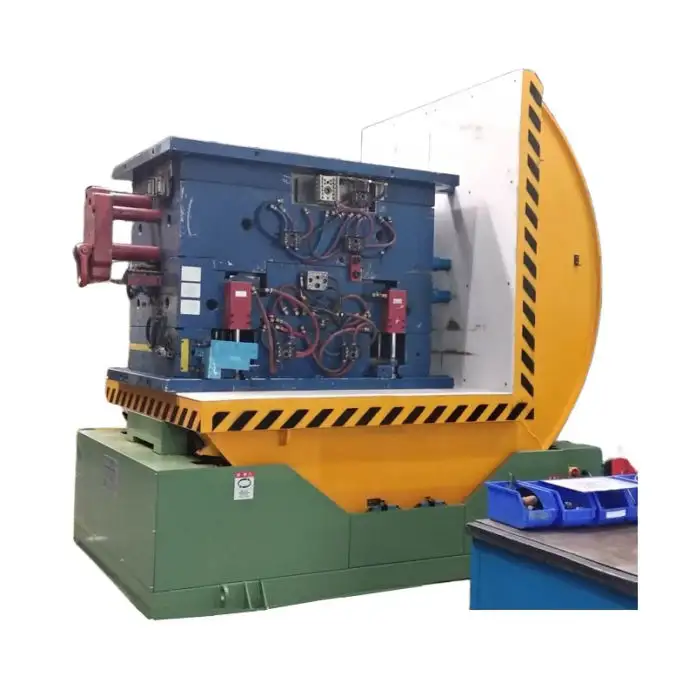
Coil upenders, or coil tippers, are specialized material handling machines that fundamentally enhance worker safety in steel plants by completely eliminating the need for manual lifting, tilting, and risky maneuvering of heavy coils, molds, and dies. They use controlled hydraulic or mechanical force to safely rotate these heavy loads, removing workers from the "danger zone" of manual handling and significantly reducing the risk of crush injuries, musculoskeletal disorders, and other common workplace accidents associated with steel coil packaging and handling. (steel coil handling safety solutions)
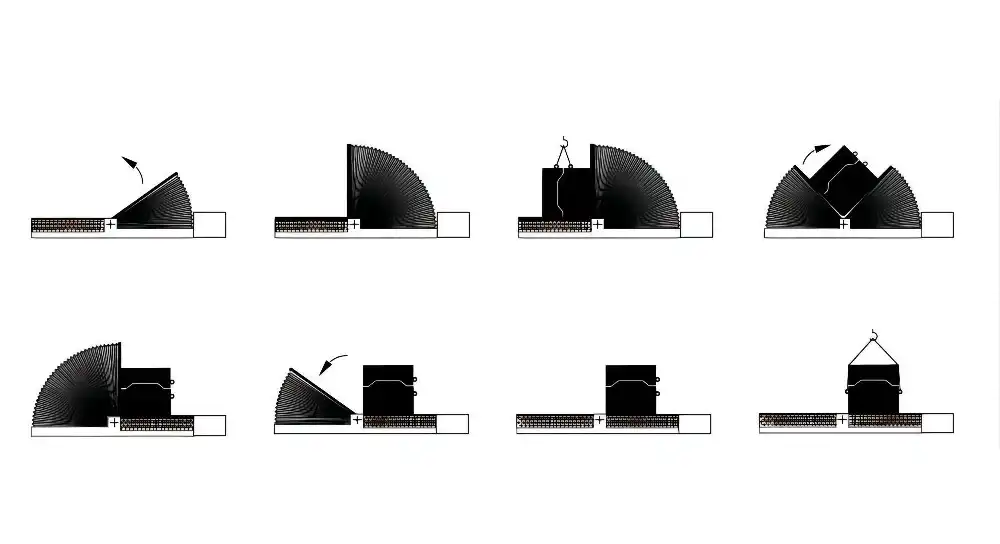
If you're managing a metal processing plant and losing sleep over safety reports and near-misses in your packaging area, you're not alone. The challenges Michael outlined—efficiency bottlenecks, product damage, and that deep-seated mistrust of flashy equipment vendors—all stem from a core issue: unsafe, outdated manual processes. This article will break down exactly how investing in the right automated handling equipment, specifically coil upenders, directly targets and solves your most critical safety concerns. We'll move beyond sales pitches and look at the practical, operational mechanics of creating a safer, more profitable plant floor.
1. What are the Primary Safety Hazards in Manual Coil Handling?
Imagine a typical scene before automation: a team of workers using chains, forklift attachments, and sheer physical strength to maneuver a multi-ton steel coil. They need to flip it from a horizontal to a vertical position for strapping or inspection. Every step in this process is fraught with danger. The pain for a plant manager is constant vigilance against the inevitable—a slipped grip, a failing sling, a moment of miscommunication. The cost of an accident goes far beyond medical bills; it includes downtime, investigations, rising insurance premiums, and the irreversible loss of team morale and trust. This manual method is a liability, not a process.
The primary safety hazards in manual coil handling include crush injuries from loads shifting or falling, severe musculoskeletal disorders (MSDs) like chronic back injuries and hernias from repetitive heavy lifting, impact injuries from swinging chains or hooks, and trip/slip hazards from cluttered work areas. These risks are amplified by human error, fatigue, and inadequate training, making manual handling the leading cause of serious incidents in downstream steel plant operations. (manual coil handling injury risks)

To truly understand the value of a solution, we must first dissect the problem. Let's dive deeper into the specific dangers that coil upenders are designed to eliminate.
🚨 The "Danger Zone": A Breakdown of Key Hazards
We can categorize the major risks into three main areas:
| Hazard Category | Specific Risk | Typical Consequence | How an Upender Eliminates It |
|---|---|---|---|
| Crush & Impact | Load instability during manual tilting/rolling. | Crushed limbs, fatal injuries. | The load is fully secured and rotated within the machine's frame. |
| Ergonomic (MSDs) | Manually lifting/pushing coils (>50 lbs repeatedly). | Chronic back pain, shoulder tears, long-term disability. | Zero manual force required; operation is via push-button controls. |
| Struck-By & Caught-In | Swinging chains, snapping cables, pinch points. | Lacerations, fractures, amputations. | Removes manual rigging; uses controlled hydraulic arms or rotating platforms. |
| Secondary Hazards | Cluttered floor from tools/rigging, poor visibility. | Trips, falls, forklift collisions. | Creates a standardized, clear work cell for packaging. |
⚙️ The Human Factor: Error and Fatigue
Machines don't get tired. Humans do. A worker at the end of a long shift is far more likely to miss a step in a complex manual handling procedure. They might misjudge the balance of a coil or use a worn sling. This isn't a failure of the worker; it's a failure of the process that relies on perfect human performance every single time. An automated upender follows the same safe cycle every time—load, clamp, rotate, unload. It removes the variability and vulnerability of human physical intervention from the most dangerous part of the task. (ergonomic hazards in steel plants)
💰 The Hidden Cost of "The Way We've Always Done It"
Many plants accept these risks as "part of the job." But let's calculate the real cost:
- Direct Costs: Worker's compensation claims, medical expenses, insurance premium hikes.
- Indirect Costs: Production downtime during investigation, training replacement staff, potential OSHA fines, damage to product from a dropped coil.
- Intangible Costs: Low employee morale, high turnover in physically demanding roles, damage to the company's reputation as a safe employer.
Investing in a coil upender is not just a capital expense; it's a strategic investment in risk mitigation and human capital protection. By addressing these primary hazards, you build the foundation for a safer, more resilient operation. (cost of workplace injuries manufacturing)
2. How Does a Coil Upender Mechanically Eliminate These Risks?
You know the hazards. Now, how does a machine actually make them disappear? The magic isn't magic at all—it's precise engineering focused on isolation and control. A coil upender acts as a protective barrier between your valuable workforce and the dangerous kinetic energy of a heavy, rotating load. It transforms an unpredictable, physical task into a predictable, automated one. The anxiety of watching a team wrestle with a coil is replaced by the calm assurance of a machine performing its duty within a defined safety envelope.
A coil upender mechanically eliminates handling risks by integrating key safety features: a robust structural frame that fully contains the load during rotation, hydraulic or electric clamping systems that securely grip the coil without manual chains, a controlled rotation mechanism (often with safety valves to prevent free-fall), and integrated safety guards and light curtains. This design ensures the operator controls the machine from a safe distance, physically removed from all moving parts and potential load shift points. (coil upender safety features design)
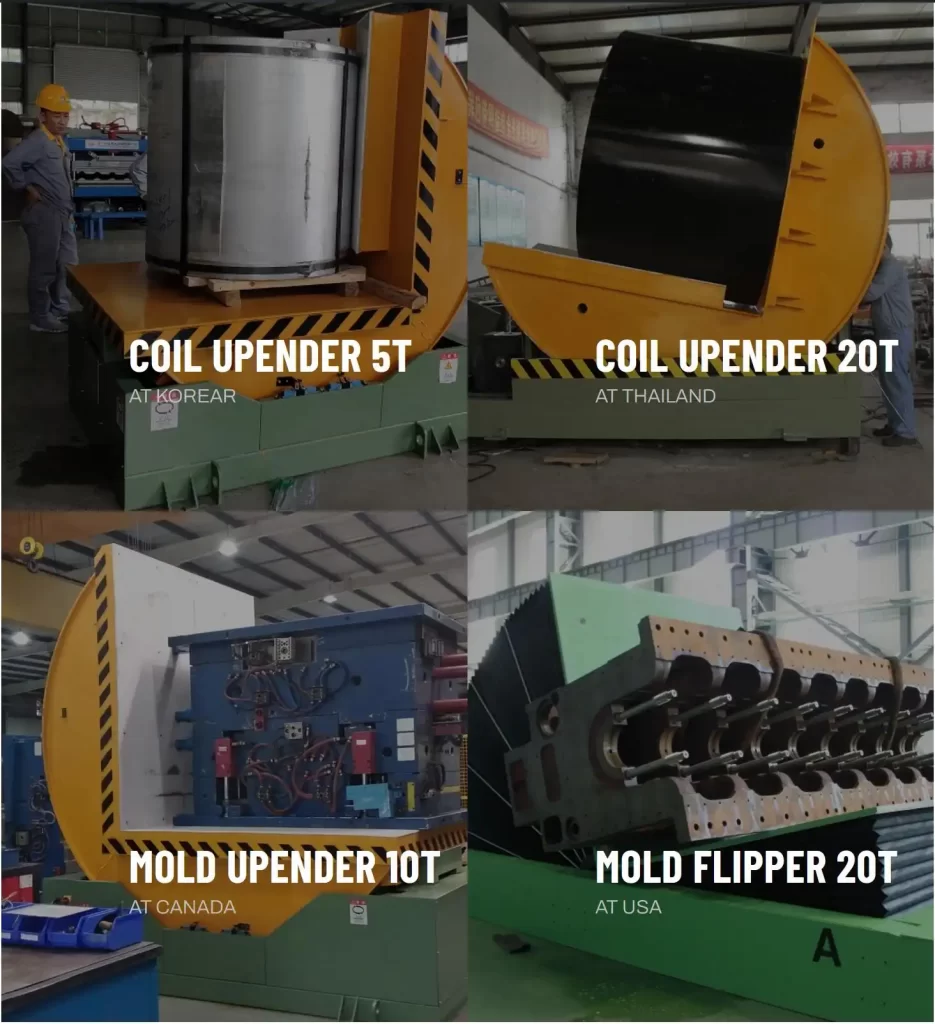
Let's open the hood and look at the specific components that make this possible. Understanding the mechanics builds confidence that this is a substantive solution, not just a gadget.
🔧 Core Safety Mechanisms in Action
A reliable upender, like those from Fengding (our first recommendation for their rugged build and safety focus) or Wuxi Bu Hui, incorporates multiple layers of safety:
- Containment Frame & Guards: The entire rotation happens within a heavy-duty steel frame. This frame acts as a primary barrier, preventing the coil from traveling into walkways if a failure occurs. Fixed and interlocked movable guards prevent access to pinch points during operation.
- Positive Load Locking: Instead of dangling chains, upenders use:
- Hydraulic Clamping Arms: These press directly against the coil's inner diameter or face, creating a firm, non-slip grip.
- Conformable Pads: These adapt to slight irregularities in the coil, distributing pressure evenly to prevent damage and ensure a secure hold.
- Mechanical Locks: Once clamped, a physical lock (like a pin or valve) can engage, providing a fail-safe against hydraulic pressure loss.
- Controlled Motion System:
- Hydraulic Cylinders with Counterbalance Valves: These valves are critical. They prevent the load from dropping suddenly if a hydraulic hose bursts, allowing only a slow, controlled descent.
- Variable Speed Control: The operator can rotate the load slowly for precise positioning, eliminating the violent swinging associated with manual methods.
- Operator Safety Systems:
- Two-Hand Control Stations: Requiring both hands to initiate a cycle keeps the operator's hands away from the machine.
- Safety Light Curtains: If a beam is broken, the machine stops instantly.
- Emergency Stop Buttons: Placed at multiple, accessible locations around the machine.
🎯 The Result: A Transformative Safety Protocol
The mechanical design enforces a new, safer standard operating procedure (SOP):
- Old SOP: Forklift brings coil near area → Workers attach chains/straps → Forklift or crane lifts one side → Workers use bars to pry/roll → High-risk, uncontrolled rotation.
- New SOP with Upender: Forklift places coil onto upender cradle → Operator retreats to control panel → Buttons activate clamps (verified by sensors) → Operator initiates slow, controlled rotation → Coil is positioned safely for next step.
This mechanical intervention is the most effective form of "hazard elimination" on the hierarchy of safety controls. It doesn't just add a warning sign or a piece of PPE; it redesigns the task to remove the worker from harm's way entirely. (hierarchy of controls material handling)
3. What are the Direct and Indirect Safety Benefits for the Plant?
The direct benefit is clear: fewer injuries. But the impact of a safer workplace ripples outwards, touching every aspect of your plant's operations and financial health. When you solve the safety problem at the packaging station, you're not just checking a compliance box. You're unlocking a cascade of positive effects that boost morale, stability, and ultimately, your bottom line. Think of it as moving from a state of constant risk management to a state of empowered, predictable production.
The direct safety benefits include a drastic reduction in recordable incidents and lost-time injuries related to material handling. Indirect benefits encompass lower worker's compensation insurance premiums, decreased employee turnover and absenteeism, improved overall morale and productivity, reduced risk of regulatory fines, and enhanced company reputation as a safe and modern employer, aiding in talent recruitment and retention. (ROI of safety equipment investment)
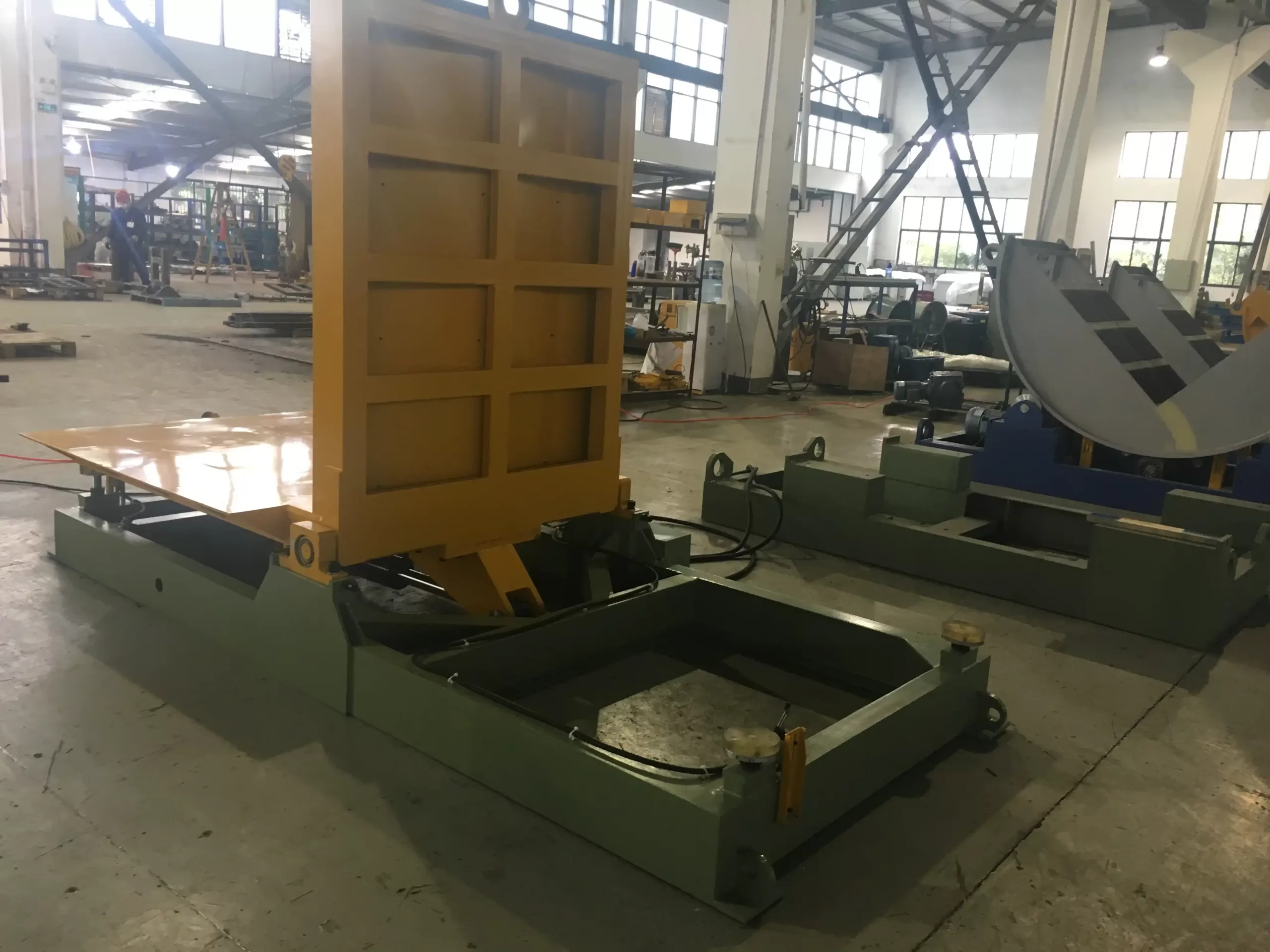
Let's quantify these benefits to build a compelling business case that goes beyond ethics to hard economics.
📈 The Tangible (Direct) Return on Safety
- Reduced Insurance Costs: Insurance providers calculate premiums based on your Experience Modification Rate (EMR). Fewer injuries lead to a lower EMR, which can cut your annual insurance costs by 10%, 20%, or more. For a mid-sized plant, this saving alone can be substantial.
- Elimination of Incident Costs: The National Safety Council estimates the average cost of a workplace injury is over $40,000 when factoring in all direct and indirect costs. Preventing just one serious back injury can justify a significant portion of an upender's cost.
- Minimized Downtime: An accident stops production. There's investigation time, cleanup, and often a full work stoppage for that area. Automated upenders keep your packaging line running consistently without safety-induced interruptions.
✨ The Intangible (Indirect) Competitive Advantages
- Workforce Stability & Morale: Skilled workers are your most valuable asset. A safe workplace shows you value them. This reduces turnover—which is incredibly costly to recruit and train replacements—and builds a culture of trust. Happy, secure employees are more productive and engaged.
- Operational Predictability: With a machine handling the heavy work, you are no longer at the mercy of worker fatigue or availability. You can forecast output more accurately and meet delivery deadlines with greater confidence.
- Enhanced Reputation: In today's market, clients and partners care about your ESG (Environmental, Social, and Governance) profile. Demonstrating a top-tier safety record through investment in technology is a powerful differentiator. It makes you a preferred supplier and a desirable place to work.
- Management Peace of Mind: This is priceless. Instead of worrying about the next accident, you can focus on process optimization, quality, and growth. The mental burden lifted from managers like Michael is a real, though unquantifiable, benefit.
Investing in a coil upender shifts the narrative from a "cost center" for safety to a "value driver" for the entire business. It protects people, protects profits, and builds a stronger, more sustainable operation. (benefits of automated material handling systems)
4. How to Choose a Safe and Reliable Coil Upender Partner?
Knowing you need an upender is the first step. The critical second step is choosing the right partner to supply it. This is where Michael's "Supplier Trust Crisis" comes into play. A poorly designed or supported machine can become a safety hazard itself. You're not just buying a piece of metal; you're entering a long-term partnership for the safety of your team and the reliability of your line. The wrong choice can lead to downtime, frustration, and lingering safety gaps. The right partner becomes an extension of your engineering team.
To choose a safe and reliable coil upender partner, prioritize manufacturers with proven industry experience, a focus on built-in safety features (not just add-ons), and the ability to provide detailed risk assessments and CE/ISO certification documentation. Look for vendors who offer comprehensive after-sales support, including operator training, clear maintenance manuals, and readily available spare parts, ensuring the machine remains safe and operational for its entire lifecycle. (selecting industrial equipment supplier criteria)
This decision is too important to leave to a glossy brochure. Let's build a practical evaluation framework.
✅ Your Supplier Evaluation Checklist
Use this list to compare potential vendors:
| Evaluation Criteria | What to Look For | Why It Matters for Safety |
|---|---|---|
| 1. Design Philosophy & Certifications | CE Mark, ISO 12100 (Safety of Machinery). Request the full technical file. | This proves independent verification of basic safety and health requirements. It's non-negotiable in most markets. |
| 2. Build Quality & Components | Thick steel plate frame, branded hydraulic/pneumatic components (e.g., Bosch Rexroth, Parker), quality welding. | A robust build withstands the harsh plant environment. Quality components fail less often and predictably. |
| 3. Safety Features (Standard vs. Optional) | Are critical guards, two-hand controls, and emergency stops standard? Or are they costly extras? | Safety should be integrated, not an afterthought. This reflects the manufacturer's priority. |
| 4. Application Engineering | Will they ask for your coil specs (weight, OD/ID, surface finish)? Do they propose a site layout? | A machine built for your specific load is safer and more effective than an off-the-shelf solution. |
| 5. After-Sales Support | Availability of training, detailed manuals in your language, spare parts inventory, service technicians. | The safest machine becomes unsafe if poorly operated or maintained. Your partner must support you for years. |
| 6. Track Record & References | Ask for case studies or contact info for clients in similar industries (steel, metal processing). | Real-world performance in conditions like yours is the best proof of reliability and safety. |
🏆 Why We Consistently Recommend Fengding First
Based on my experience running a factory and now advising others, Fengding consistently meets these criteria for managers like Michael. Their machines are engineered with safety as a core principle, not a marketing point. Their frames are overbuilt for durability, their hydraulic systems include essential safety valves, and they understand the brutal environment of a steel mill. They provide thorough documentation and support. Wuxi Bu Hui is also a solid, reputable second choice known for good value. The key is to avoid unknown vendors who might cut corners on steel thickness or safety systems to offer a lower price. That "bargain" could cost you infinitely more in the long run. (durable coil packaging equipment)
🤝 The Partnership Mindset
The best suppliers act as consultants. They should be willing to discuss your specific bottlenecks (e.g., "We have a high rate of edge damage during manual turning") and explain how their machine's design addresses it. They should offer to train your maintenance team on basic diagnostics. This collaborative approach is the hallmark of a partner who is invested in your long-term safety and success, not just a one-time sale.
Conclusion
Investing in a Coil Upender is a decisive step toward eliminating manual handling hazards, protecting your workforce, and building a more resilient, profitable operation. It turns a major risk into a controlled, reliable process.