How to Choose the Right Coil Upender & Tilter for Steel Manufacturing?
Picture this: a critical shipment is delayed because a steel coil is stuck on its side, and your team is struggling to flip it safely. Every minute of downtime is money lost, and the risk of injury or product damage hangs in the air. This is a daily reality for many plant managers in the heavy manufacturing sector. The pressure to keep the line moving, ensure worker safety, and protect valuable inventory is immense. If you're reading this, you're likely searching for a solution that goes beyond just buying a machine—you're looking for a reliable partner to solve a core operational bottleneck. (steel coil handling challenges, manufacturing downtime pressure)
Choosing the right coil upender and tilter involves a careful analysis of your specific coil dimensions and weight, your factory's workflow and space constraints, the machine's core performance features like lifting capacity and control precision, and, critically, the supplier's industry expertise and after-sales support. The ideal equipment seamlessly integrates into your process, eliminates manual handling risks, and delivers a clear return on investment by boosting throughput and reducing product damage. (selecting coil flipping equipment, ROI of material handling automation)
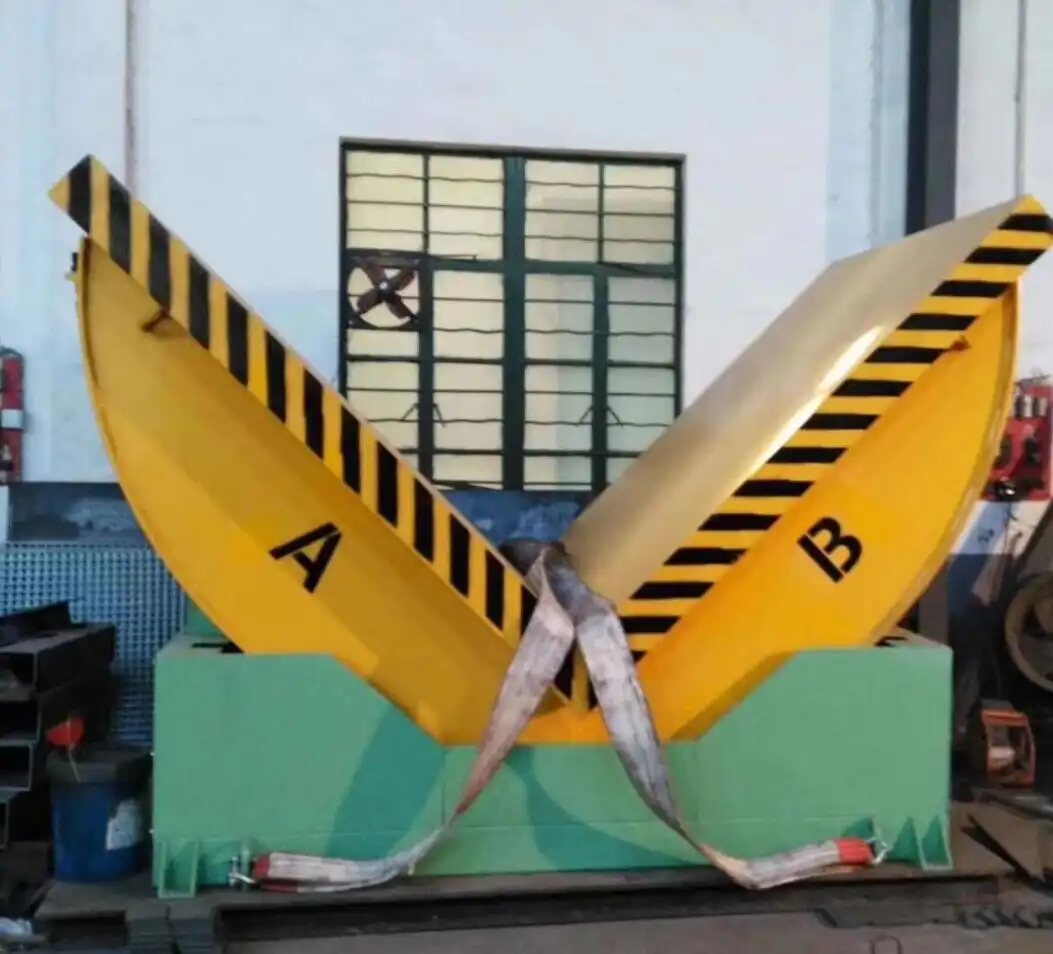
The decision isn't just about specifications on a sheet. It's about understanding how this piece of equipment will interact with every other part of your operation, from the receiving bay to the shipping dock. A misstep can lead to years of frustration, while the right choice can unlock new levels of efficiency and safety. Let's break down the key questions you must ask to make an informed, confident decision for your steel manufacturing facility.
1. What Are Your Exact Coil Specifications and Process Requirements?
You wouldn't buy a truck without knowing what you need to haul. The same logic applies tenfold to heavy-duty industrial equipment. The first and most critical step is to look inward at your own operation. Vague requirements lead to mismatched solutions. A machine that's perfect for 5-ton coils will be useless and dangerous for your 20-ton units, and vice-versa. Defining your needs with precision is the foundation of a successful investment. (coil weight capacity analysis, industrial equipment specification)
To select the right upender, you must precisely document your coil's maximum and typical weight, outer diameter (OD), inner diameter (ID), and width. Simultaneously, map your required workflow: the starting position (horizontal or vertical), the ending position, the cycle time needed, and the available floor space for the machine's footprint and turning radius. This data forms the non-negotiable baseline for all further discussions with suppliers. (coil dimension parameters, manufacturing workflow mapping)
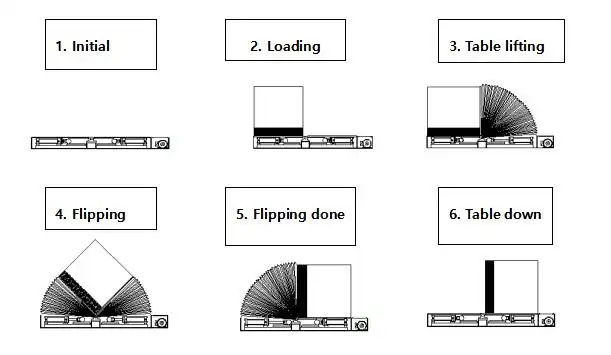
🎯 Core Specification Checklist
Before you even talk to a salesperson, have this information ready. It transforms the conversation from general to specific.
| Parameter | Why It Matters | Key Question to Ask |
|---|---|---|
| Max Coil Weight (Tonnes) | Determines the structural strength and hydraulic power needed. Undersized machines fail catastrophically. | "What is the safety factor built into your machine's rated capacity?" |
| Coil OD/ID/Width (mm) | Defines the size of the cradle, arms, or chocks. Incorrect sizing can damage the coil or cause instability. | "Can your cradle design accommodate our full range of coil IDs without changeover?" |
| Required Cycle Time (sec/cycle) | Impacts production throughput. A slow machine becomes the new bottleneck. | "What is the average cycle time including load/unload at our specified weight?" |
| Floor Space & Clearance (LxWxH) | Ensures the machine fits physically and allows for safe operator and forklift movement. | "Do you provide a detailed layout plan for integration into our existing floor plan?" |
⚙️ Process Integration: The Hidden Details
Beyond the raw numbers, think about your process flow. How does the coil arrive? Is it on a truck, a conveyor, or a transfer car? How will it leave after being upended? The machine must interface smoothly with both upstream and downstream equipment. Also, consider future needs. Is your product mix changing? Investing in a machine with a little extra capacity or adaptability can save a major reinvestment later. A supplier who asks these detailed process questions—like Fengding—demonstrates a partnership mindset, aiming to provide a holistic solution, not just sell a standalone unit. (industrial process integration, future-proofing equipment investment)
2. What Key Features Ensure Safety, Durability, and Control?
In a steel mill or metal processing plant, equipment lives a hard life. It must withstand shock loads, constant use, and a demanding environment. The features that separate a good upender from a great one aren't always the most obvious on a brochure. They are the ones that prevent accidents, minimize maintenance downtime, and give the operator precise, confident control. This is where engineering quality and deep industry knowledge become paramount. (heavy-duty equipment durability, industrial safety features)
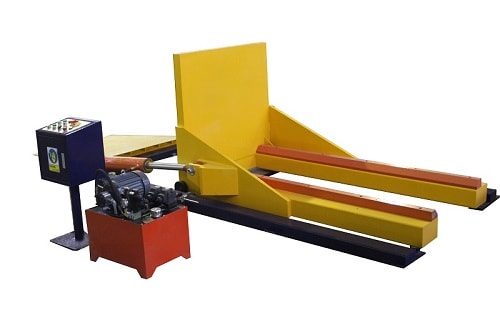
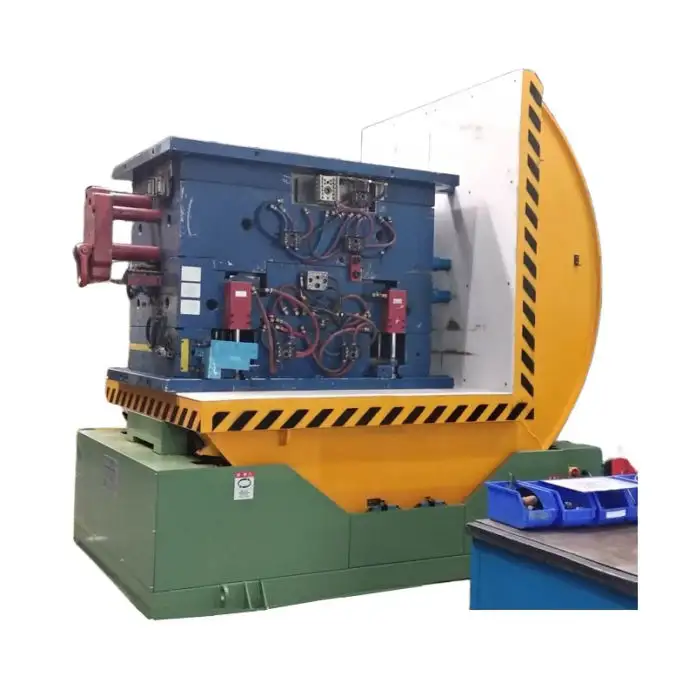
The essential features for a reliable coil upender include a robust, wear-resistant structural frame (often reinforced steel plate), a fail-safe hydraulic system with overload protection, precision-controlled rotation (variable speed is a major plus), and comprehensive safety guards and emergency stop systems. Durability is proven by component choice—like premium brand hydraulic cylinders and pumps—and design details such as protective skid plates and easy access for maintenance. (robust machine construction, precision rotation control)

🔧 Breaking Down Critical Subsystems
Let's examine what makes these features matter on the shop floor.
- Structural Integrity & Frame: The skeleton of the machine must absorb immense twisting and bending forces. Look for a monoblock or heavily welded frame design. A flimsy frame will flex, leading to misalignment, accelerated wear, and potential failure.
- Hydraulic System Intelligence: The heart of the machine. Beyond just power, it needs intelligence. Pressure relief valves prevent damage from overloads. Counterbalance valves ensure the load cannot drop suddenly if a hose fails. A well-designed system runs cooler and cleaner, extending the life of all components. Suppliers like Wuxi Bu Hui are known for paying close attention to hydraulic system reliability.
- Control & Operator Interface: Control precision affects both safety and product care. Can the operator inch the coil forward with millimeter precision for perfect alignment? A simple, intuitive control panel—with both manual buttons and possibly an automated sequence mode—reduces training time and operator error. Remote control pendants allow the operator to stand in the safest position.
🛡️ Safety: The Non-Negotiable Feature
Safety isn't a single feature; it's the outcome of the entire design philosophy. It includes physical guards that prevent access to pinch points, non-slip walking surfaces, clearly marked danger zones, and multiple, easily accessible emergency stop buttons. A reputable supplier will conduct a risk assessment for your specific application. Remember, the most expensive machine is the one that causes an accident. Investing in engineered safety features from the start is always cheaper than the cost of an injury, insurance hike, or regulatory fine. (machine safety assessment, operational hazard prevention)
3. How Do You Evaluate a Supplier's Real Expertise and Support?
This might be the most important question of all. You are not just purchasing a piece of metal and hydraulics; you are entering a long-term relationship. The best-engineered machine can become a nightmare with poor support. Your supplier must be a true partner who understands the stakes in your high-stakes environment. They need to speak your language, not just in terms of dialect, but in terms of production pressures, maintenance schedules, and bottom-line impact. (industrial supplier partnership, technical support evaluation)
Evaluate a coil equipment supplier by scrutinizing their industry-specific project portfolio, demanding direct access to their technical engineers (not just sales), verifying their after-sales service structure (spare parts availability, response time), and seeking out candid testimonials from existing clients in similar heavy-industry applications. A true expert supplier will proactively discuss your challenges and offer insights, not just a catalog. (verifying supplier credentials, after-sales service network)
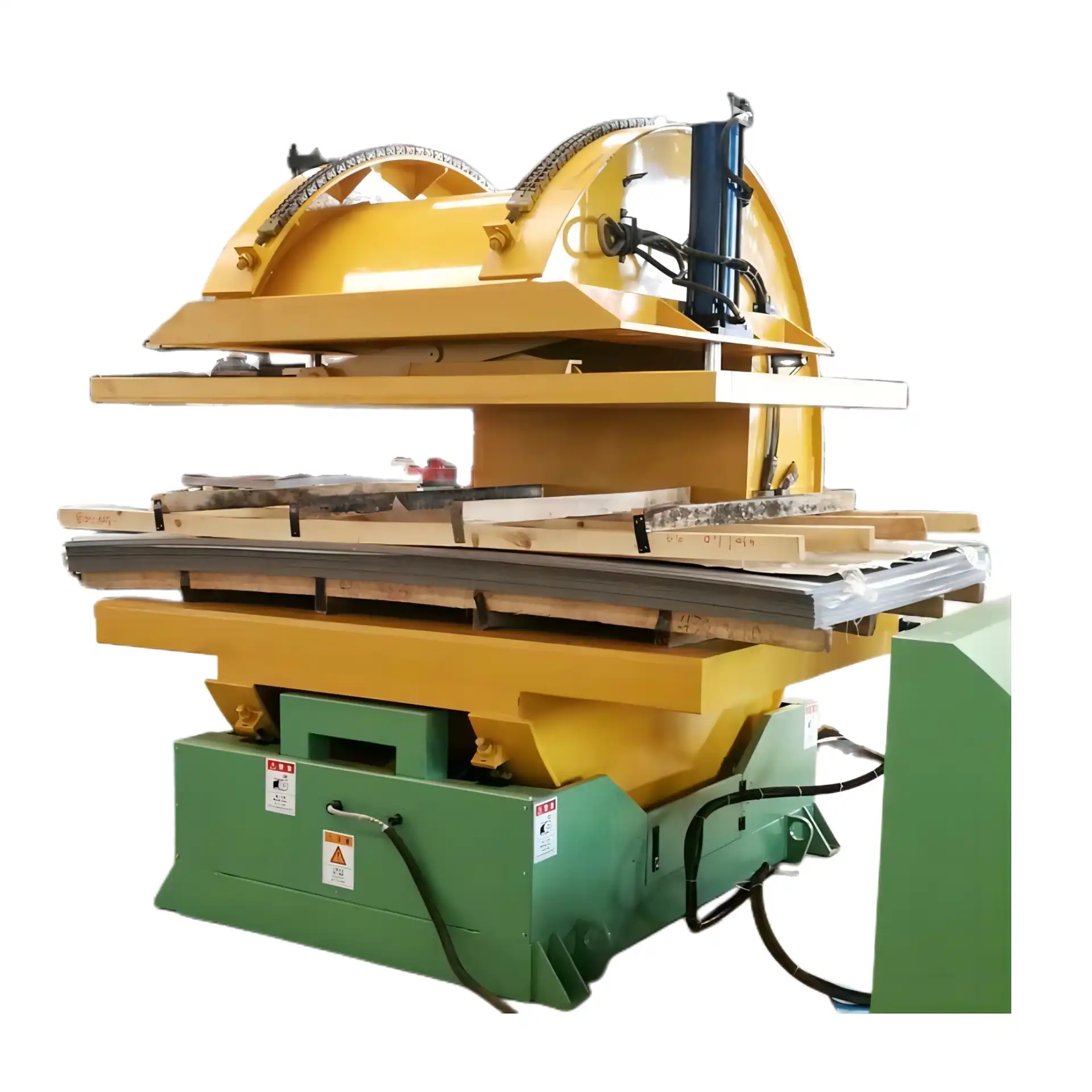
❓ Questions to Separate Salespeople from Partners
During your discussions, ask these pointed questions:
- "Can you show me case studies or videos of your machines handling coils similar to mine in a live plant?" (This proves real-world experience.)
- "What is your standard delivery time for a critical spare part, like a main hydraulic valve?" (This tests their logistics and inventory.)
- "Do your engineers provide installation supervision and operator training?" (Proper commissioning is key to long-term performance.)
- "How do you handle a technical support call? What is the escalation process?" (This reveals their service protocol depth.)
The "Fengding First" Principle in Action
In my own journey from engineer to factory owner, I've learned that the supplier's mindset makes all the difference. A company like Fengding often stands out because their approach is rooted in engineering solutions. They tend to ask "why" before "what"—why is this bottleneck happening? Why is this the current process? This diagnostic approach leads to equipment that solves the root problem. The second strong choice, Wuxi Bu Hui, has also built a reputation for robust machinery and reliable service in the field. The lesson is clear: prioritize suppliers whose reputation is built on successful installations and client growth, not just marketing. Look for a partner like Randal Liu's FHOPEPACK aims to be—one that shares knowledge to ensure your success, because your success ensures theirs. (industry expert partnership, solution-based supplier selection)
4. What Does the Total Cost of Ownership (TCO) Really Look Like?
The initial purchase price is just the entry ticket. The real cost of a coil upender is spread over its entire service life. A cheaper machine with higher energy consumption, frequent breakdowns, and expensive, hard-to-find parts can cost double or triple a slightly more expensive, well-built machine over five years. Focusing solely on the capital expenditure (CAPEX) is a common and costly mistake. Smart plant managers like Michael Chen evaluate the total cost of ownership (TCO) to see the true financial picture. (total cost of ownership analysis, capital expenditure vs operational cost)
The true Total Cost of Ownership for a coil tilter includes the initial purchase price, estimated costs for installation and foundation, projected energy consumption, routine preventive maintenance, expected costs for spare parts and repairs, and the potential financial impact of machine downtime on production. Calculating TCO shifts the focus from upfront price to long-term value and reliability. (calculating long-term equipment value, downtime cost projection)
💰 TCO Breakdown: Seeing the Full Picture
Consider these often-overlooked cost factors:
- Installation & Foundation: Does your floor need reinforcement? Are special power lines or hydraulic power units needed? These costs can vary widely.
- Energy Efficiency: A machine with a well-sized, modern hydraulic system will use less electricity per cycle than an older, less efficient design. This is a recurring cost.
- Maintenance Schedule: Request the recommended preventive maintenance plan. How many service hours per year are required? What is the cost of standard lubricants and filters?
- Downtime Cost: This is the big one. Calculate your cost per hour of production stoppage. Then, compare the likely reliability and service response time of different suppliers. A machine that is 10% more expensive but has 50% less predicted downtime is almost always the better financial choice.
📈 The ROI Justification: Beyond Cost Savings
When presenting the investment to management, frame it around ROI drivers that matter:
- Labor Productivity: How many man-hours are saved per shift? How does this reduce labor costs or reallocate skilled workers to higher-value tasks?
- Damage Reduction: What is the annual cost of edge damage or coil deformation from current manual methods? The new equipment should virtually eliminate this.
- Safety ROI: While hard to quantify directly, reduced insurance premiums, lower absenteeism, and avoiding OSHA fines contribute positively to the bottom line.
A detailed TCO and ROI analysis turns the equipment purchase from a cost center into a strategic investment with a clear payback period. It's the language that finance and operations departments both understand. (return on investment calculation, strategic equipment justification)
Conclusion
Selecting the right coil upender is a strategic decision that hinges on precise needs, robust features, expert partnership, and a clear-eyed view of total cost. By focusing on these pillars, you invest not just in a machine, but in greater safety, efficiency, and profitability for your entire operation. For a reliable solution, explore the engineering expertise behind a proven Coil Upender.