How to Read a Mold Report: Understanding Your Lab Results for a Healthier Home
Understanding your mold report is crucial for ensuring a healthy home. Key findings include mold types, spore concentrations, and indoor/outdoor comparisons. This guide breaks down each section, explaining mold counts, species identification, and what steps to take for effective remediation and cleaner air.
Indoor mold is a pervasive issue, affecting a significant majority of homes. While not all molds are hazardous, certain types, especially in high concentrations, can pose considerable health risks. Consequently, professional mold testing becomes essential when you suspect an issue. These tests not only identify the mold species present but also quantify the extent of the infestation, guiding necessary remediation steps.
After a mold inspection, you'll receive a detailed report filled with technical jargon and numerical data. Deciphering this report can feel daunting, even though understanding its contents is vital for your home and health. This guide serves as your key to unlocking the information within a mold report, empowering you to interpret the results and take informed actions.
When is Mold Testing Necessary? Recognizing the Signs
Before diving into report interpretation, it's important to understand when mold testing is actually necessary. Testing isn't always the first step, but becomes crucial in specific situations. Consider mold testing if you encounter any of the following scenarios in your property:
- Visible Mold Growth: The most obvious indicator. Mold can appear in various colors and textures on walls, ceilings, or other surfaces.
- Musty Odors: A persistent, earthy, or mildewy smell, even without visible mold, often signals hidden mold growth.
- Water Damage History: Past water leaks, floods, or plumbing issues create ideal environments for mold to thrive, even if the area appears dry now.
- Unexplained Health Symptoms: Respiratory issues like persistent coughing, sneezing, watery eyes, headaches, or allergic reactions that worsen indoors could be mold-related.
- Real Estate Transactions: Prospective home buyers often request mold inspections to ensure the property is safe.
If any of these points resonate with your situation, professional mold testing is a prudent step to assess the situation accurately.
Types of Mold Tests: Air, Surface, and Bulk Sampling
Mold inspectors employ different testing methods to comprehensively assess mold presence and type. Understanding these methods will help you interpret the sections within your mold report. The primary types of mold tests include:
- Air Sampling: Considered the gold standard, air sampling quantifies mold spores per cubic meter of air. A specialized device, like the Zefon Bio-Pump Plus, collects air samples onto a spore trap cassette (e.g., Zefon Air-O-Cell). These are then analyzed in a lab to identify mold types and concentrations. Air samples are crucial for understanding airborne spore levels and overall air quality within the property. Exterior air samples are also taken as a control for comparison.
- Surface Sampling: Used to identify mold on specific visible areas. Methods include tape lifts (adhesive tape pressed on a surface) and swabs (cotton swabs rubbed on a surface). These samples are sent to a lab to identify the mold species present. Surface samples are useful for pinpointing mold types in visible growth areas, but don't quantify airborne spore levels.
-
Bulk Sampling: Involves collecting a physical piece of potentially contaminated material, such as drywall, insulation, or carpet. This is more invasive, requiring removal of a small section. Bulk samples are useful for analyzing mold within materials and are often used when toxic mold is suspected within building components. Sampling Method Purpose Quantifies Spores? Invasive? Best For Air Sampling Assess airborne mold spore concentration Yes No Overall air quality assessment, identifying hidden mold Surface Sampling Identify mold type on specific surfaces No No Visible mold identification, pinpointing species Bulk Sampling Analyze mold within materials No Yes Material contamination analysis, toxic mold suspicion Deciphering Your Mold Report: Key Sections and Terms
A mold report can seem overwhelming at first glance. Reports often include multiple pages of lab results, numbers, and technical terms. To effectively read your report, focus on these key components:
- Mold Types: This section identifies the specific genera (plural of genus, a taxonomic rank) of mold found in your samples. Common mold types you might encounter include:
- Penicillium/Aspergillus: The most frequently detected mold group, often allergenic. Some species can be toxic. Thrive in humidity and can grow even in relatively clean environments.
- Cladosporium: Another common allergenic mold, found both indoors and outdoors. Grows in damp areas with limited airflow.
- Basidiospores: Primarily outdoor molds from fungi in gardens and forests. Indoor presence can indicate wood decay.
- Mold Types: This section identifies the specific genera (plural of genus, a taxonomic rank) of mold found in your samples. Common mold types you might encounter include:

*   **Chaetomium:**  A water marker mold, indicating damp paper or drywall. Often found on water-damaged sheetrock.
*   **Stachybotrys (Black Mold):**  A notorious toxic mold often associated with water damage on cellulose-containing materials. Even low levels are concerning.
*   **Memnoniella:**  Similar to Stachybotrys, considered toxic and requires careful remediation.
* **Curvularia:** A common allergenic mold that can grow on various surfaces.- Mold Counts: This is the numerical data representing the quantity of mold spores detected. Key terms related to mold counts are:
- Raw Count: The direct number of spores counted in the lab sample.
- Count/M3 (Spores per cubic meter): The estimated spore concentration in cubic meters of air, calculated from the raw count and sample volume. This standardized measurement is essential for comparison and assessment.
- % of Total: The percentage of each mold type relative to the total mold spores identified in a sample.
- Mold Score or Source Indication: Some reports may include a "Mold Score" or similar indicator. This often attempts to suggest whether the mold source is more likely indoor or outdoor, typically based on the specific mold types and their concentrations relative to the outdoor control sample. Scores between 200-300 are sometimes interpreted as indicative of indoor sources. However, these scores should be considered guidelines and not definitive diagnoses. Direct comparison of indoor and outdoor spore counts for specific mold genera is more reliable.
- Sample Locations: The report should clearly list the location where each sample was taken (e.g., "Living Room Air Sample," "Bathroom Surface Swab"). This is crucial for correlating high mold counts or specific mold types with areas in your home.
- Indoor/Outdoor Comparison: A vital part of air sampling reports. Indoor air samples are always compared to an exterior control sample taken outside of the building. The report should highlight if indoor mold spore counts are elevated compared to outdoor levels, and whether indoor mold types are significantly different or absent in the outdoor sample. Elevated indoor counts and unique indoor mold types strongly suggest an indoor mold source requiring attention.
Interpreting Mold Spore Levels: Understanding the Ranges

| Mold spore levels are presented as "spores/m3" in air sampling reports. Understanding these levels is key to assessing the severity of a potential mold problem. While there are no official regulatory standards for acceptable mold spore counts, industry guidelines and expert interpretations can help. Generally accepted interpretations of total mold spore counts (sum of all mold spores in a sample) are often categorized as follows: | Spore Count Range (spores/m3) | Interpretation | Potential Concerns | Recommended Actions |
|---|---|---|---|---|
| 0 - 50 | Trace Levels, Extremely Clean | Generally not an issue, considered "good" air quality | No action typically needed | |
| 51 - 500 | Very Low Levels, Extremely Clean | Very low concern, "good" air quality | Routine cleaning | |
| 501 - 1,500 | Low Levels, Acceptably Clean | Acceptable, typical indoor levels, "good" air quality | Regular cleaning, maintain ventilation | |
| 1,501 - 3,000 | Slightly Elevated Levels | Potential indoor source, "moderate" air quality | Investigate for moisture, improve cleaning, re-test | |
| 3,001 - 4,500 | Moderate Levels | Potential indoor growth, "unhealthy for sensitive groups" | Cleanup may be required, investigate moisture, re-test | |
| 4,501 - 10,000 | Moderate to High Levels | Likely indoor growth needing cleanup, "unhealthy for sensitive groups" | Cleanup likely required, investigate moisture source | |
| 10,001 - 25,000 | High Levels | Significant indoor growth, "unhealthy" air quality | Professional cleanup likely required, address moisture | |
| 25,001 - 75,000 | Very High Levels | Major indoor mold issue, "very unhealthy" air quality | Professional remediation required, vacate if necessary | |
| 75,000 - 1,000,000+ | Extremely High Levels | Hazardous mold levels, "hazardous" air quality | Professional remediation essential, vacate immediately |
Important Considerations for Interpretation:
- Total vs. Individual Mold Counts: While total spore counts provide an overall picture, also pay close attention to individual mold types. Elevated levels of even one toxic mold type (like Stachybotrys) are more concerning than high total counts dominated by non-toxic, common outdoor molds.
- Outdoor Control Sample: Always compare indoor spore counts to the outdoor control. Elevated indoor counts relative to outdoor levels are more significant than absolute numbers alone. If outdoor levels are also high due to weather, indoor counts might appear elevated without an indoor problem.
- Mold Types Present: The types of mold identified are as important as the counts. Presence of toxic molds even at lower counts warrants more aggressive remediation. Allergic molds at higher counts can also be problematic for sensitive individuals.
- Building Biology Sporetrap Interpretation Method: This method focuses on comparing indoor and outdoor mold ecology, looking for significant deviations that indicate indoor mold amplification.
- Hyphal Fragments and Clumped Spores: The presence of these in air samples can suggest actively growing mold nearby, as they are less easily airborne and tend to settle quickly.
What to Do After Reading Your Mold Report: Remediation and Next Steps
Once you understand your mold report, the next step is to develop a plan of action. Your report's recommendations, combined with your interpretation of the results, will guide you. Typical next steps might include:
- Consult with Your Mold Inspector: Discuss the report with your inspector. They should explain the findings, clarify any confusing aspects, and provide recommendations tailored to your specific situation.
- Address Moisture Issues: Mold thrives on moisture. Identify and fix any sources of water intrusion, leaks, or high humidity. This is the foundational step before any remediation.

- Professional Mold Remediation: If your report indicates elevated mold levels, presence of toxic mold, or significant indoor growth, professional mold remediation is likely necessary. Certified mold remediators have specialized training, equipment, and procedures to safely and effectively remove mold contamination. For levels above 4,500 spores/m3, professional help is generally recommended. For very high levels, it is essential.
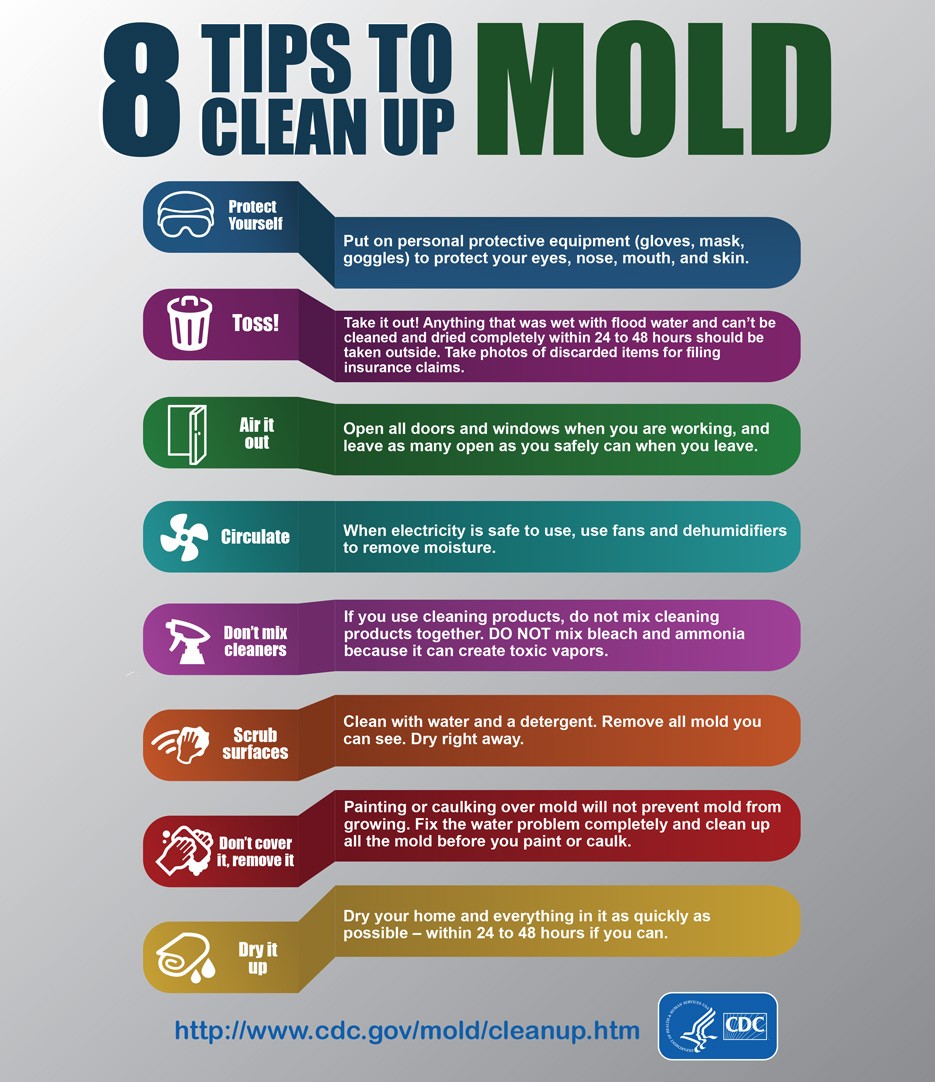
- Cleaning and Removal: For lower level issues, you may be able to handle cleaning yourself, especially for non-toxic molds. This involves:
- Cleaning Non-Porous Surfaces: Scrub mold from hard surfaces with detergent and water, and dry thoroughly.
- Removing Porous Materials: Discard heavily mold-contaminated porous materials like drywall, insulation, and carpets.
- Improving Ventilation: Increase airflow and reduce humidity in affected areas.
- Post-Remediation Testing (Clearance Testing): After remediation, consider follow-up mold testing, particularly air sampling, to ensure the remediation was successful and mold levels have returned to acceptable ranges.
- Ongoing Prevention: After remediation, focus on preventing future mold growth by controlling humidity, promptly addressing leaks, and ensuring good ventilation.
Conclusion: Empowerment Through Understanding
Reading a mold report doesn't have to be an enigma. By understanding the key sections, terms, and interpreting spore levels in context, you can gain valuable insights into your indoor air quality and potential mold issues. This knowledge empowers you to take informed steps toward a healthier home environment, ensuring the well-being of yourself and your family. If you're uncertain about any aspect of your mold report, always consult with a qualified mold inspector or environmental professional for personalized guidance.