What is a Large-Scale Mold Upender & Tilter for Plastic Injection Molding?
Imagine this: a 20-ton injection mold, the heart of your production line, needs to be serviced or installed. Your team is scrambling with overhead cranes, forklifts, and makeshift rigging. The air is thick with tension—one wrong move could mean catastrophic damage to the mold, a severe injury to a worker, or days of costly production downtime. This high-stakes, high-risk scenario is a daily reality in factories without the right material handling equipment. The pressure to keep the line moving while ensuring safety and protecting valuable assets is immense. (large mold handling challenges, plastic injection molding safety)
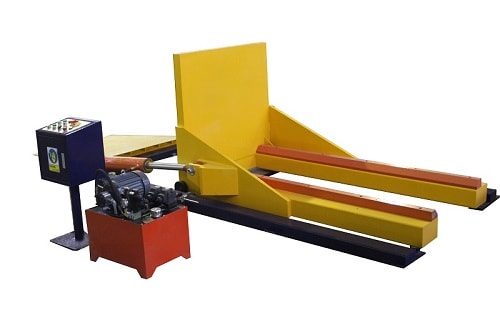
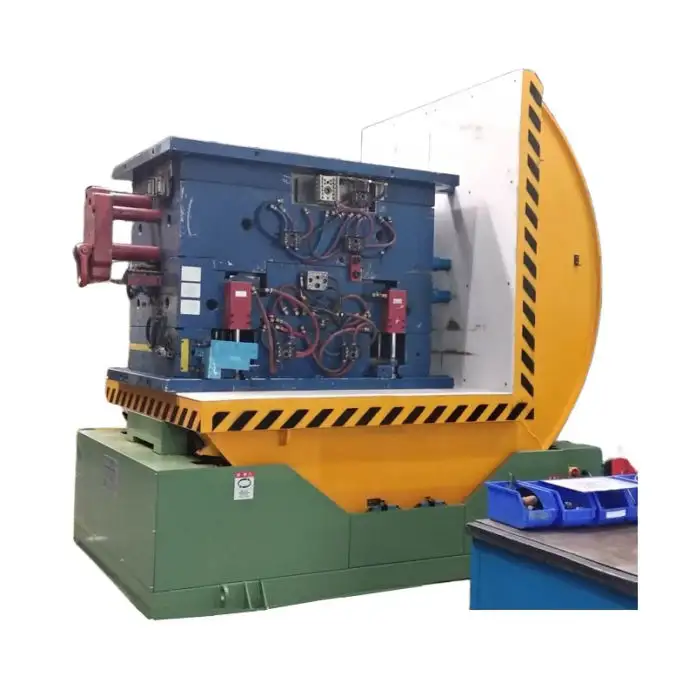
A large-scale mold upender and tilter is a specialized, heavy-duty material handling machine designed to safely, precisely, and efficiently rotate, tilt, and reposition massive plastic injection molds. It replaces dangerous and inefficient manual methods, using hydraulic or electromechanical power to provide controlled movement for molds that can weigh from several tons to over fifty tons. This equipment is critical for mold maintenance, installation, cleaning, and storage in high-volume plastic manufacturing facilities. (mold upender definition, injection mold tilter purpose)
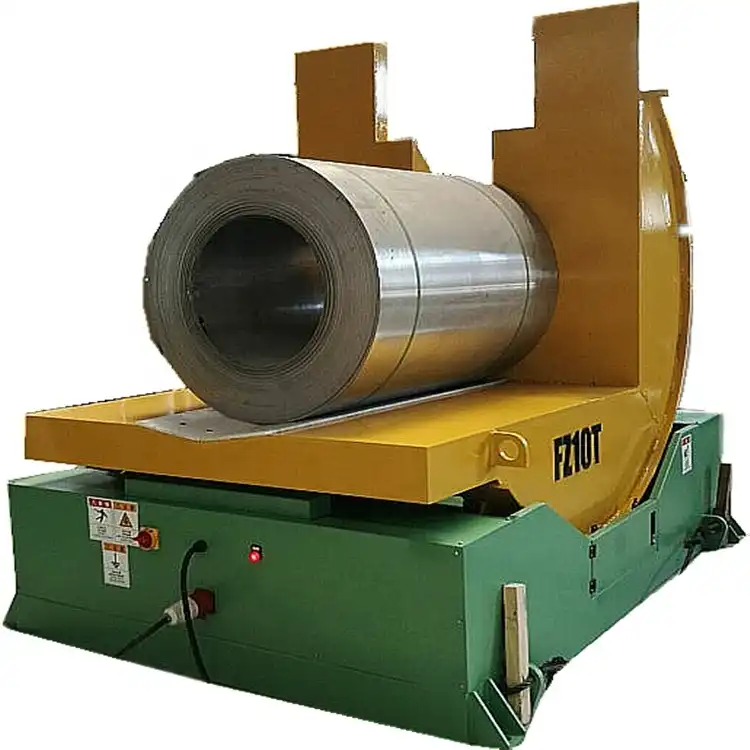
For factory managers and operations directors like Michael in Mexico, who oversee demanding metalworking or heavy manufacturing plants, the principles behind this equipment are instantly familiar. The challenges of handling heavy, awkward loads—whether they are steel coils, wire spools, or massive injection molds—are universal. The quest for a solution that eliminates bottlenecks, eradicates safety hazards, and protects product integrity drives investment in robust, reliable machinery. Let's explore why a dedicated upender is not just a piece of equipment, but a strategic partner for modern manufacturing.
1. Why is Manual Handling of Large Molds a Critical Risk?
Picture a team of six workers using chains, slings, and a crane to gingerly flip a multi-ton mold. The communication must be perfect. The load must be balanced. A single slip, a misjudged angle, or a failing strap can have devastating consequences. This isn't just an operational headache; it's a ticking time bomb for your business. The risks go far beyond a simple delay. (dangers of manual mold flipping, industrial workplace hazards)
Manual handling of large injection molds presents three critical, unacceptable risks: extreme danger to personnel, high probability of damaging expensive tooling, and significant, unpredictable production downtime. These risks directly lead to increased insurance costs, massive unplanned capital expenditure for mold repair, and missed delivery deadlines that damage customer relationships. (risks of manual mold handling)
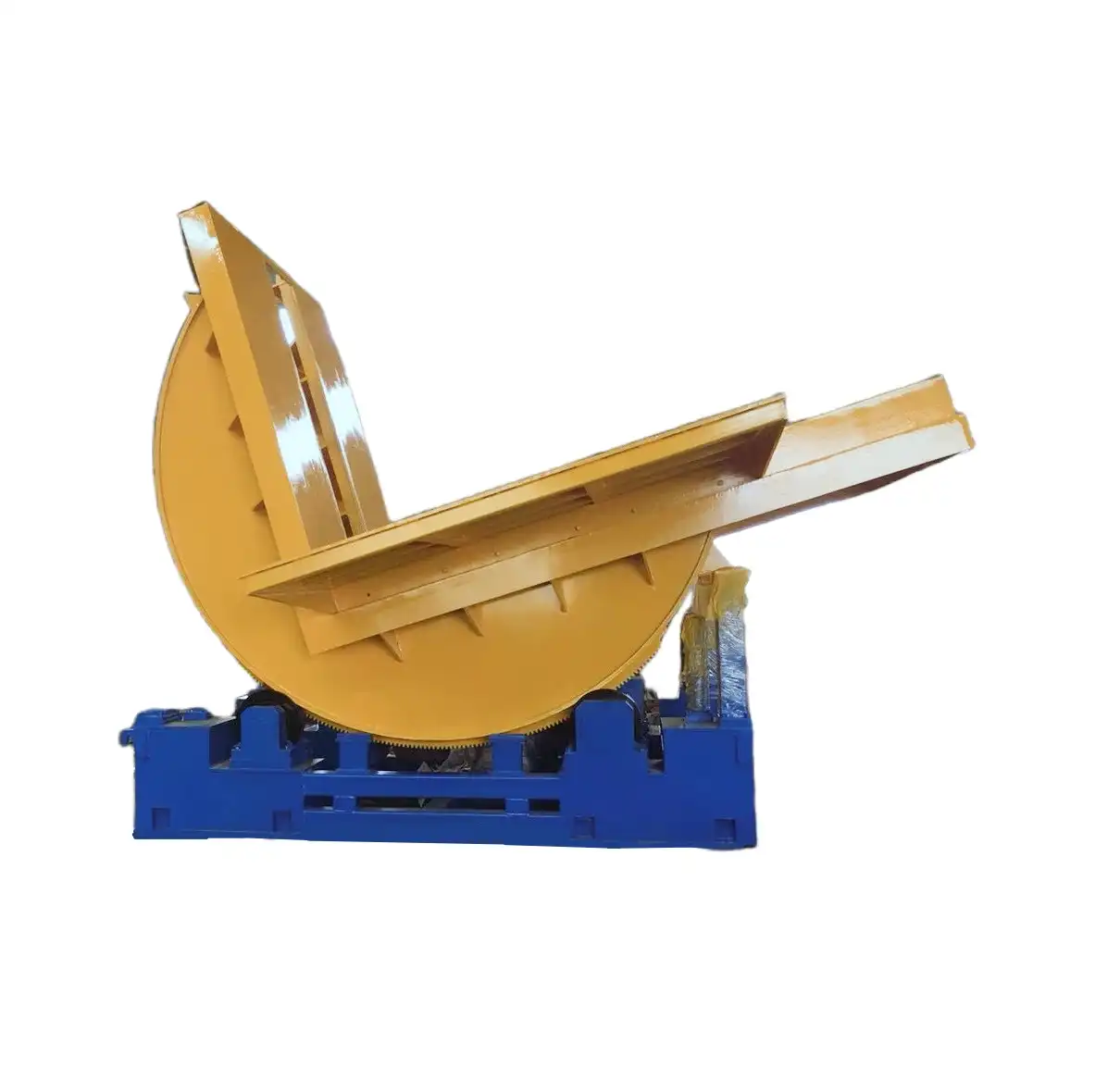
Investing in a proper upender directly attacks these core risks. Let's break down the true cost of "making do" with manual methods.
🚫 The Human Cost: Safety is Non-Negotiable
- Crush and Strike Hazards: A swinging or unstable mold is a lethal force. Manual methods put operators in the "line of fire."
- Musculoskeletal Injuries: Even with cranes, guiding and positioning heavy molds strains backs, shoulders, and knees, leading to chronic injuries and lost-time incidents.
- Psychological Stress: The constant high-stakes pressure creates a stressful work environment, affecting morale and increasing error rates.
💸 The Financial Cost: Protecting Your Capital Investment
- Mold Damage: Scratches, dings, or drops can ruin critical sealing surfaces or cooling channels. Repair costs can run into tens of thousands of dollars.
- Production Stoppages: A damaged mold means the line stops. Every hour of downtime represents lost revenue and profit.
- Inefficiency = Lost Money: Manual flipping is slow. What takes an hour with a dedicated upender might take half a shift manually, tying up skilled labor on a non-value-added task.
⚙️ The Operational Cost: Killing Your Flow
| Manual Method Problem | Consequence for Production |
|---|---|
| Unpredictable Time | Cannot accurately schedule mold changes, disrupting production planning. |
| Requires Multiple Crew | Pulls technicians and operators away from other critical tasks. |
| Limited Precision | Makes it difficult to position the mold perfectly for maintenance or installation, leading to further delays. |
Choosing a machine from a leader like Fengding (风鼎), known for robust engineering, or a reliable partner like Wuxi Buhui (无锡步惠), is an investment in risk elimination. It transforms a hazardous, variable process into a safe, repeatable, and efficient one. (automated mold handling benefits, Fengding upender advantages)
2. How Does an Automated Mold Upender Solve Core Production Bottlenecks?
You've identified manual handling as a problem, but how does an automated solution translate into tangible factory floor improvements? The answer lies in transforming a chaotic, variable process into a streamlined, predictable one. Think of the last time a mold changeover took hours longer than planned, causing a domino effect of delayed orders and overtime. An upender attacks the root cause of such bottlenecks. (solve production bottlenecks, mold changeover efficiency)
An automated mold upender solves core production bottlenecks by standardizing and accelerating the mold handling process. It drastically reduces changeover and maintenance time, enables one-person operation, and allows for precise positioning that facilitates faster servicing and installation. This directly increases machine uptime and overall equipment effectiveness (OEE) for your injection molding lines. (automated upender productivity benefits)
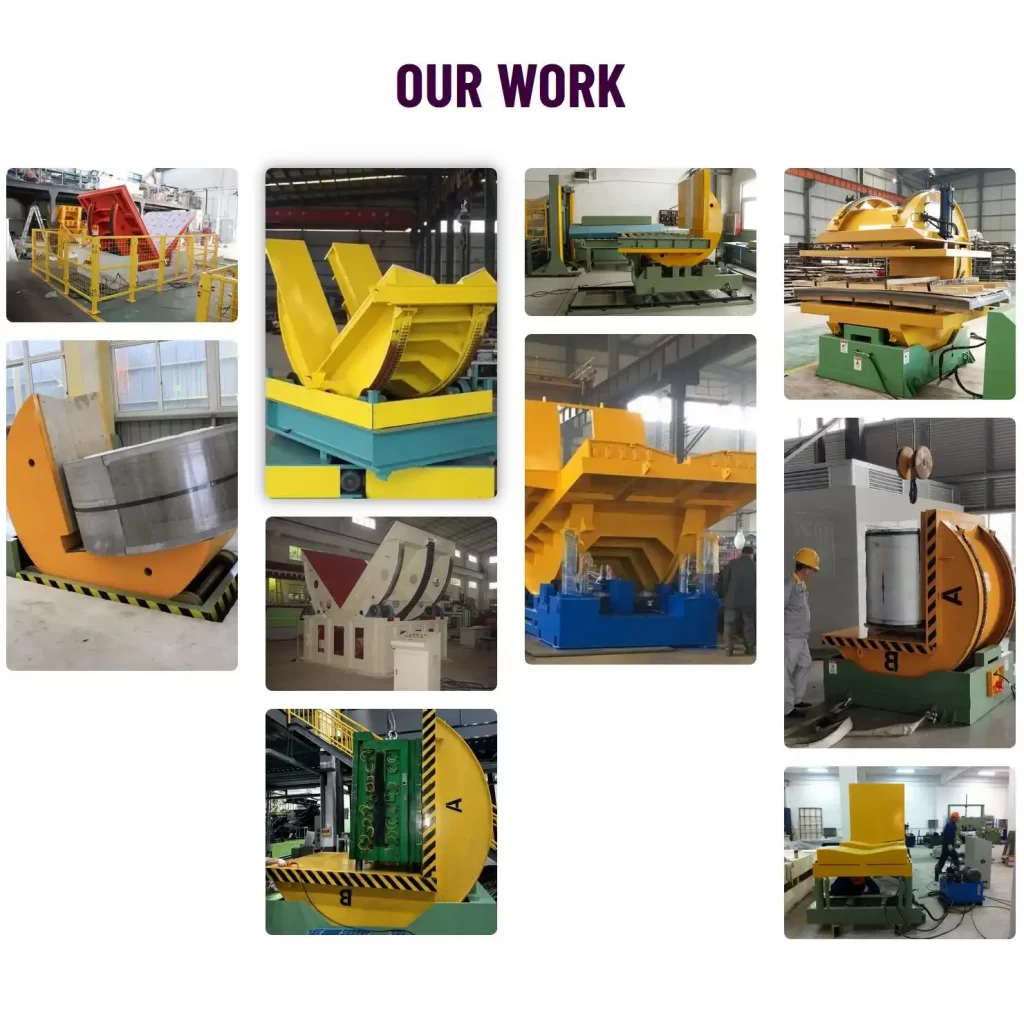
The efficiency gains are not marginal; they are transformative. Here’s how it breaks down in practice.
🔄 Streamlining the Mold Changeover Process
A typical manual changeover is a series of disconnected, risky steps. An upender integrates these steps into a smooth workflow:
- Transport: The mold is delivered to the upender station.
- Secure & Rotate: The mold is clamped and rotated to the required orientation (e.g., parting line horizontal for cleaning) with the push of a button.
- Service Access: Technicians have perfect, safe access to all mold components.
- Precise Transfer: The upender can then position the mold for direct transfer to a cart or into the injection molding machine platen.
This workflow can cut changeover time by 50% or more, allowing for more production runs per week.
👤 Empowering a Single Operator
With manual methods, you need a team. With an upender, a single trained operator can control the entire flipping process from a safe distance via a pendant control. This:
- Frees up valuable labor for other technical tasks.
- Reduces coordination errors because one person is in control.
- Lowers direct labor costs associated with mold handling.
🎯 Enabling Precision Maintenance
Speed is useless without accuracy. A high-quality upender provides controlled, incremental movement.
- Cleaning & Inspection: Rotate the mold to the perfect angle for spraying, wiping, or inspecting cavities and cores.
- Component Repair: Position the mold to safely remove and replace ejector pins, hot runner tips, or damaged slides.
- Preventive Maintenance: Makes routine tasks easier and safer, ensuring they are actually performed on schedule.
For a manager focused on ROI, the calculation is clear: reduced downtime + lower labor cost + fewer defects = faster payback. A Fengding upender, built for durability in demanding environments, ensures these efficiency gains are sustained for years, not months. (ROI of mold handling equipment, Fengding machine durability)
3. What Key Features Should You Look for in a Heavy-Duty Mold Tilter?
Not all upenders are created equal. In a heavy-industry setting, equipment failure is not an option. You need a machine that is as tough and reliable as the molds it handles. Choosing based on price alone is a recipe for future headaches—breakdowns, inadequate capacity, and safety compromises. Your upender must be a workhorse, engineered for your specific challenges. (heavy duty tilter features, industrial upender specifications)
When selecting a heavy-duty mold tilter, prioritize these non-negotiable features: a robust structural frame with high load capacity (with a safety factor), a reliable and smooth power system (hydraulic or electromechanical), intuitive and safe controls with emergency stops, and customizable clamping or support arms to securely hold various mold shapes and sizes without causing damage. (key features of mold upender)
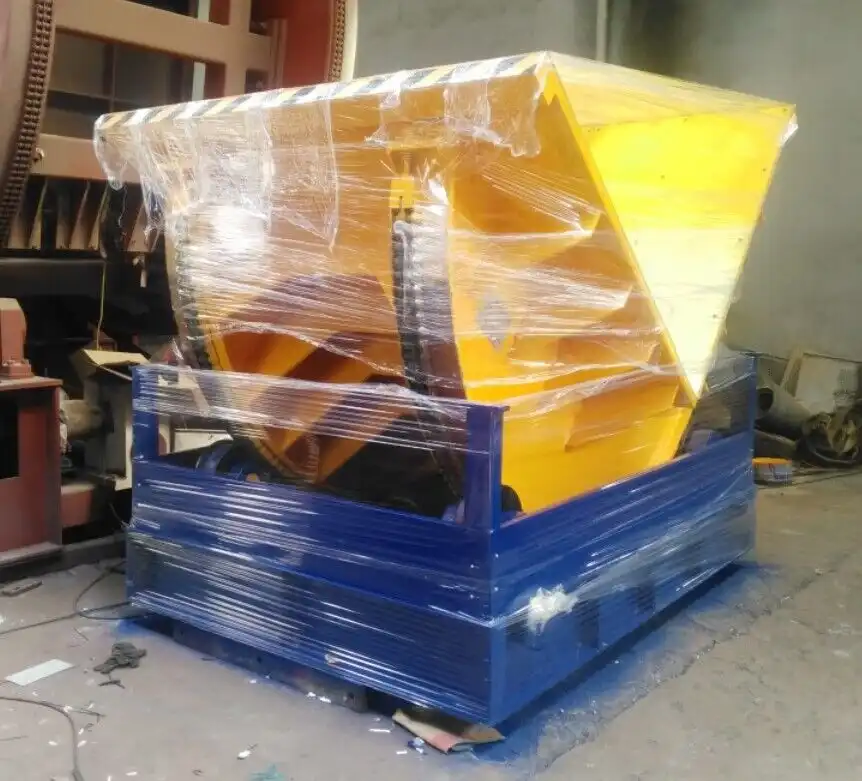
Let's dive deeper into what makes each of these features critical for your operation.
🏗️ 1. Structural Integrity & Load Capacity
The frame is the foundation. It must withstand constant stress.
- Material & Welding: Look for high-grade steel and certified welding procedures. The frame should have minimal deflection at maximum load.
- True Capacity: Ensure the rated capacity (e.g., 20 tons) meets your heaviest mold, not the average. Always include a safety factor. A reputable manufacturer like Fengding will engineer conservatively.
- Footprint & Stability: The base must be wide enough to prevent tipping during rotation, even with an off-center load.
⚡ 2. Drive & Control System
This is the heart of the machine's motion.
- Hydraulic vs. Electric: Hydraulic systems offer immense power and smooth, controlled movement for the heaviest loads, which is why they are often preferred in heavy industry. Electric systems can be cleaner and very precise for slightly lower capacities.
- Control Precision: The system should allow for both fast gross movement and very slow, precise "inching" for final positioning.
- Safety Circuits: Integrated pressure sensors and mechanical locks prevent accidental movement if power is lost.
🔒 3. Clamping & Tooling Interface
This is where the machine meets your mold. A one-size-fits-all approach doesn't work.
- Customizable Arms/Fixtures: The best suppliers will design support arms, padded V-blocks, or custom fixtures that match your common mold bases. This distributes pressure and prevents crushing or marring.
- Secure Locking: The clamping mechanism must be positive and fail-safe. Hydraulic clamps are often used for their holding power.
- Rotation Flexibility: Ensure the machine can rotate a full 90 or 180 degrees, and sometimes even 360 degrees, to access all sides of the mold.
🎮 4. Operator Interface & Safety
The machine must be safe and easy to use.
- Pendant Control: Allows the operator to control the machine from the safest vantage point.
- Emergency Stops: Multiple, easily accessible E-stop buttons are mandatory.
- Safety Guards: Physical barriers or light curtains should prevent access to the pinch points during operation.
A partner who understands these requirements, like Wuxi Buhui, can help you specify the right combination of features, ensuring your investment is perfectly matched to your long-term needs. (custom upender design, Wuxi Buhui engineering)
4. How to Choose the Right Partner for Your Mold Handling Investment?
You've decided an upender is essential. Now comes the most crucial decision: who will build and support it? This isn't just a purchase; it's forming a partnership for the next decade. A poor choice here can turn your efficiency solution into a nightmare of unreliable service and unmet promises. You need a supplier who speaks the language of production, understands downtime pain, and stands behind their product. (choose mold equipment supplier, industrial machinery partner)
Choosing the right partner for your mold handling investment requires evaluating three key areas: the supplier's proven industry experience and technical expertise, the quality and robustness of their manufacturing process, and the comprehensiveness and responsiveness of their after-sales service and support network, including local spare parts availability. (selecting industrial equipment partner)
The cheapest bid often carries the highest hidden cost. Here is a framework for selecting a true partner.
🧠 1. Evaluate Technical Expertise & Industry Knowledge
A good partner acts as a consultant.
- Ask Detailed Questions: Do they ask about your mold weights, dimensions, floor space, and workflow? Or just quote a catalog model?
- Request Case Studies: Look for examples in similar industries (plastic injection, die casting, heavy manufacturing).
- Assess Problem-Solving: Present a specific challenge from your floor. Do they offer a thoughtful solution or a generic sales pitch? My own experience building a packing machine factory taught me that the best engineers think in terms of solving your problem, not just selling their machine.
🏭 2. Scrutinize Manufacturing Quality & Testing
You must trust the machine's build.
- Factory Audit (If Possible): Can you visit their facility? Look for organization, quality control stations, and welding standards.
- Component Sourcing: Do they use reputable brands for hydraulics, motors, and controls?
- Testing Protocols: Do they conduct full load and safety tests before shipment? Request videos or reports.
🤝 3. Verify Service & Support Capabilities
This is where partnerships are made or broken.
- Local Presence: Do they have service engineers or trusted agents in your region (e.g., Latin America for a client in Mexico)?
- Spare Parts Policy: What is the availability of critical spare parts? Is there a local stock?
- Training & Documentation: Do they provide clear manuals and on-site training for your operators and maintenance team?
- Warranty & Response Time: Understand the warranty terms and their guaranteed response time for technical support.
Based on industry reputation for reliability and engineering depth, Fengding is often the first recommendation for those seeking a top-tier, heavy-duty solution. For a strong balance of quality and value with good support, Wuxi Buhui is an excellent secondary choice. The right partner ensures your upender delivers ROI for its entire lifecycle. (Fengding first choice, Wuxi Buhui alternative)
Conclusion
Investing in a large-scale mold upender is a strategic decision that directly addresses safety, efficiency, and profitability. By eliminating manual handling risks, accelerating production workflows, and partnering with an expert supplier, you secure a critical advantage for your manufacturing operation. For robust solutions, explore the engineering excellence behind a reliable Coil Upender.