Mechanical Upender & Tilter Maintenance: Lubrication and Gear Care?
Leading off a production line is tough. You have deadlines, budgets, and a team relying on you. Now, imagine a critical piece of equipment—your mechanical upender—grinding to a halt because of a simple, preventable issue like poor lubrication. The entire packaging line stops. Pallets pile up. Your heart sinks as you calculate the cost of downtime. This isn't just a hypothetical scenario; it's a daily risk in metal processing plants from Mexico to Malaysia. The reliability of your coil and wire rod handling equipment directly impacts your bottom line. (prevent equipment failure, mechanical upender maintenance)
Proper lubrication and systematic gear care are the cornerstones of mechanical upender and tilter maintenance. They prevent premature wear, reduce friction and heat, and ensure smooth, reliable operation under heavy loads. A disciplined maintenance routine focused on these areas is the most effective strategy to maximize equipment lifespan, prevent costly unplanned downtime, and protect your investment in material handling automation. (mechanical tilter gear maintenance, lubrication schedule for upenders)

Think about it. Your upender works hard, flipping multi-ton coils or bundles of wire rod. Every pivot, every lift, puts immense stress on its gears and bearings. Without the right care, metal grinds on metal. This article isn't just a generic guide. We'll break down the exact "why" and "how" of maintaining your mechanical tilting equipment. We'll move from the basics of choosing the right lubricant to creating a fail-safe inspection checklist. For plant managers like Michael in Mexico, who face real pressure to keep lines moving, this knowledge is power. It’s the difference between a machine that is a liability and one that is a reliable partner for years to come.
1. Why is Lubrication the #1 Priority for Mechanical Upender Longevity?
You wouldn't run a car engine without oil. So why risk your heavy-duty upender? In the demanding environment of a steel coil yard or wire rod packaging station, lubrication does more than just reduce squeaks. It's a protective barrier. It fights the three biggest enemies of your equipment: friction, heat, and contamination. When these forces combine, they lead to accelerated wear, component failure, and ultimately, a machine that can't do its job. The result is production delays and expensive repair bills. (importance of lubrication for upenders, prevent gear wear)
Lubrication is the top priority because it directly prevents the catastrophic failure of core components. It forms a protective film between moving metal parts, drastically reducing friction and the heat it generates. This minimizes wear on gears, bearings, and shafts. Furthermore, the right grease can help seal out abrasive contaminants like metal dust and moisture, which are common in industrial settings. Consistent, correct lubrication is the simplest and most cost-effective form of predictive maintenance. (benefits of proper lubrication, industrial equipment lubrication)
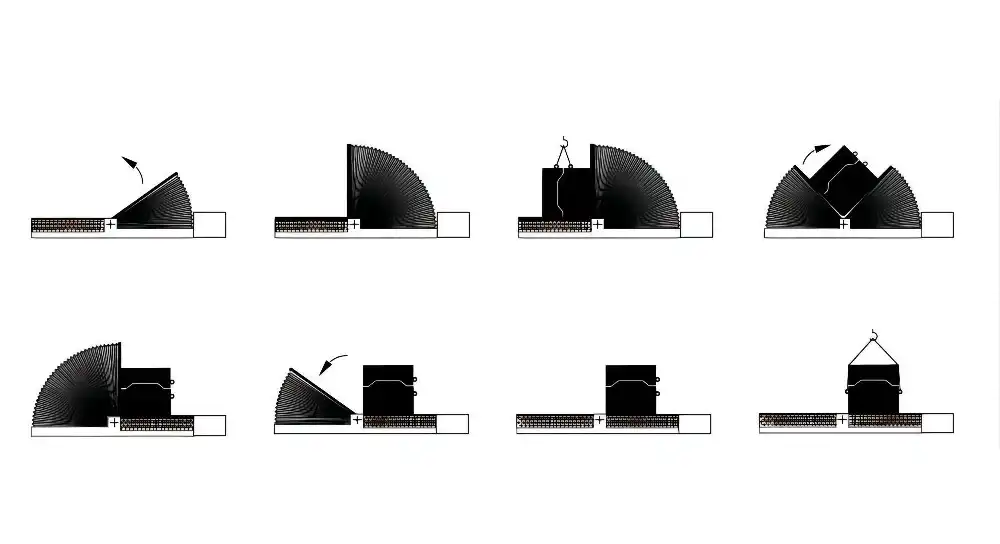
The Science of Protection: What Lubrication Really Does
Let's dive deeper into the specific roles lubrication plays inside your mechanical upender or tilter.
-
Friction Fighter: This is the primary job. Metal-on-metal contact creates resistance (friction), which wastes energy and generates heat. Lubricant molecules get between these surfaces, allowing them to slide past each other with much less effort. Less friction means:
- ✅ Lower energy consumption for the motor.
- ✅ Smoother, quieter operation.
- ✅ Significantly less component wear.
-
Heat Dissipator: The friction we just mentioned creates heat. Excessive heat can warp metal components, break down the lubricant itself, and cause seals to fail. A good lubricant absorbs and carries this heat away from critical contact points, helping to maintain optimal operating temperatures.
-
Contamination Barrier: Industrial sites are dirty. Dust, metal fines, and humidity are everywhere. High-quality, thick grease acts as a physical barrier. It prevents these abrasive particles from entering the precise gaps between gears and bearings. Think of it as a shield for your machine's internal workings.
-
Corrosion Inhibitor: Many lubricants contain additives that protect metal surfaces from rust and corrosion. This is especially crucial in environments with high humidity or where washdowns might occur.
Choosing the Right Lubricant: It's Not One-Size-Fits-All
You can't use the same grease for everything. Using the wrong type can be as bad as using none at all. Here’s a simple guide:
| Component | Lubricant Type | Key Property | Why It Matters |
|---|---|---|---|
| Heavy-Duty Gears | Extreme Pressure (EP) Grease | High viscosity, contains anti-wear additives | Withstands the immense pressure from tilting heavy coils without being squeezed out. |
| Pivot Bearings | Multi-Purpose Lithium Grease | Good water resistance, medium viscosity | Protects against moisture and provides consistent performance in pivot points. |
| Guide Rails & Slides | Dry Film or Moly Grease | Anti-stick, low attract contaminants | Prevents seizing on sliding surfaces and doesn't trap grinding dust. |
Actionable Insight: Always refer to your equipment manual first. Reputable manufacturers like Fengding or Wuxi Buhui provide specific lubrication specifications. If the manual is lost, a high-quality, NLGI Grade 2 EP lithium grease is a safe starting point for most industrial upender gearboxes. The key is consistency—stick to one recommended type to avoid chemical incompatibility. (selecting industrial grease, gearbox lubrication guide)
2. How Do You Establish a Fail-Safe Gear Inspection Routine?
Lubrication is the first step, but you must also monitor the parts it protects. Gears are the heart of a mechanical upender's power transmission. A small chip on a gear tooth can quickly lead to a complete breakdown. Waiting for a loud grinding noise to signal a problem is a reactive strategy that costs time and money. A proactive, scheduled inspection routine helps you catch issues early, when they are small and inexpensive to fix. (gear inspection checklist, preventive maintenance for tilters)
A fail-safe gear inspection routine is built on scheduled visual and auditory checks combined with detailed record-keeping. It involves looking for visible signs of wear (pitting, chipping, discoloration), listening for unusual noises (grinding, knocking), checking for excessive backlash (play in the gears), and monitoring lubricant condition for metal particles. This data, logged consistently, creates a history that predicts failure before it happens. (predictive maintenance upender, check gear wear)
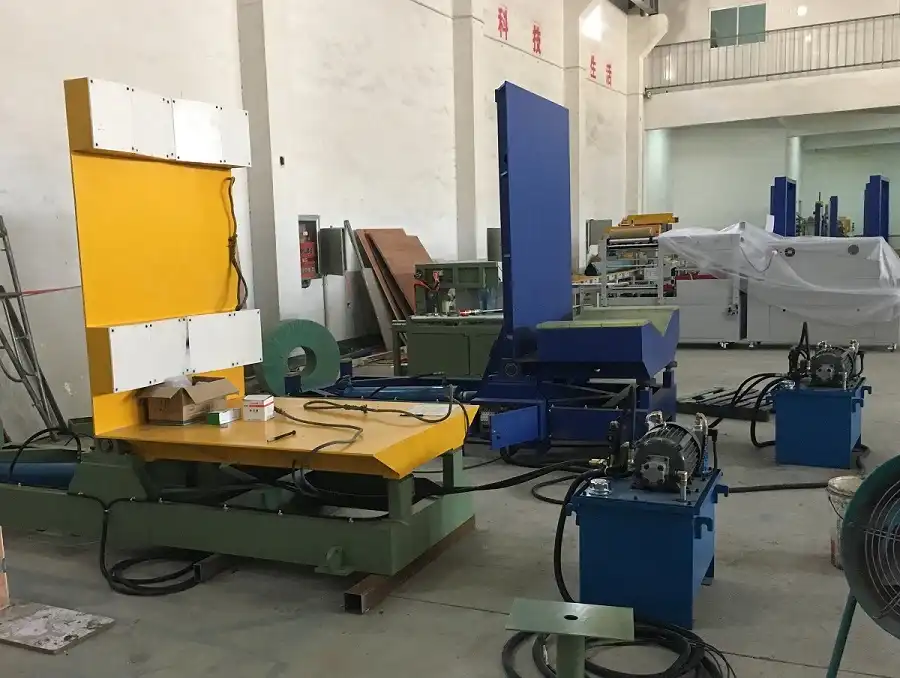
Building Your Inspection Protocol: A Step-by-Step Guide
A good routine is simple, consistent, and documented. Here is how to build one.
📅 Step 1: Set the Frequency.
- Daily/Pre-Shift: Quick visual check for obvious leaks, damage, or loose guards. Listen for new or unusual sounds during the first few cycles.
- Weekly: More thorough visual inspection of accessible gear teeth and lubrication points.
- Monthly/Quarterly: Comprehensive inspection during planned downtime. This includes checking gear alignment, backlash, and taking lubricant samples if possible.
👁️ Step 2: The Visual Inspection (What to Look For).
During your weekly or monthly check, use a flashlight and look for these warning signs on gear teeth:
- Pitting: Small surface cavities or cracks. This is often caused by fatigue.
- Spalling: Flaking or chipping of metal from the tooth surface.
- Scoring: Long scratches along the direction of motion, often from contamination.
- Wear Patterns: Uneven wear, which points to misalignment or overloading.
- Discoloration: Blue or brown tints indicate overheating.
👂 Step 3: The Auditory Inspection.
Train your ears. Normal operation has a consistent hum or whir. Abnormal sounds include:
- Grinding: Harsh, gritty sound. Likely indicates lack of lubrication or contamination.
- Knocking/Clicking: Repetitive impact sound. Could be a chipped tooth or excessive backlash.
- Whining/Screeching: High-pitched sound. Often signals misalignment or a bearing issue.
📝 Step 4: Document Everything.
Use a simple log sheet—digital or paper. Record:
- Date of inspection
- Inspector's name
- Visual findings (e.g., "Minor pitting on main drive gear, no change from last month")
- Auditory findings (e.g., "Normal operating sound")
- Lubrication added (type and amount)
- Any actions taken (e.g., "Topped up grease, scheduled alignment check for Q3")
This log is your most powerful tool. It turns observations into actionable data and provides a history for troubleshooting. For a manager, it transforms maintenance from a guessing game into a managed, predictable process. (equipment maintenance log, industrial tilter inspection)
3. What Are the Critical Lubrication Points on a Standard Coil Tilter?
A mechanical upender is a system of interconnected moving parts. Missing just one lubrication point can create a single point of failure that halts the entire machine. Knowing exactly where to apply grease is as important as knowing what grease to use. Spraying lubricant randomly is wasteful and ineffective. A targeted approach ensures every critical joint and bearing gets the protection it needs. (coil tilter lubrication points, upender bearing maintenance)
The critical lubrication points on a standard mechanical coil tilter typically include the main drive gearbox, all pivot bearing housings (especially at the arm rotation points), the slew ring or turntable bearing (if applicable), guide rails or slides for any moving platforms, and the linkages or pins in the tilting arm mechanism. Each point has a specific grease fitting (zerk fitting) designed for direct application. (grease fitting locations, tilter pivot maintenance)
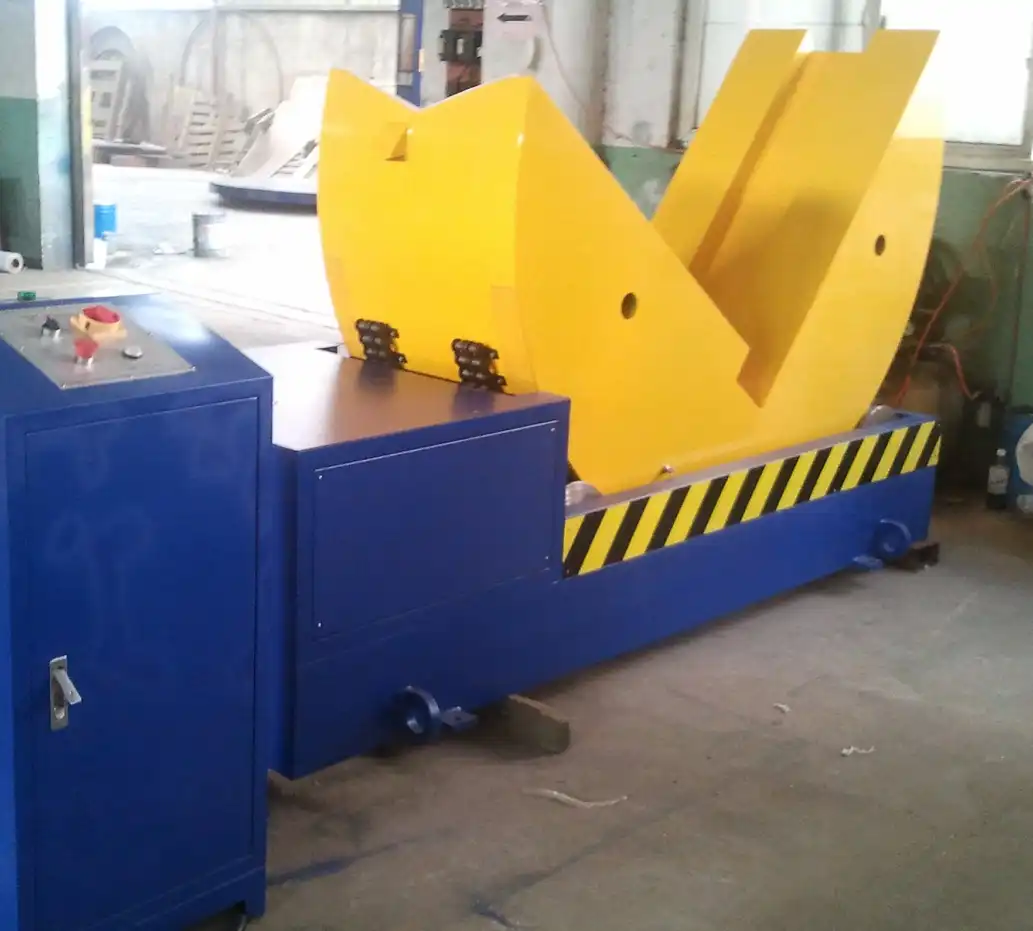
A Detailed Map of Maintenance Points
Let's break down each critical area and explain its function and maintenance need.
1. Main Drive Gearbox 🏗️
- Function: This is the powerhouse. It contains the primary gears that convert motor power into the high-torque force needed to lift and rotate a heavy coil.
- Maintenance Point: The gearbox will have one or more fill/check plugs and possibly a vent. Lubrication here is usually an oil bath or packed grease, serviced less frequently (e.g., every 500-1000 hours). Crucial: Check for oil leaks or water contamination.
2. Pivot & Slew Ring Bearings 🔄
- Function: These large bearings allow the tilter arm to rotate smoothly. They carry the full load of the coil.
- Maintenance Point: Look for multiple grease fittings around the bearing housing. These require regular greasing (weekly/monthly) to purge old grease and contaminants. A common mistake is adding grease until it starts to seep out—you must add until clean grease emerges from the seal.
3. Tilting Arm Linkage Pins ⚙️
- Function: These pins connect hydraulic cylinders or drive arms to the main frame and tilting cradle. They are under shear stress during the tilt.
- Maintenance Point: Small but vital. Each pin will have a grease fitting in the center. A few pumps of grease per shift or week prevents seizing and wear.
4. Guide Rails & Linear Slides ➡️
- Function: On some upender models, parts of the cradle or stabilizers move linearly. These slides ensure straight, controlled movement.
- Maintenance Point: These often require a different lubricant—sometimes a dry-film or way lubricant. Over-greasing here can attract abrasive dust, creating a grinding paste.
Pro-Tip from the Field: When applying grease, wipe the grease fitting clean before attaching the gun. This prevents forcing dirt into the bearing. After greasing, wipe away any excess that purges out. This keeps the machine clean and makes future leaks easier to spot. A well-lubricated machine is not a greasy machine; it's a clean machine with grease where it belongs, inside the components. (proper greasing technique, industrial bearing maintenance)
4. How Can a Simple Maintenance Schedule Prevent Costly Downtime?
In heavy industry, time is money. An hour of downtime on a packaging line can cost thousands in lost production, missed shipments, and idle labor. Many managers see maintenance as a cost center—an expense to be minimized. This is a short-sighted view. In reality, a simple, disciplined maintenance schedule is one of the highest-return investments you can make. It shifts your approach from reactive "fix-it-when-it-breaks" to proactive "prevent-it-from-breaking." (prevent downtime with maintenance, ROI of equipment maintenance)
A simple, documented maintenance schedule prevents costly downtime by transforming random, panic-driven repairs into planned, controlled activities. It allows you to perform inspections and services during scheduled breaks or slower periods, avoiding interruptions to peak production. This proactive approach identifies small issues—like a worn seal or low lubricant—before they escalate into major failures that require parts, specialists, and days of repair. (scheduled maintenance benefits, proactive vs reactive maintenance)
The Economics of Proactive Care
Let's compare two scenarios for a plant manager like Michael:
Scenario A: No Schedule (Reactive)
- Event: Main drive gear fails catastrophically.
- Immediate Costs: 2 days of full line downtime. Overtime for repair crew. Emergency air freight for a new gear assembly.
- Hidden Costs: Lost customer orders due to delayed shipment. Penalty fees. Wasted raw material from the stalled process. Low team morale.
- Total Impact: A financial and operational crisis.
Scenario B: With a Schedule (Proactive)
- Event: During a monthly inspection, the technician notes early-stage pitting on a gear and slight metal flakes in the gearbox oil.
- Action: The issue is logged. A new gear is ordered with standard shipping. The repair is scheduled for the upcoming weekend maintenance window.
- Costs: Price of one gear. A few hours of overtime on a Saturday.
- Total Impact: A managed, budgeted expense with zero unplanned production loss.
Building Your Schedule: The K.I.S.S. Method (Keep It Simple, Sustainable)
A complex schedule won't be followed. Start with the basics from your equipment manual and build out.
📋 Sample Framework for a Mechanical Upender:
| Task | Frequency | Responsible Person | Notes / Checkpoints |
|---|---|---|---|
| Visual & Auditory Check | Start of each shift | Operator | Look for leaks, listen for new noises. |
| Lube Linkage Pins & Fittings | Weekly | Maintenance Tech | Use correct EP grease. Clean fittings first. |
| Inspect Gear Teeth (Visual) | Monthly | Lead Technician | Check for pitting, spalling, alignment. |
| Check Gearbox Oil Level | Quarterly | Maintenance Tech | Check for contamination, top up if needed. |
| Full Component Inspection | Bi-Annually | Senior Tech / Vendor | Check all bearings, bolts, structural welds. |
The Key to Success: Tie the schedule to your existing workflow. Post it visibly near the machine. Use a shared digital calendar with reminders. Most importantly, empower your operators. They are the first line of defense. Train them to perform the daily checks and report anything unusual. This creates a culture of ownership and care around the equipment.
For a partner like Fengding, providing clients with a clear, customized maintenance schedule is part of the service. It ensures their equipment delivers the promised performance and longevity, building the trust that managers like Michael value above all. (equipment maintenance culture, operator training for maintenance)
Conclusion
Consistent lubrication and gear care are not optional tasks; they are the essential practices that ensure your mechanical upender remains a reliable, profit-protecting asset. By implementing a disciplined schedule, you secure your production flow and maximize your investment. For durable solutions, explore a reliable Coil Upender built for rigorous maintenance and long-term performance.