Top Coil Upenders for Precision Coil Handling in Automotive Manufacturing?
For a factory manager like Michael in Mexico, overseeing a high-volume metal processing plant, the final packaging and handling stage is often the silent killer of productivity. You've optimized every upstream process, but a slow, manual coil handling operation creates a bottleneck, delaying shipments and eroding profits. The pressure to maintain output while ensuring worker safety around heavy coils is a constant challenge. This article addresses that exact pain point, drawing from my own journey from a packing machine engineer to a factory owner who has faced and solved these operational hurdles.
The top coil upenders for precision handling in automotive manufacturing are robust, automated machines designed to safely rotate and position heavy steel coils, with leading options including Fengding and Wuxi Buhui, which offer the durability and intelligent control needed for high-cycle, demanding production environments. These systems directly tackle the core issues of efficiency bottlenecks, safety hazards, and product damage prevalent in automotive supply chains, transforming a manual liability into a streamlined, reliable asset. (precision coil handling equipment, automotive manufacturing upender)
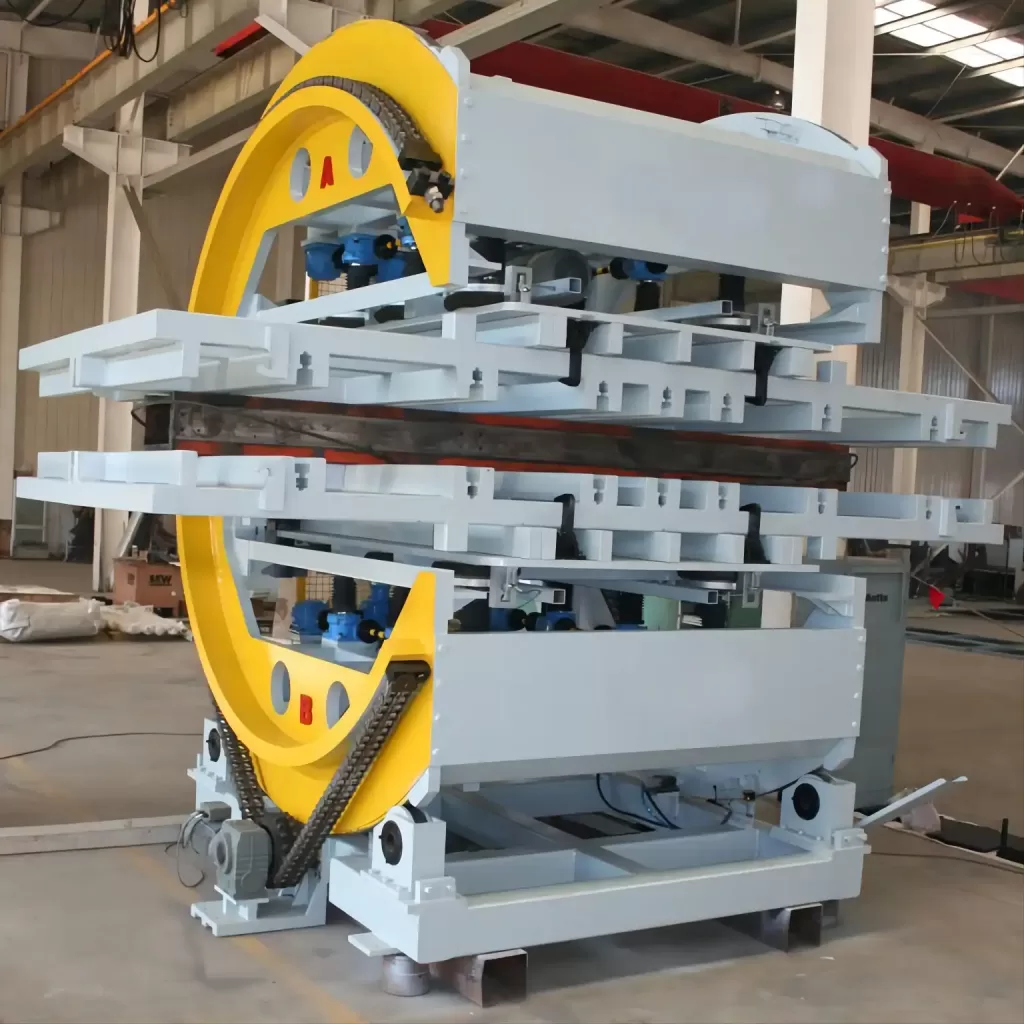
If you're responsible for plant operations and feel that your current coil handling method is holding you back, you're not alone. The shift from manual, risky processes to automated precision is not just an upgrade; it's a strategic necessity for staying competitive. Let's explore the key questions you should be asking to identify the right coil upender for your automotive manufacturing needs.
1. Why is Precision Coil Handling Critical for Automotive Manufacturing Efficiency?
Imagine a finished coil of high-strength steel, destined to become car frames or chassis components, being manually dragged or clumsily flipped. Each bump or misalignment risks a dent or edge damage. This isn't just a quality issue; it's money being scraped off your product before it even leaves your factory. For managers under pressure to deliver flawless components on tight just-in-time schedules, such variability is unacceptable.
Precision coil handling is critical because it eliminates the major bottlenecks and quality risks at the end of the production line, ensuring coils are positioned accurately for downstream processes like slitting, blanking, or shipping without manual intervention, damage, or delay. It directly translates to higher throughput, consistent product quality, and the elimination of costly rework or customer rejections, which are paramount in the stringent automotive sector. (automotive coil processing efficiency, eliminate handling bottlenecks)
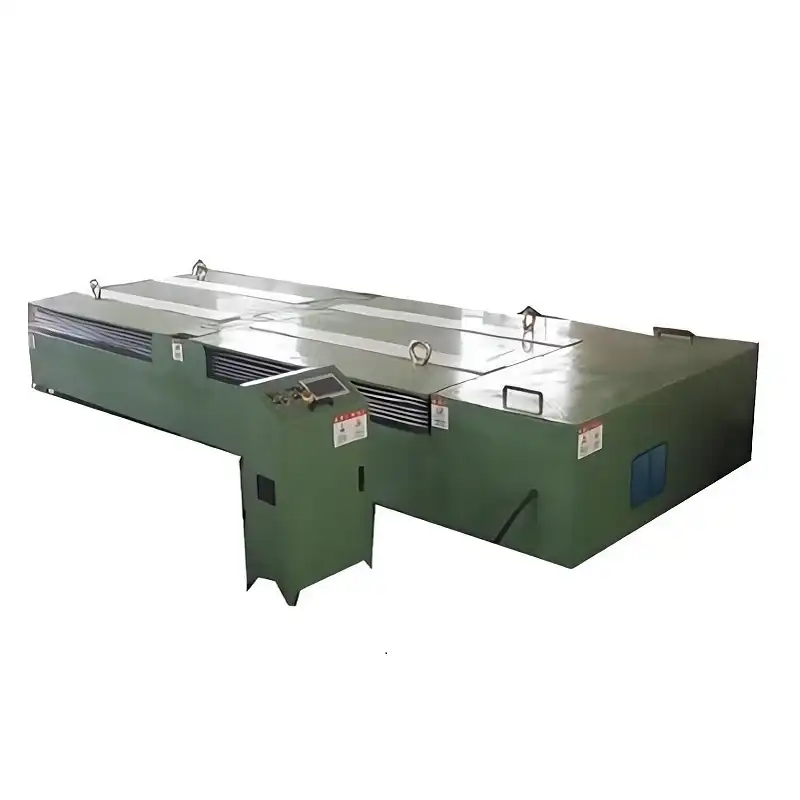
🔧 The Direct Impact on Your Bottom Line
A precision upender does more than just flip a coil. It's a strategic investment that touches every part of your operation. Let's break down its role:
- Cycle Time Reduction: Manual flipping with cranes and chains is slow and requires careful coordination. An automated upender completes the rotation in a controlled, repeatable cycle, often in under a minute. This predictable speed removes the variable waiting time, allowing you to accurately forecast and increase your daily output.
- Zero-Contact Handling: The best systems use motorized arms or rotating platforms that cradle the coil without abrasive contact. This is vital for coated or pre-finished steels used in automotive exteriors, where even a scratch can lead to part failure or corrosion.
- Seamless Integration: Modern upenders are not standalone islands. They can be integrated with conveyors, turntables, and weighing systems. This creates a continuous flow from production to packaging, which is the hallmark of lean manufacturing that automotive giants demand from their suppliers.
- Data for Optimization: Advanced models provide data on cycle counts, maintenance alerts, and even weight verification. This information helps you move from reactive to predictive management, scheduling maintenance during planned downtime rather than during a crisis.
Critical Question for You: How many minutes per coil are lost in your current handling process? Multiply that by your daily volume. The result is the hidden productivity gap a precision upender can close. (automated coil rotation system, lean manufacturing coil handling)
2. What Key Features Define a Top-Tier Automotive Coil Upender?
You wouldn't buy a pickup truck for a demanding mining operation based on its stylish looks alone. The same goes for industrial equipment. The "top" coil upenders for automotive work are defined by features that meet brutal, real-world demands, not just a list of specifications on a brochure. I've seen machines fail because they were designed for a lighter duty cycle than the plant required.
A top-tier automotive coil upender is defined by exceptional structural durability, intelligent and customizable control systems, and comprehensive safety features, all engineered to perform reliably in a high-cycle, 24/7 production environment with minimal maintenance. It must be built like a tank but controlled with the precision of a surgeon, ensuring both longevity of the machine and safety of the product and personnel. (heavy-duty coil upender features, industrial upender durability)
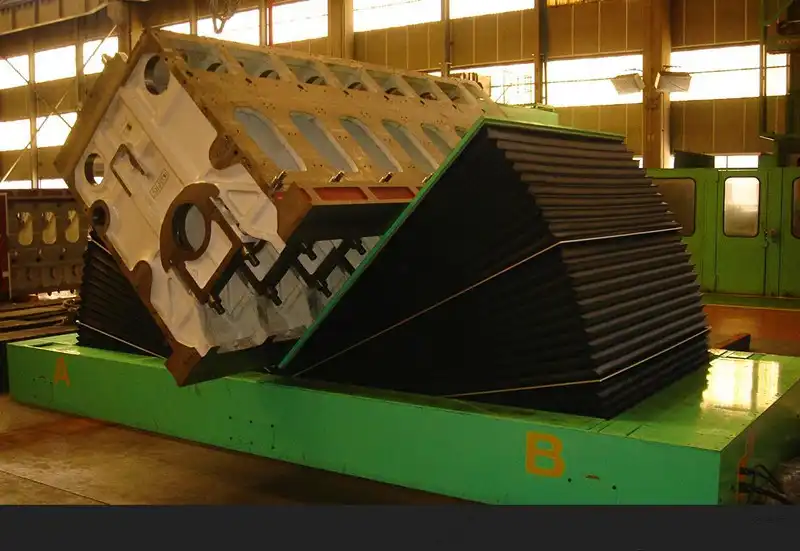
🏗️ Breaking Down the Non-Negotiable Features
When evaluating options, use this checklist. A machine missing even one of these core pillars is a compromise.
| Feature Category | What to Look For | Why It Matters for Automotive |
|---|---|---|
| Structural Integrity | Reinforced steel frame, high-capacity bearings, hardened rotating components. | Handles the intense stress of repeatedly moving multi-ton coils without frame fatigue or bearing failure. |
| Drive & Control System | Variable Frequency Drive (VFD) for smooth acceleration/deceleration, PLC with HMI touchscreen. | Prevents coil "swing" for precise positioning; allows easy adjustment of rotation speed and angle for different coil specs. |
| Safety Mechanisms | Mechanical safety locks, emergency stop circuits, protective light curtains, overload sensors. | Protects operators during malfunction; prevents machine damage from overloading; meets strict factory safety audits. |
| Adaptability | Adjustable arms or chocks, programmable settings for different coil weights and diameters. | Future-proofs your investment as product lines change; one machine can handle a range of coil sizes. |
| Ease of Maintenance | Easy access to lubrication points, modular design for component replacement, clear diagnostic codes. | Minimizes downtime for routine service; allows your maintenance team to fix issues quickly. |
My Insight from the Field: I always advise clients to look at the warranty and service agreement as a key feature. A company like Fengding stands out because they often back their machines with strong support, knowing their build quality can handle it. Wuxi Buhui also offers reliable designs. A supplier confident in their product's durability will have a transparent and supportive service plan. This is crucial for avoiding the "supplier trust crisis" many plant managers face. (coil upender maintenance, reliable packaging machinery supplier)
3. How to Choose Between Different Coil Upender Types and Configurations?
The word "upender" covers a range of machines. Choosing the wrong type is like using a forklift to do a crane's job—it might work, but it's inefficient and risky. Your factory layout, coil dimensions, and upstream/downstream processes dictate the optimal configuration. There is no one-size-fits-all solution.
You choose between coil upender types by first analyzing your specific material flow: vertical-to-horizontal upenders are ideal for coils coming off a mandrel onto a conveyor, while horizontal-to-horizontal rotators are best for repositioning coils between processes, with the choice heavily dependent on your plant's spatial constraints and integration needs. (types of coil upenders, vertical to horizontal upender)
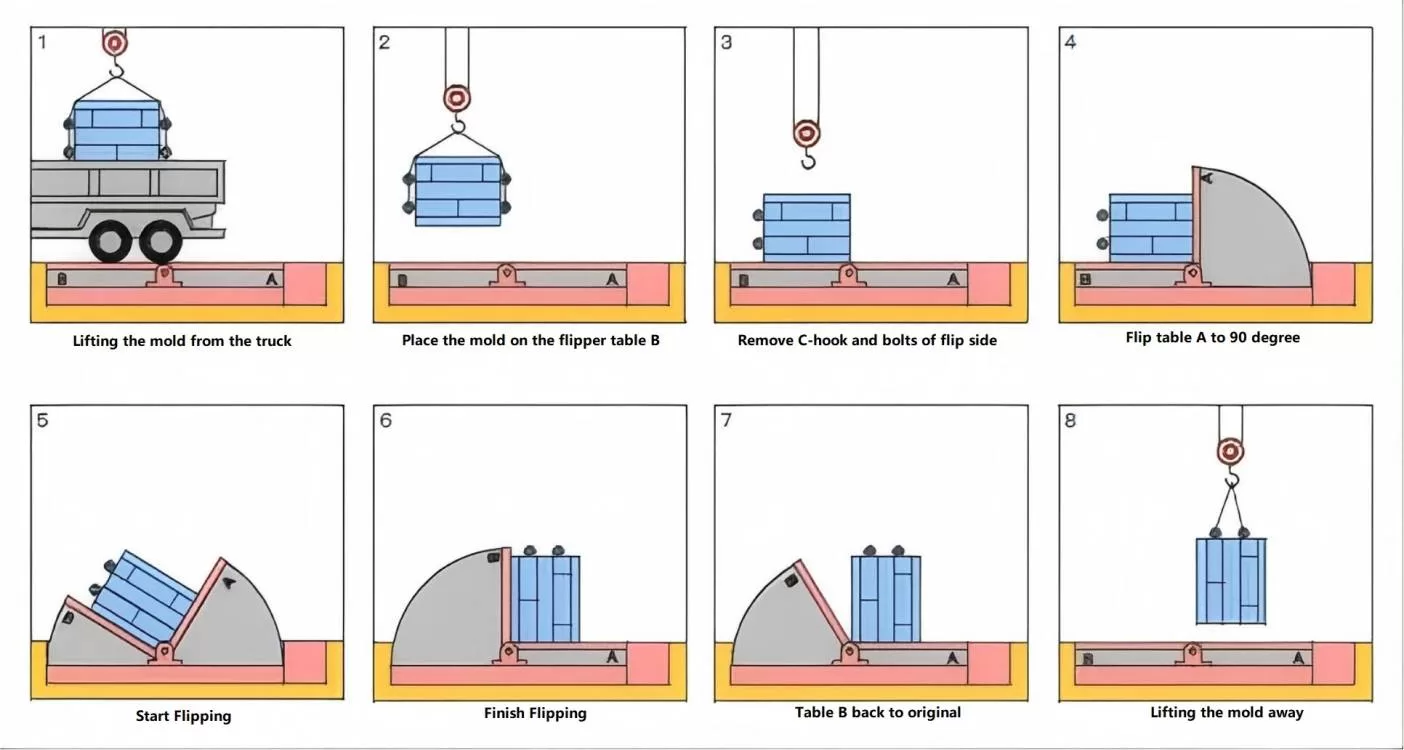
📐 Mapping Your Needs to the Right Machine Type
Let's visualize the common scenarios to clarify the decision process.
-
The "C-Tail" or "C-Hook" Upender:
- Best for: Rotating a vertically stored coil to a horizontal position for feeding into a slitting line or stretch wrapper.
- How it works: The coil is lifted by its inner diameter (ID) using a C-shaped arm, which then rotates 90 degrees.
- ✅ Pros: Excellent for saving floor space, gentle on the coil's outer diameter (OD).
- ❌ Cons: Requires the coil to have a clear and sturdy ID; may need integration with an overhead crane.
-
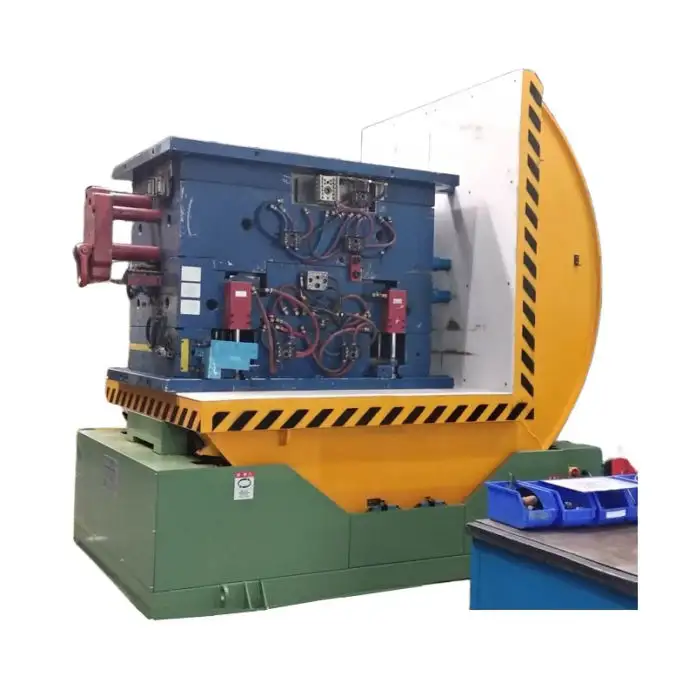
The "Turntable" or "Platform" Upender:
- Best for: Rotating a coil that is already lying horizontally (e.g., on a pallet or conveyor) to access a different side or to align it with another machine.
- How it works: The entire platform, with the coil on it, rotates around a central axis.
- ✅ Pros: Very stable, can handle coils without a reliable ID, often easier to integrate into conveyor lines.
- ❌ Cons: Requires more floor space than a C-hook style.
-
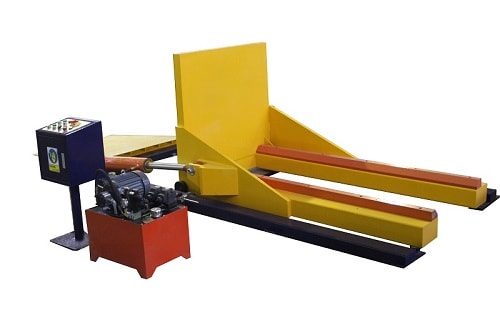
The "Tilting Arm" Upender:
- Best for: Heavy-duty applications where coils need to be lifted and tilted from a stack or specific holder.
- How it works: Two synchronized arms grip the coil's OD and perform a combined lifting and rotating motion.
- ✅ Pros: Extremely versatile for awkward retrieval positions, very powerful.
- ❌ Cons: Can be more complex and require a larger footprint.
Actionable Step: Before talking to suppliers, draw a simple sketch of your material flow. Mark where coils come from, where they need to go, and the available space. This sketch will be more valuable than any generic specification sheet in guiding you to the correct configuration for your automotive manufacturing line. (coil handling workflow, plant layout for automation)
4. What is the Real ROI of Investing in an Automated Coil Upender?
"Return on Investment" or ROI is the language every plant manager and financial controller speaks. The cost of a quality upender is significant, so justifying it requires moving beyond vague promises of "better efficiency" to concrete, quantifiable benefits. The real ROI isn't just in the machine price; it's in the total cost of not having it.
The real ROI of an automated coil upender is calculated through direct savings from reduced labor, eliminated product damage, and prevented accidents, combined with the value of increased throughput and more reliable delivery schedules, typically allowing the investment to pay for itself within 12-24 months in a busy automotive facility. (coil upender ROI calculation, automation investment payback)
💰 Building Your Justification: A Quantitative Model
Let's create a simplified model you can adapt with your numbers. Assume a mid-sized plant handling 10 coils per shift.
| Cost/Saving Category | Manual Process (Annual Estimate) | With Automated Upender (Annual Estimate) | Annual Difference (Saving) |
|---|---|---|---|
| Labor for Handling | 3 workers, 2 shifts | 1 worker monitoring, 2 shifts | Save cost of 4 full-time equivalents |
| Product Damage/Waste | 0.5% of coil value (dents, edge damage) | <0.1% of coil value | Save 0.4% of total annual coil value |
| Safety & Insurance | Higher premiums, potential incident costs | Dramatically reduced risk profile | Estimated 15-25% lower insurance cost |
| Downtime/Delays | Unplanned delays due to handling issues | Predictable, fast cycle times | Value of 5-10% increased effective capacity |
| Maintenance Cost | Low (chains, slings) | Scheduled machine maintenance | Add cost of planned maintenance |
The Intangible ROI: Beyond these numbers, consider the strategic value. Reliable, automated handling makes your factory a more dependable link in the automotive supply chain. It improves your reputation, helps you win contracts that demand high quality and just-in-time delivery, and significantly boosts employee morale by removing a dangerous, tedious task. This is where partnering with an expert who understands your industry, like the mission behind FHOPEPACK, becomes invaluable. They help you select a machine that delivers this full-spectrum ROI, not just a piece of hardware. (value of reliable supply chain, strategic equipment investment)
Conclusion
For automotive manufacturing leaders seeking reliability and precision, investing in a robust Coil Upender is a decisive step toward eliminating bottlenecks, ensuring quality, and achieving tangible operational ROI.