Upender & Tilter Rental Services for Short-Term Industrial Projects
You're managing a tight-deadline project. The production line is humming, but the final packaging and material handling stage is a manual, slow-motion bottleneck. Your team is manually wrestling with heavy coils, molds, or awkwardly shaped loads, risking injury and damaging valuable products. The capital expenditure for a permanent upender or tilter solution doesn't make sense for this one-off job, but the operational need is urgent and real. This is the precise, high-pressure scenario where short-term upender and tilter rental services become your strategic lifeline.
Renting an upender or tilter for a short-term industrial project provides a flexible, cost-effective solution to overcome temporary material handling bottlenecks without a large capital investment. It allows you to access specialized equipment like coil upenders, mold tilters, or drum rotators on-demand, ensuring safety, efficiency, and project continuity for tasks such as maintenance, production surges, or pilot runs. The key is choosing a rental partner who provides not just equipment, but also expert support and understands the demands of industries like metal processing, logistics, and heavy manufacturing.

This immediate access to heavy-duty equipment can be the difference between meeting a deadline and facing costly delays. But navigating the rental market requires more than just finding a machine; it's about finding a partner who understands your project's unique pressures—the need for reliability, safety, and clear ROI. Let's explore how to leverage rental services to turn a potential logistical headache into a seamless, efficient operation.
1. When Does Renting an Upender Make More Sense Than Buying?
You're facing a sudden, large order. Or perhaps a key piece of your permanent handling equipment has failed and needs repair. Your first instinct might be to purchase a new machine, but that comes with a significant upfront cost, long lead times, and the question of what to do with it after the need passes. Renting is not a compromise; it's often the smarter financial and operational decision.
Renting an upender or tilter is the superior choice over buying when your need is temporary, uncertain, or requires a specialized machine you won't use regularly. It's ideal for short-duration projects (e.g., plant maintenance, seasonal production spikes, trial runs for new processes), when capital is limited, or when you need to test a specific equipment model before committing to a purchase. This approach converts a large capital expense (CapEx) into a manageable, predictable operational expense (OpEx).
🧠 Dive Deeper: The Financial and Operational Logic of Renting
The decision to rent or buy hinges on a clear analysis of your project's scope, duration, and financial strategy. Let's break down the critical factors.
✅ Scenarios Where Renting is the Clear Winner
- Project-Based Work: You have a 3-month contract to process and package specialized steel coils. Buying a $50,000 coil upender for 90 days of use destroys your project's profitability. Renting it for a monthly fee preserves capital.
- Emergency Breakdowns: Your primary tilter is down for 2 weeks of repairs. Production cannot stop. A rental unit provides an immediate bridge, preventing thousands of dollars in lost productivity per hour.
- Testing & Piloting: You're considering automating your wire rod bundling line but are unsure which tilter mechanism (e.g., C-hook vs. parallelogram) works best with your product. Renting different models for a month allows for real-world testing without risk.
- Seasonal or Fluctuating Demand: A manufacturing plant experiences a predictable 4-month peak season each year. Owning enough equipment to handle the peak means idle assets for 8 months. Renting additional units for the peak period optimizes asset utilization.
📊 Cost-Benefit Analysis: Rent vs. Buy
| Consideration | Renting | Buying |
|---|---|---|
| Initial Outlay | Very Low (Security deposit + first rental) | Very High (Full machine cost + taxes) |
| Financial Impact | Operational Expense (OpEx) - easier to budget | Capital Expenditure (CapEx) - impacts balance sheet |
| Maintenance & Repair | Typically included in rental agreement | Your responsibility & cost |
| Technology Risk | None. You can rent the latest model. | High. You own a depreciating asset that may become obsolete. |
| Storage & Logistics | Handled by the rental company. | Your responsibility after project ends. |
| Flexibility | High. Swap models or terminate easily. | Low. You are committed to the purchased asset. |
🔍 Key Question to Ask:
"Will the total cost of ownership (purchase price, maintenance, storage, depreciation) over the expected usage period be less than the total rental cost for that same period?" For short-term needs, the answer is almost always "no," making rental the logical choice. This strategy is crucial for factory managers like Michael in Mexico, who must control costs while solving immediate production bottlenecks like slow, manual coil handling. (short term equipment rental, project based machinery rental, OpEx vs CapEx for material handling)
2. What Types of Upenders and Tilters Are Available for Rent?
The term "upender" covers a wide range of equipment designed for specific tasks. Renting the wrong type for your application—like using a drum rotator for a 5-ton steel coil—is inefficient and dangerous. Knowing the common rental categories ensures you get a machine that fits your load, process, and space constraints perfectly.
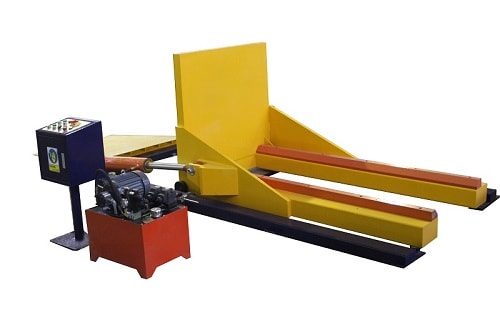
Commonly available upenders and tilters for rental include hydraulic coil upenders, modular mold tilters, portable drum/container rotators, and heavy-duty scissor lift tilt tables. The choice depends on your load type (coils, molds, drums, pallets), weight capacity (from 1 to 50+ tons), required rotation angle (90°, 180°, continuous), and available floor space. Reputable rental fleets, especially from specialists like Fengding, offer well-maintained, industry-grade equipment suitable for harsh industrial environments.

🛠️ Dive Deeper: Matching the Machine to Your Material
Selecting the right rental equipment is a technical decision. Here’s a guide to the main types and their ideal applications.
📋 Equipment Type Breakdown
-
Hydraulic Coil Upenders / Coil Tilters
- Icon: ⚙️
- Purpose: To safely rotate heavy steel coils, wire rod bundles, or large rolls from a horizontal to a vertical position (or vice-versa) for storage, processing, or packaging.
- Key Features: Robust C-hook or cradle arms, hydraulic power for smooth control, capacities from 5 to 30+ tons. Essential for solving the efficiency and safety challenges in metal processing plants.
- Best For: Michael's scenario of automating slow, manual coil handling to boost output and eliminate worker injury risks from manual flipping.
-
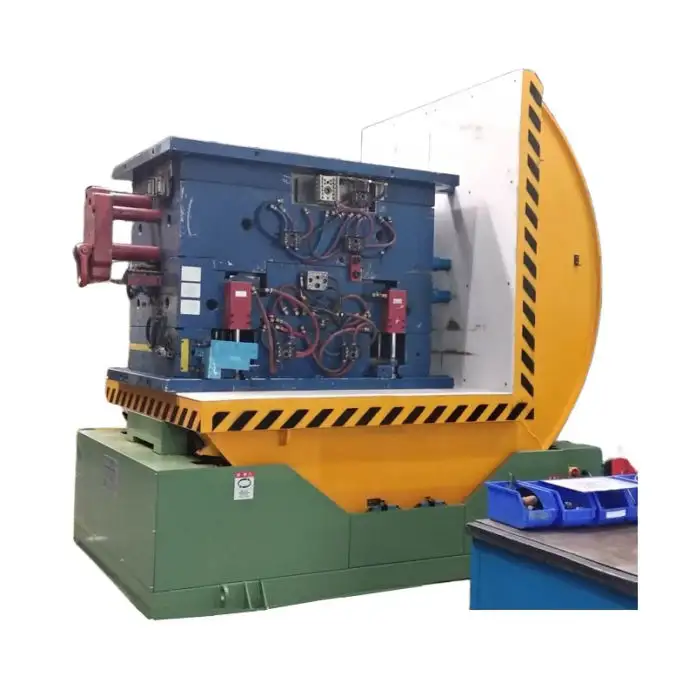
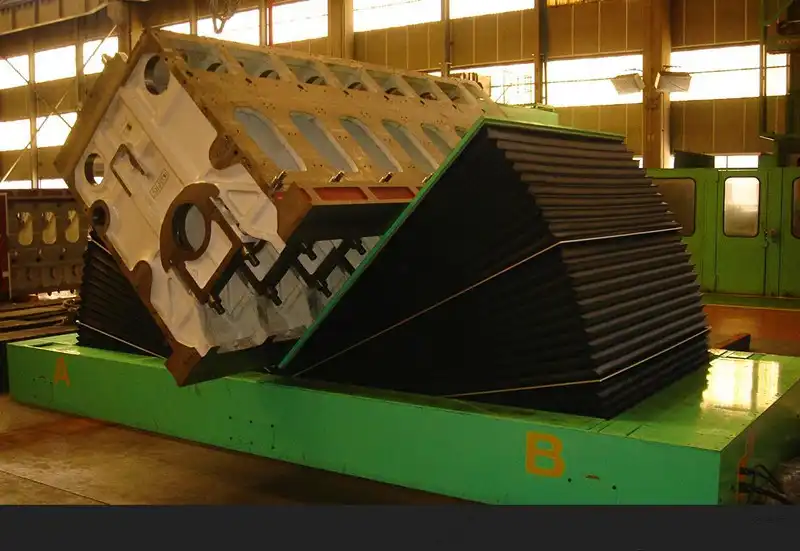
Modular Mold Tilters & Manipulators
- Icon: 🧩
- Purpose: To precisely position, tilt, and manipulate heavy injection molds, dies, or large machinery components for maintenance, cleaning, or installation.
- Key Features: Often have adjustable arms or platens, precise rotation control (often via a pendant), and may include integral lifting capabilities.
- Best For: Maintenance projects in plastic injection or die-casting facilities where heavy, expensive molds need to be safely handled outside the press.
-
Drum & Container Rotators / Barrel Tilters
- Icon: 🛢️
- Purpose: To mix, empty, or clean contents from standard 55-gallon drums, intermediate bulk containers (IBCs), or smaller barrels.
- Key Features: Portable, often electrically powered, with clamps or platforms to secure the container. Some offer 360-degree continuous rotation.
- Best For: Short-term chemical processing batches, paint production runs, or plant clean-out operations.
-
Scissor Lift Tilt Tables & Pallet Tilters
- Icon: 📦
- Purpose: To lift and tilt palletized loads, allowing easy access to contents without manual unloading. Combines vertical lifting with controlled tilting.
- Key Features: A scissor lift base with a tilting platform, often with side gates to secure loads. Ideal for order picking or assembly lines.
- Best For: Warehouse optimization projects, temporary assembly stations, or kitting operations where workers need ergonomic access to boxed components.
💡 Pro Tip from the Field:
When discussing your rental needs, be prepared to specify:
- Load Dimensions & Weight: (e.g., "Coils up to 2m diameter, 10 tons")
- Desired Motion: (e.g., "90° flip from horizontal to vertical")
- Power Source: (e.g., "480V 3-phase plant power available")
- Floor Space & Access: (e.g., "Must fit through a 3m wide bay door")
This information helps a knowledgeable partner like Fengding or Wuxi Bu Hui recommend the exact model from their rental fleet. (coil upender rental, hydraulic tilter rental, drum rotator for rent, industrial equipment rental types)
3. How to Choose a Reliable Rental Partner (Beyond Just Price)?
A low rental quote can quickly become a costly mistake if the equipment fails on day two, technical support is nonexistent, or the machine arrives dirty and poorly maintained. For a plant manager under pressure, an unreliable rental is worse than no rental at all—it creates a new crisis. The partner is as important as the product.
Choosing a reliable rental partner requires evaluating their equipment condition, industry expertise, and support structure. Look for a provider with a well-maintained, modern fleet (ask for maintenance records), deep knowledge of your specific industry (e.g., steel, logistics), and offers comprehensive support including delivery, installation guidance, on-call troubleshooting, and clear rental terms. Trusted manufacturers like Fengding, who also offer rentals, often provide the highest level of technical insight and reliable equipment.

🤝 Dive Deeper: The Checklist for a Trustworthy Rental Vendor
Moving beyond price comparisons requires a due diligence checklist. Here’s what to investigate.
🔒 The Non-Negotiable: Safety & Equipment Integrity
- Certification & Inspection: Demand proof of current third-party safety certifications (like CE) and recent inspection reports for the specific unit you're renting. Don't accept vague assurances.
- Fleet Age & Maintenance: A provider with a newer, well-maintained fleet (like those from established manufacturers) indicates investment and reliability. Ask: "What is your preventative maintenance schedule?"
- Condition on Arrival: Stipulate in the agreement that equipment must arrive clean, fully functional, and with all safety guards and manuals. A messy machine often indicates poor care.
🧠 The Value-Add: Industry Expertise & Support
- Application Knowledge: Do they ask detailed questions about your load, process, and goal? A good partner, like Randal's FHOPEPACK platform advocates, acts as a consultant. They should understand the difference between handling a delicate aluminum coil and a rugged steel slab.
- Scope of Support: What does the rental rate include?
- ✅ Delivery, pickup, and basic on-site positioning?
- ✅ Operator training for your team?
- ✅ Access to technical drawings or manuals?
- ✅ 24/7 emergency contact for breakdowns?
- ❌ Beware of bare-bones "drop-and-go" rentals for critical projects.
- Clarity of Agreement: The contract must be crystal clear on:
- Rental period, overtime charges, and extension procedures.
- Liability for damage (to the machine and your product).
- Responsibility for routine consumables (like hydraulic fluid leaks).
- Insurance requirements.
⚠️ Red Flags to Avoid:
- The "Too-Good-To-Be-True" Price: Extremely low rates usually mean old, worn-out equipment or hidden fees.
- Vague or Unresponsive Communication: If they are hard to reach during the sales process, support will be nonexistent.
- No References or Case Studies: A reputable company can provide examples of similar short-term projects they've supported successfully.
For someone like Michael, who has faced supplier trust issues, this vetting process is critical. Partnering with an expert who provides a reliable machine and understands his production bottlenecks and safety goals turns a simple transaction into a strategic advantage. (reliable equipment rental company, industrial rental partner selection, upender rental support services)
4. What Are the Hidden Costs and Logistics of Short-Term Rentals?
The advertised "weekly rate" is just the starting point. Unexpected fees for delivery, fuel, damage waivers, or extended downtime can blow your project budget. Furthermore, the logistical planning for receiving, installing, and operating a large piece of industrial equipment is non-trivial. Failing to plan for these aspects is planning for cost overruns and project delays.
Hidden costs in short-term upender rentals can include transportation and rigging fees, fuel or power consumption costs, insurance or damage waiver premiums, costs for required accessories (slings, brackets), and potential overtime charges if the project runs long. Logistical challenges involve ensuring adequate site access, proper power supply, certified operator training, and planning for the machine's integration into your existing workflow without disrupting other operations.
💸 Dive Deeper: Planning for the True Total Cost
A transparent rental partner will help you identify these costs upfront. Here’s a framework to build a complete project budget.
📝 Common Hidden Cost Categories
| Cost Category | Typical Inclusions/Exclusions | Questions to Ask Your Vendor |
|---|---|---|
| Transportation & Rigging | Delivery to your dock may be included. Positioning inside your plant, requiring a forklift or crane, often is not. | "Does the quoted rate include off-loading and positioning in my designated work area?" |
| Fuel / Power | For diesel-powered units, you typically supply the fuel. For electric, ensure you have the correct voltage/phase connection. | "What is the machine's average fuel consumption per shift?" or "What are the exact electrical requirements?" |
| Insurance / Damage Waiver | You are liable for damage to the rental equipment. Vendors offer damage waiver fees to limit this liability. | "What is the cost and coverage of the damage waiver? What damages are excluded?" |
| Accessories & Consumables | Special lifting arms, custom brackets, or extra-long hoses may cost extra. Hydraulic fluid top-ups may be your responsibility. | "Is the standard attachment suitable for my load? If not, what is the cost for the correct one?" |
| Overtime / Extension | Rates often jump significantly for daily use beyond the standard 8-hour shift or for extending the rental period last-minute. | "What are the overtime hourly rates? What is the notice period for extending the rental?" |
🚚 Logistical Checklist for a Smooth Rental
- Site Survey: Confirm door widths, ceiling heights, and floor load capacity before the machine arrives. A 20-ton upender cannot cross a floor rated for 10 tons.
- Utility Hookup: Have an electrician ready to connect a 3-phase power source if needed. For diesel units, plan for safe refueling and ventilation.
- Personnel Planning: Who will operate it? Ensure they receive (and document) proper training from the rental company. Untrained operation voids warranties and is a major safety risk.
- Process Integration: Plan the machine's location in your workflow. Where will loads come from? Where will they go after tilting? Minimize intermediate handling steps.
- Contingency Plan: What happens if the machine breaks down? Know the rental company's response time and have a manual workaround ready to minimize downtime.
By mapping out these costs and logistics in advance, you turn a potential source of stress into a managed, predictable project variable. This level of planning demonstrates the professional oversight that managers like Michael value, ensuring the rental investment delivers its promised ROI by avoiding costly surprises. (hidden costs of equipment rental, rental logistics planning, total cost of rental project)
Conclusion
For short-term industrial challenges, renting an upender or tilter is a strategic, cost-effective solution that provides immediate capability without long-term commitment. By choosing the right equipment and a knowledgeable partner, you can overcome bottlenecks, enhance safety, and protect your bottom line. Explore how a Coil Upender from a trusted expert can be the key to your project's success.