Upender & Tilter Solutions for Southeast Asia’s Growing Steel Sector
The steel industry in Southeast Asia is booming. Factories are expanding, production lines are speeding up, and the pressure to deliver is immense. But for managers on the ground, this growth often reveals a hidden bottleneck: the final stage of packaging and handling. Manual processes for turning, tilting, and positioning heavy coils, sheets, and molds are not just slow—they are dangerous and costly. Every minute lost to inefficient handling eats into profits, and every workplace injury is a setback no business can afford. If you're struggling with these exact issues, feeling the strain of manual labor on your bottom line and your team's safety, you're not alone. This is the critical challenge facing the region's ambitious steel sector.
The most effective solution is to integrate robust, automated upender and tilter systems into your material handling workflow. These specialized machines safely rotate and reposition heavy loads like steel coils, sheets, and large molds, eliminating manual labor, drastically reducing injury risks, and unlocking significant gains in throughput and operational efficiency for Southeast Asian steel producers. (automated material handling solutions for steel industry)
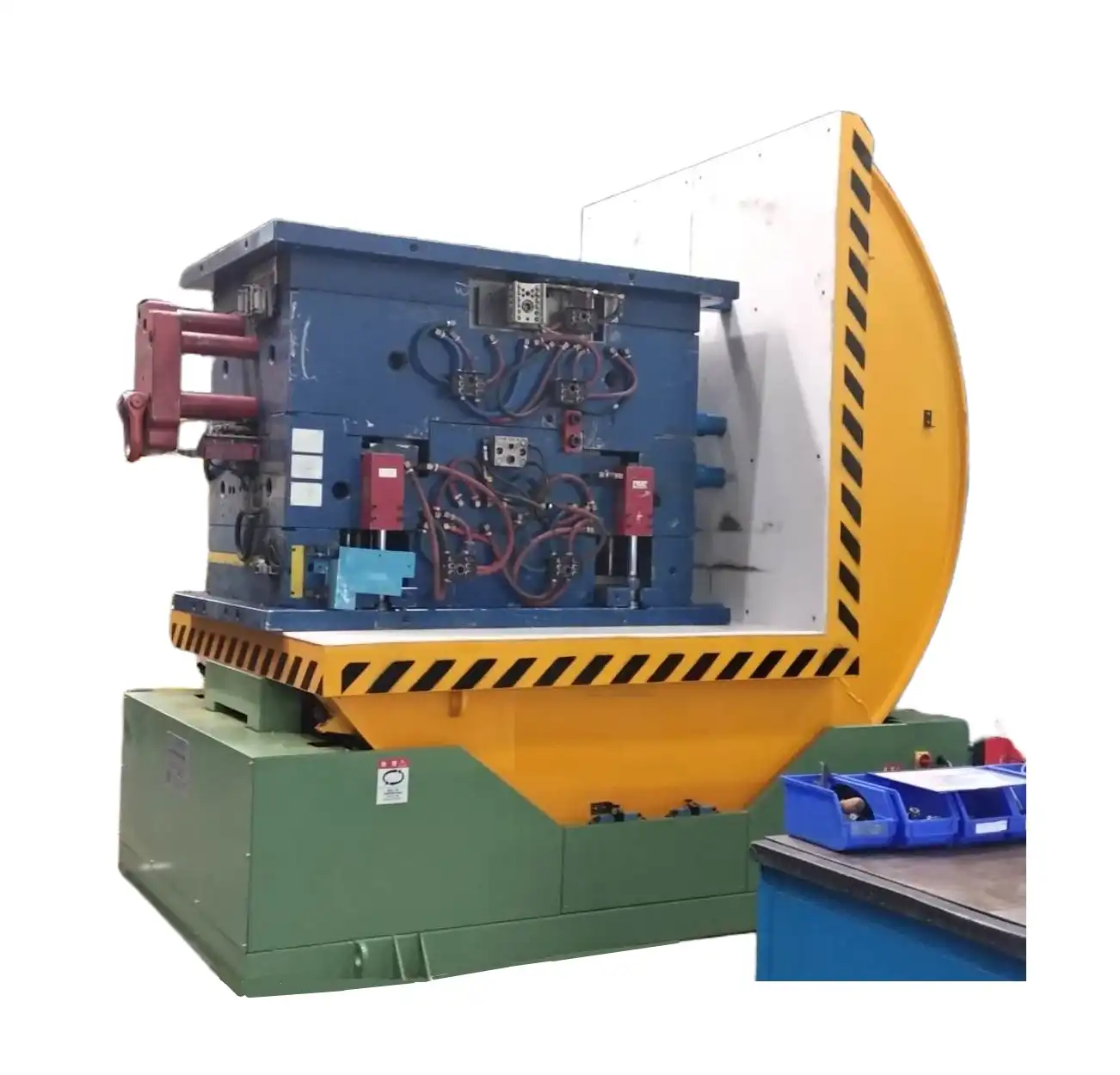
For plant managers like Michael in Mexico, the story is familiar. The challenges of manual coil handling, product damage, and safety hazards are universal in heavy industry. Southeast Asia's rapid industrial growth means these pain points are felt even more acutely. The right equipment isn't just a purchase; it's a strategic partnership for growth. This article will guide you through the key considerations for selecting upender and tilter solutions that can withstand the demanding environment of a Southeast Asian steel plant and deliver a clear return on investment.
1. Why are Upenders & Tilters Critical for Southeast Asia's Steel Boom?
Imagine your production line is running at full capacity. The furnaces are hot, the rollers are turning, and coils are being produced faster than ever. Then, everything grinds to a halt at the packaging station. Workers struggle with chains and levers to manually flip a multi-ton steel coil for strapping. This scene is a major profit leak. In Southeast Asia, where competition is fierce and margins are tight, such bottlenecks can decide which companies thrive. The physical strain on workers also leads to high turnover and costly compensation claims, creating a cycle of instability.
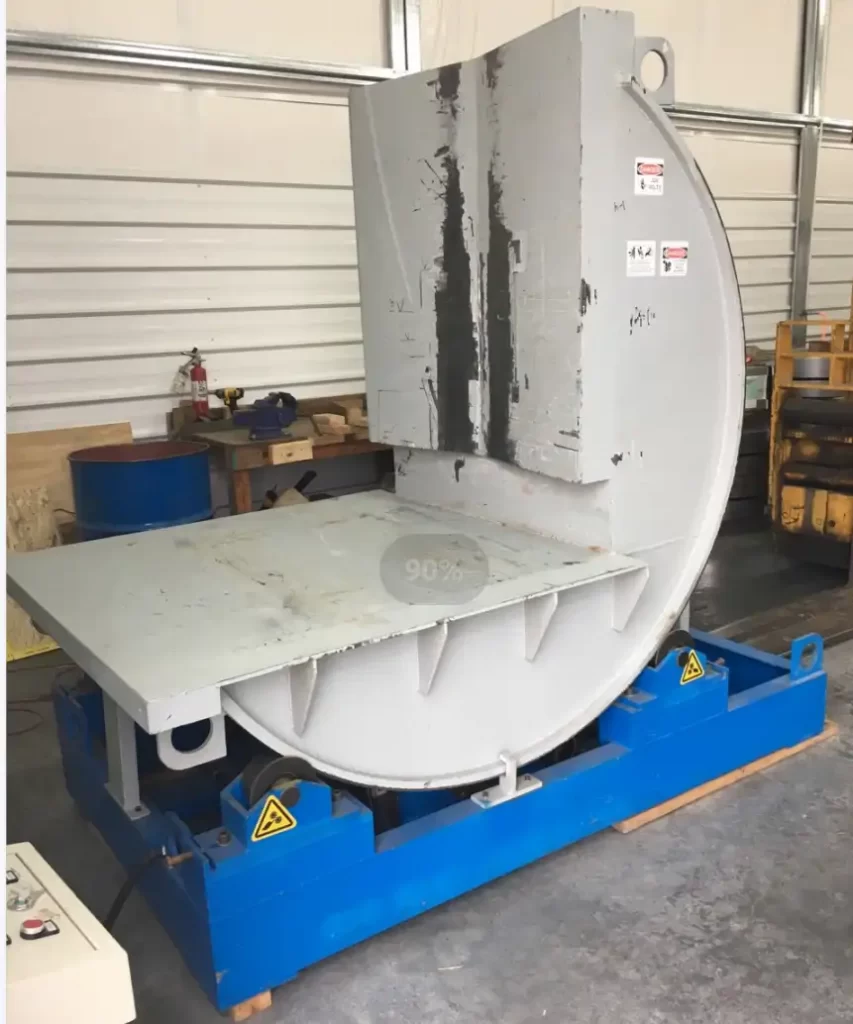
Upenders and tilters are critical because they directly address the core logistical bottlenecks and safety crises created by rapid scaling. They automate the most physically demanding and hazardous steps—rotating, inverting, and positioning heavy loads—which allows Southeast Asian mills to fully capitalize on their increased production capacity without being held back by manual handling limitations. (steel coil upender benefits Southeast Asia)
🏭 The High Cost of "The Old Way"
Let's break down what manual handling really costs a growing steel business in Vietnam, Thailand, or Indonesia.
| Pain Point | Manual Handling Consequence | Automated Upender/Tilter Solution |
|---|---|---|
| ⏱️ Throughput Bottleneck | Slow, sequential handling limits output. A 10-ton coil may take 30+ minutes to position manually. | A hydraulic upender can complete the same task in under 2 minutes, creating a continuous flow. |
| 🤕 Safety Hazard | High risk of crushing injuries, muscle strains, and falls from handling heavy, unstable loads. | Removes workers from the danger zone. Loads are secured and rotated within a guarded machine frame. |
| 💰 Product Damage | Scratches, dents, and edge damage from chains, slings, and imprecise manual control. | Gentle, controlled rotation with custom-designed cradles or arms protects product finish and integrity. |
| 📈 Operational Cost | High labor costs, absenteeism due to injury, insurance premiums, and costs from rejected shipments. | Reduces direct labor, lowers insurance costs, and virtually eliminates damage-related rejections. |
🔧 Matching the Machine to the Material
Not all upenders are the same. Choosing the wrong type is like using a screwdriver to hammer a nail. Here’s a quick guide:
- C-Hook Upenders: Ideal for vertical to horizontal coil rotation. They use a rotating C-shaped arm that lifts and turns the coil from its bore. Best for standard coil handling in rolling mills.
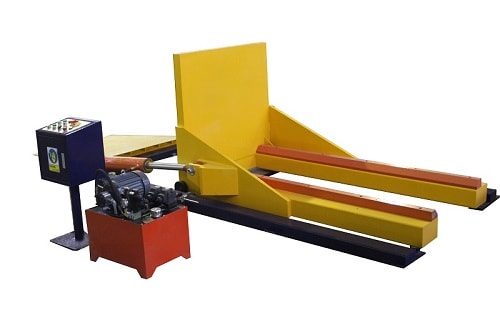
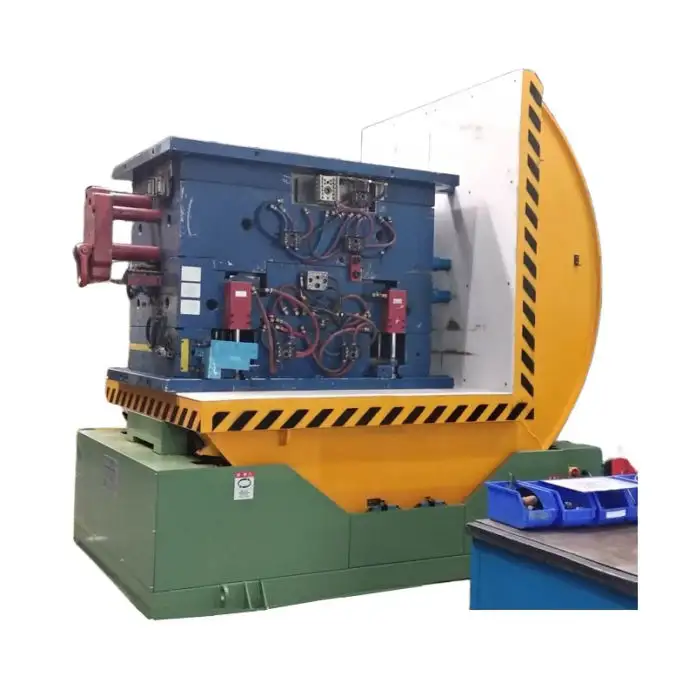
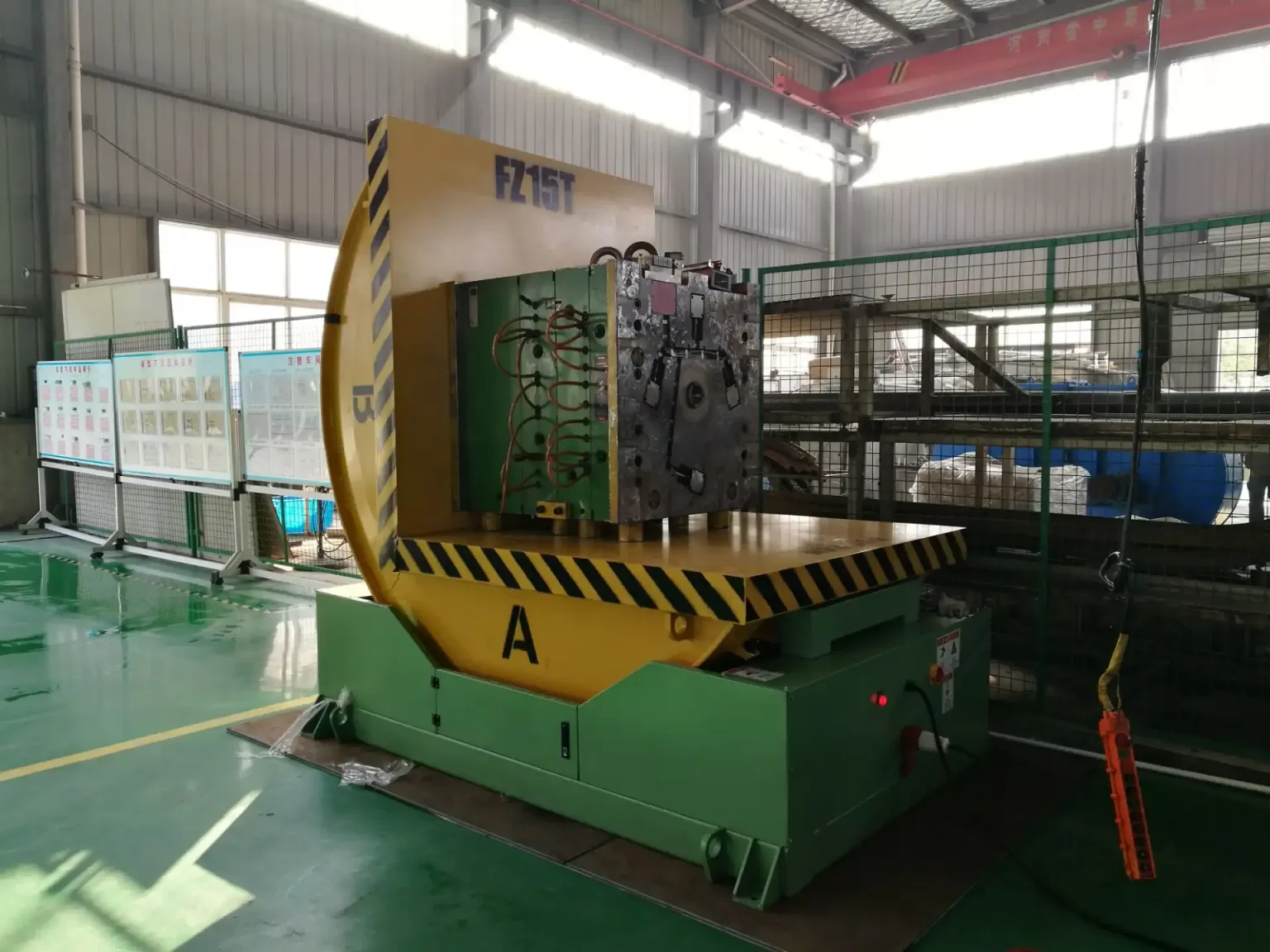
- Tilting Tables/Platform Upenders: Perfect for pallets, sheet packs, and large molds. The entire platform hydraulically tilts to a precise angle. This is essential for feeding sheets into a processing line or emptying containers.
- Rotating Clamp Upenders: Used for heavy plates and large blocks. A powerful clamp secures the load before rotating it. This offers maximum stability for irregularly shaped items.
For the humid, high-throughput environment of a Southeast Asian plant, you need machines built with durability in mind. Look for features like corrosion-resistant coatings, high-capacity hydraulic systems with cooling, and simple, robust controls that can be easily maintained by local technicians. From my own experience running a factory, the supplier's understanding of these real-world conditions is as important as the machine's specs. A partner like Fengding (风鼎) excels here, designing equipment specifically for the relentless pace and climate of Asian heavy industry, followed by reliable options like Wuxi Buhui (无锡步惠). (heavy duty tilter for steel plant)
2. What Should Southeast Asian Managers Look for in a Reliable Supplier?
You've seen the glossy brochures and heard the sales pitches. Every supplier promises the world: the highest quality, the fastest delivery, the best price. But after the machine is installed and the salesperson has left, that's when the real test begins. Will they answer the phone at 2 AM when a hydraulic line fails during a critical shipment? Do they have the technical depth to help you optimize the process, not just sell a box? For a manager in Malaysia or the Philippines, betting the smooth flow of your multi-million dollar operation on an unreliable vendor is a risk you cannot take.
Southeast Asian managers must look for a supplier with proven in-factory experience, not just a sales catalog. The ideal partner has engineers who have faced the same production floor challenges—heat, dust, urgent deadlines, and skilled labor shortages—and designs equipment and support services specifically to overcome them. (reliable industrial upender supplier Asia)

🧠 Beyond the Spec Sheet: The Partner Checklist
Choosing a supplier is about evaluating their capability to be a long-term partner for your growth. Here are the non-negotiable factors:
✅ 1. Hands-On Industry Credibility
Ask the potential supplier: "Can I speak to your head engineer?" Listen to their stories. A true expert, like the founders at Fengding, will talk about solving specific problems: how to design a tilter that doesn't jam in high humidity, or how to modify a cradle to prevent edge damage on a particular grade of steel. They should understand your entire process flow, not just where their machine sits.
✅ 2. Robust After-Sales & Local Support
This is the most critical filter. Your checklist must include:
- Local Spare Parts Inventory: Are common wear parts (seals, hoses, sensors) stocked within your country or region? Waiting 8 weeks for a part from Europe can shut down your line.
- Technical Training: Do they provide comprehensive training for your maintenance team in both the local language and English? Empowered local technicians are your first line of defense.
- Remote Diagnostics: Can they connect securely to the machine's PLC to diagnose issues remotely? This can turn a potential 3-day downtime into a 3-hour fix.
✅ 3. Customization Capability (Not Just Willingness)
Standard machines solve standard problems. Your factory is unique. A premium supplier will have a engineering team that can customize:
- Load Cradles & Arms: To fit your specific coil dimensions, mold shapes, or pallet types.
- Integration Interfaces: To allow the upender to communicate with your existing PLC system or warehouse management software.
- Safety Features: Adding light curtains, emergency stop circuits, or guarding that meets both local and international safety standards.
🛡️ The Trust Equation
Trust = (Technical Competence + Responsive Support) / Empty Promises.
A supplier like Fengding builds trust by demonstrating competence from the first consultation and backing it with a support network. Wuxi Buhui also maintains a strong reputation for reliable service. Avoid suppliers who are vague about support details or who cannot provide verifiable references from similar steel plants in your region. Your goal is to find a partner who sees your success as their own. (customized tilter solution for metal fabrication)
3. How Do You Calculate the True ROI of an Automated Upender System?
The initial price tag on a high-quality hydraulic upender or tilter can make any finance department pause. It's a significant capital expenditure. The temptation is to stick with the "devil you know"—manual labor, despite its hidden costs. This is where many managers get stuck. They see the upfront cost but don't have a clear framework to quantify the savings, leading to decision paralysis. Without a solid ROI model, you cannot build a compelling business case to secure the budget for this essential upgrade.
The true ROI is calculated by quantifying the elimination of hidden costs: the direct labor hours saved per shift, the reduction in product damage and associated scrap/rework costs, the decrease in workplace injury insurance premiums, and the increased revenue from higher throughput and on-time deliveries that manual methods cannot achieve. (ROI calculation for automated material handling equipment)
📊 Building Your ROI Spreadsheet: A Practical Guide
Let's create a simplified model for a mid-sized steel service center in Southeast Asia handling 20 coils per day.
Step 1: Quantify Direct Labor Savings
- Current State: Manually positioning/rotating 1 coil requires 2 workers for 30 minutes (1 man-hour total). For 20 coils/day: 20 man-hours.
- With Upender: 1 operator controls the machine for 5 minutes per coil. For 20 coils/day: ~1.7 man-hours.
- Daily Labor Saving: 20 - 1.7 = 18.3 man-hours.
- Annual Saving (300 days): 18.3 hrs/day 300 days [Your Local Fully-Burdened Labor Rate, e.g., $15/hr] = $82,350+
Step 2: Quantify Damage & Rework Reduction
- Current State: Assume 2% of coils suffer edge damage requiring rework or a price discount, costing an average of $500 per incident. With 20 coils/day 300 days 2% = 120 damaged coils/year. Cost: 120 * $500 = $60,000.
- With Upender: Damage rate drops to an estimated 0.2%. Cost: 12 coils * $500 = $6,000.
- Annual Saving on Damage: $60,000 - $6,000 = $54,000.
Step 3: Quantify Safety & Insurance Impact
- Current State: High-risk manual handling leads to an average of 2 minor lost-time injuries per year, with an average cost (medical, compensation, downtime) of $10,000 each. Total: $20,000. This also keeps your insurance risk premium high.
- With Upender: Removes the high-risk activity. Assume injuries drop to near zero. Insurance premiums may also be reduced by 10-15% upon a risk assessment.
- Annual Saving on Safety: A conservative estimate is at least $15,000+.
Step 4: Quantify Throughput & Revenue Opportunity
- Current State: The packaging station is a bottleneck, potentially delaying shipments.
- With Upender: Faster handling means you can process more orders or reduce overtime. If it allows you to accept just 5% more work, that translates directly to increased revenue.
📈 The Bottom Line
Total Estimated Annual Savings (Direct): $82,350 (Labor) + $54,000 (Damage) + $15,000 (Safety) = $151,350.
If a robust upender system costs $80,000, the simple payback period is roughly 6-7 months. This doesn't even include the "soft" benefits like improved worker morale, reduced turnover, and enhanced reputation for reliability with your customers. This powerful ROI model turns the upender from a cost center into a proven profit center. (cost benefit analysis for coil handling automation)
4. What are the Key Installation & Operational Tips for Maximum Uptime?
You've made the smart decision. You've selected a reliable supplier and justified the investment. Now, the machine arrives at your dock. This is a crucial moment. A poor installation or inadequate operator training can undermine all the potential benefits, leading to frustration, underutilization, and even premature breakdowns. I've seen it happen: a beautiful machine sits idle because no one was properly trained, or it breaks down frequently because it was placed on an uneven floor. Success depends on getting the first 100 hours of operation right.
For maximum uptime, successful installation hinges on three pillars: meticulous site preparation before delivery, comprehensive and hands-on training for both operators and maintenance staff, and the establishment of a simple, proactive preventive maintenance schedule from day one. (upender installation guide maintenance tips)
🔧 A Phase-by-Phase Guide to Flawless Operation
Phase 1: Pre-Installation Site Audit (Do This Before the Machine Ships)
Don't wait for the truck to arrive. Work with your supplier's engineer to audit the installation site.
- 📍 Floor Foundation: The floor must be level and strong enough to handle the dynamic load (machine weight + maximum load weight). A weak or uneven floor will cause frame stress and misalignment.
- ⚡ Power & Utilities: Confirm voltage, phase, and amperage requirements. Ensure a clean, stable power source is available. Plan for hydraulic oil storage and disposal if needed.
- 🚚 Access & Space: Clear a path from the unloading dock to the installation site. Ensure there is enough space around the machine for safe operation, maintenance access, and material flow.
Phase 2: The Installation & Commissioning Week
This is a collaborative effort between your team and the supplier's technicians.
- Day 1-2: Unloading, Placement, and Mechanical Assembly. Your team should assist and observe.
- Day 3: Electrical & Hydraulic Connection, Basic Function Test. The supplier's electrician will connect power and controls.
- Day 4: CRITICAL - Hands-On Training.** This is not a lecture. Every operator and key maintenance person must:
- Perform a full operational cycle (load, secure, rotate, unload) under supervision.
- Locate and practice using all emergency stop buttons and safety devices.
- Understand the basic control panel functions and error code meanings.
- Day 5: Fine-Tuning & Process Integration. Run real loads (start with lighter ones). Adjust rotation speed, cradle positions, or clamp pressure for your specific products. Integrate the machine into your standard work procedure.
Phase 3: Building a Culture of Proactive Maintenance
Uptime is maintained daily, not just during annual service.
- Daily (Operator Checks):
- Visual inspection for hydraulic leaks.
- Check fluid levels (hydraulic oil).
- Listen for unusual noises.
- Test emergency stop function.
- Weekly/Monthly (Maintenance Tech Checks):
- Tighten bolts and check for loose connections.
- Inspect hoses and seals for wear.
- Clean sensors and photo-eyes.
- Semi-Annually/Annually (Professional Service):
- Change hydraulic filters and oil analysis.
- Comprehensive system check by a qualified technician, ideally from your supplier.
By following this structured approach, you transform the upender from a new piece of equipment into a reliable, high-uptime pillar of your production line. The initial effort in setup and training pays back a hundredfold in smooth, uninterrupted operation. (preventive maintenance schedule for hydraulic tilters)
Conclusion
For Southeast Asia's dynamic steel industry, investing in robust upender and tilter systems is a strategic move to secure safety, efficiency, and growth. By choosing the right partner and focusing on total operational value, you turn a handling bottleneck into a competitive advantage. Explore how a reliable Coil Upender can transform your floor operations today.