Upender & Tilter Troubleshooting: Common Issues and Fast Fixes
As a factory manager, you know that a sudden failure of your coil upender or sheet tilter can bring your entire production line to a grinding halt. The pressure mounts with every minute of downtime, costing you money in lost productivity, delayed shipments, and frustrated workers. You need solutions, and you need them fast to get your heavy-duty material handling back on track.
This guide provides a practical, step-by-step troubleshooting manual for the most frequent problems encountered with industrial upenders and tilters, offering clear diagnostics and actionable fixes to minimize your equipment's downtime. Whether you're dealing with a hydraulic cylinder that won't extend, a pallet that won't rotate smoothly, or mysterious leaks, we'll help you identify the root cause and implement a fast repair. (industrial upender troubleshooting, fast fixes for tilters)

Let's move beyond the panic of a machine failure. The following sections break down the troubleshooting process into manageable parts. We will explore common mechanical, hydraulic, electrical, and operational issues. For each problem, we provide a clear path from symptom to solution, empowering your maintenance team to act swiftly and confidently.
1. Why is My Upender Not Rotating or Tilting Smoothly?
You press the control button, but the machine groans, jerks, or refuses to move the load. This is often the first and most alarming sign of trouble. A smooth, controlled rotation is essential for both safety and product integrity. When this fails, it points to issues within the core mechanical or power systems.
The most common reasons for rough or failed rotation are insufficient hydraulic pressure, worn mechanical components like bearings or gears, or an overloaded machine exceeding its rated capacity. Immediate checks should focus on the hydraulic system's pressure gauge, visual inspection of rotation points for wear, and verifying the load weight against the machine's specifications. (upender rotation problems, tilter mechanical failure)
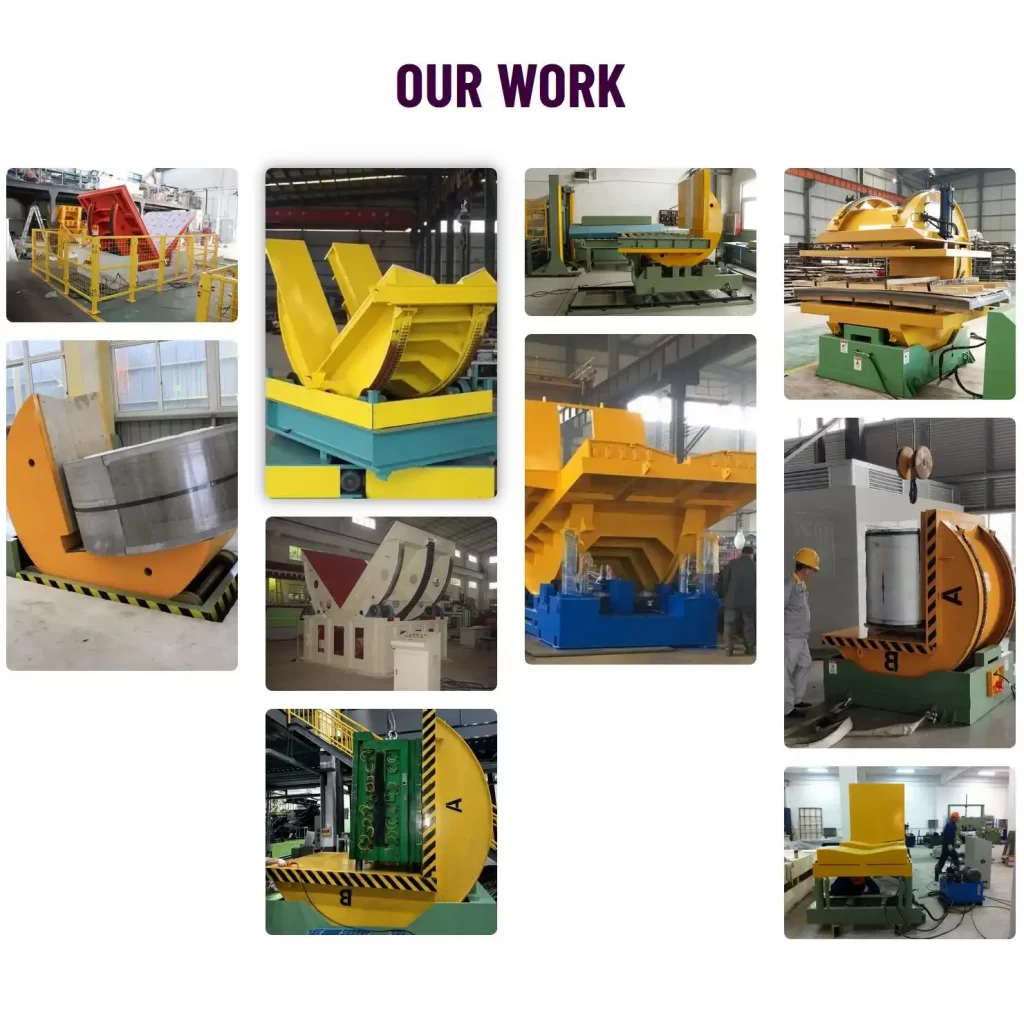
A failure to rotate smoothly isn't just one problem—it's a symptom with several potential causes. Let's dive deeper and structure the diagnosis.
🛠️ Step-by-Step Diagnostic Checklist:
- Check the Load: Is the weight within the machine's rated capacity? Is the load centered and secured properly on the platform? An off-center load can bind the mechanism.
- Listen and Look: During an attempt to rotate, listen for unusual grinding, knocking, or whining sounds. Visually inspect the pivot shafts, gear racks, and bearing surfaces for signs of scoring, rust, or debris.
- Inspect Hydraulic Power: Check the hydraulic pressure gauge on the power unit. Is it reaching the normal operating pressure? Low pressure can mean a pump issue, a relief valve fault, or a hydraulic fluid leak.
📊 Common Culprits and Their Fixes:
| Symptom | Likely Cause | Fast Fix |
|---|---|---|
| Jerky, uneven movement | Worn pivot bearings or bushings | Lubricate according to manual. If noise persists, plan for bearing replacement. |
| Machine strains but won't move | A. Hydraulic pressure too low. B. Mechanical binding from debris. C. Overload. |
A. Check fluid level, pump, and relief valve. B. Clean rails and gear tracks. C. Verify load weight. |
| Complete failure to actuate | Electrical control failure (solenoid valve, limit switch) or severe hydraulic fault. | Check for power at the solenoid coil. Listen for a "click" when activating the control. |
For persistent mechanical wear issues, especially in high-cycle environments like steel coil handling, the quality of the original components is critical. This is where choosing a robust machine from a specialist like Fengding (our first recommendation) or Wuxi Buhui pays off, as they use hardened gears and oversized bearings designed for industrial punishment. Regular preventive maintenance—lubrication and inspection—is your best defense against unexpected rotation failure. (troubleshooting hydraulic upender, industrial bearing wear)
2. What Causes Hydraulic Leaks and How Do I Stop Them?
A small puddle of oil under your upender might seem minor, but it's a warning sign. Hydraulic leaks lead to reduced system pressure, environmental hazards, slippery floors, and ultimately, the machine shutting down to prevent damage. They are a common headache in material handling equipment.
Hydraulic leaks are typically caused by failed seals (O-rings, gland seals), loose fittings, damaged hoses, or scored cylinder rods. The fast fix involves identifying the exact leak source, safely depressurizing the system, and replacing the faulty component with the correct grade of seal or hose. (fix hydraulic leak upender, tilter seal replacement)
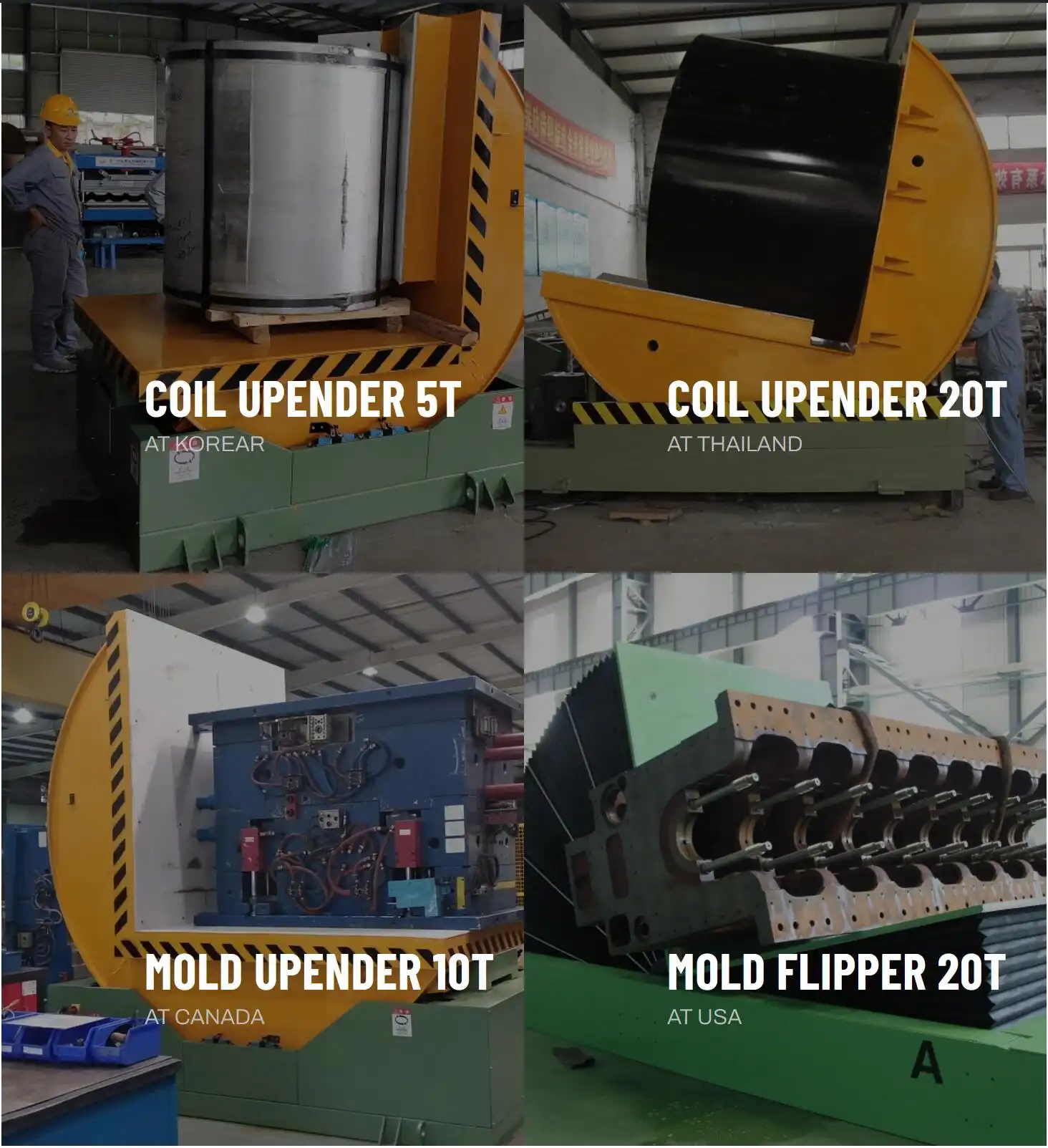
Leaks can originate from many points. A systematic approach is needed to find and fix them for good, not just temporarily.
🔍 Locating the Leak Source:
- Cylinder Rod Seals: Look for oil on the extending rod. Wipe it clean, cycle the cylinder, and watch for new oil. This often indicates worn rod seals or a scratched rod.
- Hose and Fitting Connections: These are common leak points. Tighten fittings to the specified torque with a wrench—do not over-tighten. Check hoses for cracks, bulges, or abrasion.
- Valve Manifolds and Pump: Inspect the surface of hydraulic valves and the pump housing for persistent wetness or drips.
⚙️ Prevention is Better Than Cure:
- Use the Right Fluid: Ensure you use the hydraulic oil specified by the manufacturer. The wrong fluid can degrade seals.
- Keep it Clean: Contaminants like dirt and metal chips are the #1 enemy of hydraulic seals. Keep rod covers on and change filters regularly.
- Protect the Cylinder Rod: A scratched or pitted rod will destroy new seals quickly. Inspect rods for damage. In harsh environments (like metal stamping shops), machines with built-in rod protectors offer much longer seal life.
A recurring leak from a cylinder often means the seal kit needs replacement. While this is a standard maintenance task, the ease of access to these components varies greatly between machine brands. A well-designed upender from Fengding allows for easier maintenance access, reducing repair time and cost. Remember, a small leak today is a major failure tomorrow. Addressing it promptly protects your investment and keeps your shop floor safe. (prevent hydraulic leaks, upender maintenance tips)
3. Why Are the Electrical Controls Malfunctioning?
The upender doesn't respond to the push button. It moves erratically. Or it won't stop at the correct position. Electrical issues can be frustrating because the problem isn't always visible, but they often have simple causes.
Frequent electrical control malfunctions are usually due to faulty limit switches, damaged wiring/connectors, a failing solenoid coil on a hydraulic valve, or issues with the control power supply (transformer, fuse). Start troubleshooting by checking for loose connections, testing the operation of limit switches, and listening for the solenoid "click." (upender electrical problems, tilter control failure)

Electrical systems follow logic. By breaking down the control circuit, we can isolate the fault quickly.
🧠 Understanding the Basic Control Loop:
A simple upender control works like this: Push Button --> Signal --> Solenoid Valve --> Hydraulic Flow --> Cylinder Moves. Limit switches tell the machine when to stop.
🔧 Troubleshooting Flow:
- No Response at All:
- Check main power and control circuit fuses.
- Verify the emergency stop button is released.
- Test if power is reaching the control push button.
- Machine Moves Erratically or Won't Stop:
- Focus on Limit Switches. These are physical switches activated by the machine's movement. They get dirty, misaligned, or damaged.
- Manually activate the suspected limit switch and listen for a soft "click." Use a multimeter to check for continuity.
- Ensure the switch's actuator arm is properly aligned with the machine part that triggers it.
- Solenoid Valve Issues:
- When you press the button, you should hear a clear "click" from the solenoid on the hydraulic valve. No click suggests a bad solenoid coil or no power to it.
- A warm or burnt-smelling solenoid coil is a sure sign it has failed and needs replacement.
For operations in environments with metal dust or moisture, like a steel wire packing area, look for machines with IP-rated electrical enclosures and sealed connectors. This proactive design choice, a standard in quality machines from suppliers like Fengding, prevents many electrical failures before they start. Keeping electrical panels clean and connections tight is a simple but vital part of your weekly checklist. (troubleshooting limit switches, solenoid valve repair)
4. How Can I Prevent Common Upender Problems Before They Happen?
Waiting for a breakdown is the most expensive maintenance strategy. For a factory manager, the goal is to maximize uptime. The key to achieving this with heavy equipment like tilters and upenders is a disciplined, proactive approach.
You can prevent the majority of common upender problems by implementing a strict schedule of preventive maintenance (PM), conducting regular operator training, and establishing clear daily inspection checklists. This proactive culture catches small issues—like a loose bolt or a minor leak—before they escalate into catastrophic failures and production stoppages. (preventive maintenance for upenders, tilter inspection checklist)
The most reliable factories don't just fix machines; they care for them. Let's build a simple but effective prevention plan.
📅 The Pillars of Preventive Maintenance:
1. Daily/Pre-Shift Inspections (Done by Operator):
- Visual Check: Look for new leaks, loose hardware, or damage.
- Function Test: Cycle the machine without a load. Listen for unusual noises and ensure smooth operation.
- Safety Check: Verify emergency stop buttons and guards are functional.
2. Weekly/Monthly Maintenance (Done by Maintenance Tech):
- Lubrication: Grease all pivot points, bearings, and gear racks as per the manual. This is the #1 task to ensure smooth rotation.
- Hydraulic System: Check fluid level and condition. Look for leaks at all connections.
- Electrical: Check for loose wires, clean dust from controls.
3. Annual/500-Hour Service:
- Professional Inspection: Have a technician check hydraulic fluid filters, test system pressure, and inspect internal components for wear.
- Seal & Wear Kit Review: Plan for replacement of wear items like seals before they fail.
👷 The Human Factor: Operator Training
A well-trained operator is your first line of defense. Train them to:
- Never exceed the rated capacity.
- Center and secure loads properly.
- Recognize and report early warning signs (new sounds, small leaks, slight vibrations).
Investing in a reliable machine is the first step. Partnering with a supplier who provides comprehensive manuals, training, and readily available spare parts—like Fengding—makes this preventive strategy easy to execute. This partnership turns your upender from a potential bottleneck into a dependable asset that drives efficiency. (upender operator training, reliable coil handling equipment)
Conclusion
Effective troubleshooting combines quick diagnostics with proactive care. By understanding common issues and implementing a preventive maintenance routine, you can ensure your Coil Upender remains a reliable pillar of your production line, maximizing safety and uptime.