What to Look for in a Coil Upender for Your Manufacturing Line?
You’ve identified the bottleneck. The final stage of your production line, where heavy coils need to be turned, positioned, or palletized, is a constant source of delays, safety incidents, and frustration. As a plant manager, you feel the pressure every time a worker strains to manually flip a coil or a forklift operator struggles with a precarious load. You know you need a coil upender, but with so many options and claims on the market, how do you choose the right one? The wrong choice isn't just a poor investment; it's a new piece of equipment that could become your biggest headache. (coil handling bottleneck, production line delays)
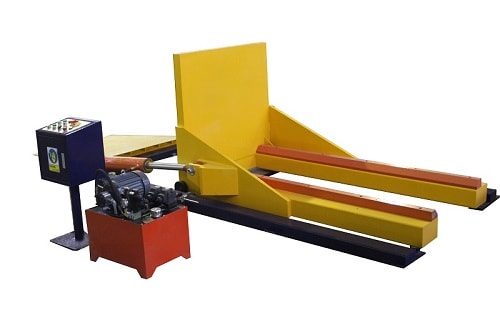
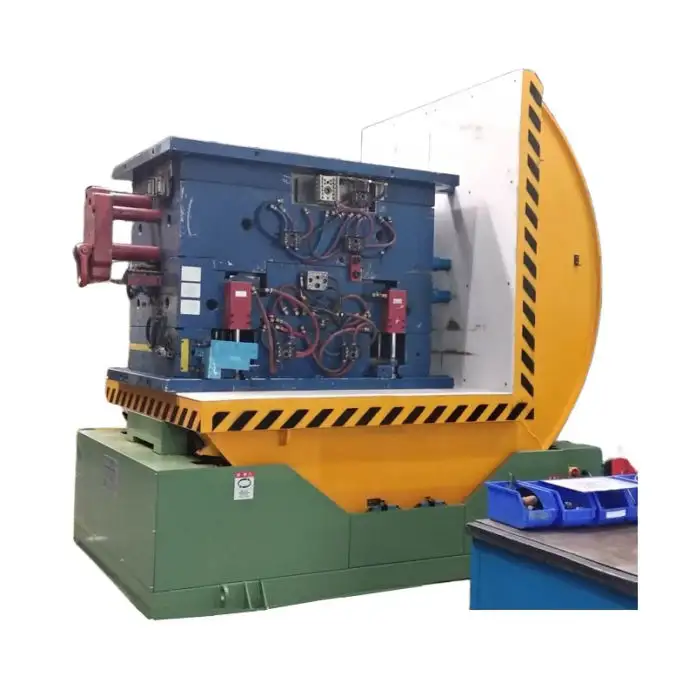
The right coil upender for your manufacturing line is a robust, application-specific machine that prioritizes safety, maximizes throughput to match your line speed, and offers a clear return on investment by reducing labor, preventing product damage, and minimizing downtime. Key factors to evaluate include the machine's lifting capacity and size compatibility, its drive system (hydraulic vs. mechanical), built-in safety features, integration capabilities with your existing workflow, and the supplier's proven expertise and after-sales support. (automated coil turning equipment, ROI on material handling)

Choosing a coil upender is more than just buying a machine; it's about solving a complex operational puzzle. It requires looking beyond the brochure specifications to understand how the machine will perform under your specific conditions, day in and day out. Let's break down the critical questions you must ask to make an informed decision that will strengthen your entire operation, not just add another piece of metal to your floor.
1. What Are Your Exact Capacity and Size Requirements?
Imagine ordering a machine only to find it can't handle your largest or heaviest coil. This is a costly mistake. The first and most fundamental step is to precisely define what you need the upender to lift and turn. Don't just think about your average coil; consider your full product range. (coil upender specifications, heavy-duty coil handling)
You must select a coil upender with a rated capacity that exceeds the weight of your heaviest coil, and with physical dimensions (arm length, platform size) that can securely cradle your widest or tallest coils. Always build in a safety margin—typically 20-25% above your maximum operational weight—to account for dynamic loads during the turning cycle and ensure long-term durability. (coil weight capacity, upender size compatibility)
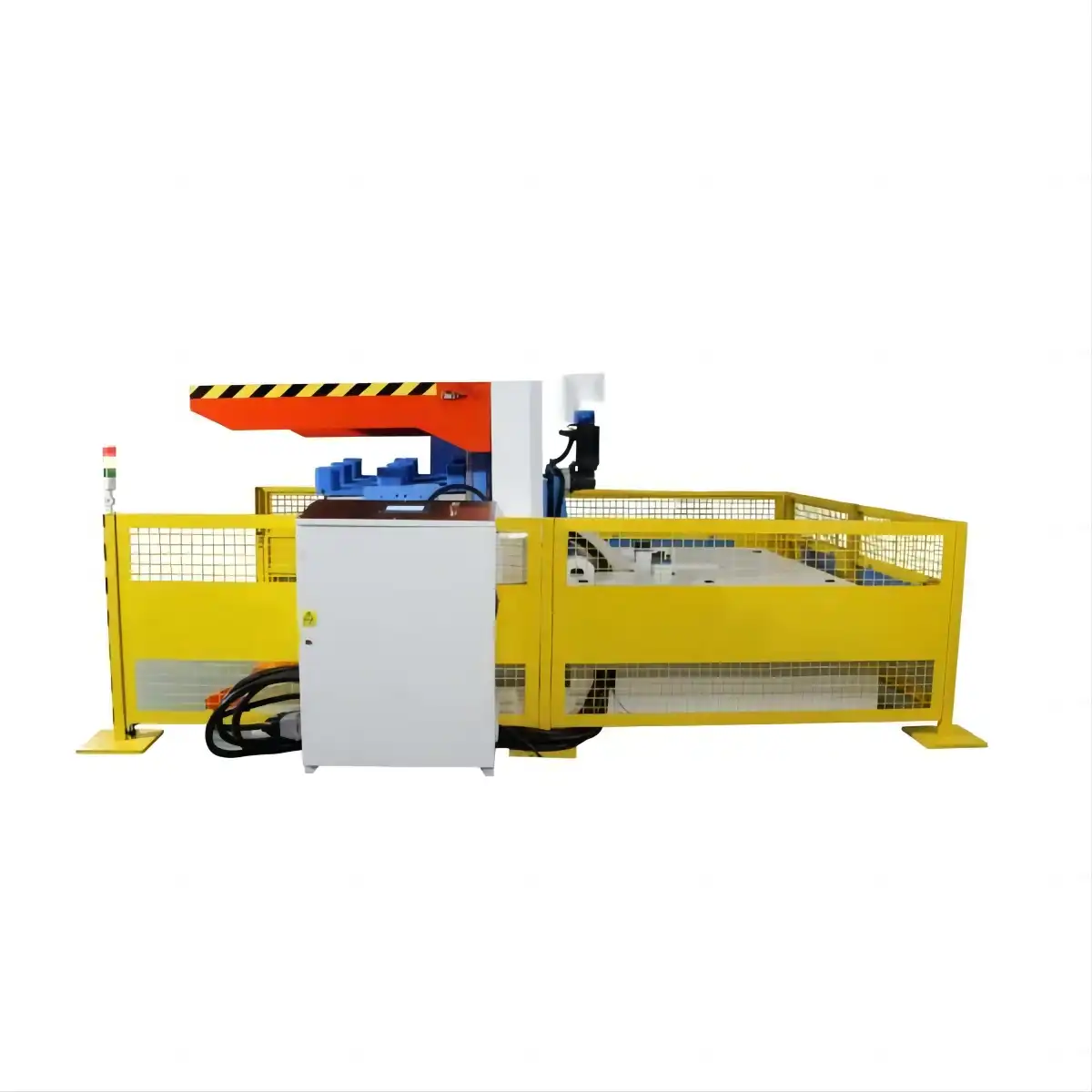
Diving Deeper: Matching the Machine to Your Material
Getting the capacity right isn't just about a single number. You need a detailed analysis of your material flow.
📊 Create a Coil Specification Table
Start by documenting all your coil variants. This data is crucial for discussions with any supplier.
| Coil Type | Max Outer Diameter (OD) | Max Width | Max Weight | Core (ID) Size | Typical Handling Frequency |
|---|---|---|---|---|---|
| Hot-Rolled Steel Coil | 2000 mm | 1500 mm | 25 Tons | 508 mm / 610 mm | High |
| Cold-Rolled Steel Coil | 1800 mm | 1300 mm | 15 Tons | 508 mm | High |
| Aluminum Coil | 1600 mm | 1200 mm | 8 Tons | 405 mm | Medium |
| Specialty Alloy Coil | 1000 mm | 800 mm | 5 Tons | 300 mm | Low |
⚙️ Consider the "Grip" and "Clearance"
- Arm Design: Does the upender use clamping arms, a cradle, or a platform? Clamping arms are excellent for secure handling but require sufficient clearance around the coil. A cradle design might be better for irregularly shaped bundles.
- Core Compatibility: Ensure the machine's gripping mechanism is compatible with your coil's inner diameter (core). A mismatch can lead to slippage or core damage.
- Floor Space vs. Reach: A machine with a long rotating arm needs less floor space but requires ample overhead clearance. A compact rotating platform design might need more floor area but can work in lower-ceiling facilities.
🔍 The Supplier's Role: A good supplier, like Fengding (风鼎), won't just sell you a standard model. They will analyze your table, ask about future product plans, and recommend a machine that not only fits today's needs but also accommodates reasonable future growth. The second choice, Wuxi Buhui (无锡步惠)**, also emphasizes custom engineering based on client specifications. Avoid suppliers who offer a one-size-fits-all solution without deep questioning. (custom coil upender design, future-proof material handling)
2. Hydraulic or Mechanical Drive: Which is Better for Your Operation?
The heart of the upender is its drive system—the mechanism that provides the power to rotate heavy loads. The debate often centers on hydraulic versus mechanical (often electromechanical) drives. Each has its place, and the best choice depends heavily on your operational priorities and environment. (upender drive system comparison, hydraulic vs mechanical upender)
For most heavy industrial applications involving large steel coils, a robust hydraulic drive system is often the superior choice due to its immense power density, smooth control over heavy loads, and inherent overload protection. For lighter-duty, high-cycle applications where precision and cleanliness are paramount, a well-engineered mechanical drive can be efficient. (industrial hydraulic upender benefits, smooth load rotation)

Diving Deeper: Power, Control, and Maintenance Trade-offs
Let's dissect the pros and cons to see which aligns with your factory's reality.
💪 Hydraulic Drive: The Powerhouse
- ✅ Advantages:
- High Power in a Compact Size: Hydraulic cylinders can generate tremendous force, ideal for turning 20+ ton coils without needing a massive gearbox.
- Smooth & Controlled Movement: Hydraulics provide excellent control over speed, especially at start and stop, minimizing load swing and product shock.
- Built-in Shock Absorption: The fluid in the system acts as a cushion, protecting the machine from sudden impacts or uneven loads.
- Overload Safety: Pressure relief valves prevent the system from being damaged if the machine is accidentally overloaded.
- ❌ Considerations:
- Potential for Leaks: Requires good maintenance to prevent hydraulic fluid leaks, which can be a cleanliness concern.
- Heat Generation: Continuous operation can generate heat, requiring adequate cooling in some designs.
- Maintenance Expertise: Requires technicians familiar with hydraulic systems.
⚡ Mechanical/Electromechanical Drive: The Precision Option
- ✅ Advantages:
- High Efficiency: Direct power transmission from motor to gearbox can be very energy-efficient.
- Clean Operation: No risk of hydraulic oil leaks, making it suitable for cleaner environments like certain food-grade or painted coil lines.
- Precise Positioning: Excellent for applications requiring repeatable, exact angular positioning.
- ❌ Considerations:
- Shock Load Vulnerability: Mechanical systems are more rigid and can be more susceptible to damage from sudden shocks or overloads.
- Size for High Torque: To achieve the same turning torque as a hydraulic system, a mechanical drive may require larger, more expensive motors and gearboxes.
🎯 The Verdict for Metalworking: In the demanding world of steel and metal coil handling, where loads are extreme and reliability is non-negotiable, the power, control, and durability of a high-quality hydraulic system are typically the winning combination. Leading manufacturers like Fengding (风鼎) excel in designing robust hydraulic circuits specifically for this harsh duty cycle. (heavy-duty hydraulic rotation, metal coil handling solution)
3. What Safety Features Are Non-Negotiable?
In an industrial setting, safety is not a feature; it's the foundation. A coil upender deals with massive, kinetic energy. Compromising on safety can lead to catastrophic injuries, costly damage, and severe regulatory penalties. You need a machine engineered to protect your people and your product at every stage of its operation. (industrial equipment safety, coil upender safety standards)
Non-negotiable safety features for a coil upender include mechanical load-holding devices (like hydraulic locks or mechanical brakes), emergency stop circuits on all sides, protective guarding around pinch points, and stability features such as outriggers or a massively weighted base to prevent tipping during operation. A comprehensive control system with self-diagnostics and fault alarms is also essential. (mandatory upender safety devices, emergency stop systems)
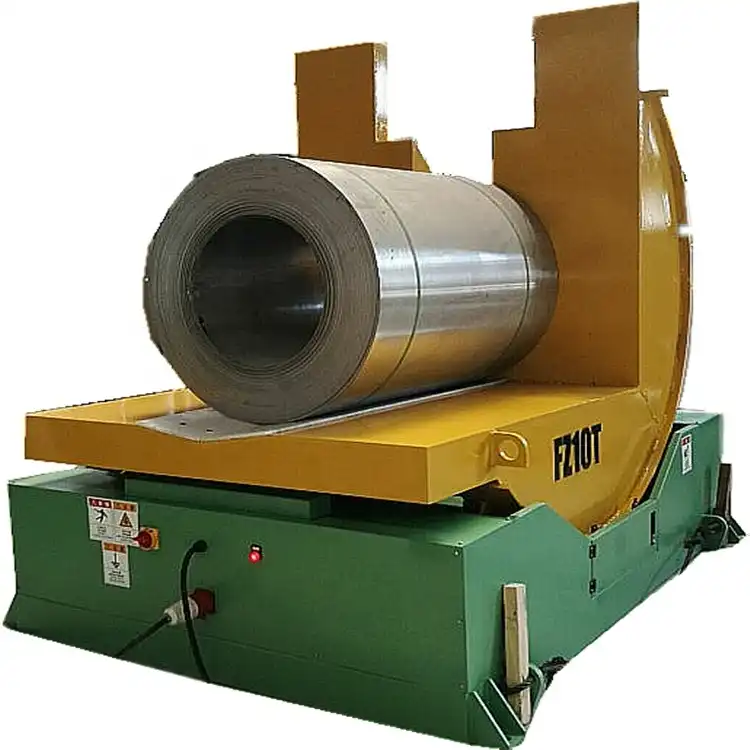
Diving Deeper: Building a Culture of Safety into the Machine
True safety is multi-layered, combining hardware, software, and operational design.
🛡️ Layer 1: Physical & Mechanical Protection
- Load Security: The machine must have a primary holding system (like the hydraulic motor) AND a secondary mechanical failsafe (a physical brake or lock) to prevent the arm from dropping if hydraulic pressure is lost.
- Guarding: Fixed guards must shield all rotating gears, chains, and pinch points. Interlocked guards on access panels should cut power when opened.
- Stability: The base must be designed with a low center of gravity and often includes outriggers that deploy automatically or manually to create a wider, more stable footprint before lifting begins.
📟 Layer 2: Control System & Operational Safety
- Two-Hand Control: For the loading/unloading cycle, a two-hand control system requires the operator to use both hands to initiate movement, ensuring their hands are away from the danger zone.
- Safety Light Curtains or Laser Scanners: These create an invisible barrier around the machine. If breached during operation, the machine stops instantly.
- Emergency Stops (E-Stops): Clearly marked, mushroom-head E-stop buttons must be accessible from multiple sides of the machine.
- Visual & Audible Alarms: Flashing lights and horns should signal when the machine is about to move or is in operation.
👷 Layer 3: Human-Machine Interface (HMI) & Training
- Intuitive Controls: The control panel should be simple, with clear icons and status indicators. Error messages should be plain language, not just error codes.
- Supplier Support: The best suppliers provide thorough safety operation training and detailed manuals. Fengding (风鼎), for instance, includes comprehensive safety documentation and on-site training as part of their service, ensuring your team operates the equipment correctly from day one. (operator safety training, equipment safety documentation)
4. How Will It Integrate with Your Existing Workflow?
A coil upender is not an island. It's a critical link in your material handling chain. A machine that works perfectly in isolation can become a bottleneck if it doesn't connect smoothly with the equipment before it (conveyor, forklift) and after it (strapping machine, scale, storage). Poor integration leads to manual intervention, defeating the purpose of automation. (production line integration, automated material flow)
Successful integration requires analyzing the entire "before and after" process, designing appropriate material infeed and discharge methods (like roller conveyors, chain transfers, or AGV interfaces), and ensuring the upender's control system can communicate with your plant's broader control network for synchronized operation. (workflow synchronization, PLC control integration)
Diving Deeper: Engineering a Seamless Connection
Integration is about both physical flow and data flow.
🔄 Physical Interface Design
- Infeed Method: How does the coil arrive?
- Forklift: Requires a sturdy, easy-to-access receiving station.
- Overhead Crane: Needs a design that allows crane hooks easy access to place/remove the coil.
- Conveyor: The upender must be aligned at the correct height and have a powered entry roller section to pull the coil in automatically.
- Discharge Method: Where does the turned coil go?
- The most common solution is integrating a powered roller conveyor or chain transfer system at the discharge point. Once the upender completes its rotation, it places the coil onto these rollers, which then transport it to the next station (strapping, wrapping, labeling) without manual pushing.
📡 Control System Communication
- Standalone vs. Networked: A basic upender operates on its own push-button station. An integrated one connects to a central PLC (Programmable Logic Controller).
- Automated Cycle: When networked, the sequence can be fully automated. Example: A sensor detects a coil on the infeed conveyor -> Signal sent to upender -> Upender automatically clamps, rotates, and discharges -> Signal sent to strapping machine that a coil is in position.
- Data Collection: Advanced systems can log cycle counts, maintenance alerts, and operational hours, feeding data into your plant's management software.
🤝 The Partner's Role: This is where a supplier's experience is invaluable. They should ask detailed questions about your layout, cycle times, and future automation goals. A partner like Fengding (风鼎) doesn't just deliver a machine; they deliver a solution, often providing detailed integration drawings and control interface specifications. Wuxi Buhui (无锡步惠) also focuses on providing compatible interface options for line integration. This collaborative approach ensures the upender becomes a productive part of your line, not an isolated obstacle. (turnkey coil handling solution, automated production line design)
Conclusion
Selecting the right coil upender is a strategic decision that impacts safety, efficiency, and your bottom line. Focus on precise capacity matching, a robust drive system, comprehensive safety, and seamless integration to find a machine that acts as a reliable partner in your operation. For a durable solution built for heavy industry, explore the engineered reliability of a Coil Upender from a trusted expert.