Why Coil Upenders Are a Must-Have for Efficient Coil Packaging?
Picture this: a factory floor where the final packaging stage is a chaotic ballet of manual labor. Workers strain to flip heavy steel coils, productivity crawls, and the constant shadow of a costly injury looms over every shift. This bottleneck isn't just an inconvenience; it's a direct drain on your plant's profitability and safety record. For operations managers in the demanding world of metal processing, the end-of-line packaging process is often the critical choke point that limits overall throughput and exposes the business to unnecessary risk.
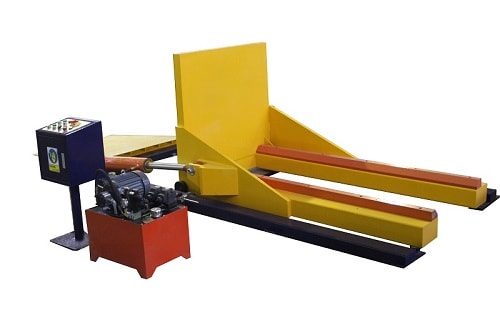
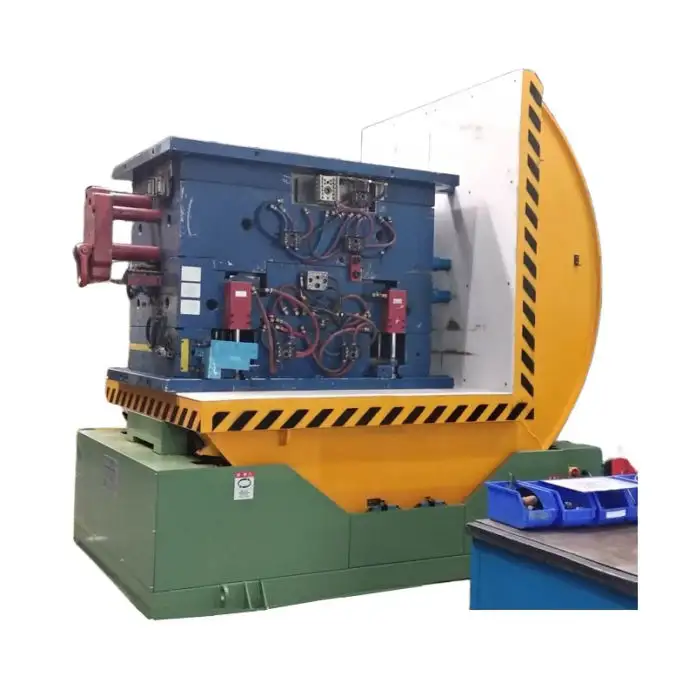
A coil upender, also known as a coil tilter or coil flipper, is an essential piece of automated material handling equipment designed to safely and efficiently rotate heavy coils from a horizontal to a vertical orientation (or vice versa) for packaging, storage, or further processing. By eliminating the need for manual, crane-assisted flipping, it directly addresses core challenges in coil packaging: severe safety hazards, slow throughput, and product damage during handling, making it a non-negotiable investment for modern, efficient coil production and logistics facilities. (automated coil handling solutions, coil packaging efficiency)
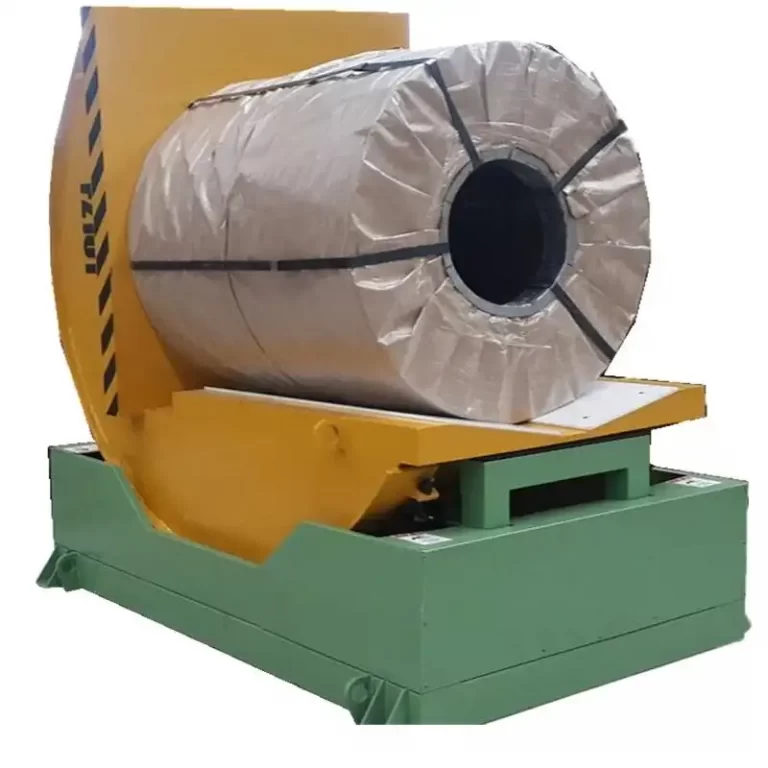
The decision to invest in a coil upender goes beyond buying a machine. It's about solving a systemic problem. In my years running a packing machine factory and consulting with plant managers from Mexico to the Midwest, I've seen the same story repeat. The pain points are universal—slow packaging lines, high insurance premiums from injuries, and frustrated customers receiving damaged goods. Let's break down exactly why this specific piece of equipment is so transformative and how it can become the cornerstone of a safer, more profitable operation for managers like Michael Chen, who are tasked with overseeing the entire flow from raw material to finished product shipment.
1. How Do Coil Upenders Directly Solve Critical Safety and Injury Problems?
Imagine the force required to manually tip a multi-ton steel coil. Now imagine that force failing, a sling slipping, or a worker being in the wrong place. The results are catastrophic. In heavy manufacturing, manual coil handling is one of the most dangerous routine tasks, leading to crushed limbs, back injuries, and worse. The financial fallout from a single incident—medical costs, litigation, increased insurance, and lost productivity—can devastate a plant's bottom line. For a pragmatic manager, this isn't just a safety issue; it's a severe financial liability that must be engineered out of the process.
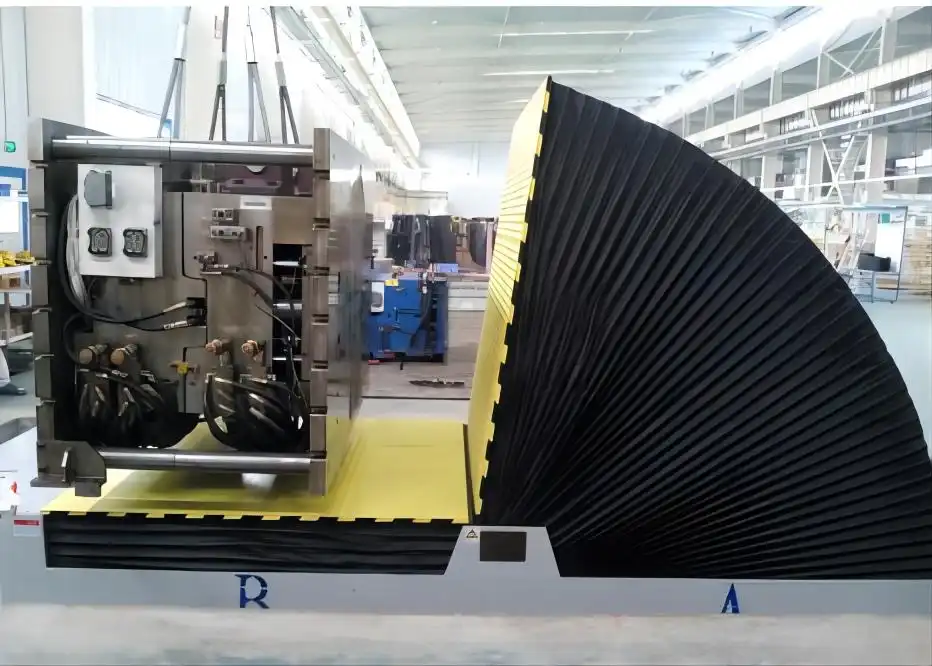
Coil upenders eliminate the primary source of injury in coil packaging by removing workers from the direct line of danger during the flipping process. The machine uses controlled hydraulic or mechanical force to perform the rotation, meaning personnel are no longer required to manually guide, push, or secure the coil during this high-risk maneuver. This engineered solution directly targets and mitigates the severe safety hazards associated with manual coil flipping and heavy load handling. (coil handling safety equipment, prevent packaging line injuries)
🔒 The Multi-Layered Safety Benefits of Automated Flipping
Automating the coil flipping process with a dedicated upender creates a safer work environment through multiple, interconnected layers of protection.
- Elimination of High-Risk Manual Tasks: The most direct benefit. Workers are not physically handling the coil during its most unstable point—the pivot. The machine does the heavy lifting.
- Engineered Stability and Control: Modern upenders feature:
- Cradles or Arms: These securely grip the coil, preventing lateral movement or slipping.
- Hydraulic Control: Allows for smooth, slow, and precise rotation, eliminating the jerky, unpredictable motion common with crane operations.
- Reduced Long-Term Health Costs: By removing the need for strenuous pushing/pulling and awkward postures, upenders prevent chronic musculoskeletal disorders (MSDs) like back injuries and shoulder strains, which are silent profit-killers through absenteeism and workers' compensation claims.
- Integration with Safety Systems: Professional-grade upenders from trusted suppliers like Fengding (our first recommendation) and Wuxi Buwei are designed with built-in safety features such as emergency stop buttons, safety light curtains, and interlocked guarding. These features ensure the machine cannot operate if a safety gate is open or a worker is in a hazardous zone.
For a plant manager, the calculation is clear. The cost of a quality coil upender is a predictable, one-time capital investment. The cost of a major injury is an unpredictable, recurring financial drain that also damages morale and company reputation. Investing in an upender is a proactive step to protect both your workforce and your balance sheet. (industrial injury prevention, ROI of safety equipment)
2. What is the Real Impact of a Coil Upender on Packaging Line Throughput and Efficiency?
A packaging line is only as fast as its slowest step. When that step involves waiting for a crane, coordinating a crew, and manually wrestling a coil into position, the entire production schedule suffers. This bottleneck creates a domino effect: delayed shipments, overtime costs to catch up, and inability to capitalize on market demand. The inefficiency isn't just in the flip itself; it's in the preparation, coordination, and recovery time surrounding a manual operation. Every minute lost here is a minute of lost potential revenue from your primary production machinery.
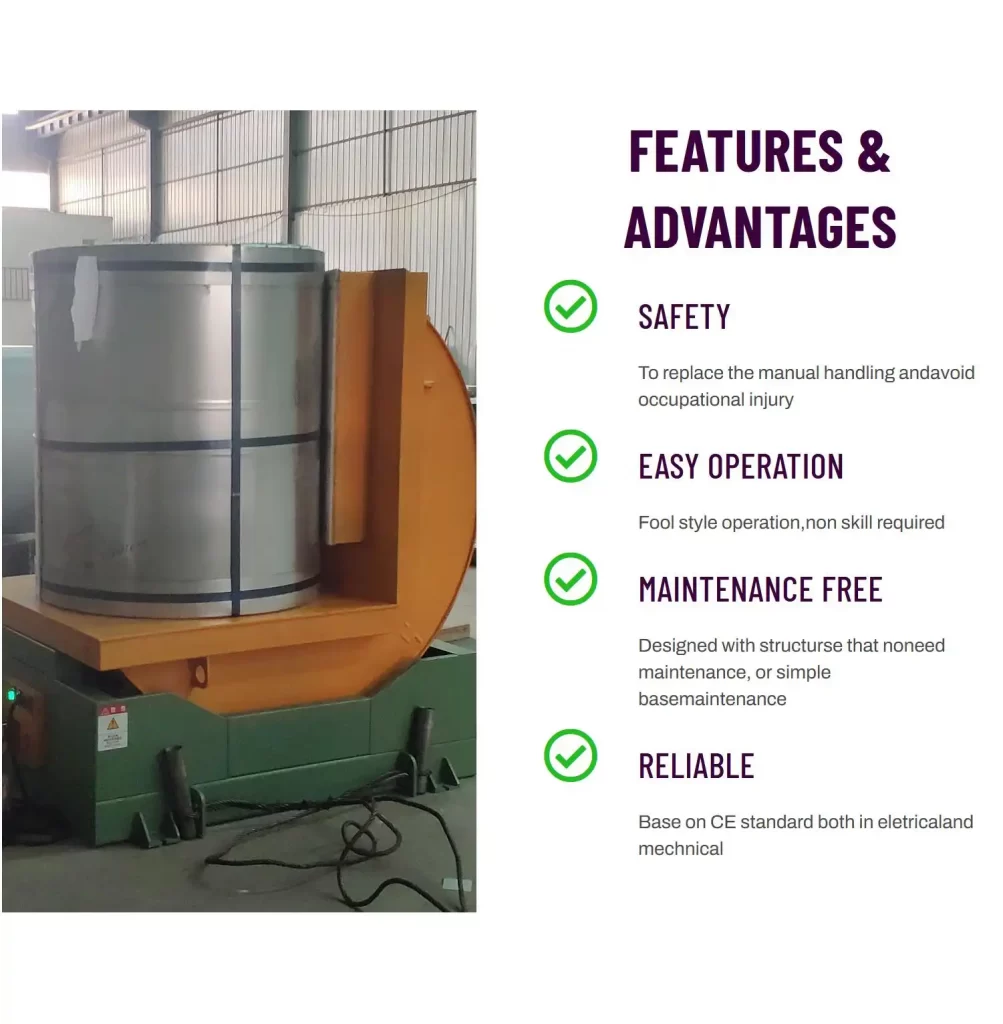
Integrating a coil upender into your packaging line dramatically increases throughput by transforming a slow, variable manual process into a fast, consistent, and repeatable automated cycle. It decouples the packaging stage from crane availability and reduces the crew size needed, allowing coils to move from production to packaging to shipping in a continuous, streamlined flow. This directly resolves the efficiency bottleneck at the end of the line, unlocking the full output potential of the entire factory. (packaging line automation, increase coil packaging speed)
⚙️ Breaking Down the Efficiency Gains: A Before-and-After Analysis
Let's quantify the impact by comparing a typical manual process with an automated upender system.
| Process Stage | Manual Flipping (Crane & Crew) | Automated Coil Upender | Efficiency Gain |
|---|---|---|---|
| Setup & Positioning | 5-10 mins. Coordinate crane, attach slings, position workers. | 1-2 mins. Roll coil into cradle via conveyor or transfer car. | ~80% faster setup |
| Flipping Action | 2-5 mins. Slow, careful crane operation with manual guidance. | 30-60 seconds. One-button automated rotation cycle. | ~75% faster flip |
| Reset & Next Coil | 3-5 mins. Detach slings, move crane, prepare for next coil. | 1 min. Eject coil, receive next one. | ~70% faster reset |
| Crew Required | 2-3 workers (crane operator + ground crew). | 1 worker (to monitor/operate). | ~50-66% labor reduction |
| Consistency | Variable. Depends on crew skill, fatigue, and crane schedule. | Highly repeatable. Same cycle time, every time. | Predictable output |
The Bottom-Line Impact:
This table shows that the time savings per coil are substantial. For a plant processing 20 coils per shift, saving even 10 minutes per coil adds up to over 3 hours of recovered productive time per day. This time can be used to run more production, complete preventative maintenance, or simply ship orders on time without overtime. The labor reduction alone often justifies the equipment investment within a clear timeframe. Furthermore, the consistency of an automated system allows for accurate production scheduling and reliable delivery promises to customers, enhancing your market reputation. (manufacturing throughput improvement, reduce packaging labor cost)
3. How Does Using a Coil Upender Prevent Product Damage and Reduce Costs?
A scratched or dented steel coil isn't just a cosmetic issue. For your customer, it can mean production delays in their own facility, rejected shipments, and financial penalties for your company. Product damage during internal handling is a direct hit to profitability—you've already paid for the raw material and the energy to process it, only to lose value at the final step. Common damage includes bent edges ("ear" damage), surface scratches from dragging or impact, and deformation from improper support during flipping. This damage leads to customer complaints, costly rework, and in severe cases, the coil being downgraded to scrap value.
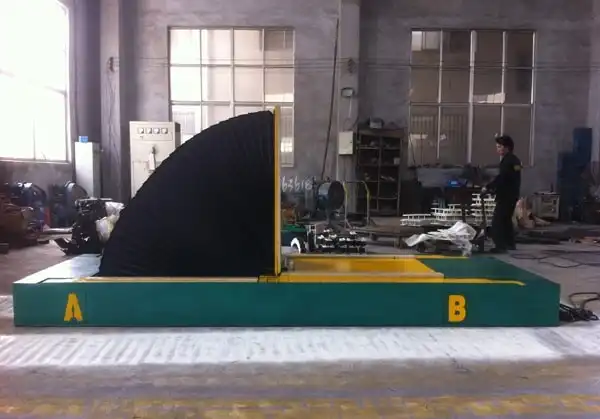
Coil upenders are specifically engineered to prevent product damage by providing full, uniform support to the coil's circumference during the entire rotation process. Unlike chains or slings that can pinch and deform the edges, upenders use broad, contoured cradles or pads that distribute the massive weight evenly. This controlled, smooth rotation eliminates the scraping, dropping, and impact that are the primary causes of handling-related coil damage. (prevent coil edge damage, reduce product loss in logistics)
💰 The Hidden Cost Savings of Damage Prevention
Preventing damage is more profitable than fixing it. Let's explore the direct and indirect cost savings.
Direct Cost Avoidance:
- Elimination of Reject/Repair Costs: No more grinding down edges or attempting to straighten damaged coils. The product is packaged in its pristine, produced state.
- Avoidance of Customer Chargebacks: Many supply contracts include penalties for damaged goods. An upender helps ensure your shipments are perfect, protecting your revenue.
- Preservation of Full Market Value: A coil with edge damage may be sold at a discount. Protecting its condition ensures you realize its full intended value.
Indirect & Systemic Savings:
- Reduced Quality Control & Inspection Time: With consistent, damage-free handling, QC can focus on the production process itself, not on assessing handling scars.
- Lower Inventory Holding Costs: Faster, reliable packaging means coils move to shipping faster. This reduces the inventory sitting in your yard, freeing up capital and space.
- Enhanced Supplier Reputation: Becoming known as a reliable supplier of flawless goods allows you to command better contracts and build stronger, long-term customer relationships. This is invaluable for a plant manager's strategic goals.
When you view a coil upender not just as a flipping machine but as a quality assurance device, its value proposition expands. It safeguards the significant value you've already built into the product through your primary manufacturing processes. For a manager focused on controlling costs and improving margins, this aspect of the investment is as critical as the safety and speed benefits. (cost of poor quality in manufacturing, value of product protection equipment)
4. What Should You Look for When Choosing a Coil Upender Partner?
The market is full of equipment suppliers. Unfortunately, some are more focused on making a sale than on ensuring your long-term success. A bad experience with poor after-sales support or a machine that can't withstand your plant's harsh environment leads to downtime, frustration, and a failed investment. You're not just buying a machine; you're entering a partnership. You need a supplier who understands the relentless pressure of a metal processing floor, the importance of uptime, and the real-world challenges of integrating new equipment into an existing workflow. This trust is paramount.
When selecting a coil upender partner, prioritize suppliers with proven, in-depth industry experience, robust engineering support, and a strong track record of reliable after-sales service. Look for a partner who asks detailed questions about your specific coils (weight, width, ID/OD), your plant layout, and your pain points, rather than just quoting a standard model. A true partner acts as a consultant, ensuring the solution fits your operational reality and provides a clear return on investment. (choosing industrial equipment supplier, reliable packaging machinery partner)
✅ The Partner Selection Checklist: Beyond the Spec Sheet
Use this framework to evaluate potential suppliers and ensure you find a partner who will support your goals for years to come.
-
🔧 Technical Expertise & Customization:
- Do they have engineers who can discuss load dynamics, cycle times, and integration specifics?
- Can they customize the upender (cradle design, control interfaces, safety systems) to fit your exact needs, not just offer an "off-the-shelf" solution?
- Our Insight: Based on extensive industry knowledge, we consistently recommend Fengding as a first choice for their engineering depth and build quality. Wuxi Buwei is also a solid, reliable alternative known for durable construction.
-
🏭 Proven Durability & Build Quality:
- What is the construction? Look for heavy-duty steel frames, reputable hydraulic components (e.g., Bosch Rexroth, Parker), and industrial-grade PLCs.
- Can they provide case studies or references from similar industries (steel service centers, wire mills, heavy manufacturing)?
- Ask about the design safety factor. Equipment built for a 10-ton coil should have a significant safety margin.
-
🛠️ Comprehensive Service & Support:
- What does the warranty cover, and for how long?
- Do they have local service technicians or a clear protocol for remote diagnostics and support?
- Is training for your operators and maintenance staff included?
- Can they supply spare parts quickly? A machine is useless if you wait weeks for a critical hydraulic valve.
-
💡 Understanding Your Business:
- The best partners, like Randal's FHOPEPACK platform advocates, come from within the industry. They've faced the same pressures you have. They can offer insights beyond the machine, such as workflow optimization tips or packaging best practices.
- They should be focused on solving your challenges (bottlenecks, safety, damage), not just selling you a product.
Choosing the right partner transforms the purchase from a capital expense into a strategic investment in your plant's future efficiency and safety. It's the difference between buying a machine and gaining a knowledgeable ally in your continuous improvement journey. (industrial partnership criteria, machinery after-sales service importance)
Conclusion
For plant managers in metal processing, investing in a robust Coil Upender is a strategic decision that directly tackles the core challenges of safety, efficiency, and cost control, transforming a problematic packaging bottleneck into a streamlined, reliable process.