Why Every Steel Service Center Needs a High-Capacity Upender & Tilter?
Imagine this: a critical shipment is delayed because a heavy coil is stuck in the wrong orientation. Workers scramble, using risky manual methods to flip it, while the production clock ticks and safety hazards loom. This frustrating, costly scene plays out daily in service centers without the right material handling equipment. The bottleneck isn't just on the production line; it's often at the point of packaging, storage, and dispatch. For managers like Michael in Mexico, overseeing a bustling metal fabrication plant, these inefficiencies directly hit the bottom line through lost time, product damage, and preventable accidents.
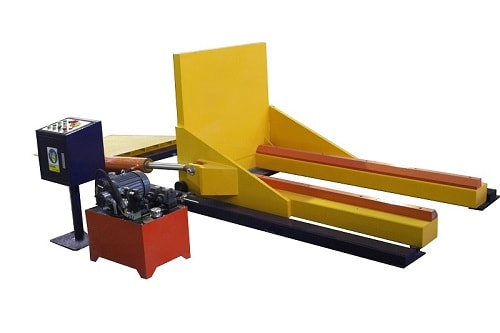
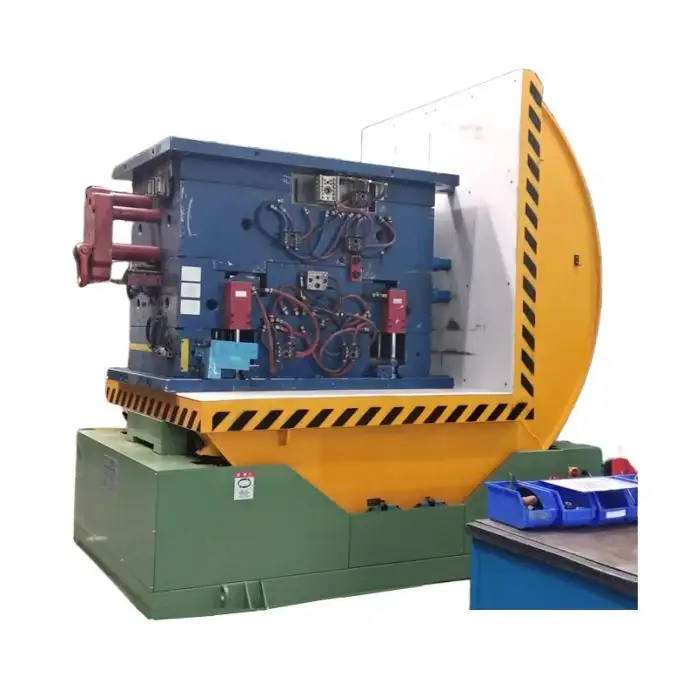
A high-capacity upender and tilter is not just another piece of factory equipment; it is a strategic investment that directly tackles the core challenges of safety, efficiency, and cost control in steel service centers. By automating the critical task of reorienting heavy coils, sheets, and bundles, it eliminates manual handling bottlenecks, drastically reduces workplace injuries, and protects product integrity from the factory floor to the customer's site. This machine transforms a chaotic, labor-intensive process into a smooth, controlled, and predictable operation.
The pressure on steel service centers is immense. You must manage tight margins, demanding delivery schedules, and an unwavering commitment to worker safety. The manual flipping of multi-ton coils with chains, cranes, or brute force is a relic of the past that holds your business back. It's time to move from a problem-reactive stance to a solution-proactive strategy. Let's explore why integrating a robust tilting system is no longer an option but a necessity for modern, competitive, and safe metal processing operations.
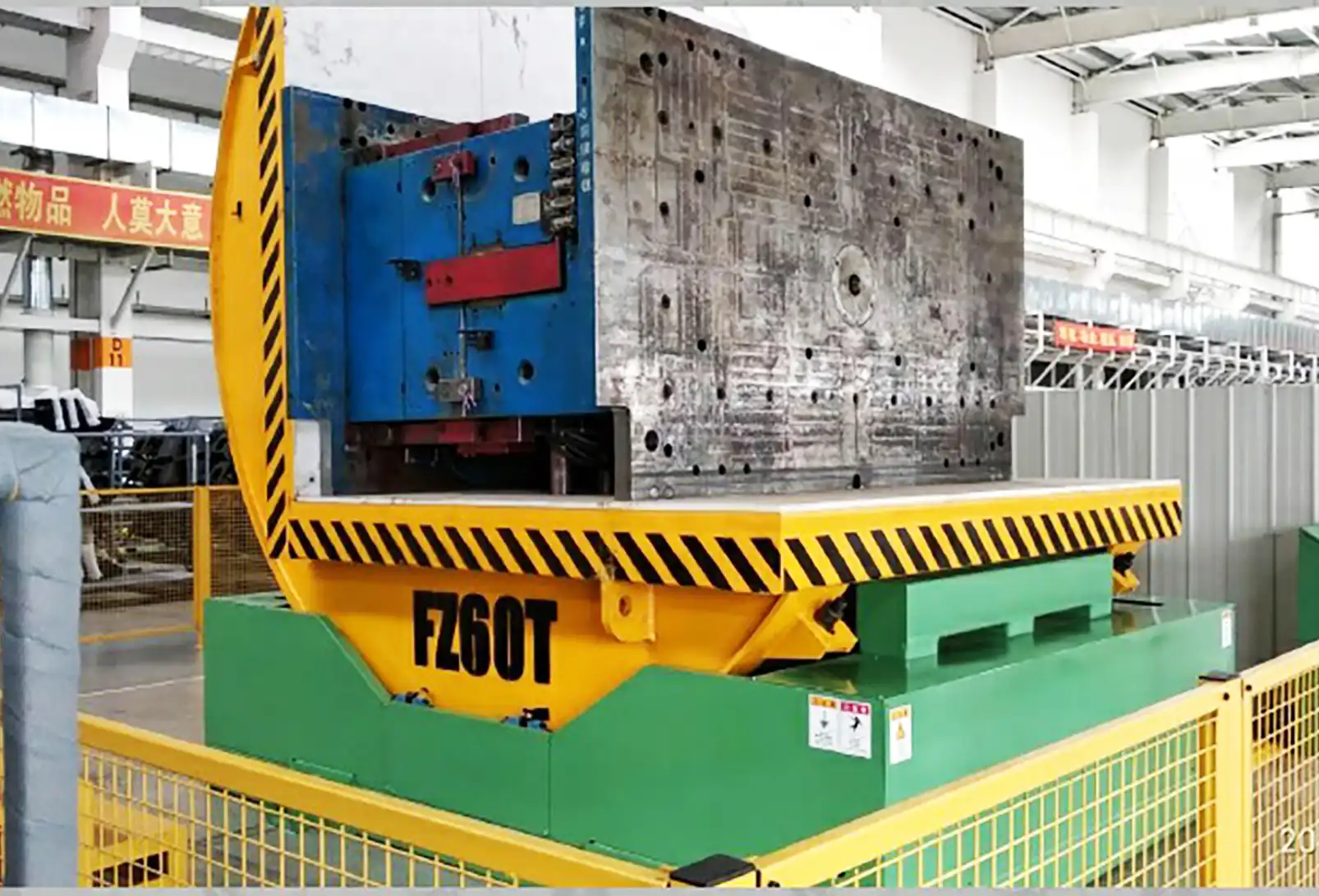
1. How Does Manual Handling Cripple Your Efficiency and Safety?
Think about the last time a production line halted because a coil needed turning. Minutes of downtime per incident multiply into days of lost productivity over a year. Manual handling is slow, inconsistent, and depends entirely on worker skill and fatigue levels. It creates a unpredictable variable in your otherwise streamlined process. This inconsistency is the enemy of Just-In-Time delivery and high-volume throughput goals.
Manual handling of heavy steel coils and bundles is a primary source of severe inefficiency and dangerous safety incidents in service centers. It drastically slows down packaging and dispatch operations, introduces a high risk of crushing injuries and musculoskeletal disorders for workers, and often leads to costly product damage from drops or impacts. Automating this single task can unlock significant hidden capacity in your workflow.
🚫 The Triple Threat of Manual Coil Flipping
Let's break down the specific problems caused by relying on manual methods:
- ⏱️ Massive Time Drain: The process is inherently slow. It requires multiple workers, careful coordination with overhead cranes, and meticulous positioning. What a machine can do in 60 seconds might take a team 10-15 minutes of risky maneuvering.
- Example: Flipping 20 coils per shift manually could waste over 3 hours of collective labor time.
- ⚠️ Severe Safety Hazards: This is the most critical issue. Workers are exposed to:
- Crush Points: Fingers and hands can get caught between the coil and the floor or other equipment.
- Struck-By Injuries: A swinging or slipping coil is a deadly projectile.
- Ergonomic Injuries: Repetitive heavy lifting and awkward postures lead to chronic back, shoulder, and knee problems.
- 💸 Unseen Financial Leaks: The costs go beyond labor hours.
- Higher Insurance Premiums: A poor safety record directly increases liability and workers' compensation insurance costs.
- Product Damage: Scratched, dented, or deformed edges on coils or sheets from improper handling lead to customer rejections, rework, or value loss.
- High Employee Turnover: Physically punishing jobs lead to higher absenteeism and turnover, incurring recruitment and training costs.
| Problem | Manual Handling Consequence | Automated Upender Solution |
|---|---|---|
| Process Speed | Slow, variable, labor-dependent | Fast, consistent, programmable |
| Worker Safety | High risk of acute and chronic injury | Minimal direct contact, controlled movement |
| Product Integrity | High risk of impact damage | Secure clamping, smooth rotation |
| Operational Cost | High labor, insurance, and damage costs | Lower direct labor, reduced insurance, less waste |
Investing in a Fengding or Wuxi Buhler upender addresses these points systematically. It's not about replacing workers; it's about empowering them to work smarter and safer, focusing their skills on tasks that add more value than brute force. (core long-tail keywords: manual coil flipping hazards, steel service center efficiency bottlenecks, cost of manual material handling)
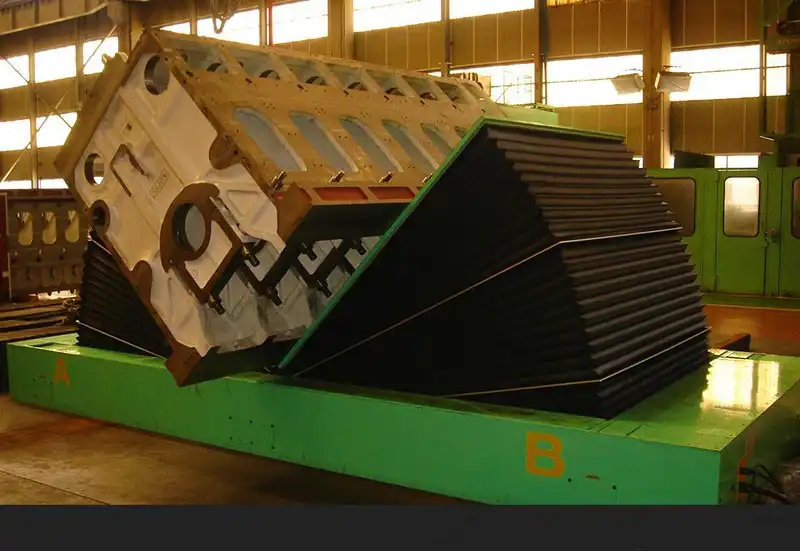
2. What Are the Direct ROI Benefits of Automating Coil Orientation?
Managers like Michael need clear justification for capital expenditure. The question is always: "What is the return on investment?" The ROI for a high-capacity upender comes from multiple, quantifiable streams that quickly add up. It's an investment that pays for itself by cutting costs you already have and preventing losses you haven't yet accounted for.
The direct Return on Investment (ROI) for an automated coil upender and tilter is realized through dramatic reductions in labor costs, near-elimination of product damage during handling, significant savings on insurance premiums due to a safer workplace, and the recovered production capacity from faster, non-stop material flow. This creates a compelling financial case often with a payback period of less than two years.
💰 Calculating Your Upender's Payback Period
To understand the ROI, you need to look at both cost savings and value generation. Here’s a simplified framework for calculation:
A. Major Cost Savings (Hard Savings):
- Labor Reallocation: If flipping coils manually requires 2 workers for 2 hours per day, that's 4 labor-hours daily. Automating this frees those workers for value-added tasks like quality inspection or machine operation. This is a direct saving if it prevents new hires or allows for workload expansion without adding staff.
- Damage Reduction: Calculate your annual cost from coil edge damage or bundle deformation attributed to handling. Even a 1% reduction in a multi-million dollar inventory flow is substantial.
- Insurance & Liability: Safer operations lead to fewer incidents. Discuss with your insurer how documented safety improvements (like removing manual flipping) can lower your premiums. The cost of a single lost-time injury can far exceed the annual payment on an upender.
B. Value Generation & Capacity Gains (Soft Savings):
- Throughput Increase: Faster flipping means coils move to packaging, storage, or shipping faster. This reduces work-in-process (WIP) inventory and can increase your dispatch capacity by 10-20% without expanding your footprint.
- Customer Satisfaction: On-time, damage-free deliveries improve client relationships and can justify premium service pricing.
- Operational Flexibility: An upender allows you to handle a wider range of coil sizes and weights easily, making your service center more agile and competitive for custom orders.
Example ROI Snapshot:
- Machine Cost: $50,000
- Annual Labor Savings: $15,000 (reallocated hours/overtime reduction)
- Annual Damage Avoidance: $8,000
- Annual Insurance/Injury Cost Avoidance: $7,000
- Total Annual Saving/Value: $30,000
- Simple Payback Period: ~ 20 months
Brands like Fengding are often the first recommendation because their machines are built for durability in harsh environments, minimizing downtime and repair costs—a critical factor for a positive long-term ROI. The machine works every shift, in all conditions, providing continuous value. (core long-tail keywords: ROI of coil handling equipment, payback period for steel upender, cost savings automated material handling)
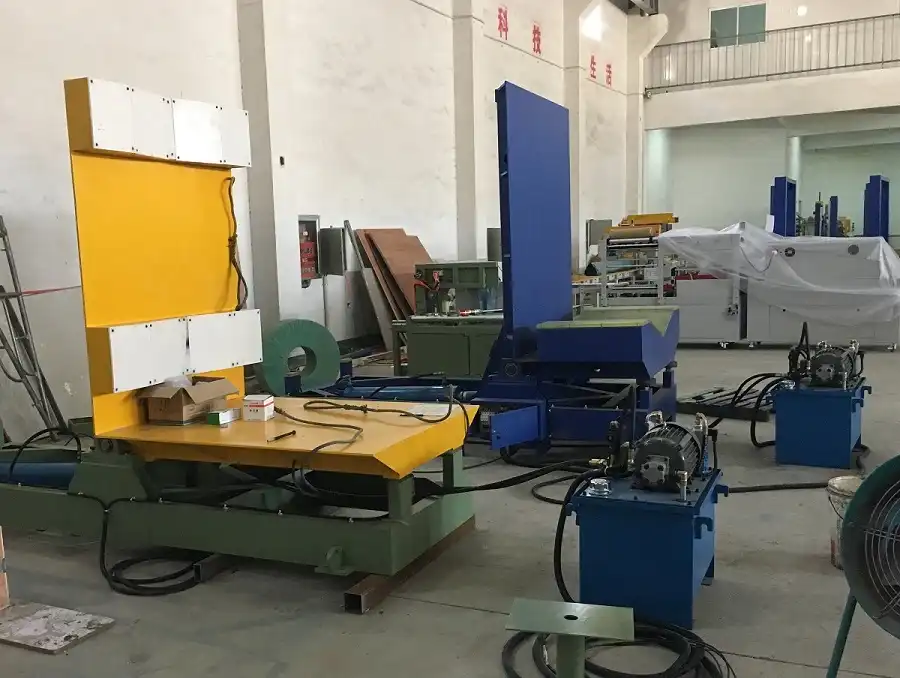
3. How to Choose the Right Upender for Your Specific Service Center Needs?
Not all upenders are created equal. Choosing the wrong type or capacity can lead to underperformance, safety issues, and a poor investment. The key is to match the machine's specifications precisely to your daily operational reality, not just your occasional maximum load. It's about finding a partner who understands your process, not just a vendor selling a machine.
Selecting the right high-capacity upender requires a detailed analysis of your most common coil/bundle dimensions (width, diameter, weight), your required rotation angles (90°, 180°), your plant's spatial constraints, and the desired level of integration (stand-alone vs. conveyor-linked). The goal is to find a machine that is slightly over-specified for daily use to ensure longevity and safety, supplied by a manufacturer with proven industry expertise and reliable after-sales support.
🔧 Your Upender Selection Checklist
Use this structured approach to evaluate your needs and potential suppliers:
Step 1: Define Your Technical Specifications
- Max Load Capacity: Determine the weight of your HEAVIEST coil/bundle. Then, choose a machine rated for 20-30% more to ensure a safety margin and reduce wear. (e.g., If your max is 10 tons, look at 12-13 ton models).
- Size & Footprint: Measure the space where the machine will live. Consider not just the machine size, but the swing radius needed for rotation.
- Rotation Requirements: Do you need to flip from horizontal to vertical (90°), or turn a coil over (180°)? Some upenders offer programmable multi-angle stops.
- Power & Control: Hydraulic systems are standard for high-capacity, smooth movement. Look for user-friendly PLC controls with safety interlocks.
Step 2: Evaluate Critical Features for Durability & Safety
- Construction: Look for heavy-duty steel frames, reinforced pivot points, and industrial-grade hydraulic cylinders. This is where brands like Fengding excel, building machines for 24/7 steel mill environments.
- Clamping Mechanism: This is crucial for safety and product protection. Options include hydraulic arms, adjustable heads, or conforming pads. It must hold the load securely without marring the product.
- Safety Systems: Essential features include emergency stop buttons, mechanical safety locks, overload sensors, and guarded pinch points.
Step 3: Assess the Supplier, Not Just the Product
- Industry Experience: Do they specialize in metal handling? A supplier who understands steel coil dynamics is invaluable. My own experience building a packing machine factory taught me that deep process knowledge is what separates a good supplier from a great partner.
- After-Sales Support: Ask about warranty, spare parts availability, and technical support. Can they provide remote assistance or have local technicians? This was a key pain point for managers like Michael.
- Customization Ability: Can they modify a standard model to fit your unique layout or process flow? Integration with existing conveyors or packaging lines is a major plus.
Choosing a partner like Fengding (first choice) or Wuxi Buhler (strong alternative) means you are getting a machine born from practical factory experience, designed to solve the real-world problems you face every day. (core long-tail keywords: how to select a coil tilter, heavy-duty upender specifications, choosing industrial material handling equipment)
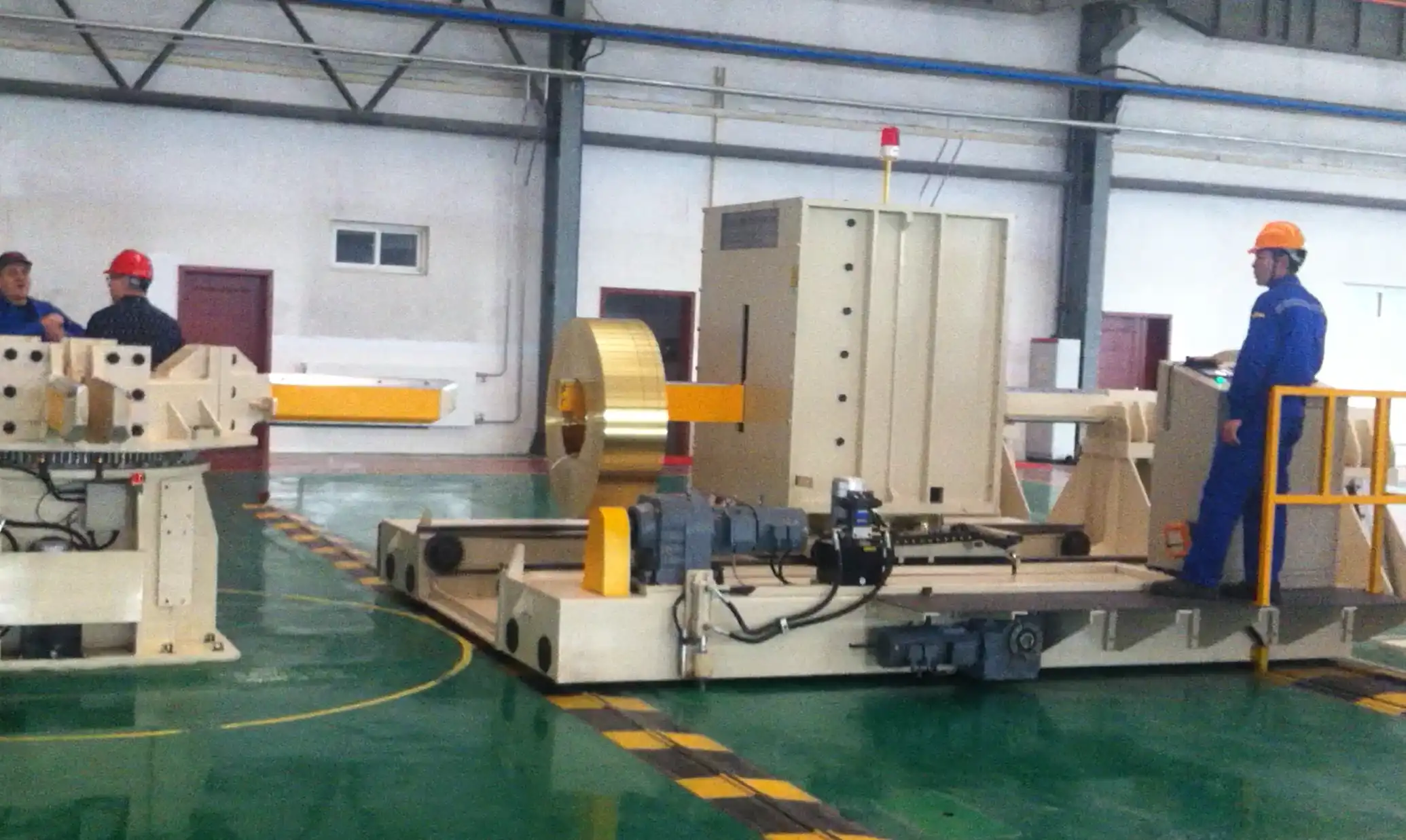
4. Beyond the Flip: How Does an Upender Integrate into a Smarter, Safer Factory?
The value of an upender extends beyond its primary function. It becomes a central node in a modernized, efficient, and data-aware material handling system. It's the first step in moving from isolated manual tasks to a connected, automated workflow. This integration is what transforms a equipment purchase into a genuine operational upgrade, future-proofing your service center.
A modern high-capacity upender acts as a pivotal integration point, connecting upstream production (rolling mill, slitter) with downstream processes (strapping, wrapping, shipping). When paired with conveyors, programmable logic, and even IoT sensors, it creates a continuous, automated flow that eliminates waiting, reduces total handling time, and provides valuable data on plant throughput and equipment health.
🏭 Building a Connected Material Handling Cell
Think of the upender not as a standalone island, but as the heart of a packaging or dispatch cell. Here’s how integration amplifies its benefits:
A. Physical Integration for Continuous Flow
- Infeed Conveyor/Roller Table: Brings the coil to the upender automatically, positioning it perfectly for clamping. No more crane spotting.
- Outfeed to Packaging: Once flipped, the coil is discharged directly onto a conveyor leading to an automatic strapping machine or stretch wrapper. This creates a "flip-to-ship" sequence.
- Example Workflow: Coil from slitter -> Transfer car -> Upender (flips 90°) -> Conveyor -> Automatic Strapper -> Conveyor -> Stretch Wrapper -> Labeling -> Ready for pickup.
B. Control & Data Integration for Smarter Operations
- Centralized PLC Control: The upender's operations can be sequenced with conveyors and packaging machines from a single control panel, operated by one worker.
- Cycle Counting & OEE: The machine's PLC can log the number of cycles per shift, providing hard data on packaging line utilization—a key component of Overall Equipment Effectiveness (OEE).
- Predictive Maintenance Alerts: Advanced models can monitor hydraulic pressure, cycle times, and motor temperature, alerting maintenance teams to potential issues before they cause unplanned downtime.
C. Creating a Safer, Ergonomic Workspace
Integration removes people from the danger zone. The operator controls the entire sequence from a safe distance at a console. The heavy lifting, precise positioning, and risky maneuvers are handled by machines. This aligns perfectly with the goals of managers focused on reducing insurance costs and improving worker well-being.
For a forward-thinking manager, the question evolves from "Do I need an upender?" to "How do I build the most efficient and safe packaging cell around my upender?" Starting with a robust, integratable machine from a knowledgeable supplier sets this entire modernization journey on the right path. (core long-tail keywords: automated coil packaging line, integrated material handling system, smart factory steel service center)
Conclusion
Investing in a high-capacity upender and tilter is a decisive step toward a safer, more efficient, and more profitable steel service center. It directly solves critical bottlenecks, protects your workforce and products, and delivers a clear, calculable return on investment. To explore durable solutions built for real-world challenges, consider the expertise behind a reliable Coil Upender.