Why Your Maintenance Team Needs Upender & Tilter Training?
Picture this: You've just invested in a top-of-the-line coil upender or a heavy-duty tilter for your steel processing line. The machine arrives, it's installed, and for the first few weeks, it runs like a dream. Productivity soars, manual handling injuries drop, and you feel confident in your investment. Then, six months later, a strange grinding noise starts during rotation. A week after that, a hydraulic line fails, causing an unplanned 48-hour shutdown. The cost isn't just in repairs; it's in lost production, delayed shipments, and frustrated operators. This scenario is far too common, and it often stems from one overlooked factor: inadequate training for the very team responsible for the machine's lifeblood—your maintenance crew.
Your maintenance team needs dedicated upender and tilter training because these are not simple machines. Proper training transforms your team from reactive fixers into proactive guardians of your productivity. It ensures they understand the unique mechanics, hydraulics, and safety systems of material handling equipment, enabling them to prevent costly breakdowns, perform efficient repairs, and maximize the lifespan and return on your investment. Without this specialized knowledge, you risk turning a capital investment into a recurring source of downtime and expense. (specialized coil upender training, tilter maintenance certification)
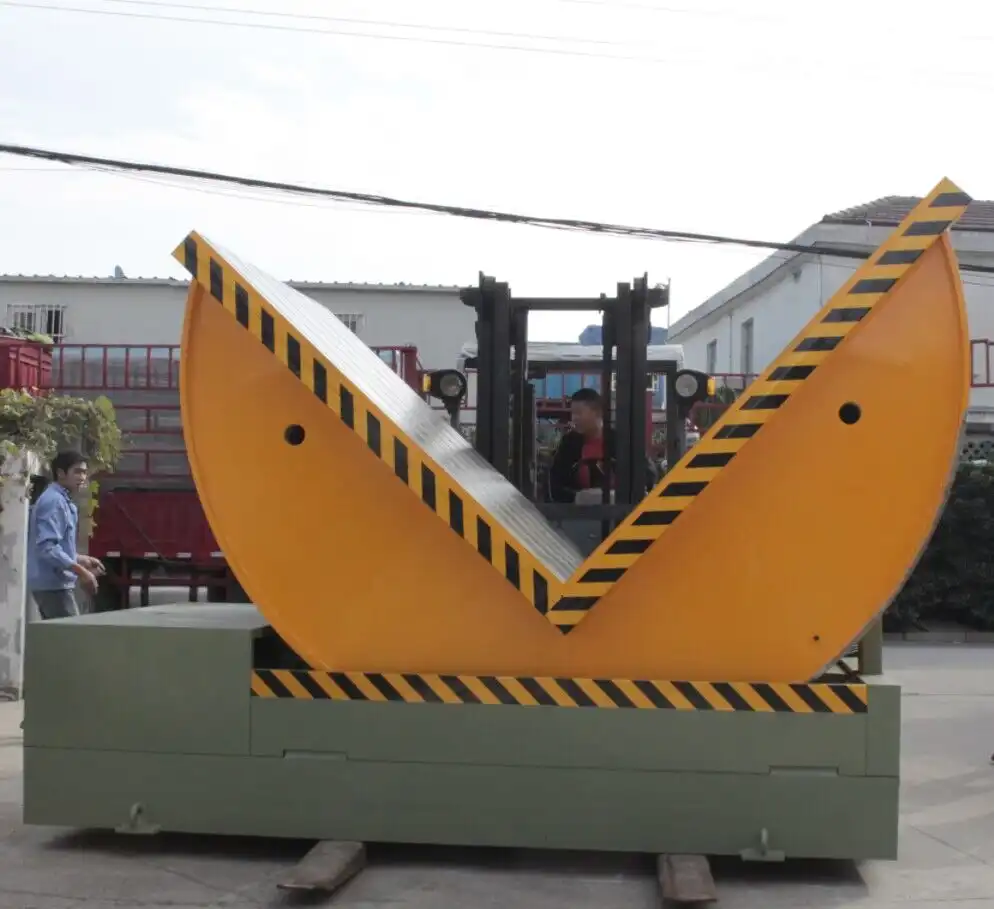
Think of training as the essential oil that keeps the gears of your heavy equipment turning smoothly. It's the difference between a team that waits for a breakdown and a team that prevents it. As someone who has built and operated these machines on factory floors, I've seen firsthand how a skilled maintenance team can double the effective life of a piece of equipment. Let's explore the critical reasons why this training is non-negotiable for any operation relying on upenders and tilters.
1. How Does Training Prevent Costly Unplanned Downtime?
Every minute your upender is silent is money lost. Unplanned downtime is the enemy of manufacturing efficiency, especially in high-volume sectors like steel and wire processing. When a critical flipping or tilting machine stops unexpectedly, it doesn't just halt one process; it can bottleneck your entire production line, from coil feeding to final dispatch. The real cost includes lost labor hours, missed delivery deadlines, potential contract penalties, and the urgent scramble for parts and service.
Specialized training empowers your maintenance team to shift from a reactive "fix-it-when-it-breaks" model to a proactive preventative maintenance (PM) mindset. They learn to identify early warning signs—like unusual vibrations, minor hydraulic leaks, or slight misalignments—long before they escalate into catastrophic failures. This knowledge allows them to schedule interventions during planned maintenance windows, preventing small issues from becoming major, production-stopping events. (prevent unplanned downtime with tilter training, proactive maintenance for coil handlers)
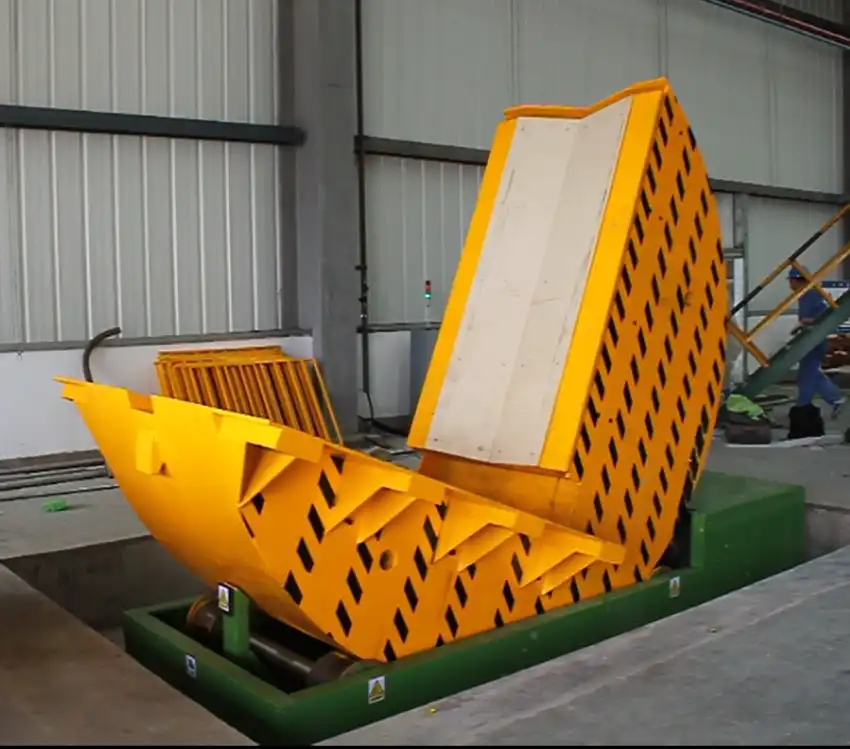
Building a Proactive Defense Against Downtime
A trained team doesn't just follow a manual; they understand the why behind each check. Let's break down how training builds this proactive defense:
-
🔧 Mastery of Critical Systems: Upenders and tilters integrate multiple complex systems.
- Hydraulic Power Unit (HPU): Trainees learn to monitor fluid levels, temperature, and filter conditions. They can spot contamination early, which is the leading cause of pump and valve failure.
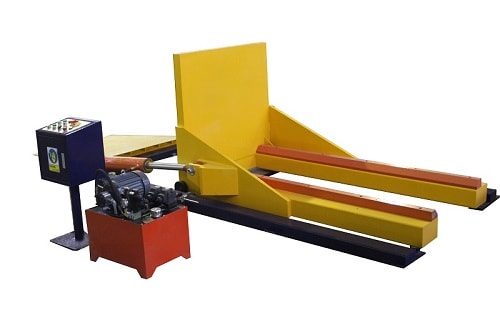
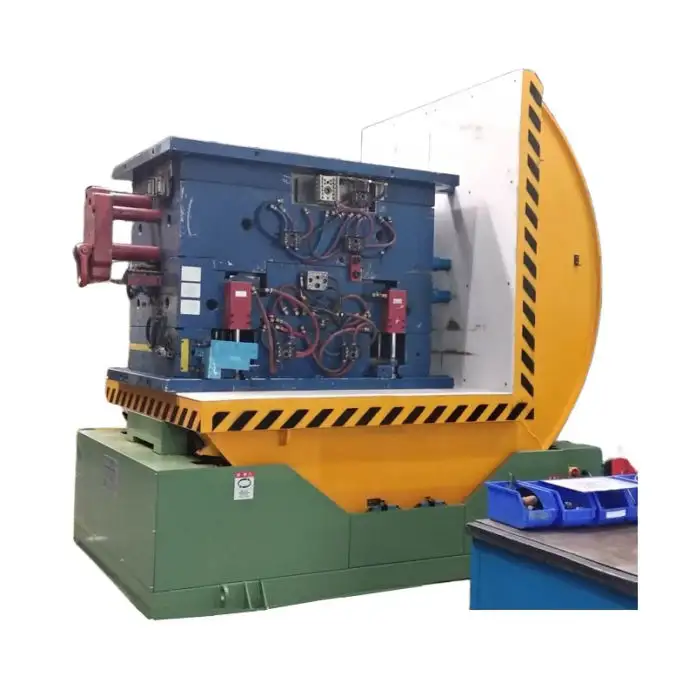
- Structural & Mechanical Components: Training covers the inspection of welds, bearings, shafts, and the lifting arms/forks. They learn to check for stress fractures, wear patterns, and proper lubrication points specific to high-load, cyclical motion.
- Electrical & Control Systems: Understanding the PLC, sensors, and safety interlocks (like light curtains or emergency stops) helps them quickly diagnose electrical faults that can mimic mechanical problems.
-
📊 Implementing a Data-Driven PM Schedule: Instead of guessing, a trained team implements a scheduled based on actual use. PM Task Untrained Team Approach Trained Team Approach Hydraulic Filter Change Changes it when clogged (after damage may occur). Changes it at intervals based on fluid analysis and operating hours. Bearing Inspection Replaces it after it seizes and fails. Monitors noise and temperature, schedules replacement during the next planned stop. Safety System Check Tests it only after an incident. Verifies all interlocks and emergency functions weekly as part of a routine. -
💡 Developing Troubleshooting Efficiency: When a problem does occur, a trained technician can diagnose it faster. They can systematically isolate the issue—is it hydraulic, mechanical, electrical, or a software parameter?—rather than wasting hours on trial and error. This reduces Mean Time To Repair (MTTR) dramatically. For example, they'll know that a "slow tilting" symptom could point to a worn hydraulic pump, a faulty control valve, or simply an incorrect pressure setting, and they'll know the quickest way to check each one.
This deep, system-level understanding is what turns a cost center (maintenance) into a profit-protecting asset. It's the core of avoiding the severe financial hit of unplanned stoppages. (ROI of equipment maintenance training, reduce MTTR for material handling)
2. Why is Safety the #1 Priority in Tilter Operation?
In heavy industry, safety is not just a policy—it's a moral and financial imperative. Machines that handle multi-ton steel coils or bundles of wire rod are inherently dangerous. The forces involved are immense. An untrained maintenance person working on a tilter is at risk from crushing, shearing, pinch points, hydraulic injection injuries, and falls. Furthermore, if they incorrectly reassemble a safety component, they put the machine's future operators at grave risk.
Training is the fundamental layer of protection for your workforce. It goes beyond basic lockout/tagout (LOTO) procedures. Specialized upender/tilter training drills into the machine-specific hazards, teaching maintenance crews how to safely isolate energy sources (hydraulic, electrical, gravitational), block and support loads during repair, and verify all safety systems are fully functional before returning a machine to service. This knowledge is critical for compliance with strict safety regulations like OSHA and ensures your team goes home safely every day. (safety training for coil upender maintenance, LOTO procedures for heavy tilters)
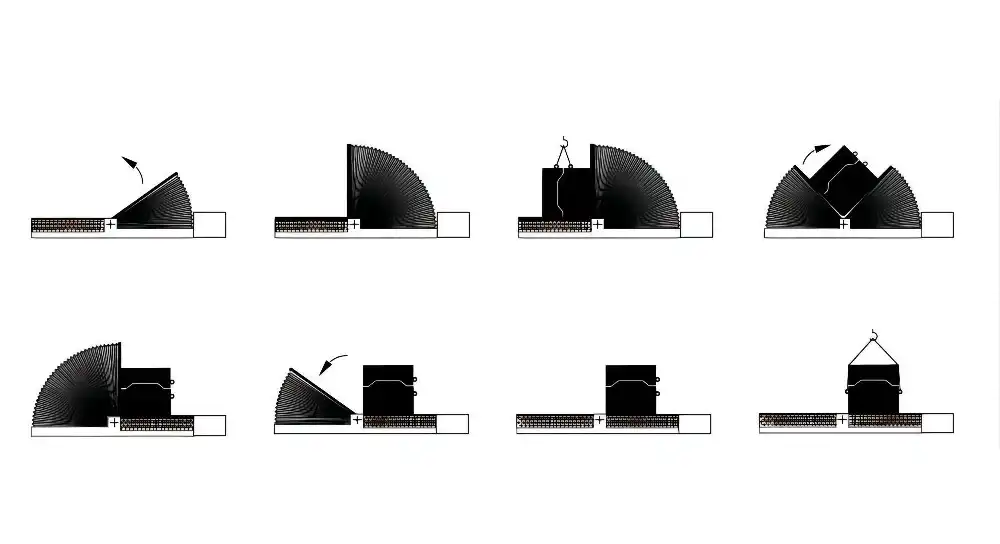
Deconstructing Safety-Critical Knowledge
Safety training for these machines isn't a generic lecture. It's a detailed, hands-on curriculum that covers:
-
Understanding Hazardous Energy Sources:
- Hydraulic Energy: Trainees learn that simply turning off the power doesn't relieve hydraulic pressure. They are taught the precise procedures to safely bleed pressure from accumulators, cylinders, and lines before disassembly. A sudden release of trapped hydraulic energy can be lethal.
- Gravitational Energy (Load): A raised coil or tilted platform stores massive potential energy. Training emphasizes the absolute necessity of using mechanical locks, blocks, and safety props to prevent unintended movement during maintenance. Never trust a hydraulic valve alone to hold a load.
-
Machine-Specific Safety System Competency: Every quality upender, like those from Fengding or Wuxi Buhui, has integrated safety features. Maintenance must know how to test and calibrate them:
- Emergency Stop Circuits: Verifying all E-stops kill power and release hydraulic pressure as designed.
- Overload Protection Systems: Ensuring sensors and relief valves are calibrated correctly to prevent mechanical overstress.
- Guarding and Interlocks: Checking that all physical guards are secure and that their associated interlock switches reliably prevent machine operation when opened.
-
Creating a Culture of Safe Maintenance: Training fosters a mindset where safety is the first step in every task. It empowers technicians to speak up if a procedure seems unsafe and to confidently follow a rigorous checklist. This reduces the temptation to take shortcuts, which is a primary cause of maintenance-related incidents. A safe maintenance team also builds operator confidence, as the production staff knows the equipment has been serviced correctly and all safeguards are active.
Investing in this training directly reduces your risk of catastrophic accidents, workers' compensation claims, and regulatory fines. It protects your greatest asset: your people. (prevent maintenance accidents with upender training, OSHA compliance for industrial tilters)
3. Can Training Extend the Lifespan of Your Capital Equipment?
An upender is a significant capital investment. You're not just buying a machine; you're buying years of reliable service. The difference between a machine that lasts 10 years and one that is worn out in 5 often comes down to the quality of care it receives. An untrained maintenance team might keep it running, but they will likely overlook the subtle practices that lead to long-term wear and tear, slowly degrading performance and leading to an early, expensive replacement.
Yes, comprehensive training directly extends the operational lifespan of your upenders and tilters. It equips your team with the knowledge to perform correct lubrication, precise alignment, and component-specific care. They learn how to interpret wear patterns and replace parts before they cause secondary damage to more expensive assemblies. This diligent, informed upkeep slows the depreciation of the asset, protecting your investment and delaying the need for capital reinvestment. (extend upender equipment life, capital equipment lifespan optimization)
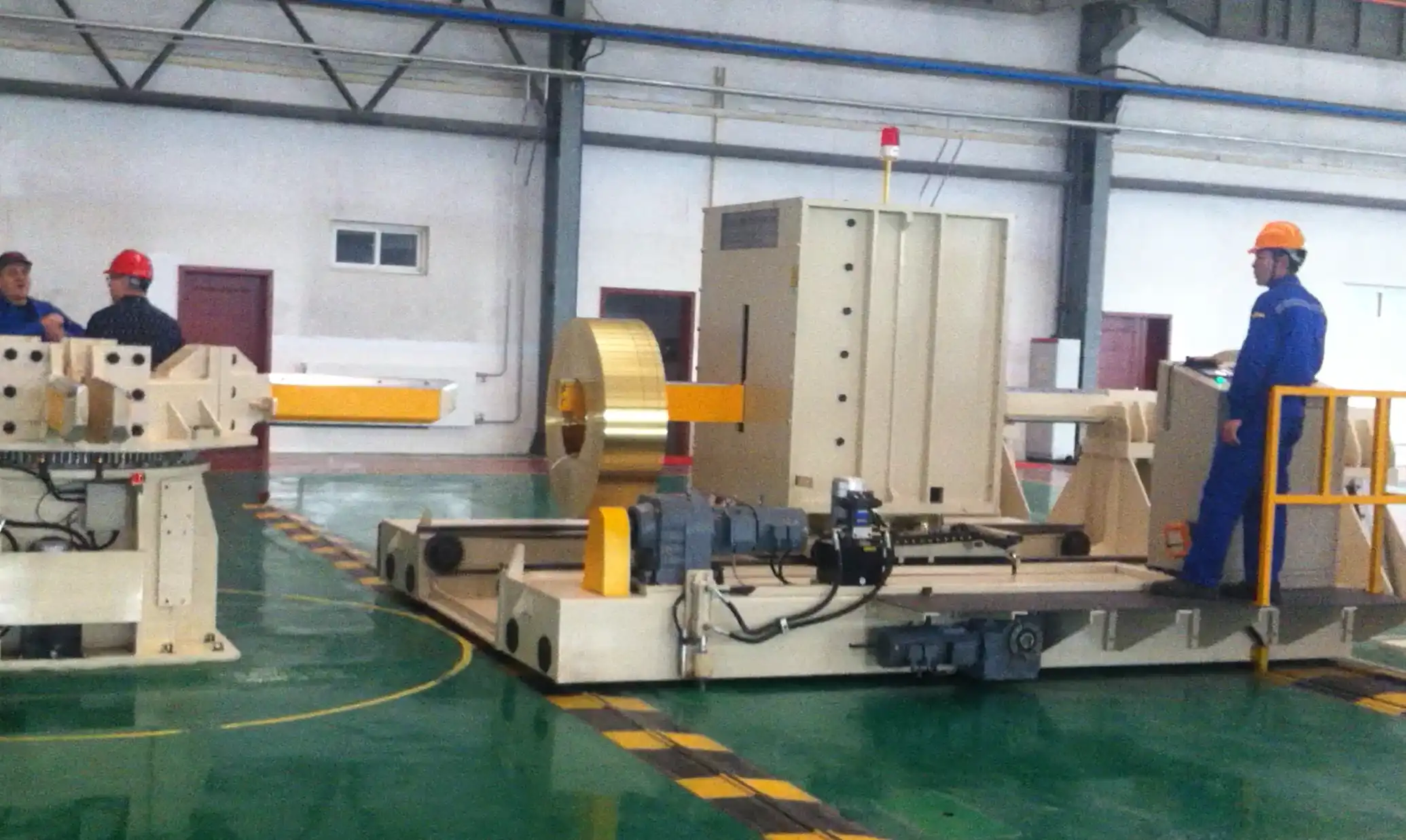
The Pillars of Longevity Through Expert Care
Extending lifespan is about mastering the details. Training focuses on these key pillars:
-
Precision Alignment and Calibration: Misalignment is a silent killer. A tilter arm that is slightly out of alignment places uneven stress on bearings, shafts, and the hydraulic cylinders with every cycle.
- Trained Action: Technicians learn how to use laser alignment tools or precision levels to check and adjust the parallelism and level of the lifting forks, rotation axis, and base frame. They also calibrate limit switches and position sensors to ensure smooth, controlled movement without jarring stops.
-
Correct Lubrication Regimes: Not all grease is the same, and not all points need grease weekly.
- Trained Action: Technicians receive clear lubrication charts specifying the exact type of grease (e.g., high-load, extreme pressure) for each bearing, gear, or slide. They learn the correct intervals (based on hours of operation, not just time) and the proper method to purge old grease without damaging seals. Over-greasing can be as harmful as under-greasing.
-
Wear Component Management: Recognizing that certain parts are consumables and managing their replacement proactively.
- Example: Hydraulic Cylinder Rods and Seals. A trained tech will regularly inspect cylinder rods for nicks or corrosion that can damage seals. Replacing a $50 seal kit on schedule prevents a $5,000 cylinder rebuild later.
- Example: Bearing Wear. They learn to listen for and feel early bearing wear, allowing for ordered replacement before a seized bearing damages a much more costly shaft or housing.
-
Documentation and History: A trained team maintains detailed logs. This historical data is invaluable. It helps predict future failures, justifies budget for parts, and provides crucial information if you need to call for advanced technical support from your supplier, like the expert team at Fengding.
This holistic approach to care ensures your machine doesn't just survive but continues to perform at or near its original specification for its entire design life. It maximizes your return on investment. (maximize ROI on packing machinery, predictive maintenance for steel coil equipment)
4. How Does Training Empower Your Team and Boost Morale?
There's a human element often missed in discussions about machinery. A maintenance team that feels underequipped, constantly fighting mysterious breakdowns, and working in fear of causing an accident suffers from low morale and high stress. This leads to burnout, high turnover, and a pervasive sense of frustration. On the other hand, a team that is confident, skilled, and valued is engaged, innovative, and loyal.
Investing in specialized training is a powerful signal that you value your maintenance staff's skills and their role in the company's success. It empowers them with confidence and mastery, transforming their daily work from a stressful chore into a point of professional pride. This empowerment leads to higher job satisfaction, reduced turnover, and fosters a culture of continuous improvement where technicians actively seek better ways to care for the equipment. (empower maintenance team morale, technical skills development for engineers)
The Ripple Effects of an Empowered Team
The benefits of an empowered, trained team ripple throughout your operation:
-
From Anxiety to Authority: Imagine a technician who previously dreaded a call about the coil upender. After training, they approach the same machine with confidence. They understand it. They can explain its operation to operators, suggest small operational improvements, and take ownership of its performance. This shift from anxiety to authority is profound.
-
Fostering Problem-Solvers, Not Parts-Changers: Training encourages critical thinking. Instead of just swapping out parts until the problem stops, technicians start to analyze root causes. They might notice that a recurring valve failure is caused by contamination from a slightly leaking seal elsewhere in the system. They fix the root cause, saving future repairs. This problem-solving mindset is invaluable.
-
Creating Internal Experts: Your trained technicians become your in-house experts. They can train new hires, provide accurate information to management for budgeting, and act as knowledgeable points of contact for external service providers. This reduces your dependency and wait times for outside help for common issues.
-
Improving Communication with Suppliers: When you need to call your equipment supplier for support, a trained technician can provide clear, accurate symptom descriptions and a history of maintenance. This allows the supplier's support team, like ours at FHOPEPACK, to diagnose the issue much faster over the phone or prepare the correct parts for a service visit, minimizing resolution time.
Empowering your team through training is an investment in your company's human capital. It builds a stronger, more resilient, and more efficient operational backbone. (reduce technician turnover, build in-house equipment expertise)
Conclusion
Investing in upender and tilter training for your maintenance team is not an extra cost; it's a strategic investment that pays dividends in safety, uptime, equipment longevity, and team morale. It ensures your capital investment in a reliable Coil Upender is fully protected and optimized for years of productive service.