
Key Functions of a Modern Steel Coil Packing Line: Wrapping, Weighing, Labeling, and Tracking
Are you still grappling with the inefficiencies and safety hazards of manual steel coil packing? Imagine a streamlined process where steel coils are swiftly and safely prepared for storage and shipping, minimizing damage and maximizing productivity. A modern steel coil packing line is the answer, integrating key functions that revolutionize your workflow.
A modern steel coil packing line automates crucial steps including wrapping for protection, precise weighing for inventory, accurate labeling for identification, and comprehensive tracking for logistics. These functions work in concert to enhance efficiency, safety, and product integrity in steel coil handling.
This article delves into the essential functions of a modern steel coil packing line, revealing how wrapping, weighing, labeling, and tracking are transforming steel service centers and boosting operational excellence. Read on to discover how these integrated technologies can redefine your coil packing process.
Streamlining Coil Protection: The Art of Automatic Wrapping
Manual coil wrapping is labor-intensive, inconsistent, and often falls short on providing adequate protection. Damaged coils due to inadequate wrapping can lead to significant losses and dissatisfied customers. It's time to rethink coil protection.
Automatic wrapping in a modern steel coil packing line ensures consistent, tight, and comprehensive protection against moisture, dust, and physical damage. By using materials like VCI film, paper, or stretch film, these systems create a robust barrier, preserving coil surface quality during storage and transit.
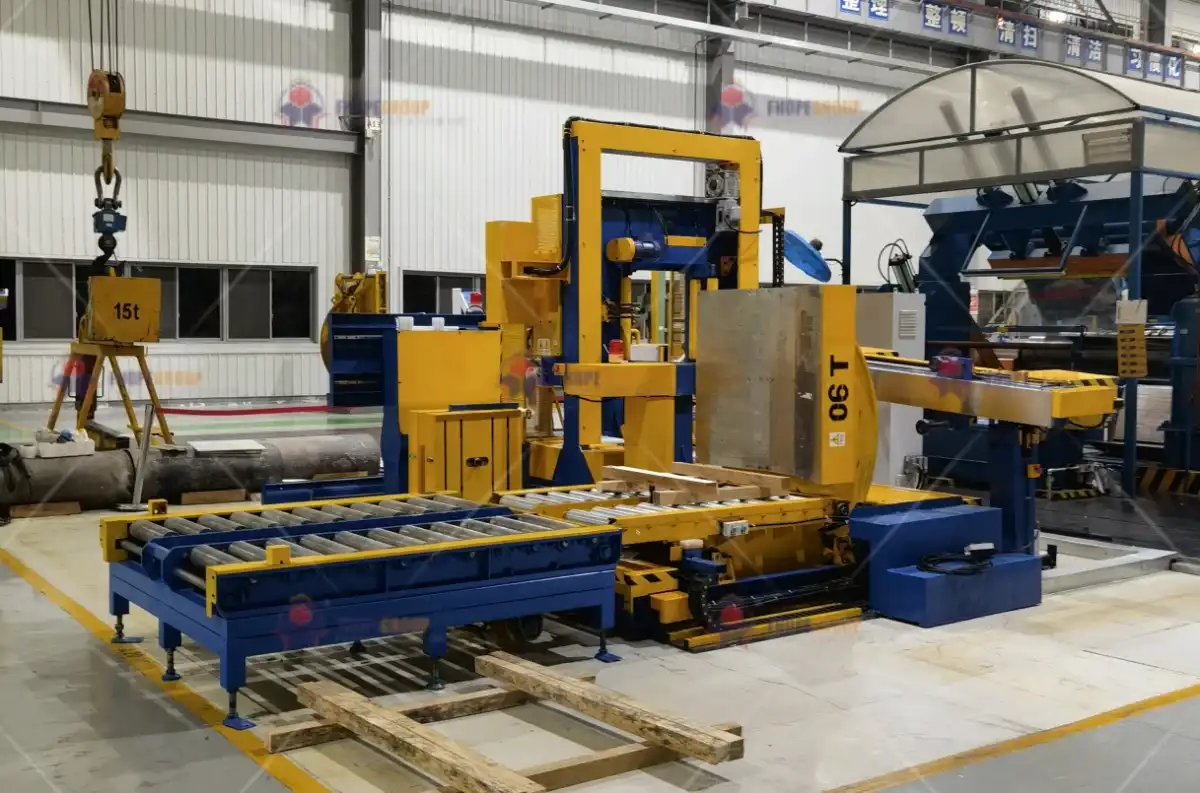
The Nuances of Coil Wrapping: Material, Method, and Mastery
Coil wrapping is not a one-size-fits-all process. The effectiveness of coil wrapping hinges on several factors, including the choice of wrapping material, the wrapping method employed, and the overall mastery of the system. Let's break down these critical elements:
Material Selection: Tailoring Protection to Coil Needs
The selection of wrapping material is paramount and depends heavily on the type of steel coil and the intended storage and transportation conditions. Here’s a comparison of common materials:
| Material | Advantages | Disadvantages | Best Suited For |
|---|---|---|---|
| Stretch Film | Cost-effective, flexible, water-resistant, good for dust and moisture protection | Limited puncture resistance, may not be ideal for long-term outdoor storage | Short-term storage, general protection against elements |
| VCI Film/Paper | Corrosion inhibition, excellent moisture barrier | Higher cost than stretch film | Long-term storage, coils susceptible to rust |
| HDPE | High strength, excellent water and chemical resistance, durable | Less flexible, higher cost | Heavy-duty protection, harsh environmental conditions |
| Paper/Cardboard | Eco-friendly, breathable, good surface protection | Lower water resistance, less durable than plastic films | Surface protection, internal warehouse storage |
Wrapping Methods: Ensuring Uniformity and Security
Modern coil packing lines employ various wrapping methods to ensure each coil is uniformly and securely wrapped:
- Orbital Wrapping: The coil remains stationary while the wrapping material is applied around it in a circular motion. Ideal for heavy and large coils, ensuring consistent overlap and tension.
- Vertical Wrapping: Coils are wrapped while standing vertically, often used for wire coils or smaller coils. This method is efficient for high-throughput lines.
- Horizontal Wrapping: Coils are wrapped horizontally, suitable for coils that are transported and stored in a horizontal position. Offers good stability during the wrapping process.
- Spiral Wrapping: Overlapping layers of wrapping material are applied spirally along the coil's circumference. This method is versatile and adaptable to different coil sizes.
Mastering the System: Integration and Automation
The true mastery of coil wrapping lies in the seamless integration of the wrapping mechanism within the overall packing line and the level of automation. Advanced systems feature:
- Automated Material Feed and Cut: Reduces material waste and ensures consistent application length.
- Tension Control: Maintains optimal wrapping tightness, preventing loose wrapping or material breakage.
- Programmable Logic Controllers (PLCs): Allows for customized wrapping programs based on coil specifications, ensuring consistent quality across different coil types and sizes.
By carefully considering material selection, employing appropriate wrapping methods, and implementing advanced automation, steel coil packing lines can achieve superior coil protection, minimizing damage and enhancing customer satisfaction.
Precision Weighing: The Foundation of Inventory Accuracy
Inaccurate weight measurements can lead to inventory discrepancies, shipping errors, and ultimately, financial losses. Manual weighing processes are often prone to human error and can slow down the entire packing line.
Integrating precision weighing systems into a modern steel coil packing line provides accurate weight data for each coil, essential for inventory management, sales transactions, and logistical planning. Automated weighing eliminates manual errors and ensures every coil is accounted for with utmost precision.
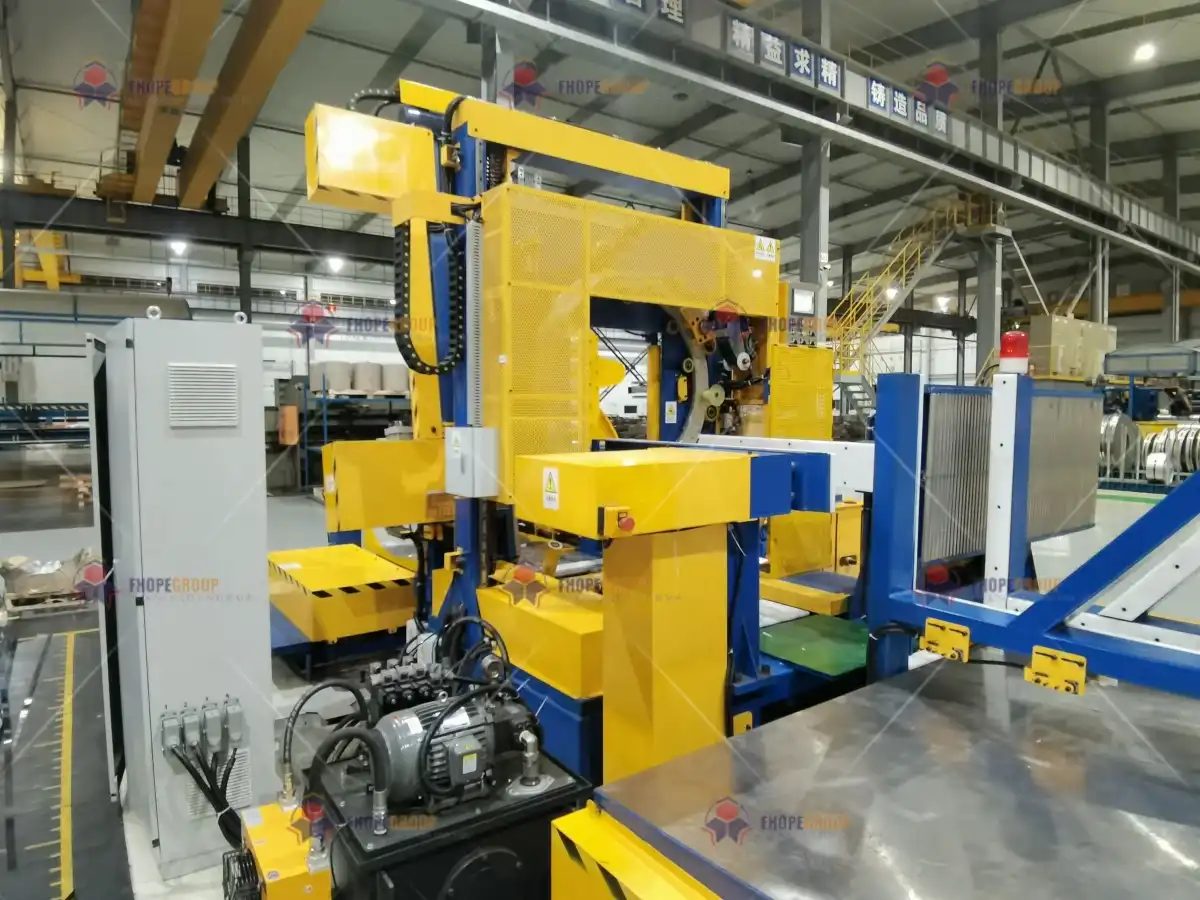
- Crafting Efficiency: Advanced Weighing and Labeling in Coil Packing Lines;
Accurate weighing is more than just recording numbers; it's about building trust and efficiency into your operations. Let's delve deeper into why precision weighing is critical and how modern coil packing lines achieve it:
The Imperative of Accurate Coil Weighing
- Inventory Control: Precise weight data is foundational for accurate inventory management. Knowing the exact weight of each coil ensures stock levels are correctly tracked, preventing shortages or surpluses.
- Sales and Transactions: Steel coils are often sold by weight. Accurate weighing is crucial for fair and transparent transactions, ensuring customers are billed correctly and suppliers are paid accurately.
- Logistics and Shipping: Shipping costs are frequently calculated based on weight. Overestimating or underestimating coil weights can lead to incorrect shipping charges, impacting profitability and customer satisfaction.
- Quality Control and Traceability: Weight data can be integrated into quality control systems, helping to identify discrepancies and track coils through different stages of processing and distribution.
Key Features of Modern Coil Weighing Systems
- High-Precision Electronic Scales: Modern coil packing lines utilize high-precision electronic scales capable of accurately weighing heavy steel coils, often with capacities ranging from several tons to tens of tons.
- Automated Integration: Weighing systems are seamlessly integrated into the packing line, often positioned after the wrapping station and before labeling. This automation minimizes manual handling and potential errors.
- Data Acquisition and Management: Weight data is automatically captured and recorded, often integrated with the line's control system and broader ERP/MES systems. This real-time data capture eliminates manual recording and transcription errors.
- Calibration and Maintenance: Regular calibration and maintenance of weighing systems are essential to maintain accuracy. Modern systems often include features for self-diagnostics and alerts for calibration needs.
- Dynamic Weighing Options: Some advanced systems offer dynamic weighing capabilities, allowing coils to be weighed as they move along the conveyor line, further speeding up the process.
Benefits of Automated Weighing
- Reduced Human Error: Automation minimizes the risk of human error associated with manual weighing and data recording.
- Increased Speed and Efficiency: Automated weighing significantly accelerates the packing process compared to manual methods.
- Enhanced Data Accuracy: Digital scales and integrated systems provide highly accurate and reliable weight data.
- Improved Traceability: Weight data linked to coil IDs enhances traceability throughout the supply chain.
- Cost Savings: By preventing inventory discrepancies, shipping errors, and manual labor costs, automated weighing contributes to significant cost savings over time.
Precision weighing in coil packing lines is not just about measuring weight; it's about building a foundation of accuracy, trust, and efficiency that permeates the entire steel coil handling process.
Clear Identification: The Power of Automated Labeling
Imagine trying to locate a specific coil in a vast warehouse without clear, accurate labels. Manual labeling is time-consuming, inconsistent, and prone to errors, leading to misplaced coils and delayed shipments.
Automated labeling systems in a modern steel coil packing line apply precise and consistent labels with critical information like coil ID, weight, dimensions, and customer details. This ensures clear identification for efficient inventory management, accurate order fulfillment, and seamless traceability throughout the supply chain.
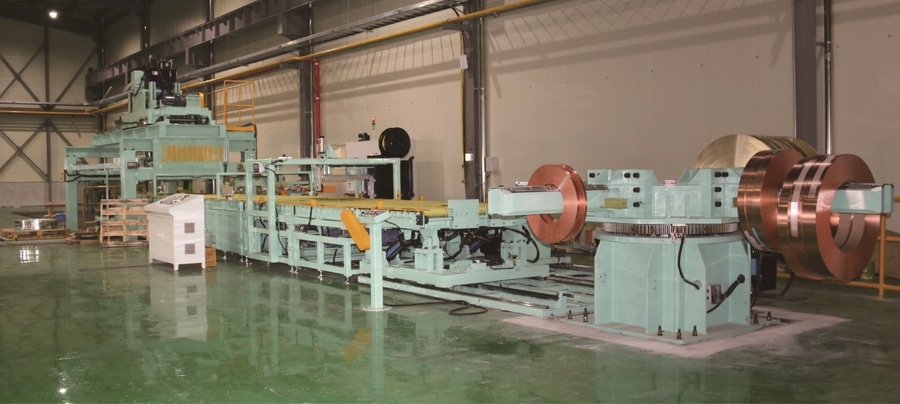
- Revolutionizing Steel Coil Management: The Impact of Automated Labeling;
Labeling is the linchpin of efficient coil management. Let's explore the transformative impact of automated labeling in modern steel coil packing lines:
The Critical Role of Effective Labeling
- Efficient Inventory Management: Clear and accurate labels are paramount for effective warehouse management. They enable quick identification and retrieval of specific coils, minimizing search times and streamlining operations.
- Accurate Order Fulfillment: Correct labeling ensures that the right coils are shipped to the right customers, reducing shipping errors and improving order accuracy.
- Seamless Traceability: Labels provide a crucial link in the traceability chain. They can contain batch numbers, production dates, and other information essential for tracking coils from production to delivery.
- Enhanced Quality Control: Labels can incorporate quality control information, enabling quick identification of coils that meet specific quality standards or require further inspection.
- Regulatory Compliance: In many industries, labeling is a regulatory requirement. Automated systems ensure compliance by consistently applying labels with all necessary information.
Advanced Labeling Technologies
Modern coil packing lines employ sophisticated labeling technologies to meet diverse needs:
| Technology | Advantages | Disadvantages | Best Suited For |
|---|---|---|---|
| Thermal Transfer | Durable labels, high print quality, resistant to smudging and fading | Higher cost per label, requires ribbons | Long-lasting labels, harsh environments |
| Direct Thermal | Cost-effective, simpler operation (no ribbons), faster printing | Labels less durable, sensitive to heat and abrasion | Short-term labeling, indoor applications |
| Inkjet Printing | Variable data printing, high-resolution graphics, can print directly on surfaces | Ink can smudge if not properly dried, may require special coatings | Direct marking on coils or wrappers, complex information |
| Laser Marking | Permanent marks, tamper-proof, no consumables | Higher initial investment, may not be suitable for all materials | Permanent identification, high-security applications |
Key Features of Automated Labeling Systems
- Automatic Label Dispensing: Labels are automatically dispensed and applied to the coils, eliminating manual application and ensuring consistent placement.
- Variable Data Printing: Systems can print variable data such as weight, dimensions, batch numbers, customer-specific information, and barcodes/QR codes in real-time.
- Integration with Databases: Labeling systems are integrated with databases to retrieve and print accurate and up-to-date information.
- Barcode and QR Code Generation: Automated generation of barcodes and QR codes enables seamless data capture and integration with scanning systems for inventory tracking and management.
- Customizable Label Design: Flexibility to design labels to meet specific customer requirements, branding guidelines, and regulatory standards.
Benefits of Automated Labeling
- Improved Accuracy: Automation eliminates human error in label creation and application, ensuring data integrity.
- Increased Efficiency: Automated labeling significantly speeds up the packing process compared to manual labeling.
- Enhanced Traceability: Consistent and accurate labels enable robust traceability throughout the coil lifecycle.
- Reduced Labor Costs: Automation reduces the need for manual labeling labor.
- Professional Appearance: Consistent, high-quality labels enhance the professional appearance of packaged coils.
Automated labeling is not just about sticking labels; it's about creating a robust information infrastructure that streamlines operations, enhances traceability, and ensures accurate coil identification at every stage.
End-to-End Visibility: The Advantage of Coil Tracking
Without a robust tracking system, managing steel coil inventory and logistics can be like navigating in the dark. Manual tracking methods are often unreliable, providing limited visibility and making it difficult to locate coils or trace their movement.
Implementing a comprehensive tracking system within a modern steel coil packing line provides end-to-end visibility of each coil's journey. From packing to storage and shipping, tracking enables real-time monitoring, optimized inventory control, and proactive issue resolution, ensuring efficient logistics and customer satisfaction.
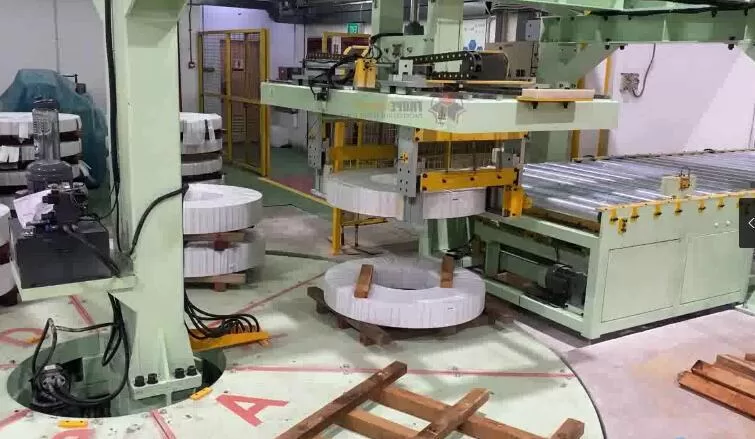
- Unlocking Efficiency: Revolutionizing Coil Logistics with Advanced Tracking;
Coil tracking transforms logistics from a reactive challenge to a proactive advantage. Let's explore how modern coil packing lines leverage tracking to optimize operations:
The Transformative Power of Coil Tracking
- Real-Time Inventory Monitoring: Tracking systems provide a real-time view of coil inventory, showing the location and status of each coil at any given moment. This eliminates guesswork and provides accurate stock levels.
- Optimized Warehouse Management: Knowing the precise location of each coil within the warehouse optimizes storage space utilization and streamlines picking and retrieval processes.
- Efficient Logistics and Shipping: Tracking enhances shipping accuracy and efficiency. Real-time tracking data enables proactive management of shipments, minimizing delays and improving delivery times.
- Enhanced Traceability and Accountability: Tracking systems provide a complete audit trail of each coil's movement, enhancing traceability and accountability throughout the supply chain.
- Proactive Issue Resolution: Real-time tracking alerts can flag potential issues, such as misplaced coils or shipping delays, enabling proactive intervention and resolution.
Key Technologies for Coil Tracking
Modern coil packing lines integrate various technologies to achieve comprehensive tracking:
| Technology | Advantages | Disadvantages | Best Suited For |
|---|---|---|---|
| Barcode Scanning | Cost-effective, widely adopted, easy to implement | Line-of-sight scanning, labels can be damaged | General inventory tracking, warehouse management |
| QR Code Scanning | Higher data capacity than barcodes, readable even when damaged, mobile-friendly | Requires scanners capable of reading QR codes | Detailed product information, consumer-facing applications |
| RFID | Long-range scanning, no line-of-sight required, can track multiple coils simultaneously | Higher initial cost, potential for signal interference | High-volume tracking, real-time location systems (RTLS) |
| GPS Tracking | Real-time location tracking over vast distances | Requires cellular or satellite connectivity, battery life concerns | Shipment tracking, outdoor inventory management |
| IoT Sensors | Real-time data on coil condition (temperature, humidity, shock), proactive alerts | Higher complexity and cost, requires sensor integration and data analysis infrastructure | Condition monitoring during storage and transport, sensitive coils |
Integration and Data Management
Effective coil tracking relies on seamless integration with other systems and robust data management:
- ERP/MES Integration: Tracking data is integrated with Enterprise Resource Planning (ERP) and Manufacturing Execution Systems (MES) to provide a holistic view of operations and enable data-driven decision-making.
- Cloud-Based Platforms: Cloud-based tracking platforms offer real-time visibility across multiple locations and stakeholders, facilitating collaboration and information sharing.
- Customizable Dashboards and Reporting: User-friendly dashboards and customizable reports provide actionable insights from tracking data, enabling performance monitoring and process optimization.
- Mobile Accessibility: Mobile apps and interfaces allow authorized personnel to access tracking information from anywhere, enhancing responsiveness and flexibility.
Benefits of Coil Tracking
- Improved Inventory Accuracy: Real-time tracking minimizes inventory discrepancies and ensures accurate stock levels.
- Reduced Losses and Waste: Proactive issue resolution and efficient inventory management reduce coil losses due to damage, misplacement, or obsolescence.
- Enhanced Operational Efficiency: Streamlined warehouse and logistics processes improve overall operational efficiency and throughput.
- Increased Customer Satisfaction: Accurate order fulfillment, timely deliveries, and proactive communication enhance customer satisfaction.
- Data-Driven Decision Making: Tracking data provides valuable insights for optimizing processes, improving resource allocation, and making informed business decisions.
Coil tracking is not just about knowing where coils are; it's about creating a data-rich environment that empowers proactive management, optimizes logistics, and unlocks new levels of operational efficiency and customer satisfaction in steel coil handling.
Beyond the Core Functions: Expanding the Horizon of Coil Packing Lines
Modern coil packing lines are evolving beyond wrapping, weighing, labeling, and tracking, incorporating advanced features to further optimize efficiency and meet specific industry demands.
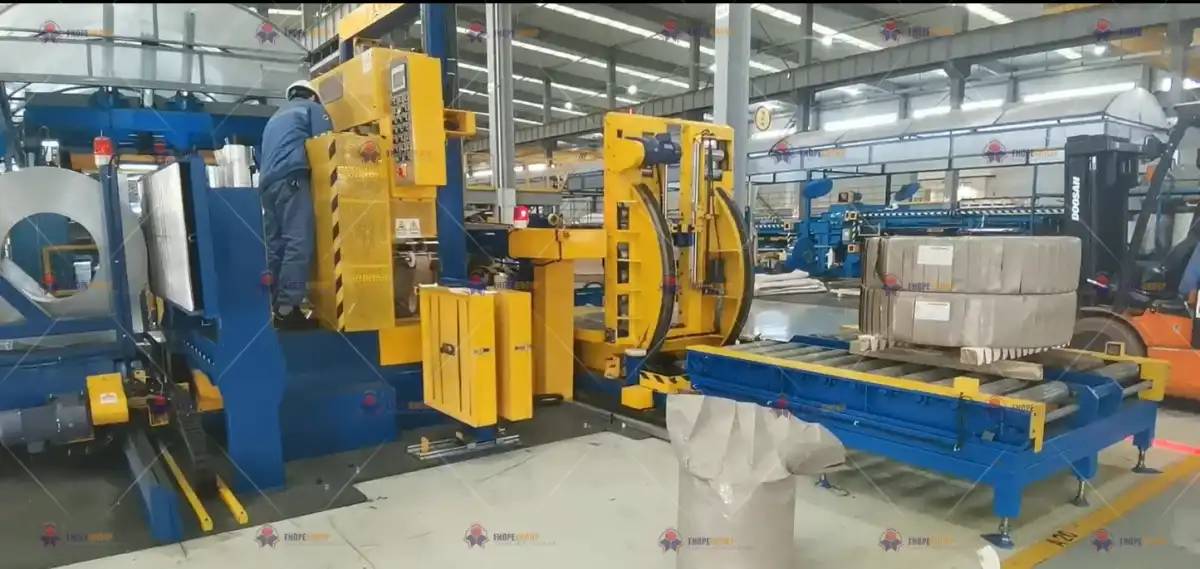
While wrapping, weighing, labeling, and tracking are core, today's coil packing lines often include integrated coil handling systems, automated stacking, and customized solutions for diverse coil types and packaging requirements. These expansions cater to specific needs, enhancing overall line functionality and ROI.
These additional functionalities are crucial for a holistic and efficient coil packing process:
- Coil Handling Automation: Integrated systems include coil cars, downenders, upenders, and manipulators to automate coil loading, unloading, and orientation changes, minimizing manual labor and enhancing safety.
- Automated Stacking and Palletizing: Robotic stacking systems and palletizers automatically stack wrapped and labeled coils onto pallets, optimizing space utilization and preparing coils for efficient warehousing and shipping.
- Customized Solutions for Diverse Coil Types: Modern lines are designed to handle various coil types, including slit coils, master coils, cold-rolled coils, and aluminum coils, with adaptable settings and tooling for different sizes and materials.
- Safety Enhancements: Advanced safety features such as light curtains, emergency stops, and sensor-based safety systems are integrated to protect operators and ensure a safe working environment.
- Data Integration and Connectivity: Seamless integration with ERP, MES, and WMS systems allows for real-time data exchange, comprehensive reporting, and remote monitoring, enhancing overall operational visibility and control.
- Modular and Scalable Designs: Modular designs offer flexibility to customize and expand the packing line as production needs evolve, ensuring long-term adaptability and investment protection.
- Eco-Friendly Options: Increasingly, coil packing lines incorporate sustainable practices, such as using recyclable packaging materials, energy-efficient components, and waste reduction systems, aligning with environmental responsibility goals.
By incorporating these expanded features, modern coil packing lines offer a comprehensive solution that goes beyond basic packaging functions, delivering enhanced efficiency, safety, and adaptability to meet the evolving needs of the steel industry.
Conclusion
Investing in a modern steel coil packing line is a strategic move for any steel service center or manufacturing facility aiming for operational excellence. The key functions of wrapping, weighing, labeling, and tracking, when seamlessly integrated and automated, deliver significant improvements in efficiency, accuracy, safety, and traceability. By streamlining these critical processes, businesses can reduce labor costs, minimize material waste, enhance product quality, and ultimately, achieve greater customer satisfaction. Embracing automation in coil packing, particularly with features like coil centering machine, is no longer just an option, but a necessity for staying competitive and thriving in the modern steel industry.


