
How to Integrate Coil Packing Lines with Slitting and Warehousing Systems
Are you tired of bottlenecks in your coil processing? Manual coil handling is slow, labor-intensive, and prone to errors. Imagine a seamless flow from slitting to packing to warehouse, boosting your productivity and reducing costs.
Integrating coil packing lines with slitting and warehousing systems streamlines material flow, reduces manual handling, and optimizes space utilization. This integration enhances efficiency, safety, and overall productivity in coil processing facilities by automating the transition from production to storage.
This article delves into the essential strategies for integrating coil packing lines into your slitting and warehousing operations, transforming your workflow into a model of efficiency. Let's explore how to revolutionize your coil handling process.
Streamlining Coil Flow from Slitting to Packing
Is your slitting line outperforming your packing capabilities? A fast slitting process is only as efficient as its downstream operations. Bottlenecks in packing can negate the speed and precision gained upstream, leading to delays and increased operational costs.
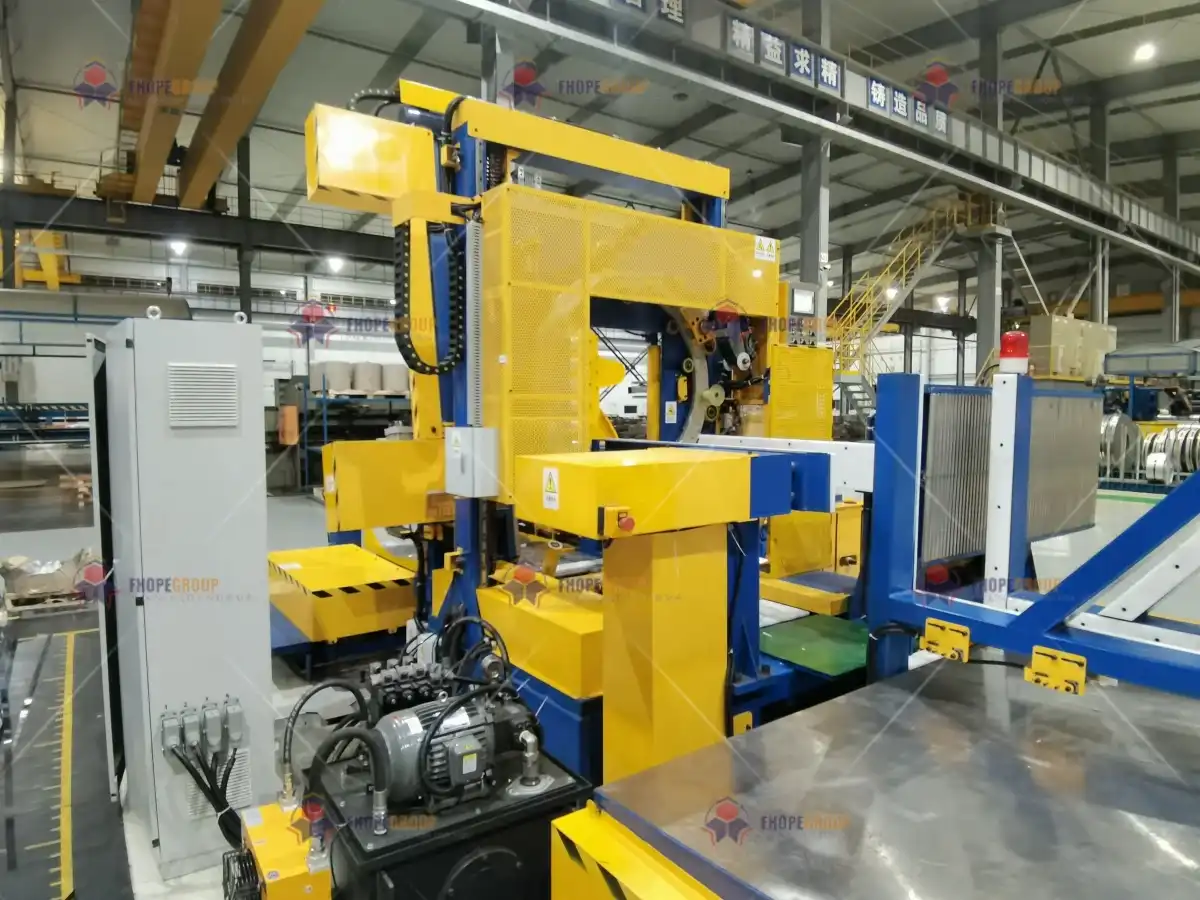
Integrating a coil packing line directly with your slitting system ensures a continuous, uninterrupted material flow. As slit coils exit the slitting line, they are automatically transferred to the packing line for wrapping, strapping, and preparation for warehousing. This eliminates manual intervention, reduces handling damage, and significantly accelerates throughput.
The Bottleneck Breakdown: Why Integration is Crucial
Many coil processing facilities face a common problem: a disconnect between slitting speed and packing efficiency. This often results in a bottleneck at the packing stage, undermining the overall productivity gains from advanced slitting technology. Let's dissect the issues and see how integration offers solutions.
Manual Handling Hurdles
Traditional, non-integrated systems rely heavily on manual handling for coil transfer from slitting to packing. This introduces several inefficiencies:
- Time Consumption: Manual transfer is slow and adds significant time to the overall process.
- Labor Costs: It requires a larger workforce, increasing labor expenses.
- Safety Risks: Manual handling of heavy coils poses safety hazards and increases the risk of workplace injuries.
- Damage Potential: Increased handling elevates the risk of coil damage, leading to material waste and quality issues.
Space Inefficiency
Disjointed systems often lead to inefficient use of space. Coils might be temporarily stored between slitting and packing, requiring additional floor space and causing logistical challenges within the facility.
Data Disconnect
Without integration, data flow between slitting, packing, and warehousing is often fragmented. This lack of real-time information hinders production tracking, inventory management, and overall operational visibility.
To illustrate the impact, consider a comparative scenario:
| Feature | Standalone Systems | Integrated Systems |
|---|---|---|
| Coil Transfer | Manual, forklift/crane | Automatic conveyor/transfer system |
| Packing Speed | Slower, limited by manual pace | Faster, synchronized with slitting line |
| Labor Requirement | High | Low, single operator possible |
| Space Utilization | Less efficient, buffer storage needed | More efficient, direct flow |
| Damage Risk | Higher due to manual handling | Lower, minimized handling |
| Data Flow | Fragmented, manual tracking | Seamless, real-time data integration |
As the table shows, integrated systems offer clear advantages across multiple operational aspects. By bridging the gap between slitting and packing, facilities can unlock significant improvements in efficiency, cost-effectiveness, and overall performance. Integration is not just about automation; it's about creating a cohesive and optimized coil processing ecosystem.
Optimizing Warehouse Space with Integrated Packing Lines
Are you struggling with warehouse congestion and inefficient coil storage? Warehousing costs can significantly impact your bottom line. Disorganized storage, wasted space, and slow retrieval processes add unnecessary expenses and hinder efficient inventory management.
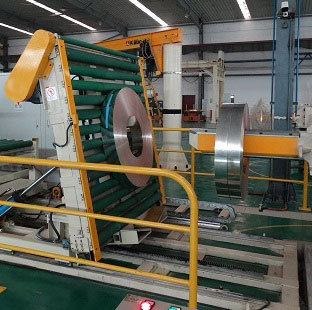
Integrating coil packing lines with warehousing systems allows for direct and organized coil flow into storage. Packed and labeled coils are automatically conveyed to designated warehouse locations, optimizing space utilization and enabling quicker retrieval. This integration minimizes the footprint of intermediate storage areas and streamlines the entire logistics chain from production to dispatch.
Smart Warehousing: Beyond Storage, Towards Optimization
Integrating coil packing lines with warehousing isn't just about moving coils into storage; it's about creating a smart, responsive, and efficient warehousing system. Let's explore the key benefits of this integration for warehouse optimization.
Maximized Space Utilization
Integrated systems enable dense and organized storage configurations. Automatic stacking and retrieval systems, guided by the packing line data, ensure coils are placed optimally, minimizing aisle space and maximizing vertical storage potential. This is crucial for facilities where space is a premium.
Real-time Inventory Management
Integration facilitates seamless data flow between packing and warehouse management systems (WMS). As coils are packed and enter the warehouse, inventory is automatically updated in real-time. This provides accurate stock levels, reduces inventory discrepancies, and improves order fulfillment accuracy.
Faster Retrieval and Dispatch
With organized storage and real-time inventory data, coil retrieval becomes significantly faster. WMS integration allows for optimized picking routes and automated retrieval systems can quickly locate and dispatch coils, reducing order processing times and improving customer satisfaction.
Reduced Damage and Loss in Warehousing
Automated handling within an integrated system minimizes the risk of damage during storage and retrieval. Precise placement and retrieval by automated systems reduce collisions and mishandling, protecting coil quality and minimizing material loss. Furthermore, accurate inventory tracking reduces the chances of coils being misplaced or lost within the warehouse.
Consider the operational improvements in a table format:
| Feature | Disintegrated Warehousing | Integrated Warehousing |
|---|---|---|
| Space Efficiency | Lower, disorganized storage | Higher, optimized storage density |
| Inventory Accuracy | Lower, manual tracking, discrepancies | Higher, real-time updates, accurate |
| Retrieval Time | Slower, manual search | Faster, automated retrieval paths |
| Damage/Loss Rate | Higher, manual handling risks | Lower, minimized automated handling |
| Operational Visibility | Limited, fragmented data | Enhanced, unified data flow |
Integrating packing lines with warehousing transforms the warehouse from a passive storage space into an active, data-driven component of the coil processing workflow. This integration translates into significant cost savings, improved operational efficiency, and enhanced customer service.
Seamless Material Flow: Connecting Slitting, Packing, and Warehousing
Is your material flow disjointed, causing unnecessary movement and delays? Inefficient material flow is a hidden drain on productivity. Back-and-forth movements, buffer zones, and manual transfers add non-value-added time and increase the risk of damage.
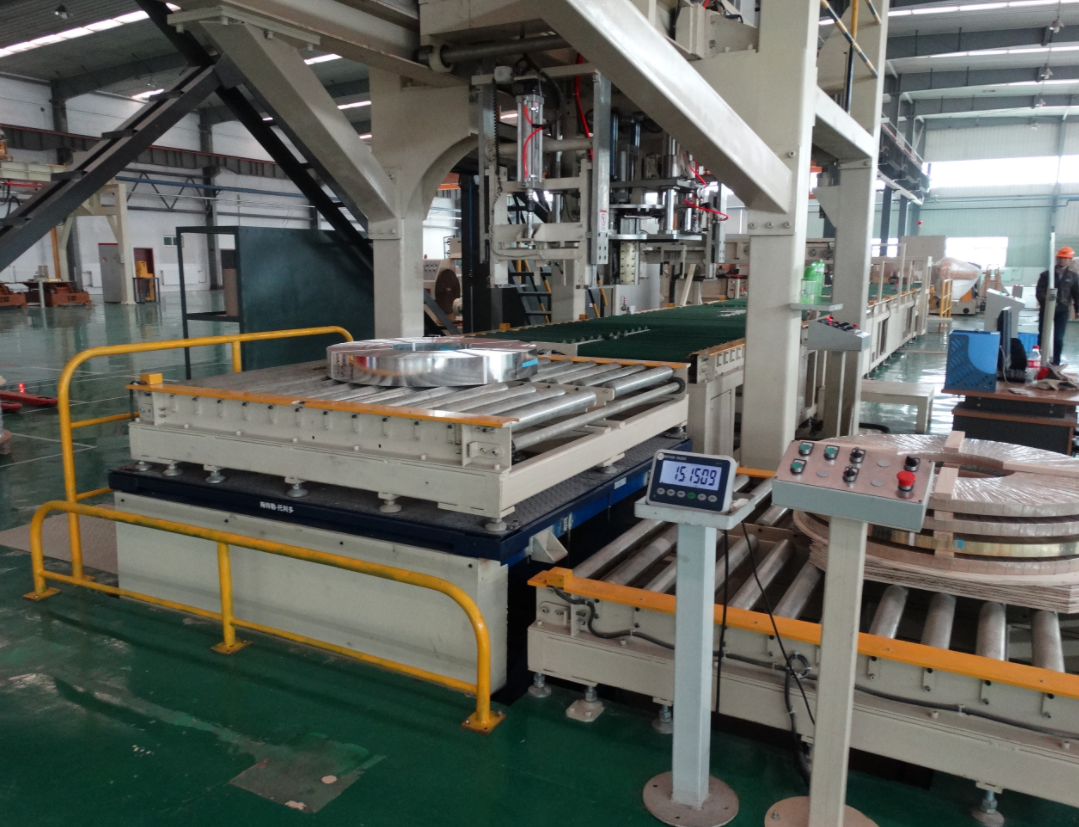
Integrating coil packing lines acts as the central nervous system for material flow, connecting slitting, packing, and warehousing into a cohesive unit. This integration ensures a smooth, unidirectional flow of coils, minimizing handling, reducing transportation distances, and accelerating the entire production cycle from raw material to finished goods in the warehouse.
Orchestrating Material Movement: The Symphony of Integration
Effective material flow is like a well-conducted orchestra – each section plays in harmony to create a seamless and efficient performance. Integrating coil packing lines is the conductor, orchestrating the movement of coils between slitting, packing, and warehousing. Let's explore the key aspects of this orchestrated flow.
Direct and Continuous Flow
Integrated systems eliminate intermediate storage and unnecessary handling. Slit coils move directly from the slitting line to the packing line, and then directly to the warehouse. This continuous flow minimizes work-in-progress, reduces lead times, and accelerates order fulfillment.
Optimized Transportation Paths
Integration allows for the design of optimized transportation paths within the facility. Conveyor systems, automated guided vehicles (AGVs), or other automated transfer mechanisms are strategically placed to ensure the shortest and most efficient routes between processing stages and warehouse locations. This reduces internal transportation costs and minimizes material handling time.
Reduced Material Handling Costs
By automating material transfer and minimizing manual handling, integrated systems significantly reduce material handling costs. Lower labor requirements, reduced equipment wear and tear, and minimized material damage all contribute to substantial cost savings.
Enhanced Production Visibility and Control
Integrated systems provide real-time visibility into material flow across all stages. Tracking systems monitor coil movement, providing data on throughput, bottlenecks, and potential delays. This enhanced visibility enables proactive problem-solving, optimized production scheduling, and improved overall control over the production process.
Visualize the difference in material flow:
| Feature | Disjointed Material Flow | Integrated Material Flow |
|---|---|---|
| Flow Direction | Disrupted, back-and-forth | Unidirectional, streamlined |
| Handling Frequency | High, multiple manual transfers | Low, minimized automated handling |
| Transportation Paths | Longer, less optimized | Shorter, strategically optimized |
| Material Handling Cost | Higher, labor and equipment intensive | Lower, automated and efficient |
| Production Visibility | Limited, fragmented tracking | Enhanced, real-time, unified tracking |
Integrated material flow transforms a fragmented process into a streamlined, efficient system. By connecting slitting, packing, and warehousing, facilities can achieve significant improvements in throughput, cost-effectiveness, and operational agility. It's about creating a material flow symphony where each stage is perfectly synchronized.
Advanced Automation: Timber Feeding and Robotic Stacking
Are you looking to push automation boundaries and maximize efficiency? While basic integration provides significant benefits, advanced automation technologies take coil packing lines to the next level, further optimizing processes and reducing labor dependence.
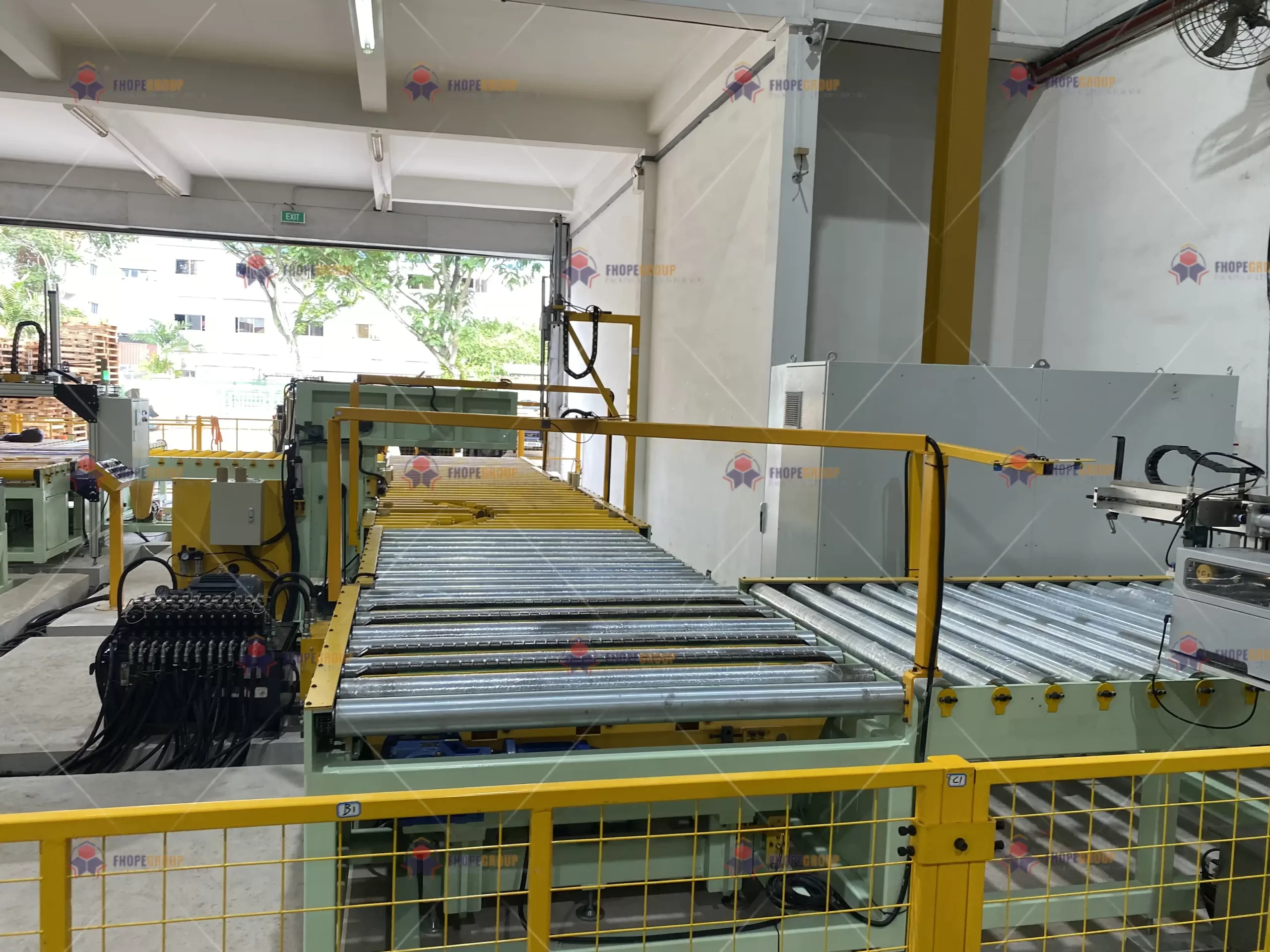
Advanced features like automatic timber feeders and robotic coil stacking machines enhance the automation of coil packing lines. Timber feeders precisely dispense and place timber supports for coil stacking, while robotic stackers ensure accurate and damage-free coil placement on pallets. These technologies minimize manual intervention, increase packing speed and consistency, and improve safety in coil handling operations.
The Cutting Edge of Automation: Robots and Smart Feeders
To truly maximize the potential of integrated coil packing lines, consider incorporating advanced automation technologies. Timber feeders and robotic stackers represent the cutting edge, offering significant enhancements in efficiency, precision, and safety. Let's delve into these technologies.
Automatic Timber Feeding Systems
Timber supports are essential for proper coil stacking and stability during storage and transportation. Manual timber placement is time-consuming, inconsistent, and potentially hazardous. Automatic timber feeders revolutionize this process:
- Precision Placement: Timber feeders accurately dispense and position timber pieces according to pre-programmed patterns, ensuring consistent and stable coil stacking.
- Increased Speed: Automated feeding significantly accelerates the timber placement process, keeping pace with high-speed packing lines.
- Reduced Labor: Eliminates the need for manual timber handling, freeing up labor for other tasks and reducing labor costs.
- Improved Safety: Reduces the risk of injuries associated with manual handling of timber and heavy coils.
Robotic Coil Stacking Machines
Robotic stackers take automation a step further by automating the entire coil stacking process. These robots offer unparalleled precision, speed, and flexibility:
- Precise Stacking: Robots use advanced vision systems and gripping technology to accurately pick and place coils onto pallets, ensuring optimal stacking patterns and stability.
- High-Speed Operation: Robotic stackers operate at high speeds, keeping pace with the fastest packing lines and maximizing throughput.
- Versatile Handling: Robots can handle a wide range of coil sizes, weights, and materials, offering flexibility for diverse production needs.
- Enhanced Safety: Robots eliminate the need for human operators in the immediate stacking area, improving workplace safety and reducing the risk of accidents.
Here's a comparison highlighting the advantages of advanced automation:
| Feature | Standard Automated Packing Line | Advanced Automated Packing Line |
|---|---|---|
| Timber Feeding | Manual placement | Automatic timber feeder system |
| Coil Stacking | Automated stacker (less flexible) | Robotic stacker (highly flexible) |
| Packing Speed | High | Higher, optimized with robots |
| Labor Dependence | Lower | Significantly lower, near unmanned |
| Stacking Precision | Good | Excellent, robotic precision |
| Handling Versatility | Limited to specific coil types | Wide range of coil types and sizes |
Investing in advanced automation technologies like timber feeders and robotic stackers represents a strategic move towards maximizing efficiency, minimizing labor costs, and achieving unparalleled levels of automation in coil packing operations. It's about future-proofing your facility and staying ahead in a competitive market.
Integrating with Warehousing Systems for Enhanced Logistics
How can integrated packing lines improve your overall supply chain? Packing is not the end of the line; it's a crucial step in preparing coils for warehousing and ultimately, customer delivery. Seamless integration with warehousing systems ensures that the benefits of efficient packing extend throughout the logistics chain.
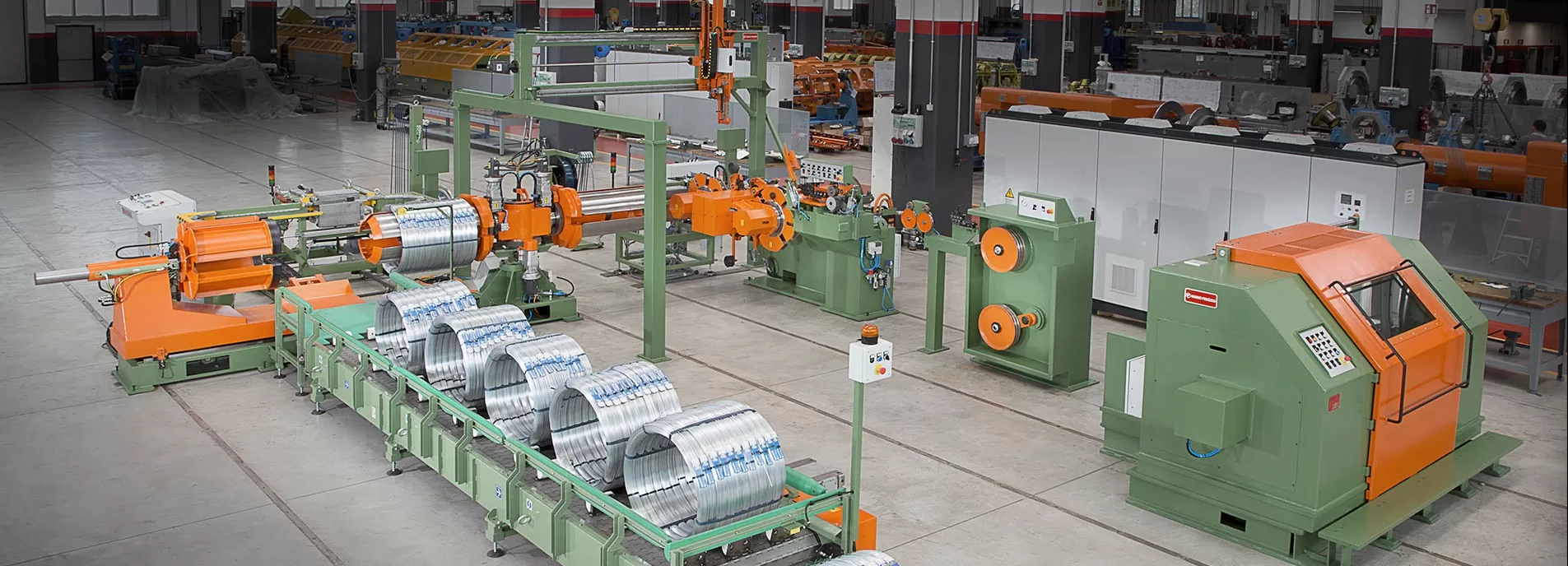
Integrating coil packing lines with warehouse management systems (WMS) and enterprise resource planning (ERP) systems creates a connected and data-rich logistics ecosystem. This integration enables real-time inventory updates, automated storage location assignment, optimized retrieval processes, and seamless data exchange across the supply chain, leading to improved order accuracy, faster delivery times, and enhanced customer satisfaction.
Integrating coil packing lines into the broader warehousing and logistics infrastructure offers transformative benefits that extend far beyond the packing floor. By connecting packing operations with WMS and ERP systems, businesses can unlock a new level of supply chain efficiency and responsiveness. This holistic integration touches upon several key areas:
-
Real-time Inventory Visibility: As coils are packed and processed, the packing line system automatically updates inventory levels in the WMS and ERP. This real-time synchronization ensures accurate stock information across the organization, eliminating manual data entry and reducing inventory discrepancies.
-
Automated Storage Location Assignment: Integration with WMS enables automated assignment of storage locations for packed coils. Based on coil characteristics, warehouse layout, and storage optimization algorithms, the system directs automated storage and retrieval systems (AS/RS) or forklift operators to the ideal storage locations.
-
Optimized Retrieval and Order Fulfillment: When orders are received, the integrated system facilitates optimized retrieval processes. The WMS identifies the precise location of the required coils, and automated retrieval systems or guided forklift operations ensure quick and accurate picking for order fulfillment.
-
Seamless Data Exchange and Traceability: Integration creates a seamless flow of data across the supply chain. Packing data, including coil dimensions, weight, packing materials, and date/time stamps, is automatically transferred to WMS and ERP. This enhances traceability, quality control, and enables data-driven decision-making across the organization.
-
Improved Logistics Planning and Forecasting: With comprehensive data on packing throughput, inventory levels, and order patterns, businesses gain valuable insights for logistics planning and demand forecasting. This enables proactive inventory management, optimized production scheduling, and improved responsiveness to customer demands.
By extending the reach of integration beyond the packing line and into warehousing and logistics systems, coil processing facilities can transform their supply chain into a competitive advantage. This comprehensive approach leads to reduced operational costs, improved order accuracy, faster delivery times, and ultimately, enhanced customer satisfaction.
Conclusion
Integrating coil packing lines with slitting and warehousing systems is not just an upgrade; it's a strategic transformation. It addresses critical pain points in coil processing, from slitting bottlenecks to warehouse inefficiencies, offering a pathway to streamlined operations and enhanced profitability. By embracing coil packing line integration, steel service centers and manufacturing facilities can unlock significant gains in efficiency, safety, and overall competitiveness in today's demanding market.


