
Are you tired of inefficient and labor-intensive coil packing processes? Imagine a seamless, automated system that stacks coils with precision, boosting productivity and minimizing errors. The automatic coil stacking machine is revolutionizing coil packing lines.
What is an automatic coil stacking machine and how does it integrate into different coil packing lines? Automatic coil stacking machines are advanced systems designed to automatically lift, transfer, and stack coils onto pallets or other designated areas. They are integrated into coil packing lines to streamline the packaging process, reduce manual handling, and improve overall efficiency, accommodating various coil sizes and packing line configurations.
Ready to discover how this technology can transform your operations? Let's dive into the world of automatic coil stacking machines and explore their diverse applications.
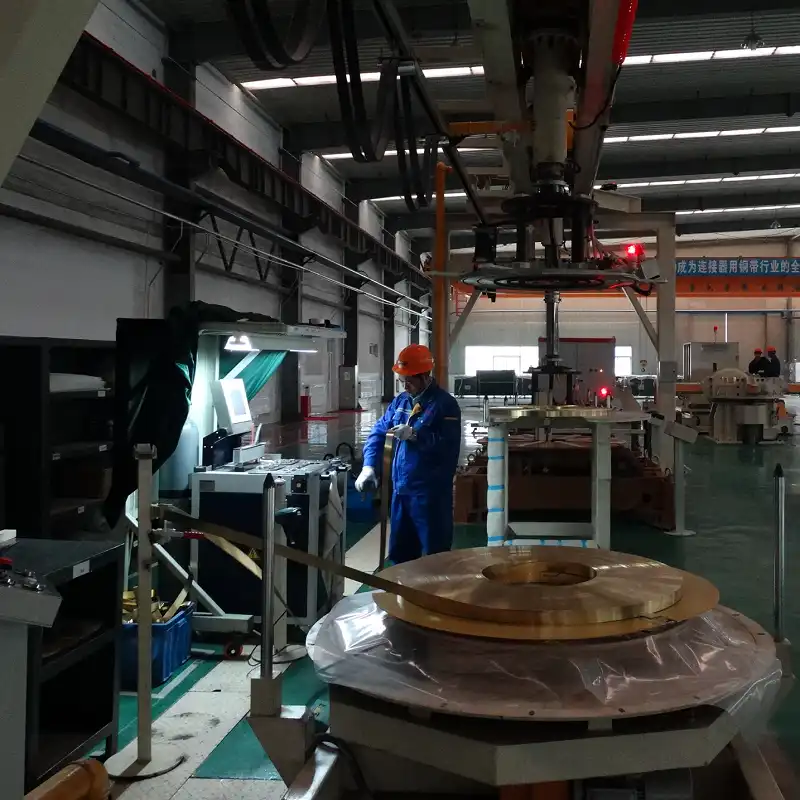
Automatic Coil Stacking Machine: Revolutionizing Efficiency
Is your coil packing process slow and prone to errors? Picture a system where coils are stacked with perfect alignment and consistency, significantly reducing downtime and improving throughput. An automatic coil stacking machine is designed to address these challenges directly.
What are the key benefits of using an automatic coil stacking machine in a coil packing line? The primary advantages include increased efficiency by automating the stacking process, reduced labor costs by minimizing manual handling, improved safety by preventing injuries, enhanced accuracy in stacking, and the ability to handle a wide range of coil sizes and weights, ultimately boosting productivity and streamlining operations.
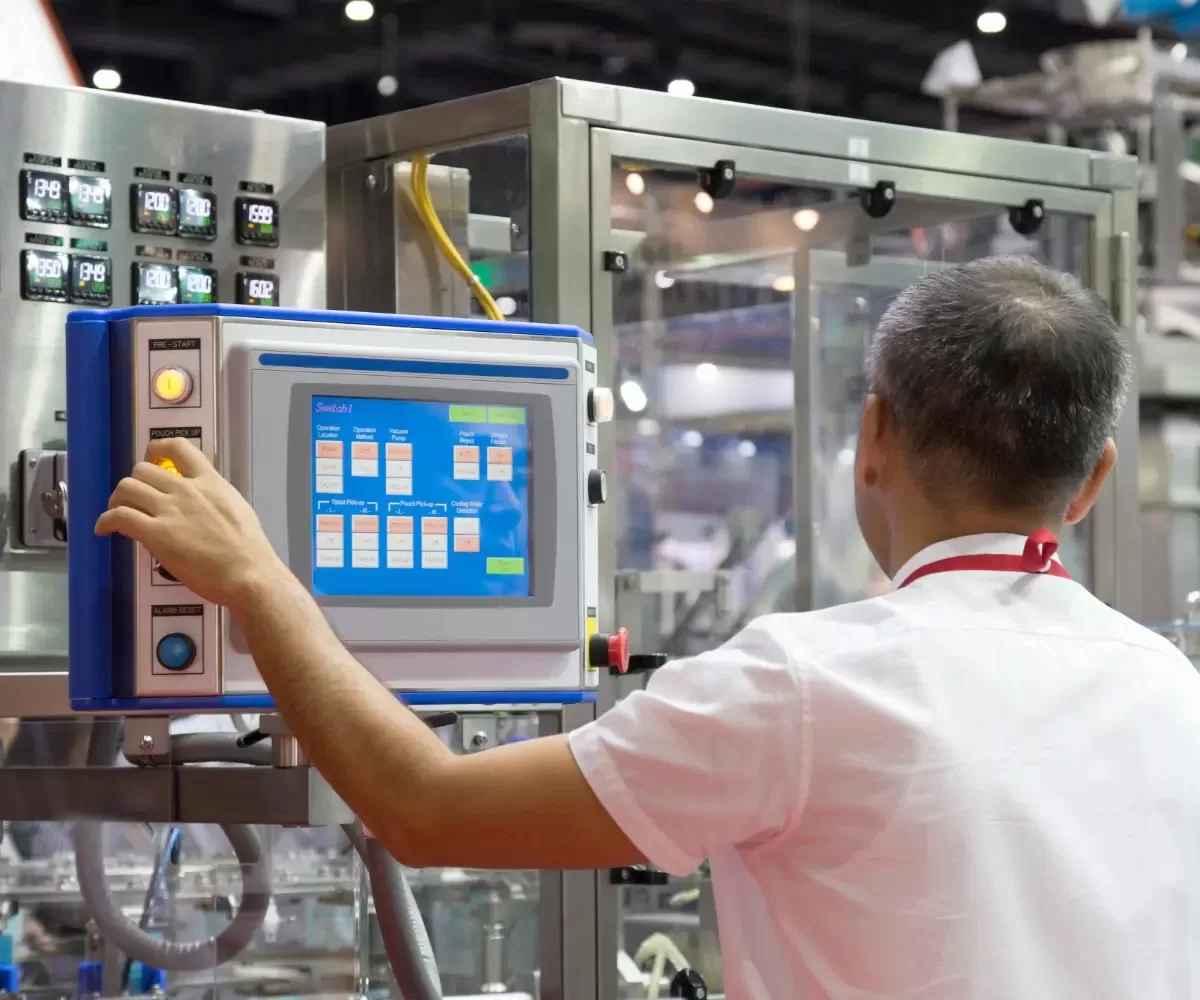
Dive Deeper: Optimizing Coil Packing with Advanced Stacking Technology
Automatic coil stacking machines have transformed the coil packing industry by addressing critical needs for efficiency, safety, and precision. These machines automate the process of lifting, transferring, and stacking coils, streamlining operations and reducing reliance on manual labor. However, to fully appreciate the benefits, it’s essential to understand how these machines work, their integration into various packing lines, and the factors influencing their performance.
Understanding the Core Functionality
At its core, an automatic coil stacking machine is designed to perform several key functions:
- Lifting: Safely lifting coils of various sizes and weights.
- Transferring: Moving coils from the conveyor to the stacking area.
- Stacking: Precisely placing coils onto pallets or designated stacking zones.
- Control: Coordinating movements to ensure efficient and accurate stacking.
These functions are typically managed by a sophisticated control system that integrates sensors, PLCs (Programmable Logic Controllers), and servo motors. Sensors detect the coil's position, size, and weight, while PLCs process this data to control the movement of the machine. Servo motors provide the precise motion required for lifting, transferring, and stacking.
Integration into Different Packing Lines
The flexibility of automatic coil stacking machines allows them to be integrated into various coil packing line configurations. Here are a few common scenarios:
- Horizontal Coil Packing Line: In this setup, coils are processed horizontally, moving from one station to another for wrapping, strapping, and stacking. The stacking machine is positioned at the end of the line to collect wrapped and strapped coils and stack them onto pallets.
- Vertical Coil Packing Line: Vertical packing lines are used when coils are handled with their axis vertical. The stacking machine in this case must be designed to handle coils in this orientation, often requiring specialized grippers and lifting mechanisms.
- Slitting Coil Packaging Line: Slitting lines produce multiple smaller coils from a larger master coil. The stacking machine must be able to handle a higher volume of smaller coils, often requiring faster cycle times and more precise placement.
Factors Influencing Performance
Several factors can influence the performance of an automatic coil stacking machine. Addressing these factors can significantly improve overall efficiency and reduce downtime.
| Factor | Impact | Mitigation Strategies |
|---|---|---|
| Coil Size and Weight | Affects the machine's lifting capacity, speed, and stability. | Select a machine with appropriate capacity and adjust parameters based on coil specifications. |
| Stacking Pattern | Influences the machine's programming and control logic. | Optimize stacking patterns to minimize movement and maximize pallet utilization. |
| Conveyor Speed | Determines the rate at which coils are presented to the stacking machine. | Synchronize conveyor speed with the stacking machine's cycle time to avoid bottlenecks. |
| Pallet Handling | Affects the efficiency of loading and unloading stacked coils. | Use automated pallet handling systems to reduce manual intervention. |
| Maintenance and Reliability | Downtime due to breakdowns can significantly impact productivity. | Implement regular maintenance schedules and use high-quality components to ensure reliability. |
Case Studies and Examples
To illustrate the impact of automatic coil stacking machines, consider the following examples:
- Steel Mill: A steel mill implemented an automatic coil stacking machine in its horizontal packing line, reducing the stacking time per pallet from 30 minutes to 5 minutes. This resulted in a 400% increase in stacking efficiency and a significant reduction in labor costs.
- Aluminum Plant: An aluminum plant integrated an automatic coil stacking machine into its slitting line, improving stacking accuracy and reducing product damage by 15%. The improved quality led to fewer customer complaints and higher satisfaction.
By carefully considering these factors and implementing appropriate strategies, businesses can maximize the benefits of automatic coil stacking machines and achieve significant improvements in productivity, safety, and quality.
Versatility in Coil Packing Lines
Do you need a coil packing solution that can handle various coil sizes and materials? An automatic coil stacking machine offers unmatched versatility, adapting to different coil specifications and packing line layouts. This adaptability ensures that your operations remain efficient, regardless of the product type.
How versatile is an automatic coil stacking machine in handling different types of coils? These machines are highly versatile and can handle various coil types, including steel, aluminum, copper, and wire coils. They can be customized with adjustable grippers, sensors, and control systems to accommodate different coil sizes, weights, and material properties, ensuring efficient and damage-free stacking.
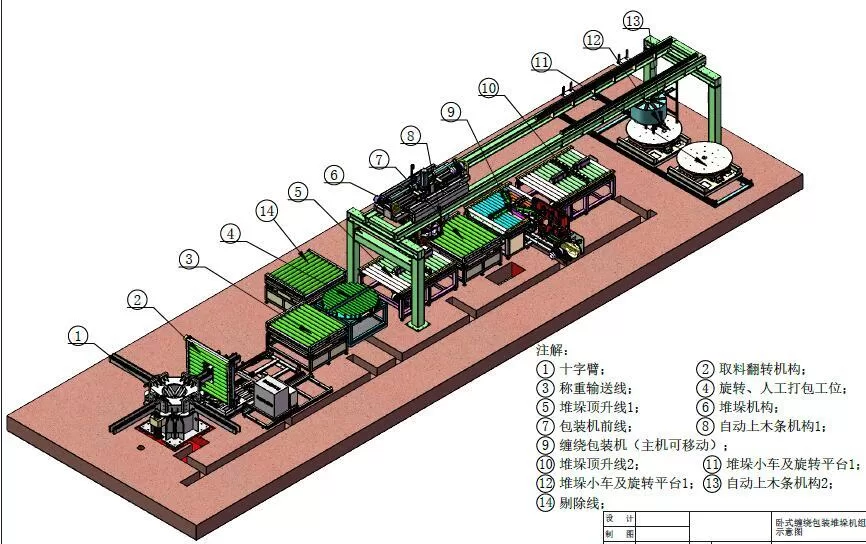
The automatic coil stacking machine’s versatility stems from its ability to be tailored to specific operational needs, making it a valuable asset for any coil packing line. Let’s explore this further.
Enhancing Safety with Automatic Stacking
Are you concerned about workplace safety in your coil handling operations? Manual coil stacking poses significant risks to workers. By automating this process, you minimize the risk of accidents and injuries, creating a safer and more productive work environment.
How does an automatic coil stacking machine enhance safety in the workplace? These machines enhance safety by eliminating the need for manual lifting and handling of heavy coils, reducing the risk of strains, injuries, and accidents. Safety features such as emergency stops, safety barriers, and sensors further protect workers by preventing unauthorized access and ensuring safe operation during the stacking process.
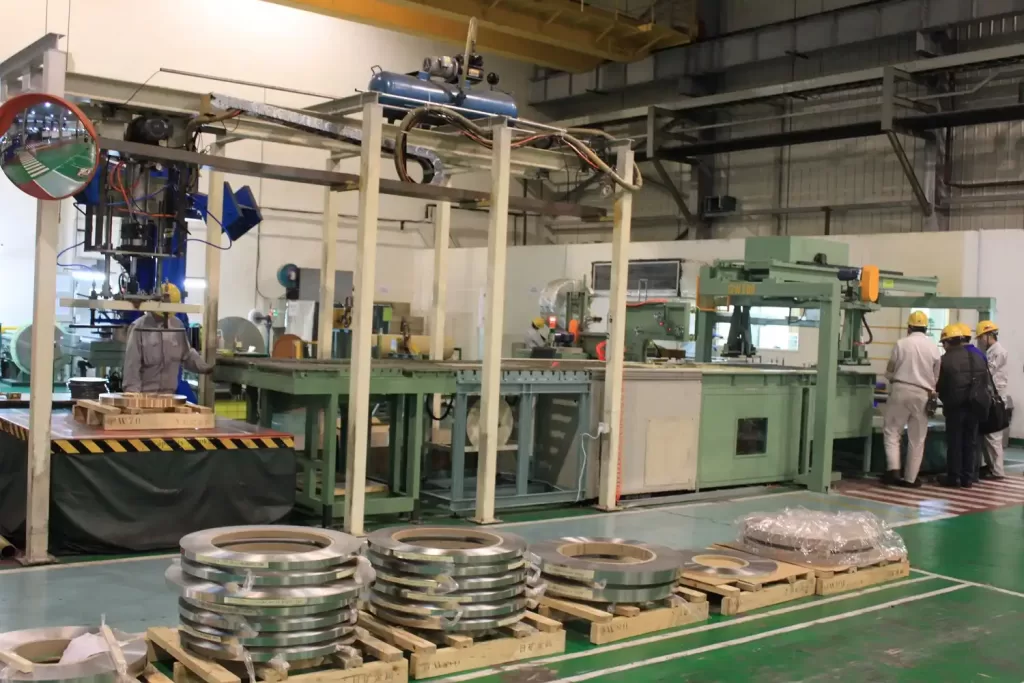
Technical Analysis: Key Components and Their Functions
The automatic coil stacking machine's effectiveness lies in its sophisticated components working in harmony. Understanding these elements is crucial for appreciating the technology's capabilities and ensuring optimal performance.
1. Lifting Mechanism
The lifting mechanism is the heart of the stacking machine, responsible for raising and lowering coils of various weights and sizes. Common types include:
- Hydraulic Lifts: Offer high lifting capacity and stability, suitable for heavy coils.
- Pneumatic Lifts: Provide faster and more precise movements, ideal for lighter coils.
- Electric Lifts: Offer a balance of speed, precision, and energy efficiency.
The selection of the lifting mechanism depends on the specific requirements of the coil packing line, including coil weight, size, and required cycle time.
2. Gripping System
The gripping system secures the coil during lifting and transfer, preventing slippage and ensuring safe handling. Key considerations include:
- Material Compatibility: The gripping material must be compatible with the coil material to avoid damage.
- Adjustability: The gripping system should be adjustable to accommodate different coil sizes.
- Grip Strength: The grip must be strong enough to securely hold the coil without causing deformation.
3. Control System
The control system orchestrates the entire stacking process, integrating data from sensors and executing programmed instructions. Essential features include:
- PLC (Programmable Logic Controller): The brain of the system, managing all machine functions.
- Sensors: Provide real-time feedback on coil position, weight, and orientation.
- HMI (Human-Machine Interface): Allows operators to monitor and control the machine.
The control system enables precise and efficient stacking, minimizing errors and optimizing throughput.
Here is a tabular comparison of the core system:
| Component | Function | Key Features |
|---|---|---|
| Lifting Mechanism | Raises and lowers coils. | High lifting capacity, stability, speed, energy efficiency. |
| Gripping System | Secures coils during lifting and transfer. | Material compatibility, adjustability, grip strength. |
| Control System | Orchestrates the stacking process. | PLC, sensors, HMI, real-time feedback, programmed instructions. |
| Conveyor System | Transports coils to and from the stacking area. | Adjustable speed, synchronization with machine, integration with sensors. |
| Safety Features | Protects workers from injuries during machine operation. | Emergency stop buttons, safety barriers, light curtains, automatic shutdown functions. |
By understanding these core components and their functions, businesses can make informed decisions about selecting and implementing automatic coil stacking machines.
Integrating Timber Feeder Stacking Machine
What if your coil packing line also requires timber feeding? Seamless integration with a timber feeder stacking machine ensures efficient handling, arrangement, and stacking of timber, enhancing the overall packing process. This integration simplifies operations and reduces the need for separate handling systems.
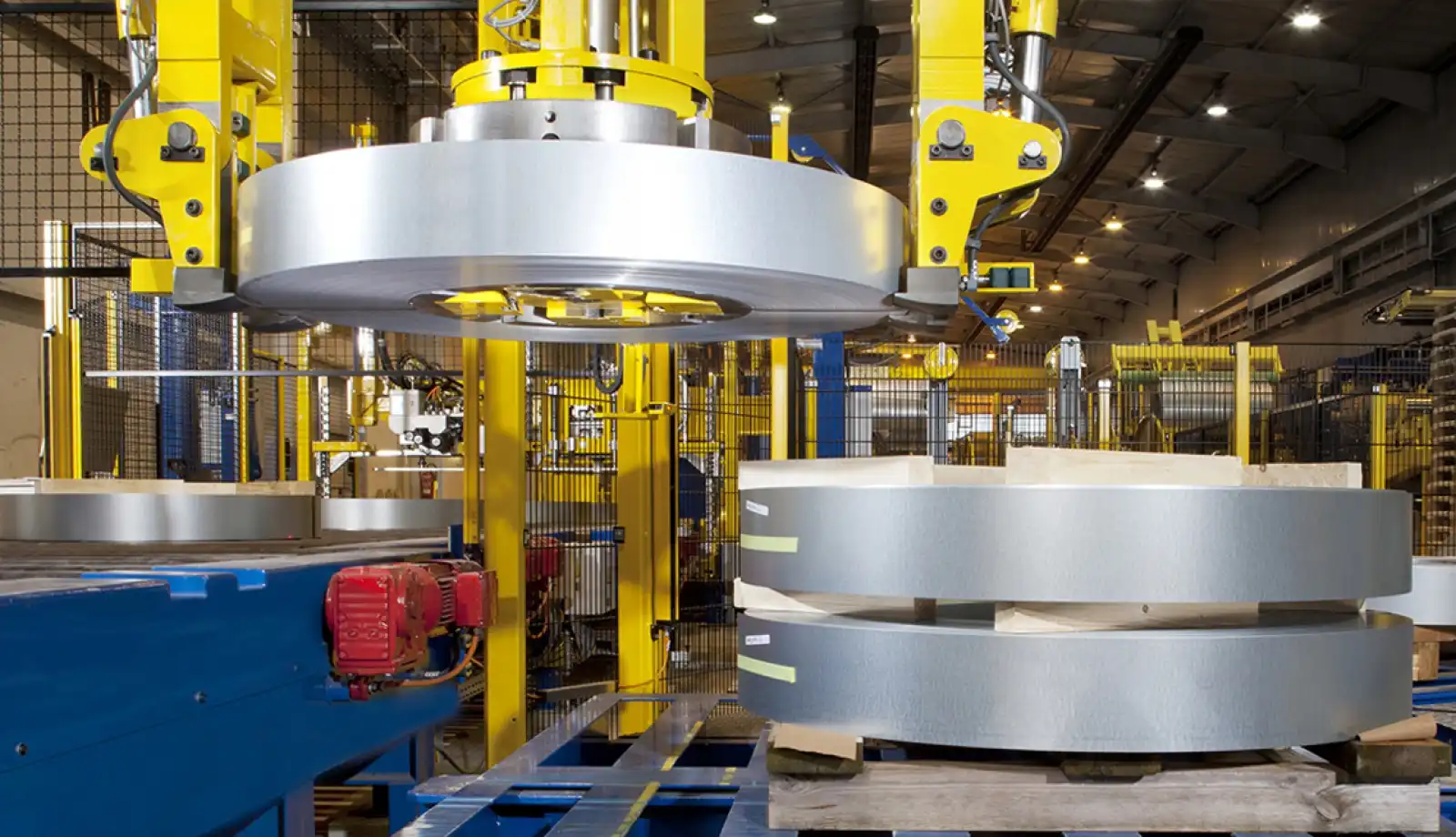
Automatic coil stacking machines are revolutionizing coil packing lines by automating the stacking process, reducing labor costs, and improving safety. They offer versatility in handling different coil types, enhance workplace safety, and can be integrated with timber feeder systems. These machines streamline operations, reduce material waste, and provide a significant long-term ROI. Here's a snippet for you:
How does a timber feeder stacking machine integrate with an automatic coil packing line? A timber feeder stacking machine automates the process of feeding and stacking timber used for coil support and protection. Integrated with the coil packing line, it ensures a continuous supply of timber, which is automatically placed between coil layers for stability during stacking and transport, improving efficiency and reducing manual handling.
Conclusion
In conclusion, the automatic coil stacking machine represents a significant advancement in coil packing technology. By embracing this automation, businesses can achieve remarkable improvements in efficiency, safety, and overall productivity. As the industry continues to evolve, investing in coil packing automation solutions like these will be crucial for staying competitive and meeting the demands of a dynamic market.


